Cook
Recipes and techniques. Shopping-list taps stay on this device.
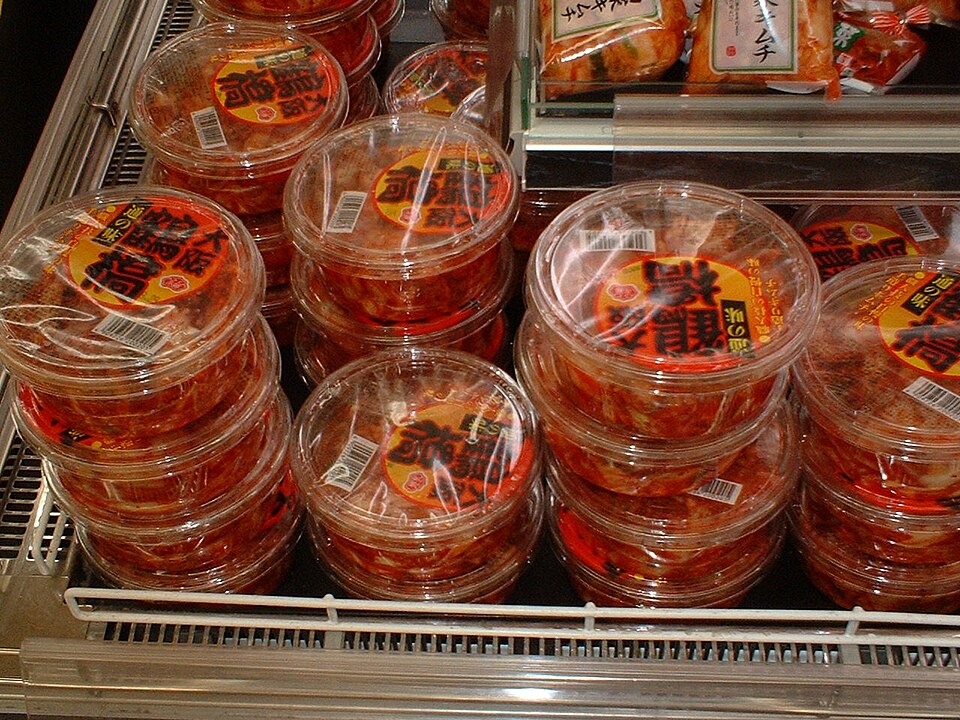 CC BY-SA 3.0 · Marcel MontesKimchi (김치)Salt, gochugaru, and time — a home batch you can start in a foreign kitchen.
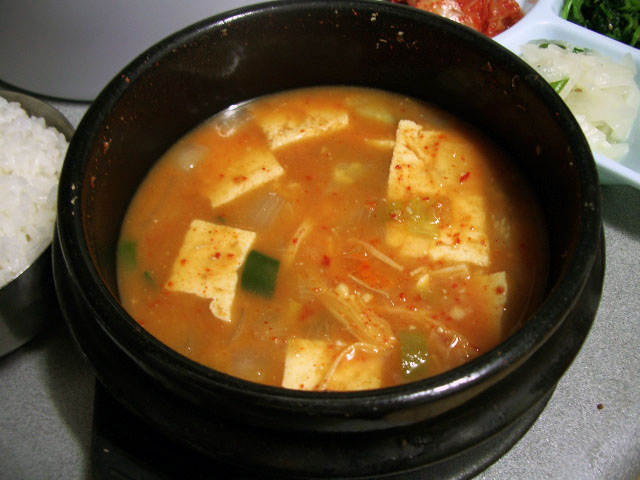 CC BY-SA 3.0 · User ZenKimchi on en.wikipediaKimchi jjigae (김치찌개)Sour kimchi, a little pork or tofu, and a bubbling pot — weeknight stew.CC BY-SA 3.0 · User ZenKimchi on en.wikipediaDoenjang jjigae (된장찌개)Soybean-paste stew — the everyday pot that tastes like a Korean home.
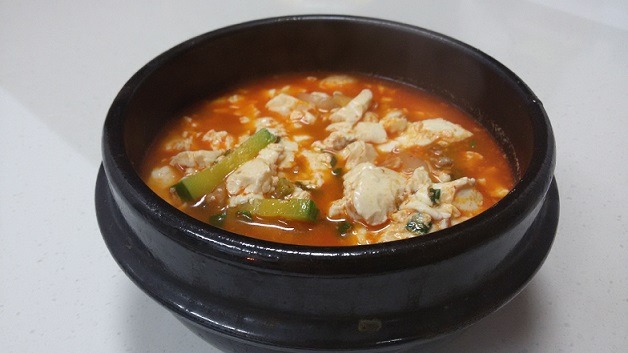 CC BY 4.0 · 행복한 초록개구리Sundubu jjigae (순두부찌개)Soft tofu stew with a raw egg — silky, spicy, fast.
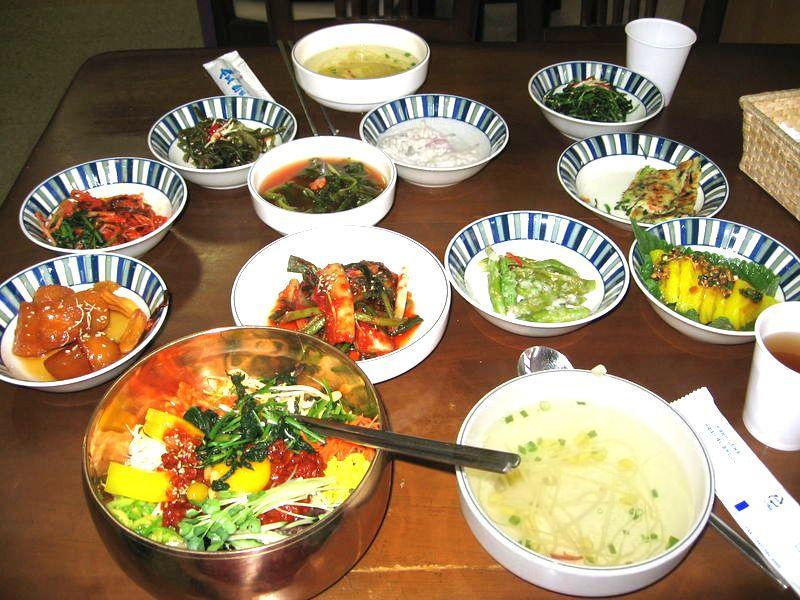 CC BY-SA 3.0 · Johannes Barre iGEL ( talk )Bibimbap (비빔밥)Rice, namul, a fried egg, and gochujang — mix at the table.
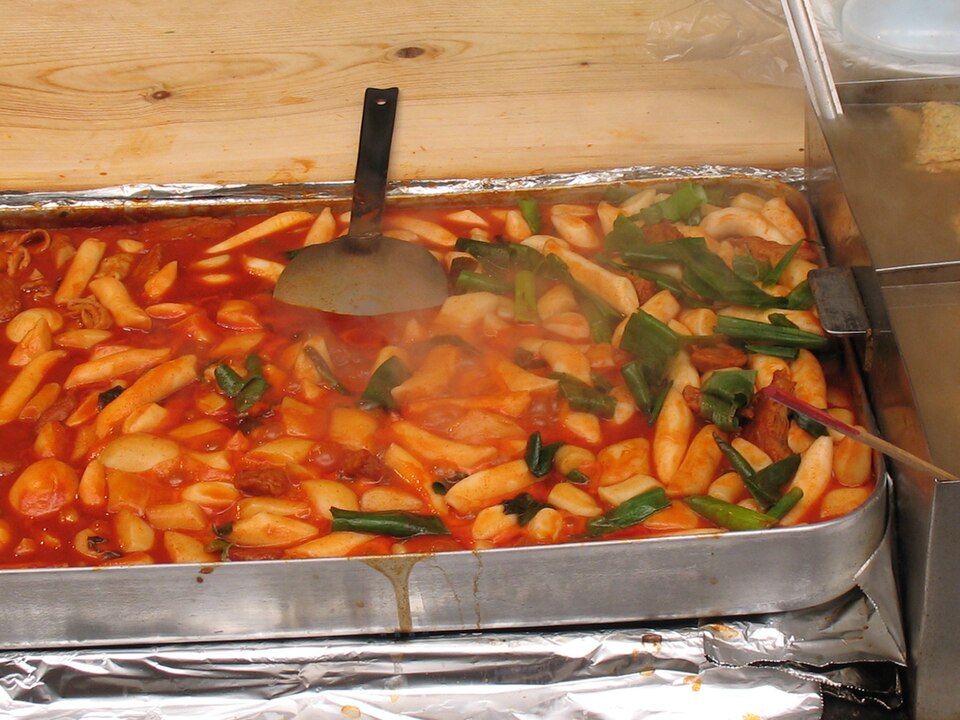 CC BY-SA 2.0 · by johlTteokbokki (떡볶이)Chewy rice cakes in a gochujang sauce — street-night classic.
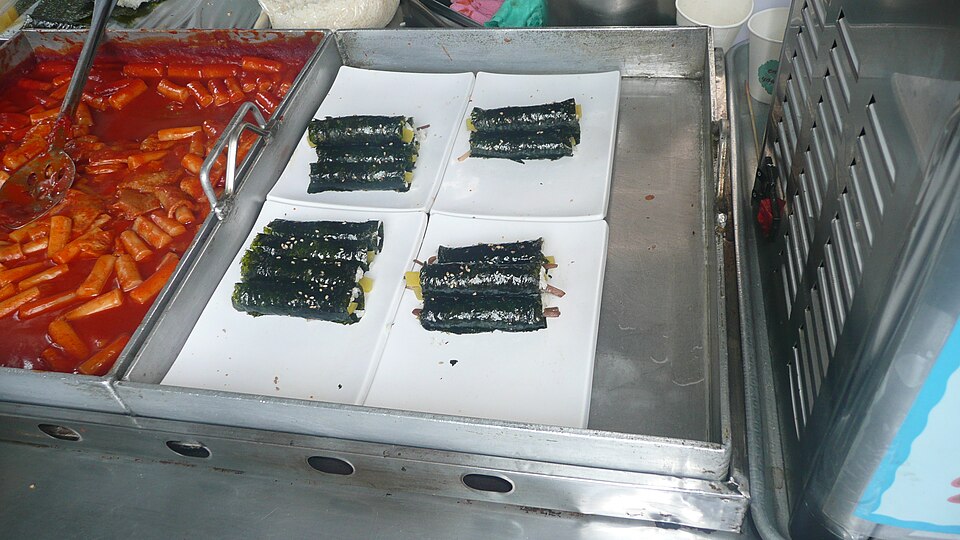 CC0 · Brücke-OsteuropaKimbap (김밥)Seaweed rice rolls — picnic food, not sushi, and easier than it looks.
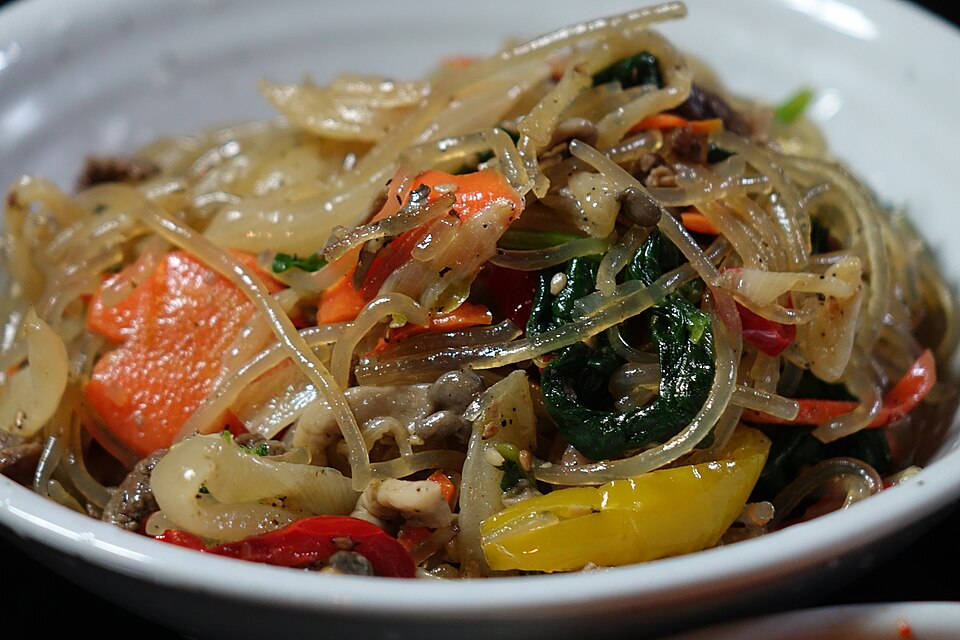 CC BY-SA 4.0 · 최광모Japchae (잡채)Sweet-potato noodles, sesame, and separately cooked vegetables.
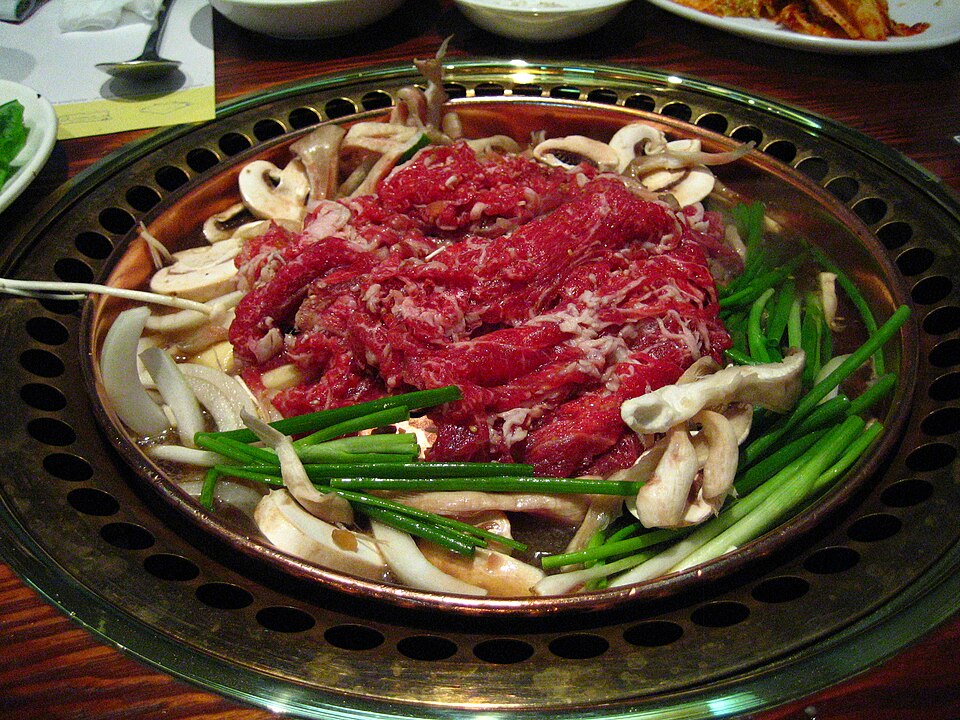 CC BY-SA 2.0 · by ayustetyBulgogi (불고기)Thin beef, pear, soy — grill or pan, and do not drown it.
 CC BY-SA 3.0 · Torsten Blanck, Cuora at en.wikipediaSamgyeopsal (삼겹살)Pork belly at the table — lettuce, ssamjang, and garlic.CC BY-SA 3.0 · Torsten Blanck, Cuora at en.wikipediaDakgalbi (닭갈비)Chuncheon’s spicy stir-fried chicken with rice cake and cabbage.
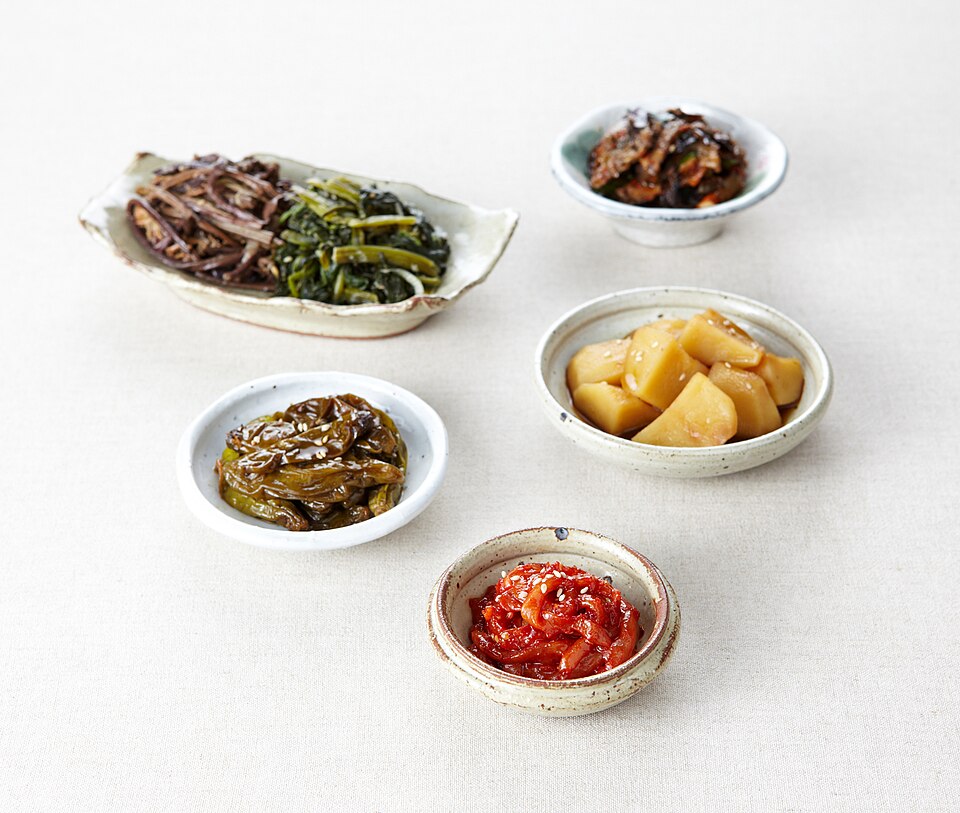 CC BY-SA 2.0 kr · 국립국어원Jjajangmyeon (짜장면)Black-bean noodle — Korean-Chinese comfort, not Beijing zhajiang.
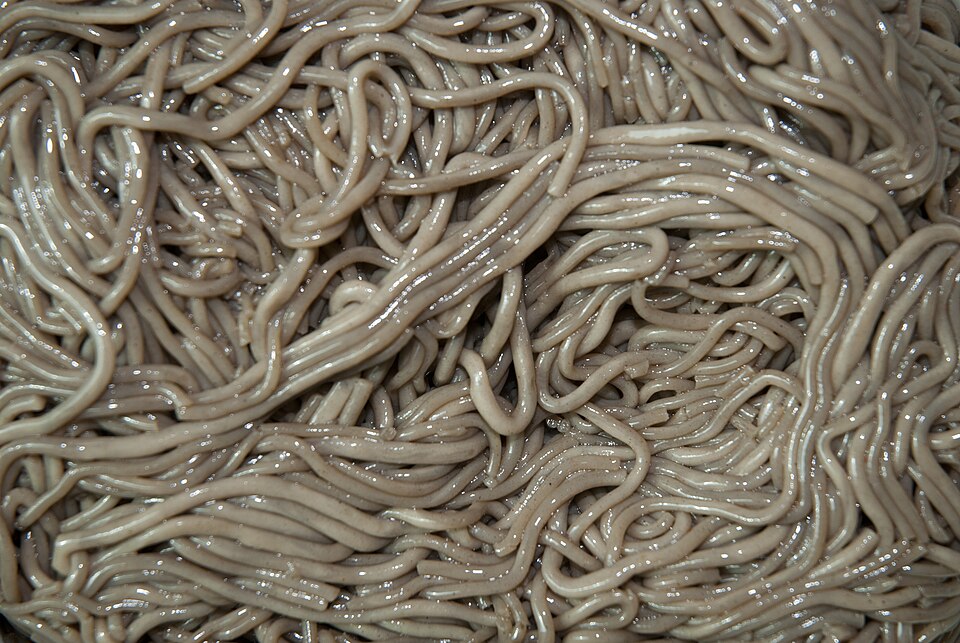 CC BY-SA 4.0 · SoHome Jacaranda LilauNaengmyeon (냉면)Iced buckwheat noodles — mul (broth) vs bibim (gochujang).
 CC BY-SA 3.0 · KlutzySamgyetang (삼계탕)Whole young chicken, ginseng, garlic, and sticky rice — heat-wave food.CC BY-SA 2.0 kr · 국립국어원Galbitang (갈비탕)Clear beef-rib soup — patience, skim, and a clean bowl.
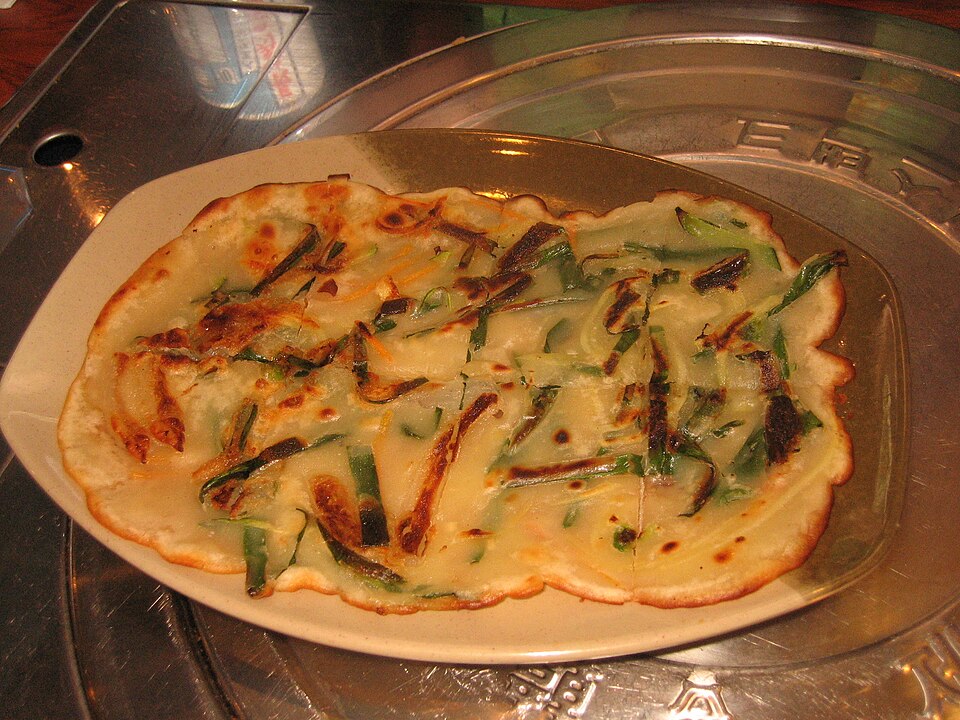 CC BY 2.0 · Norris WongPajeon (파전)Scallion pancake — rainy-day food with makgeolli in the story pages.
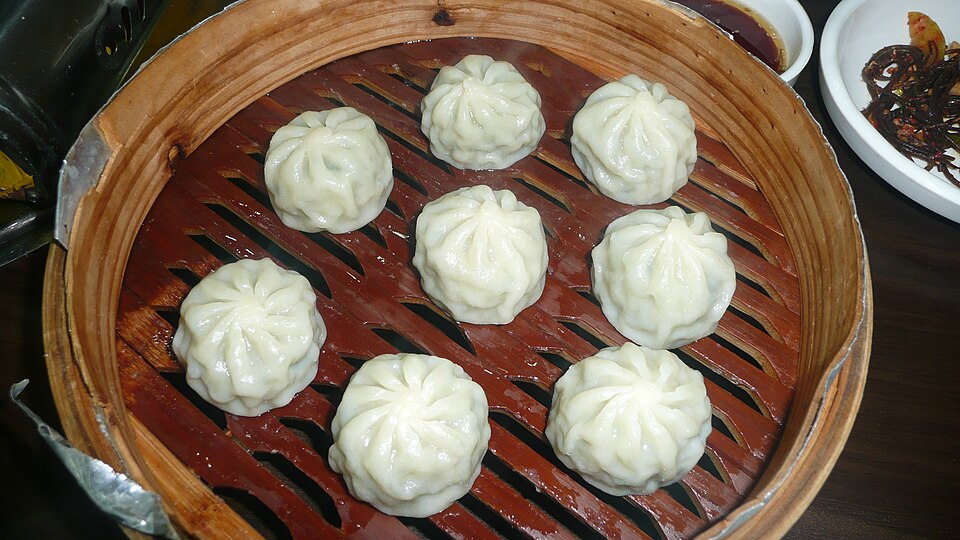 CC0 · Brücke-OsteuropaMandu (만두)Dumplings — steam, pan-fry, or drop into soup.
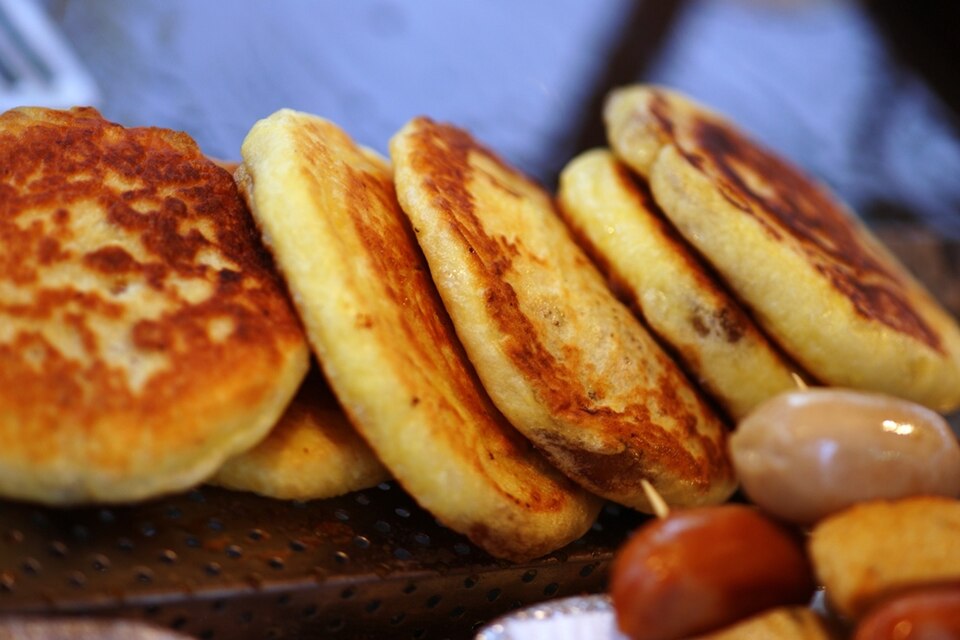 CC BY-SA 2.0 · Korea.net / Korean Culture and Information ServiceHotteok (호떡)Winter street pancake with brown-sugar syrup inside.CC BY-SA 2.0 kr · 국립국어원Budae jjigae (부대찌개)Army-base stew — spam, kimchi, and ramen noodles in one pot.CC BY-SA 2.0 kr · 국립국어원Kongnamul (콩나물무침)Seasoned soybean sprouts — the banchan that should always be crunchy.CC BY-SA 2.0 kr · 국립국어원Sigeumchi-namul (시금치나물)Sesame spinach — thirty seconds of heat, a minute of seasoning.CC BY-SA 2.0 kr · 국립국어원Gyeran-mari (계란말이)Rolled egg — lunchbox gold, and a good first “I cooked Korean” win.CC BY-SA 2.0 kr · 국립국어원Oi-muchim (오이무침)Spicy smashed cucumber — five minutes, high crunch.CC BY-SA 2.0 kr · 국립국어원Kimchi fried rice (김치볶음밥)Day-old rice, chopped kimchi, a fried egg — the cleanup meal.CC BY-SA 2.0 kr · 국립국어원Ramyeon, upgradedConvenience-store noodles with an egg, scallion, and cheese — still Korean.CC BY-SA 2.0 kr · 국립국어원Bossam (보쌈)Boiled pork wrapped in cabbage — a party plate with a quiet technique.
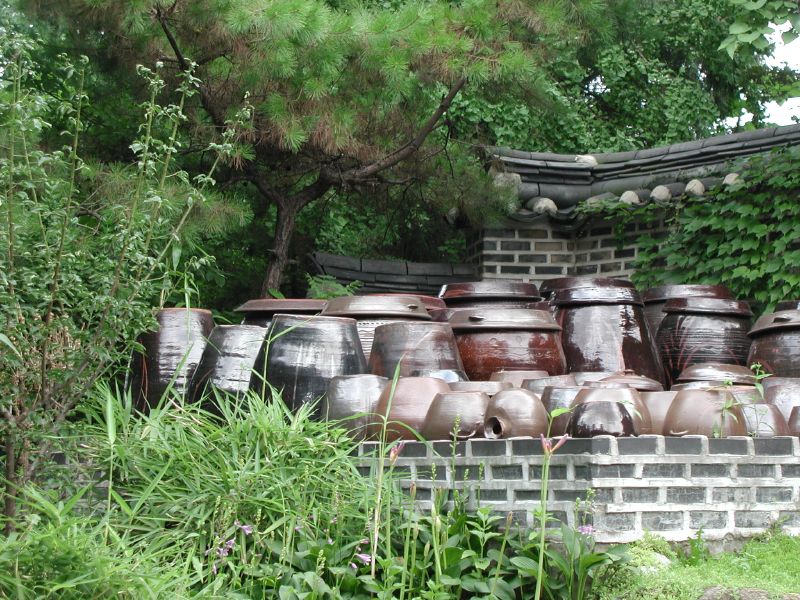 CC BY 2.0 · by Drab MakyoWorking with doenjangHow fermented soybean paste behaves in stew, marinade, and ssamjang.CC BY-SA 3.0 · User ZenKimchi on en.wikipediaWorking with gochujangHeat, sweetness, and why you fry it before you drown a sauce.CC BY-SA 3.0 · Marcel MontesKimchi as an ingredientWhen to eat it raw, when to stew it, when the brine is the seasoning.
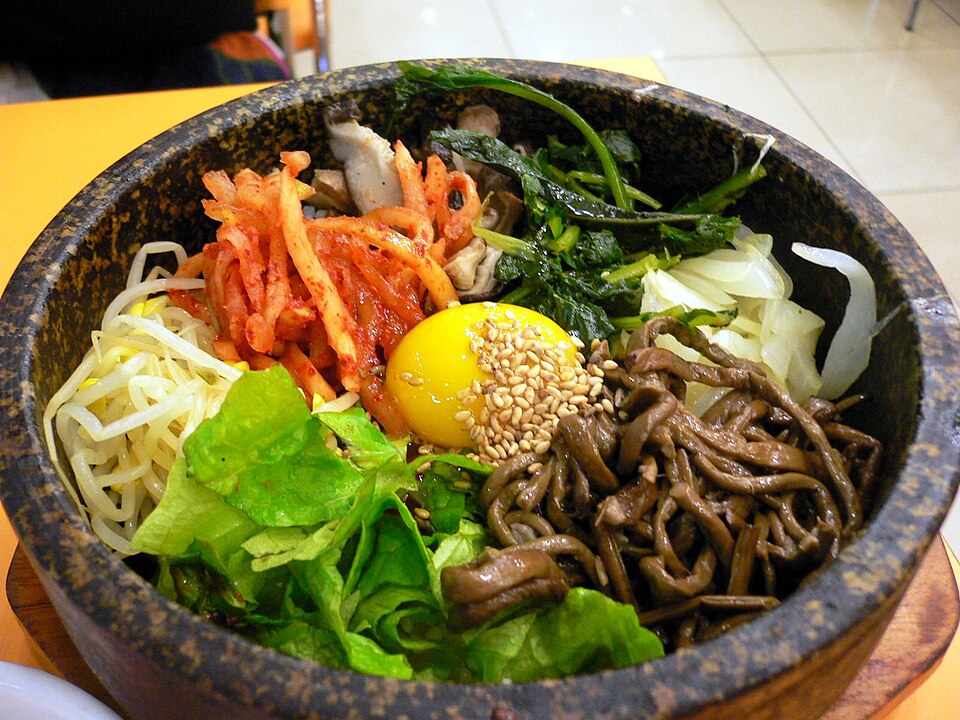 CC BY-SA 2.0 · abex (a flickr user)Cooking Korean riceShort-grain, rinse, soak, and the 1:1-ish water that actually works.CC BY-SA 2.0 kr · 국립국어원Banchan logicHow many sides, how they contrast, and what “refill” means.CC BY-SA 2.0 kr · 국립국어원Soup vs stew (국 / 찌개)Broth-forward 국 versus thick, shared 찌개 — how to season each.CC BY-SA 3.0 · Torsten Blanck, Cuora at en.wikipediaKorean BBQ at homePan vs grill, ventilation, and the wrap that is the meal.CC BY-SA 2.0 kr · 국립국어원Street-food techniquesHigh heat, sugar, chew — what pojangmacha food is doing.CC BY-SA 2.0 kr · 국립국어원Shopping listPantry to buy once, plus the ingredients you tapped on recipes.CC BY-SA 2.0 kr · 국립국어원Substitutions abroadNo H Mart — what you can swap without inventing a different cuisine.CC BY-SA 2.0 kr · 국립국어원Spice and heatGochugaru vs gochujang vs fresh chili — how Koreans actually turn the dial.CC BY-SA 2.0 kr · 국립국어원Vegetarian notesHidden anchovy, fish sauce, and the temple-food mindset.CC BY 2.0 · by Drab MakyoThe Korean pantryGanjang, vinegar, oils, and the two or three chili products you actually need.CC BY-SA 2.0 kr · 국립국어원Sundae (순대)Blood sausage with glass noodles — street snack or a bowl of 순대국.CC BY-SA 2.0 kr · 국립국어원Jokbal (족발)Soy-braised pig’s trotters — gelatinous, sliced, eaten with shrimp sauce and wraps.CC BY 2.0 · Norris WongKimchi-jeon (김치전)Sour kimchi pancake — the rainy-day jeon when you have leftover cabbage.CC BY 2.0 · Norris WongHaemul-pajeon (해물파전)Seafood scallion pancake — wider than weekday pajeon, built for sharing.CC BY-SA 2.0 kr · 국립국어원Kongguksu (콩국수)Iced soy-milk noodles — summer lunch that is not spicy on purpose.CC BY-SA 2.0 kr · 국립국어원Yukgaejang (육개장)Spicy shredded-beef soup — fernbrake, sprouts, and a red broth that wakes you up.CC BY-SA 2.0 kr · 국립국어원Tteokguk (떡국)Rice-cake soup for Seollal — you age a year when you finish the bowl.CC BY-SA 2.0 kr · 국립국어원Patbingsu (팥빙수)Shaved ice, sweet red beans, and milk — a summer bowl you can fake with a blender.CC BY-SA 2.0 kr · 국립국어원Gyeran-jjim (계란찜)Steamed egg custard — the banchan that tastes like a Korean diner.CC BY-SA 2.0 kr · 국립국어원Ssamjang and BBQ dipsThe three bowls next to the grill: ssamjang, sesame salt, and raw garlic.CC BY-SA 3.0 · User ZenKimchi on en.wikipediaMiyeok-guk (미역국)Birthday seaweed soup — mild, iron-dark, and not a punishment.CC BY-SA 3.0 · Torsten Blanck, Cuora at en.wikipediaGalbi-jjim (갈비찜)Soy-braised short ribs — weekend pot, sweet-savory gloss.CC BY-SA 3.0 · Torsten Blanck, Cuora at en.wikipediaJeyuk-bokkeum (제육볶음)Gochujang pork stir-fry — weeknight heat with lettuce wraps.CC BY-SA 3.0 · User ZenKimchi on en.wikipediaDakbokkeumtang (닭볶음탕)Spicy braised chicken with potato — the pot that looks redder than it is.CC BY-SA 2.0 · by johlEomuk / odeng (어묵)Fish-cake skewers in mild broth — the winter street pair with tteokbokki.CC BY-SA 2.0 · by johlTteok-kkochi (떡꼬치)Grilled rice-cake skewers with a sweet-spicy glaze.CC BY 2.0 · Norris WongGamja-jeon (감자전)Potato pancake — Gangwon’s answer to a rainy evening.CC BY 2.0 · Norris WongHobak-jeon (호박전)Pan-fried zucchini coins — the jeon that belongs on a jesa table and a weeknight plate.
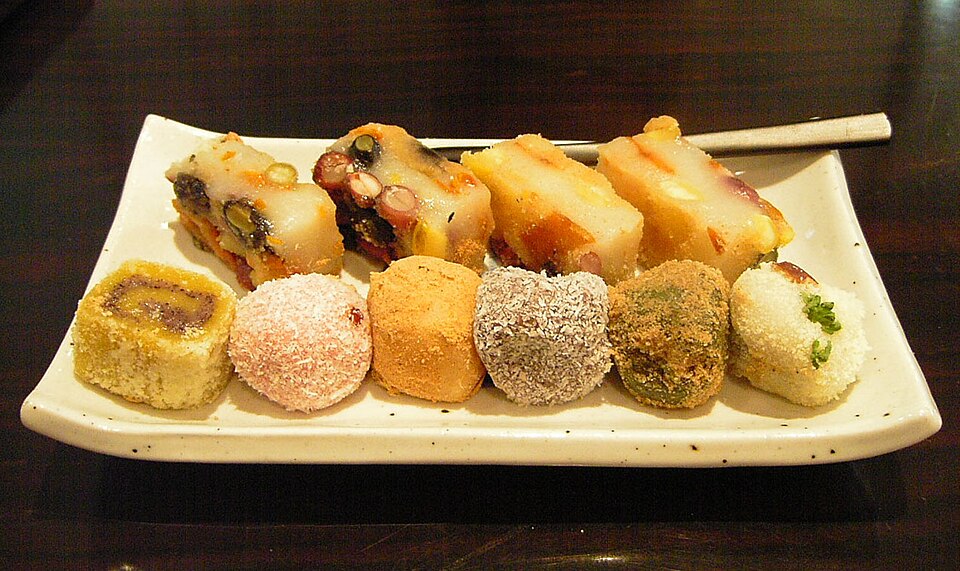 CC BY-SA 3.0 · user:takoradeeSongpyeon (송편)Half-moon Chuseok rice cakes — pine needles if you have them, a steamer if you do not.
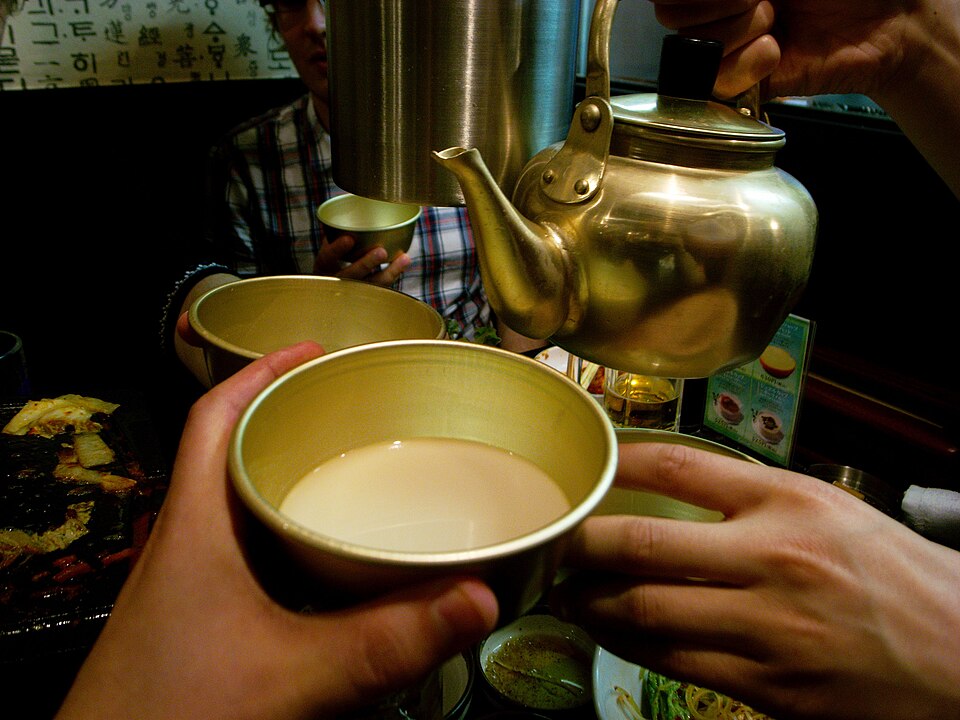 CC BY 2.0 · Jon Åslund from SwedenSikhye (식혜)Malted-rice punch — sweet, floating grains, the banquet closer.CC BY 2.0 · Jon Åslund from SwedenSujeonggwa (수정과)Cinnamon-persimmon punch — dark, cold, and the other banquet glass.CC BY-SA 3.0 · user:takoradeeInjeolmi (인절미)Chewy soybean-powdered tteok — the rice cake that coats your fingers.CC0 · Brücke-OsteuropaKimchi mandu (김치만두)Dumplings with sour kimchi in the filling — steam, pan-fry, or soup.CC BY-SA 3.0 · User ZenKimchi on en.wikipediaKongnamul-guk (콩나물국)Bean-sprout soup — hangover folklore and a 15-minute pot.CC BY 2.0 · Norris WongJeon basicsThe rainy-day fried pancake family — batter, oil, and a soy dip.CC BY-SA 2.0 kr · 국립국어원Setting a Korean tableRice left, soup right, shared banchan in the middle — then cook to fill the holes.