Learn Korean
Korean, in your language
한글 · 조사 · 생존 회화 · 퀴즈
Hangul, particles, honorifics, and survival phrases — explanations in 14 languages, examples always in 한글.
95lessons
14languages
9quizzes
Start with Hangul
Photos from Wikimedia Commons. License and author under each image.




Hangul
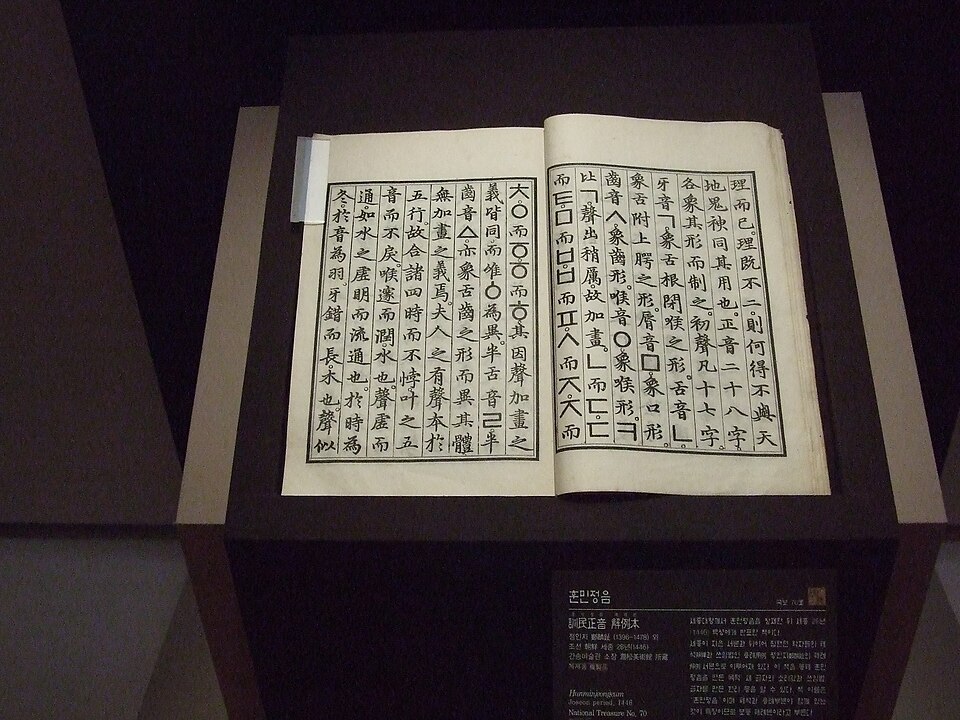
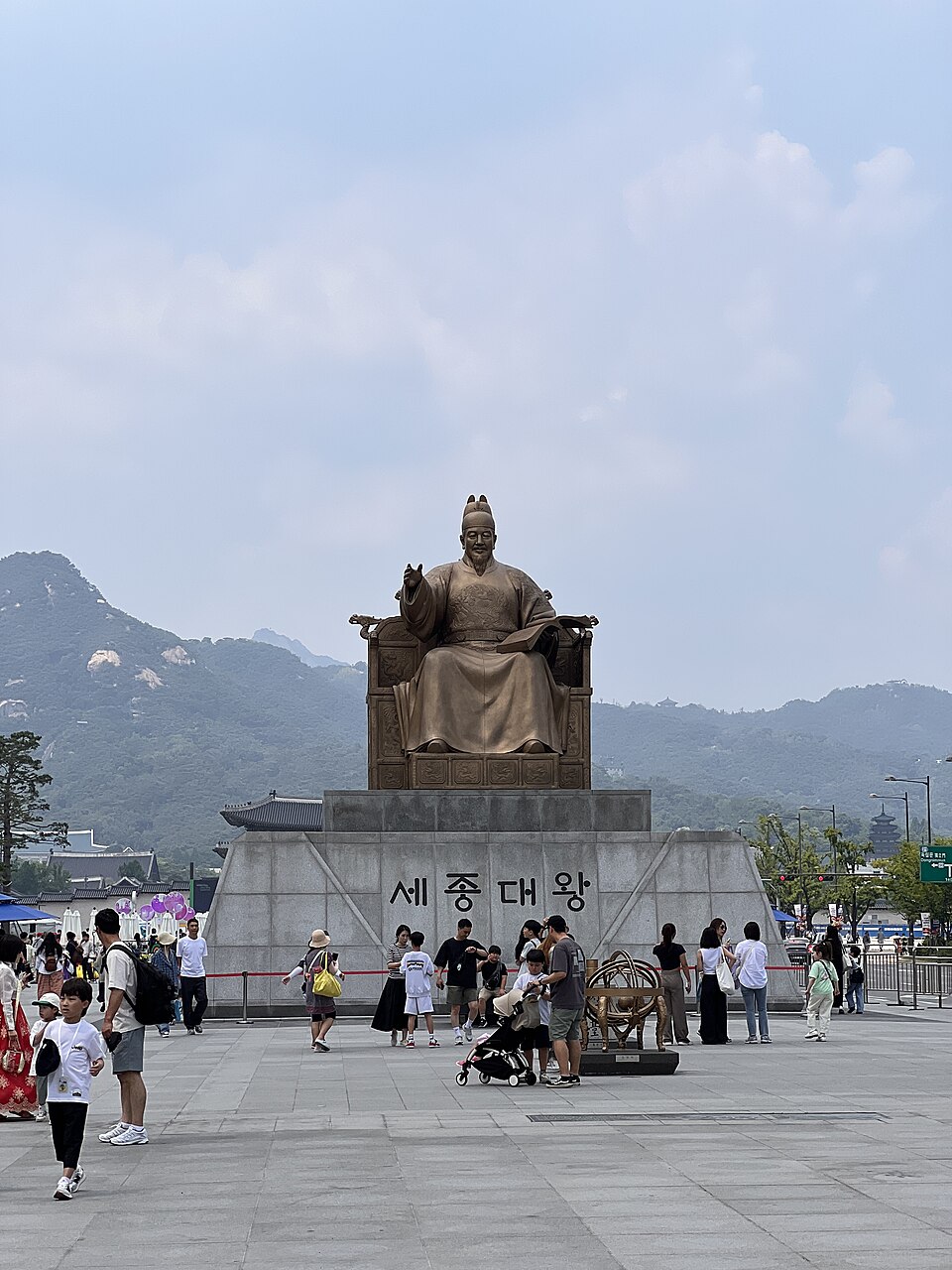
Public domain · Kbarends at English WikipediaHangul — the Korean alphabetHow 한글 is built: 19 consonants, 21 vowels, and syllable blocks you can read in a weekend. Public domain · ZabeKorean vowels (모음)Ten basic vowels and how ㅏ/ㅓ and ㅗ/ㅜ pairs stay distinct.Public domain · ZabeKorean consonants (자음)Plain, aspirated, and tensed stops — the three-way contrast English lacks.Public domain · ZabeBatchim — final consonantsHow 받침 works, the seven surface sounds, and liaison into the next syllable.Public domain · ZabeTensed consonants (된소리)ㄲ ㄸ ㅃ ㅆ ㅉ — tight, unaspirated, and easy to under-do if you copy English.Public domain · ZabeCompound vowelsㅐ/ㅔ, ㅘ/ㅝ, and ㅢ — the compounds that trip romanization.
 CC BY-SA 3.0 · 아흔~commonswikiRomanization — and when to ignore itRevised Romanization vs what you will see on signs, passports, and K-pop.Public domain · Kbarends at English WikipediaHow syllable blocks stackCV, CVC, and CVCC layouts — why 한 looks like a square.CC BY-SA 3.0 · 아흔~commonswikiWriting Hangul by handStroke order that keeps blocks readable, plus what “pretty” handwriting actually does.CC BY-SA 3.0 · 아흔~commonswikiSpacing and periodsWhy 먹을까요 looks glued, and where Korean actually puts spaces.
Grammar
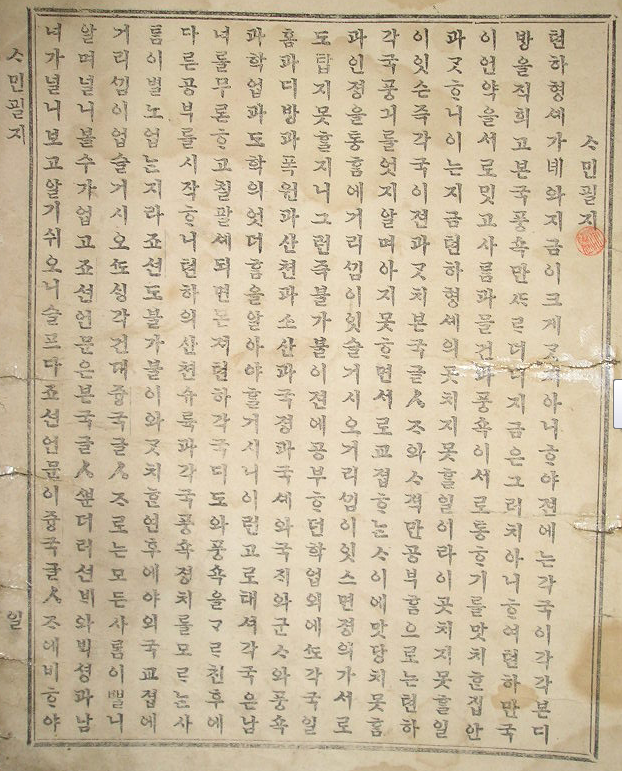 Public domain · Homer HulbertParticles — the map of a Korean sentenceTopic, subject, object, and place particles in one field guide.CC BY-SA 4.0 · Asadal은 / 는 — topic particleWhat you are talking about — contrast, scene-setting, and “as for…”.CC BY-SA 4.0 · Asadal이 / 가 — subject particleWho or what is doing the action — and why it is not the same as 은/는.CC BY-SA 4.0 · Asadal을 / 를 — object particleMarking what is eaten, seen, learned, or liked.CC BY-SA 4.0 · Asadal에 / 에서 — place and timeDestination vs where an action happens — the pair every traveler needs.CC BY-SA 4.0 · Ewong17Honorifics (높임법)Subject honorific -시-, humble verbs, and titles you will hear every hour.CC BY-SA 4.0 · AsadalSpeech levels — 해요체 and friendsPolite 요, formal 습니다, and when 반말 is safe.CC BY-SA 4.0 · AsadalVerb stems and the -요 endingHow 하다, 가다, and 먹다 become polite present tense.CC BY-SA 4.0 · AsadalDescriptive verbs (형용사)Korean “adjectives” conjugate like verbs — no separate “to be” for pretty/busy.CC BY-SA 4.0 · AsadalSino-Korean and native numbers둘 vs 이, 스물 vs 이십 — which set to use for age, time, and money.CC BY-SA 4.0 · AsadalCounters (단위 명사)개, 명, 잔, 권 — the small words after numbers.CC BY-SA 4.0 · AsadalPast and future-었어요, -(으)ㄹ 거예요, and the progressive 고 있어요.CC BY-SA 4.0 · AsadalSaying no — 안, -지 않다, 못Don’t vs can’t, and the short 안 that you will hear constantly.CC BY-SA 4.0 · AsadalQuestions — 까, 요, and question words뭐, 어디, 언제, 왜, 어떻게, 누구 — plus rising 요.CC BY-SA 4.0 · AsadalConnecting clauses — 고, 서, 지만And, so/after, and but — enough to tell a short story.CC BY-SA 4.0 · AsadalIrregular verbs (불규칙)ㄷ, ㅂ, 르, and 으-drop — the four patterns you meet in every café sentence.CC BY-SA 4.0 · AsadalWant and can (고 싶다 / 수 있다)Ask for what you want and say what you can do — two frames that unlock travel Korean.CC BY-SA 4.0 · AsadalGive and receive (주다 / 드리다)주세요 is the traveler’s Swiss army knife — and 드리다 is the honorific twin.CC BY-SA 4.0 · AsadalFrom and until (부터 / 까지)Time and space ranges: 9시부터, 서울까지, and the 에서 overlap.CC BY-SA 4.0 · AsadalAlso and only (도 / 만)도 stacks “me too”; 만 narrows to “only this” — both replace the usual case particle.CC BY-SA 4.0 · AsadalComparatives (보다 / 더)A보다 B가 더 — menus, weather, and “which is cheaper.”CC BY-SA 4.0 · AsadalDates and moneyRead a receipt, a ticket date, and 만 원 without guessing the zeros.Public domain · Homer HulbertIf and when (으면)The everyday “if/when” ending — 비가 오면, 시간 있으면.Public domain · Homer HulbertBecause (아서 / 으니까)Two “because” endings — 아서 for sequence, 으니까 for reason and commands.Public domain · Homer HulbertTry it (아/어 보다)아/어 보세요 — the polite way to suggest tasting, visiting, or attempting.Public domain · Homer HulbertIn progress (고 있다)먹고 있어요 — what is happening right now, not a simple habit.Public domain · Homer HulbertFuture (ㄹ 거예요)내일 갈 거예요 — a plan or prediction, plus 을게요 for a promise.Public domain · Homer HulbertPermission (아도 되다)들어가도 돼요? — may I, and 하면 안 돼요 for must not.Public domain · Homer HulbertHave to (아야 하다)해야 해요 — obligation without sounding like a military order.Public domain · Homer HulbertTelling timeNative hours, Sino minutes — 세 시 십오 분.CC BY-SA 4.0 · Ewong17Honorifics drill시, 드시다, 계시다 — swap the verb, not just add 요.
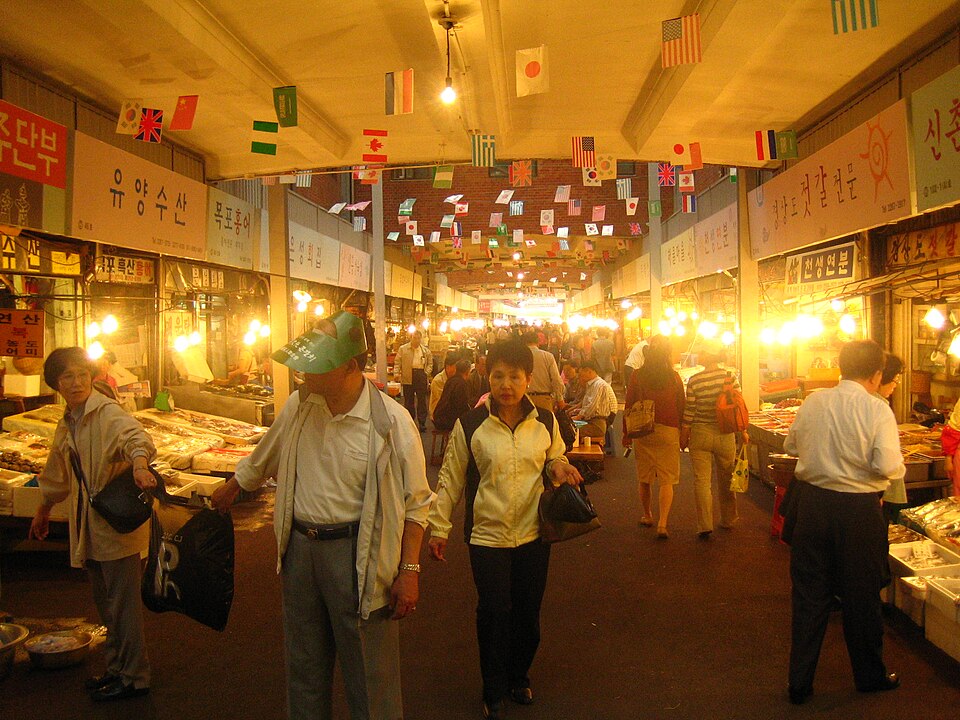 CC BY-SA 2.0 · ayustetyShopping numbersSino money, native counters — 세 개, 만 원, 할인.
Phrases
CC BY-SA 4.0 · Ewong17Survival phrases — start hereA short stack you can use the hour you land, with Hangul first.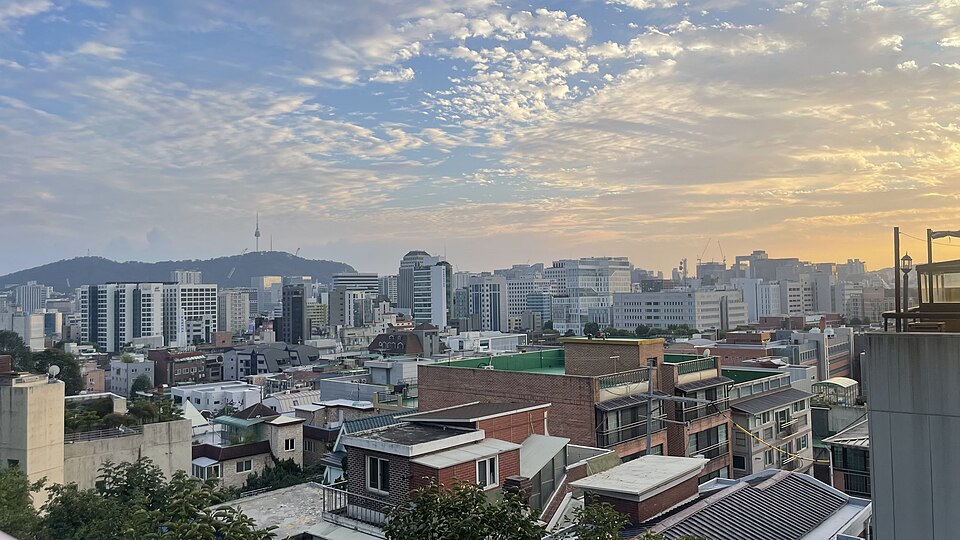 CC0 · Myamin39Airport KoreanImmigration, bags, SIM, and AREX — phrases that match Incheon reality.CC BY-SA 4.0 · AsadalRestaurant KoreanOrdering, spice, water, and the bill — plus 여기요 without shouting.
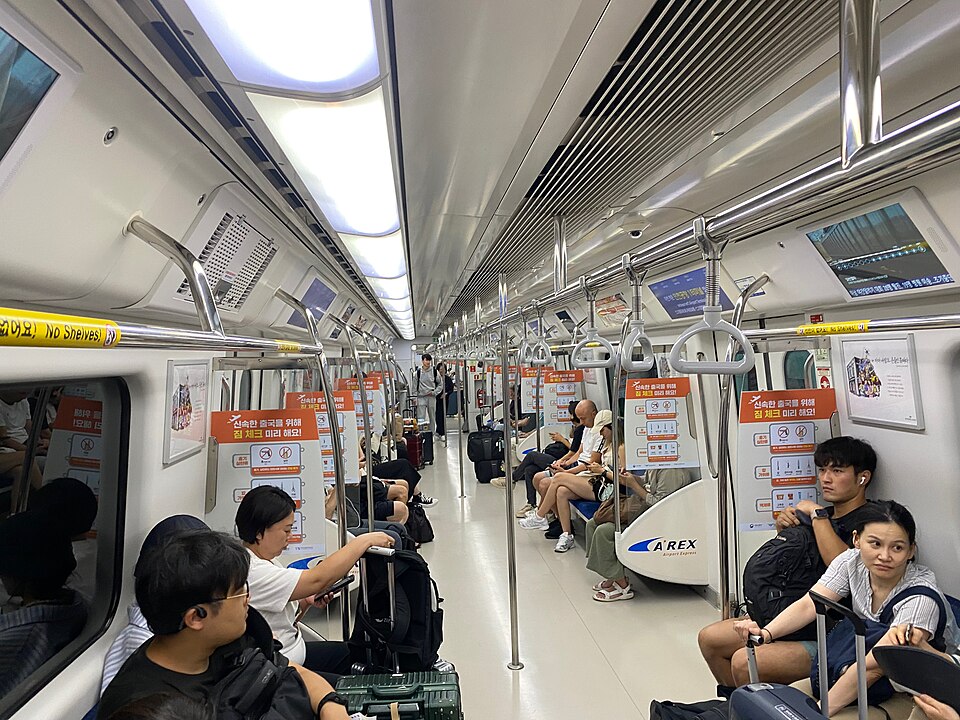 CC BY-SA 4.0 · SgroeySubway and bus KoreanLines, exits, T-money, and “which way is exit 4?”CC0 · Myamin39Hotel and guesthouse KoreanCheck-in, Wi-Fi, luggage, and “too small / too cold”.CC BY-SA 2.0 · ayustetyShopping KoreanSizes, colors, trying on, and card-or-cash without mime.CC0 · Myamin39Emergency and pharmacy Korean112, 119, pharmacies, and “I have an allergy.”
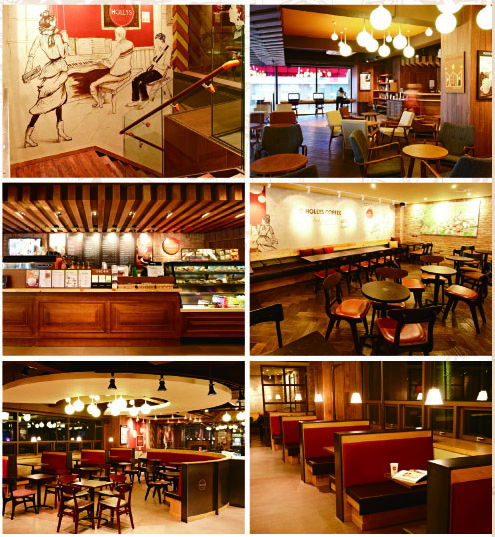 CC BY-SA 3.0 · HollysCoffeeCafé KoreanIce, takeout, seats, and the English menu that still wants Korean sizes.
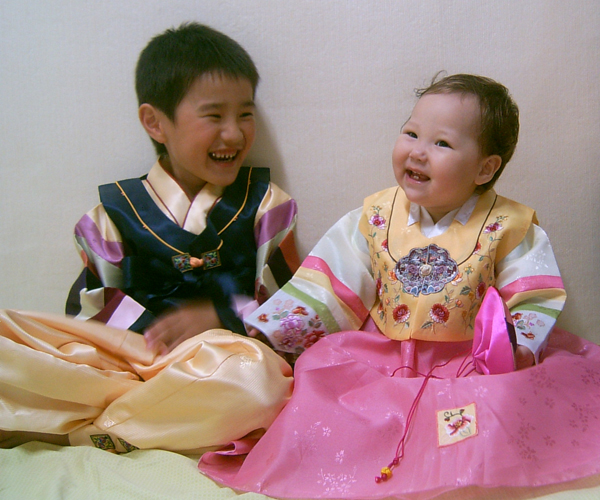 CC BY-SA 3.0 · Kbarends at Dutch WikipediaGreetings and leave-takings안녕하세요 vs 안녕, and the pair 가세요 / 계세요.CC0 · Myamin39Hospital phrasesTriage Korean: symptoms, pharmacy follow-up, and “I have insurance.”CC0 · Myamin39Pharmacy phrases약사, 처방전, and asking for something for a cold without a diagnosis lecture.CC BY-SA 2.0 · ayustetyConvenience-store phrases삼각김밥, 봉지, and paying at CU / GS25 / 세븐일레븐.CC0 · Myamin39Taxi phrasesKakao T is easier, but the back-seat script still matters.CC0 · Myamin39Address and phoneRead a Korean address line and dictate digits without mixing 4 and 9.CC0 · Myamin39Bank phrases환전, 계좌, and asking for the machine that talks English.CC0 · Myamin39Post office phrases택배 vs 항공 — send a box home without guessing the counter.CC BY-SA 3.0 · Kbarends at Dutch WikipediaSalon phrases앞머리, 살짝, and showing a photo when vocabulary fails.CC0 · Myamin39Cinema phrases예매, 자막, and asking for a seat not in the front row.CC BY-SA 3.0 · Kbarends at Dutch WikipediaCompliments잘했어요 and 멋있어요 — praise that does not sound sarcastic.CC BY-SA 3.0 · Kbarends at Dutch WikipediaApologies죄송합니다 vs 미안해요 — match the size of the mistake.CC BY-SA 4.0 · Ewong17Introductions이름, 어디 사람, 직업 — a 20-second self-intro that stays 해요체.
Vocabulary
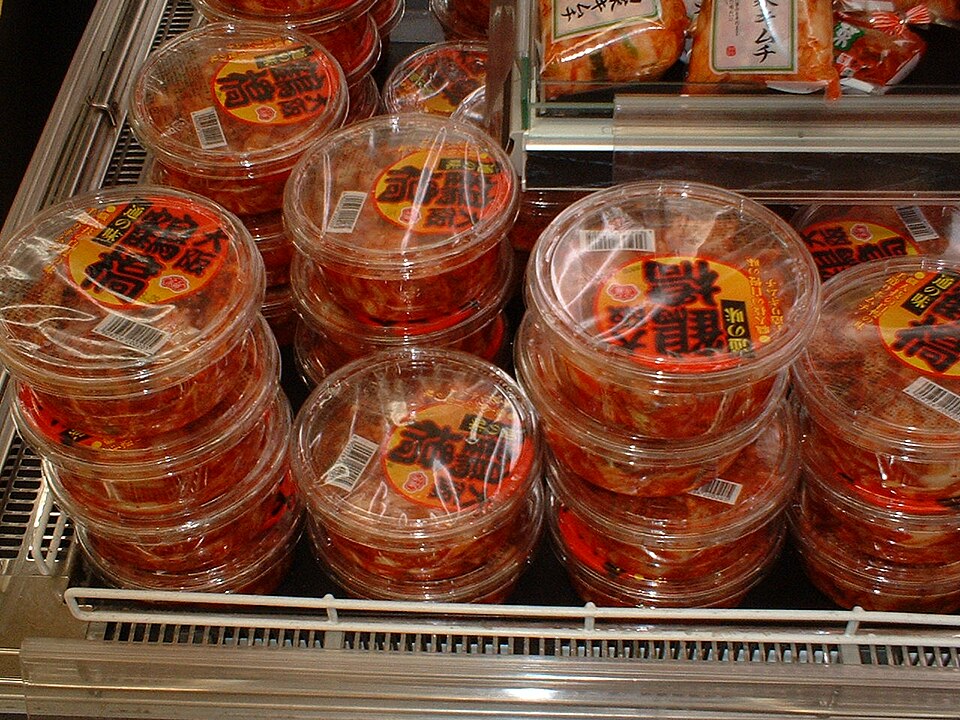 CC BY-SA 3.0 · Marcel MontesFood vocabularyRice, stew, spice, and the words on every menu board.CC0 · Myamin39Travel vocabularyTickets, stations, hotels, and “lost”.CC BY-SA 3.0 · Kbarends at Dutch WikipediaK-pop fan vocabulary컴백, 직캠, 덕질 — words fans actually type.CC BY-SA 3.0 · PenmerahpenbiruDaily life vocabularyHome, phone, weather small-talk, and convenience-store verbs.CC BY-SA 3.0 · PenmerahpenbiruFamily words형/오빠, 누나/언니 — siblings depend on the speaker’s gender.CC BY-SA 3.0 · PenmerahpenbiruTime and calendar wordsNative hours, Sino minutes, and 오늘/내일/어제.CC BY-SA 3.0 · PenmerahpenbiruColors빨강, 파랑, and the -색 ending on clothes tags.CC BY-SA 3.0 · PenmerahpenbiruWeather wordsThe small-talk that opens half of Korean conversations.CC BY-SA 3.0 · PenmerahpenbiruSchool words교실, 숙제, and the campus words K-drama students actually say.CC BY-SA 3.0 · PenmerahpenbiruWork words회사, 야근, and polite ways to leave a meeting.CC BY-SA 3.0 · PenmerahpenbiruFeeling words기쁘다 to 피곤하다 — adjectives that conjugate like verbs.CC BY-SA 3.0 · Kbarends at Dutch WikipediaBody words머리 to 발 — the nouns you need at a clinic or a salon.CC BY-SA 3.0 · Kbarends at Dutch WikipediaClothes words사이즈, 입어 보다, and the names of what you are pointing at.CC BY-SA 3.0 · PenmerahpenbiruAnimal words강아지, 고양이, and the animals on children’s menus and signs.CC BY-SA 3.0 · PenmerahpenbiruHome words방, 화장실, 부엌 — rent a room or ask where the bathroom is.CC BY-SA 4.0 · SgroeyTransport words버스, 지하철, 환승 — the nouns on every Seoul sign.CC0 · Myamin39Sports words축구 to 등산 — weekend Korean is half mountains, half gym.CC BY-SA 4.0 · AsadalNature words산, 강, 바다 — the words on every weekend plan.Public domain · Homer HulbertHow to use this Korean hubA sensible order: hangul → particles → phrases → quizzes, with Hangul always on.Public domain · Kbarends at English WikipediaListening tipsCatch 요, particles, and numbers in fast Seoul speech without freezing.Public domain · Kbarends at English WikipediaHow to hear Korean herePlay buttons use your browser’s Korean voice — no account, no key.
Quizzes
Public domain · Kbarends at English WikipediaHangul checkMatch letters and syllable reading. Score saves in this browser.Public domain · Kbarends at English WikipediaParticles checkPick the particle that fits. Progress stays on this device.Public domain · Kbarends at English WikipediaPhrase checkWhat would you say? Hangul stays; explanations follow your UI language.Public domain · Kbarends at English WikipediaVocab checkFood, travel, and daily words — tap the meaning.Public domain · Kbarends at English WikipediaHonorifics checkPick the polite form. Scores stay in this browser.Public domain · Kbarends at English WikipediaListen — HangulHear the syllable, then choose. Uses your browser’s Korean voice.Public domain · Kbarends at English WikipediaListen — phrasesHear the line you would actually say at a counter.Public domain · Kbarends at English WikipediaNumbers checkNative hours vs Sino money — tap the reading.Public domain · Kbarends at English WikipediaTime & permissionPlans, clocks, and 아도 돼요.ProgressScores on this deviceSearchAll lessons