
1. The Big Picture: Market Scale & Context
Global Market Size & Growth Drivers
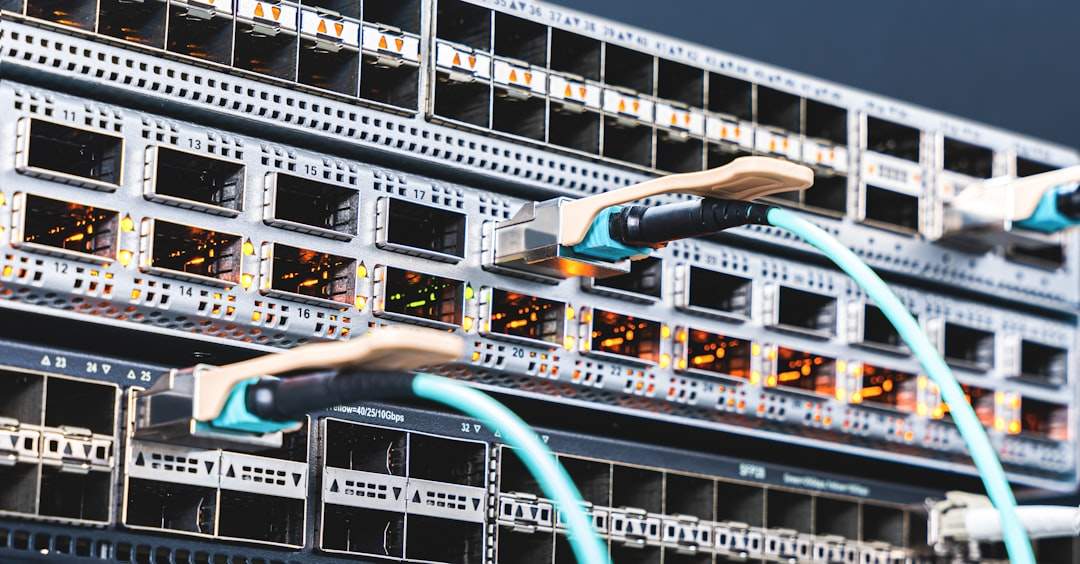
The global demand for AI data centers is surging, with market projections suggesting a compound annual growth rate (CAGR) exceeding 25% through the end of the decade, potentially reaching hundreds of billions of dollars. This expansion is driven primarily by the proliferation of large language models (LLMs) and advanced AI applications that require immense computational power, placing unprecedented strain on existing energy grids and sustainability commitments. Companies like Microsoft, Google, and Amazon are pouring billions into new facilities, yet the environmental cost of powering these increasingly dense server racks is becoming a critical concern for investors and regulators alike, as reported by Reuters.
This escalating consumption fuels a technology arms race in energy efficiency, where innovations in cooling, power distribution, and renewable energy integration are no longer mere differentiators but existential necessities for major tech players. Governments, increasingly aware of the climate impact, are also beginning to implement stricter energy efficiency standards and carbon reduction targets for industrial-scale facilities, further accelerating the push for sustainable data center designs.
Korea’s Strategic Position
South Korea, a manufacturing powerhouse and a leader in digital infrastructure, finds itself in a unique position amidst this global trend. While its domestic market is smaller than those of the U.S. or China, Korean players are foundational to the global AI supply chain, particularly through memory chip giants like SK hynix and advanced foundry services from Samsung Foundry. This robust hardware ecosystem provides a fertile ground for developing and testing advanced data center technologies.
On the ground, government initiatives in areas like Pangyo Techno Valley and the newly established Sejong Digital Innovation Hub are fostering domestic innovation in cloud computing and AI. These clusters encourage collaboration between tech companies and research institutions, creating specialized expertise that can be leveraged for highly efficient infrastructure development, particularly within localized supply chains that support key enterprises.
2. Company Deep-Dive: Naver Cloud
Business Model & Revenue Drivers
Naver Cloud, a subsidiary of South Korea’s dominant internet company, Naver Corporation, provides a comprehensive suite of cloud services ranging from Infrastructure-as-a-Service (IaaS) to Platform-as-a-Service (PaaS) and Software-as-a-Service (SaaS). Its revenue primarily stems from enterprise customers, government contracts, and supporting Naver’s own vast array of services, including its search engine, e-commerce platforms, and the HyperCLOVA X large language model. Unlike global hyperscalers that often prioritize market share expansion at all costs, Naver Cloud has cultivated a strong domestic presence, with a significant portion of its revenue derived from Korean businesses and public institutions.
This focus allows Naver Cloud to tailor its offerings to local market needs while also benefiting from a deeply integrated ecosystem that includes partnerships with key hardware providers like SK hynix for advanced memory chips and leveraging domestic talent. The company’s AI initiatives, such as its HyperCLOVA X model, are not merely consumer-facing products but also powerful internal tools that demand robust and efficient Naver AI infrastructure, making its data center investments strategic rather than purely commercial. For a deeper look at the memory components powering such advancements, one might consider SK hynix’s role in AI memory revolution.
Recent Strategic Moves
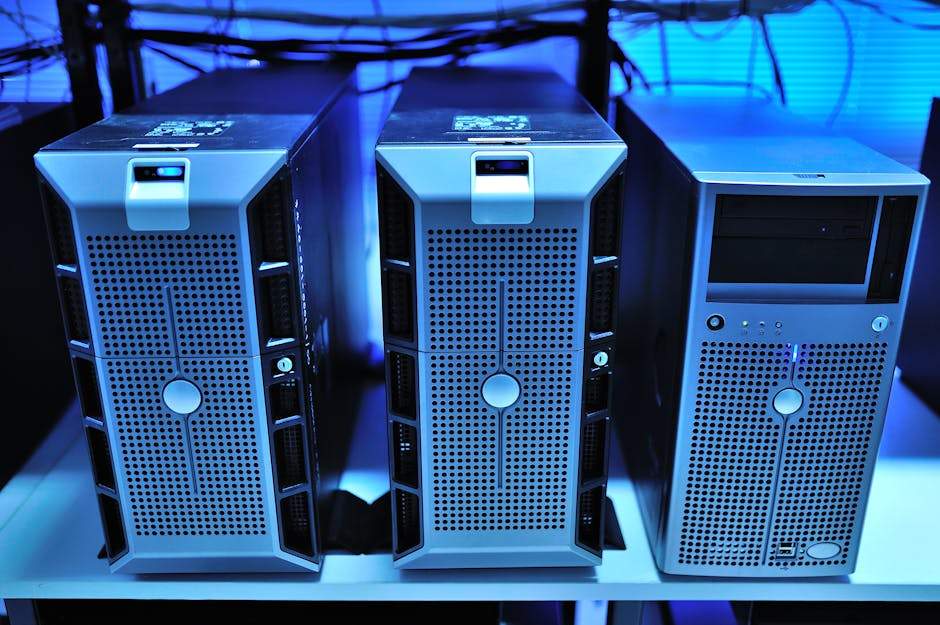
Naver Cloud has made a quiet, yet significant, strategic move by developing and deploying its second hyperscale data center, “각 세종” (Gak Sejong), which commenced operations in late 2023 in Sejong City. This facility is a testament to the company’s long-term commitment to sustainable data centers and efficient AI infrastructure. It integrates advanced cooling technologies, including indirect evaporative cooling and a sophisticated airflow management system, to achieve a Power Usage Effectiveness (PUE) as low as 1.09. This figure significantly undercuts the global industry average, which often hovers between 1.5 and 1.8 for comparable facilities.
The design of Gak Sejong emphasizes modularity and scalability, allowing Naver Cloud to rapidly expand capacity for its AI workloads, including the computationally intensive HyperCLOVA X. The data center also incorporates renewable energy sources and a smart energy management system, aiming to minimize its carbon footprint while accommodating the increasing power requirements of high-density AI servers. This investment signals Naver’s intent to differentiate itself not just on AI model performance, but on the underlying operational efficiency.

Competitive Positioning
Compared to global hyperscalers like AWS, Azure, and Google Cloud, Naver Cloud remains a relatively smaller player in terms of global reach and market share. However, its competitive edge lies in its deep domestic market penetration and its early, focused investment in hyper-efficient data center design. While global giants are retrofitting older facilities or building new ones under intense pressure to meet sustainability targets, Naver has been designing for optimal energy efficiency from the ground up for years, exemplified by its first data center, Gak Chuncheon, which opened in 2013 with a PUE of 1.09.
Domestically, Naver Cloud competes primarily with Kakao’s cloud offerings and local branches of international players. Its advanced infrastructure, particularly its sustainable data centers, provides a tangible advantage when pitching to environmentally conscious enterprises and public sector clients in South Korea. The challenge, however, remains translating this domestic efficiency leadership into a broader international presence, where scaling and brand recognition are formidable barriers.
3. Risks, Headwinds & What Could Go Wrong
Near-Term Pressure Points
In the near term, Naver Cloud faces pressures from global macroeconomic trends. The elevated US Fed Funds Rate, currently at 3.64, translates into higher borrowing costs for capital expenditure, potentially impacting future expansion plans. The volatile USD/KRW exchange rate, presently around 1477.22, also presents a challenge, making imported hardware components more expensive and potentially affecting profitability margins for services priced in local currency.
Moreover, energy prices, while managed through efficiency, remain a significant operational expense. Any sharp increases in electricity costs in South Korea could erode the cost advantages gained from Naver Cloud’s hyper-efficient designs, particularly if renewable energy sources don’t scale fast enough to meet demand.
Structural Challenges to Watch
Longer-term, the pace of AI hardware innovation could present a structural challenge. As new generations of GPUs and specialized AI chips (like those from Samsung Foundry) emerge with even higher power densities, maintaining ultra-low PUE figures will require continuous, significant investment in R&D for cooling and power management systems. This ongoing capital expenditure could strain resources if revenue growth doesn’t keep pace.
Furthermore, the talent pool for highly specialized data center engineers, particularly those proficient in advanced thermal dynamics and AI infrastructure optimization, remains competitive globally. Naver Cloud will need to continually invest in attracting and retaining top talent to maintain its technological lead in sustainable data centers, especially as larger global players intensify their own efficiency efforts.
4. Catalysts to Watch in the Next 12 Months
Several catalysts could shape Naver Cloud’s trajectory in the coming year. A key one will be the broader adoption rate of HyperCLOVA X by enterprise clients and its integration into new Naver services, which would directly increase demand for its efficient AI infrastructure. Should the company announce further expansions of its Gak Sejong facility or new data center projects, it would signal continued confidence in its sustainable model and potentially attract international attention for its Korean cloud efficiency.
Another catalyst to watch includes potential partnerships with global tech firms seeking to leverage Naver’s expertise in hyper-efficient data center design for their own regional operations. If global energy costs continue their upward trend, Naver Cloud’s proven low PUE could become an even more compelling competitive advantage. Regulatory developments in South Korea concerning data center energy consumption, should they tighten, would also favor Naver’s existing infrastructure.
Frequently Asked Questions
A1. Naver’s AI infrastructure, particularly its HyperCLOVA X model, is powered by data centers designed from the ground up for extreme energy efficiency. Its Gak Sejong facility, for instance, operates with a PUE as low as 1.09, achieved through advanced cooling systems and intelligent power management. This proactive approach significantly reduces the energy footprint typically associated with high-performance AI computation.
A2. Naver Cloud’s achievements in data center efficiency provide a proven model for how to scale AI while mitigating its environmental impact. It suggests that specialized designs, rather than just brute-force expansion, are crucial for future sustainability. This could pressure global tech giants to adopt more aggressive energy-saving measures, influencing industry benchmarks and R&D priorities in cooling technologies. For more insights into broader tech trends, explore the K-Tech & Gadgets section.
A3. Naver Cloud leverages several proprietary technologies to achieve its high Korean cloud efficiency. These include indirect evaporative cooling systems, which use outside air to cool servers without direct contact, and advanced airflow management within server racks to prevent hot spots. Additionally, their data centers integrate intelligent energy management software that optimizes power distribution and server utilization in real-time.

Hi, I’m Dokyung, a Seoul-based tech and economy enthusiast. South Korea is at the forefront of global innovation—from cutting-edge semiconductors to next-gen defense technology. My mission is to translate these complex industry shifts into clear, actionable insights and everyday magic for global readers and investors.