
1. Global Trigger: The Macro Shift
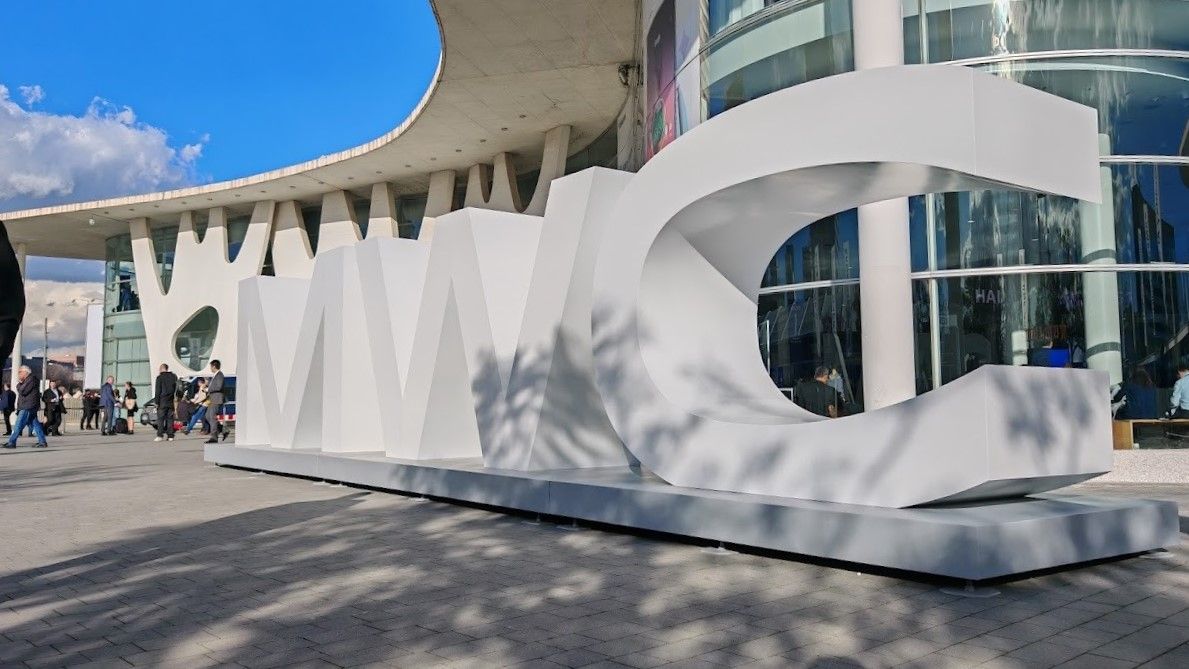
The global economic narrative is being forcefully dominated by scarcity, specifically within the high-bandwidth memory (HBM/DRAM) sector. MWC 2026 confirmed that while AI advancement drives unprecedented component demand, the resulting memory cost inflation is now directly threatening consumer electronics markets. The industry is seeing price increases of up to sextuple in some chip categories.
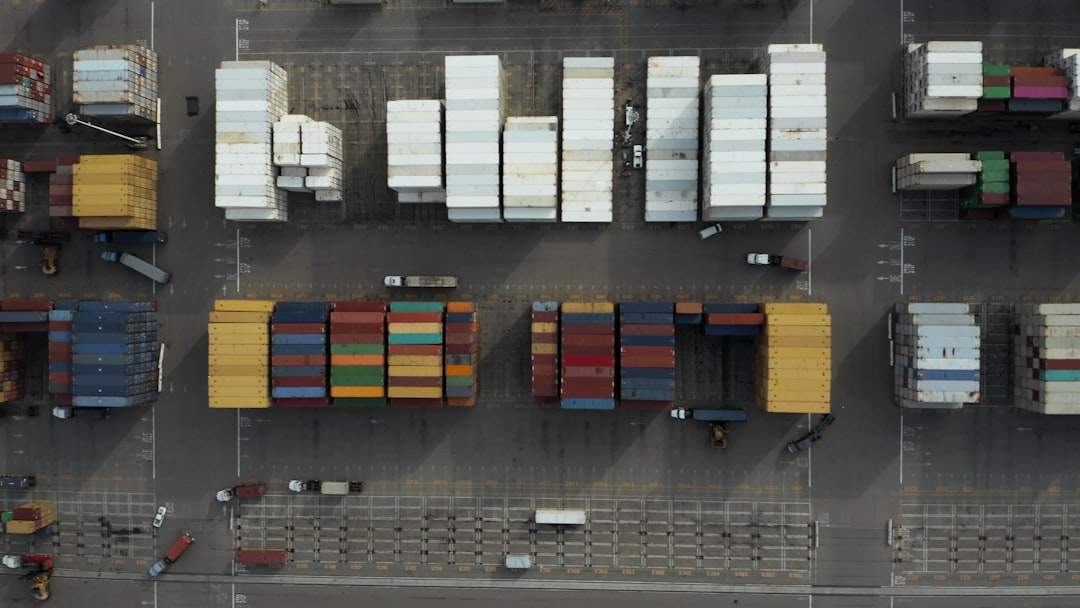
This hardware crunch is overlaid on a volatile macroeconomic backdrop. The US Federal Funds Rate remains elevated at 3.64%, putting pressure on corporate debt servicing, while the USD/KRW rate stands at 1482.98, marginally favoring exporters but amplifying input cost inflation in USD terms. Furthermore, geopolitical instability in the Middle East is driving up energy costs and forcing shipping reroutes, acting as a hidden inflationary tax on all physical trade flows.
Source: Global Intelligence Feed
2. Geopolitical Context: The Hidden Agenda
Supply chain fragmentation is no longer just about tariffs; it is about strategic resource denial and ‘friend-shoring’ driven by technological supremacy. China’s warning regarding Nexperia being cut off from SAP illustrates the accelerating weaponization of software and IP access, a critical vulnerability for globally integrated firms. The goal is to establish self-reliant, trusted ecosystems.
The memory shortage functions as an unintentional, yet highly effective, geopolitical tool. By diverting the primary supply of high-end memory to AI data centers (often US-aligned or aggressively building domestic AI capacity), the market constrains production for mass-market consumer goods, such as budget smartphones—a segment heavily reliant on emerging markets growth. This effectively raises the entry barrier for competitors lacking direct access to leading-edge memory fabrication capacity. The chaos surrounding energy supply, with Russia seeing renewed demand due to the Iran conflict, reinforces the necessity for supply chain resiliency over pure cost optimization, a paradigm shift that Korean exporters must internalize. We are seeing a clear bifurcation between AI-preferred supply chains and traditional commercial chains.
3. Korea’s Position: Dilemma & Opportunity
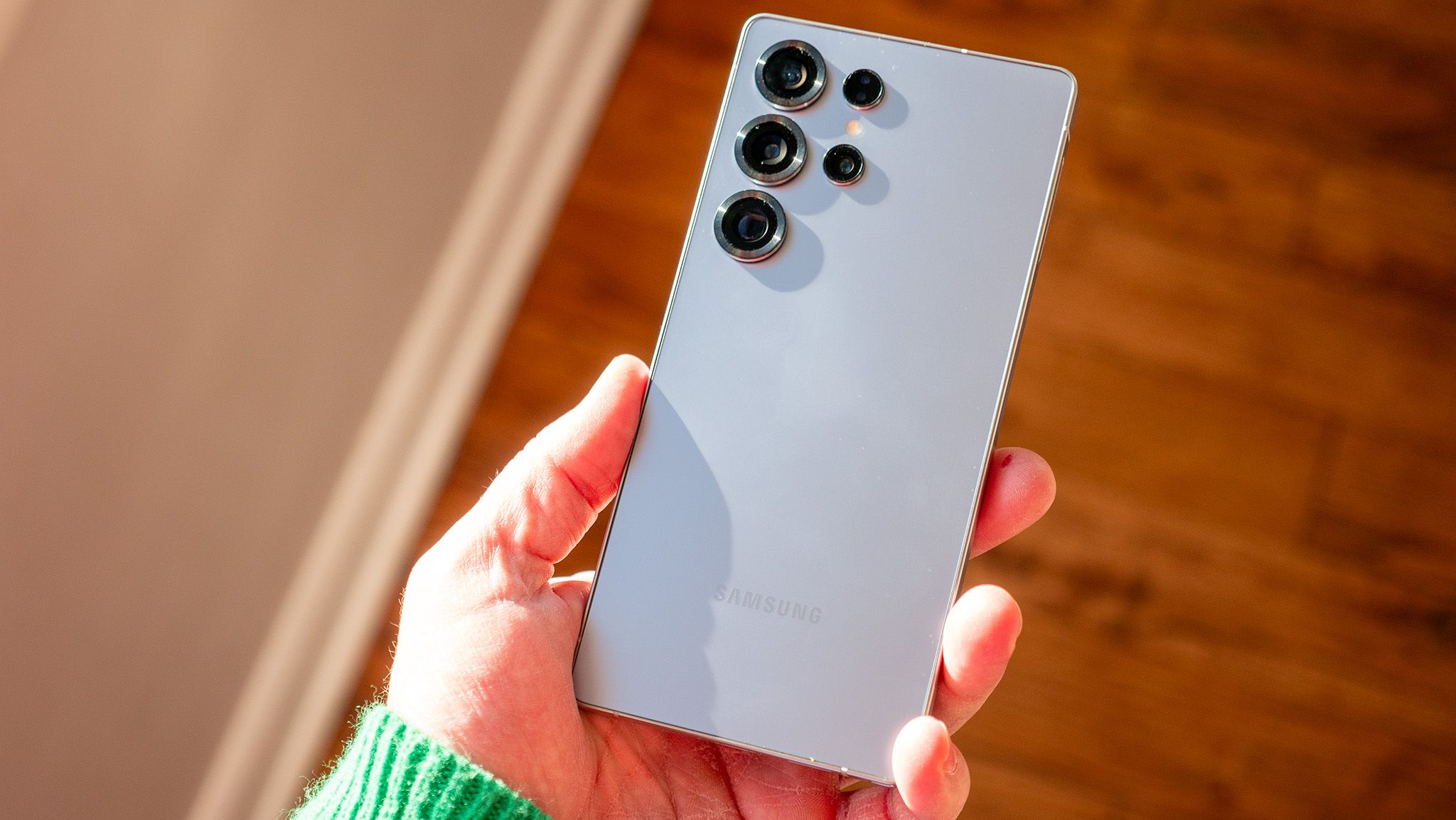
For South Korean conglomerates, the current environment presents a classic G2 crossfire scenario. The primary risk is margin erosion in downstream businesses, as evidenced by the forecast 13% decline in global smartphone shipments for 2026. Samsung’s S26 launch is thus critical—it must successfully pass input cost inflation onto consumers without sacrificing market share to lower-spec competitors.
The overwhelming opportunity lies upstream. Korean firms dominate memory manufacturing. The AI-driven demand ensures that memory producers can dictate terms, securing long-term, high-margin contracts with hyperscalers, effectively creating an artificial moat around their pricing power. Furthermore, the increasing focus on satellite connectivity and advanced foldable form factors (highlighted at MWC) requires sophisticated component integration, a core competency where Korean firms maintain a technological lead over many rivals. Hedging against supply chain attacks requires accelerating investment in domestic/near-shore component redundancy, possibly via diversified manufacturing footprints.
| Macro Variable | Global Impact | South Korean Exposure |
|---|---|---|
| Memory Price Surge (x6) | Accelerated AI buildout, consumer electronics contraction. | Massive margin capture for memory divisions; significant downside risk for finished goods assembly. |
| USD/KRW (1482.98) | Export revenue translation gains; higher cost of USD-denominated raw materials. | Net positive for large exporters like KOSPI 200 members, provided they manage commodity hedging. |
Source: Global Intelligence Feed
4. Portfolio Shift: Tactical Moves for Investors
Individual investors must adopt a clear long/short structure based on the component-to-assembly bifurcation. Long exposure should target Tier-1 memory manufacturers who benefit directly from the AI arms race and have the pricing leverage to overcome component cost hikes. These firms are insulated by their captive demand.
Conversely, shorting or underweighting companies deeply entrenched in highly commoditized, low-margin assembly sectors (like budget smartphones or white goods suffering component shortages) is prudent. Their ability to manage the “AI Tax” embedded in their BoM will determine survival. Regarding currency, the high USD/KRW rate suggests maintaining overweight exposure to USD-earning assets, though tactical hedging against a potential Fed pivot (if inflation moderates) must be considered via derivative instruments. Any major geopolitical de-escalation could see the KRW strengthen rapidly back toward the 1350 handle, eroding exporter margins overnight—hence the need for FX risk management.
📊 Sector Impact Forecast
Top 5 Strategic FAQs for Investors
A1. For maximizing immediate profitability and signaling market strength against the backdrop of the memory crisis, they should prioritize high-margin external sales while securing necessary internal supply via long-term, fixed-price contracts to stabilize S26 production costs.
A2. The primary impact is through increased volatility in energy futures and higher global insurance/freight rates, directly impacting the cost structure of all South Korean exports, irrespective of their final destination. This necessitates robust commodity hedging strategies, as seen by the surge in gold prices to $2,135/oz.
A3. The rate signals persistent inflation and tight liquidity, which benefits the USD strength (a boon for KRW exporters’ revenue). However, it increases borrowing costs for capital-intensive infrastructure upgrades needed for supply chain diversification, requiring careful balance sheet management.
A4. This signals an increased risk of software/IP control being used as a coercive trade tool. Korean firms reliant on Chinese integration or specific US enterprise software must accelerate parallel development tracks to mitigate vendor lock-in risks, focusing on cyber resilience.
A5. Not permanent, but structural while memory remains constrained. The decline is concentrated in mid-range and budget segments. Investors should favor premium OEMs who can absorb the AI tax and maintain ASPs, as these segments are insulated by AI feature differentiation.

Source: Global Intelligence Feed
Korean conglomerates must execute a dual strategy: maximizing returns from their existing semiconductor dominance while structurally decoupling non-critical assembly operations from regions facing acute geopolitical volatility, thereby transforming current supply chain risk into fortified competitive advantage.

Hi, I’m Dokyung, a Seoul-based tech and economy enthusiast. South Korea is at the forefront of global innovation—from cutting-edge semiconductors to next-gen defense technology. My mission is to translate these complex industry shifts into clear, actionable insights and everyday magic for global readers and investors.