
⚡ The 30-Second Summary
- The global Korean food market, valued at approximately $14.5 billion in 2025, is projected to surge past $25 billion by 2030, driven by increasing international demand.
- Beyond popular K-BBQ, traditional dishes like Kimchi Jjigae, Bibimbap, and fermented staples offer a rich, diverse culinary experience rooted in centuries of history and health-conscious practices.
- The future of K-Food involves innovative fusion, sustainable practices, and strategic global expansion, focusing on authenticity while adapting to diverse palates and maintaining its unique cultural identity.
1. The Current Landscape
Global Context of K-Food’s Ascendance
The global Korean food market has demonstrated remarkable growth, with recent analyses estimating its value at around $14.5 billion in 2025 and projecting a compound annual growth rate (CAGR) of 11.8% to reach over $25 billion by 2030. This surge is largely attributed to the expanding global appeal of Korean culture, often referred to as Hallyu or the Korean Wave.
Once considered a niche cuisine, Korean food has transitioned into a mainstream culinary phenomenon across continents. Major cities from New York to London and Sydney now feature a proliferation of Korean restaurants, supermarkets, and food festivals, catering to an increasingly diverse and curious palate.
The ubiquity of Korean content, from K-dramas to K-pop music, has played a significant role in introducing international audiences to various Korean dishes. Scenes featuring characters enjoying a comforting bowl of ramyeon, sharing tteokbokki from a street vendor, or gathering around a Korean BBQ grill have sparked widespread interest and curiosity.
This cultural exposure has transformed culinary preferences, with many seeking authentic experiences beyond what is depicted on screen. The demand extends beyond restaurant dining to include Korean ingredients and instant meal kits for home cooking, reflecting a deeper engagement with the cuisine. Reuters has extensively covered this phenomenon, highlighting the economic impact of Hallyu on food exports.
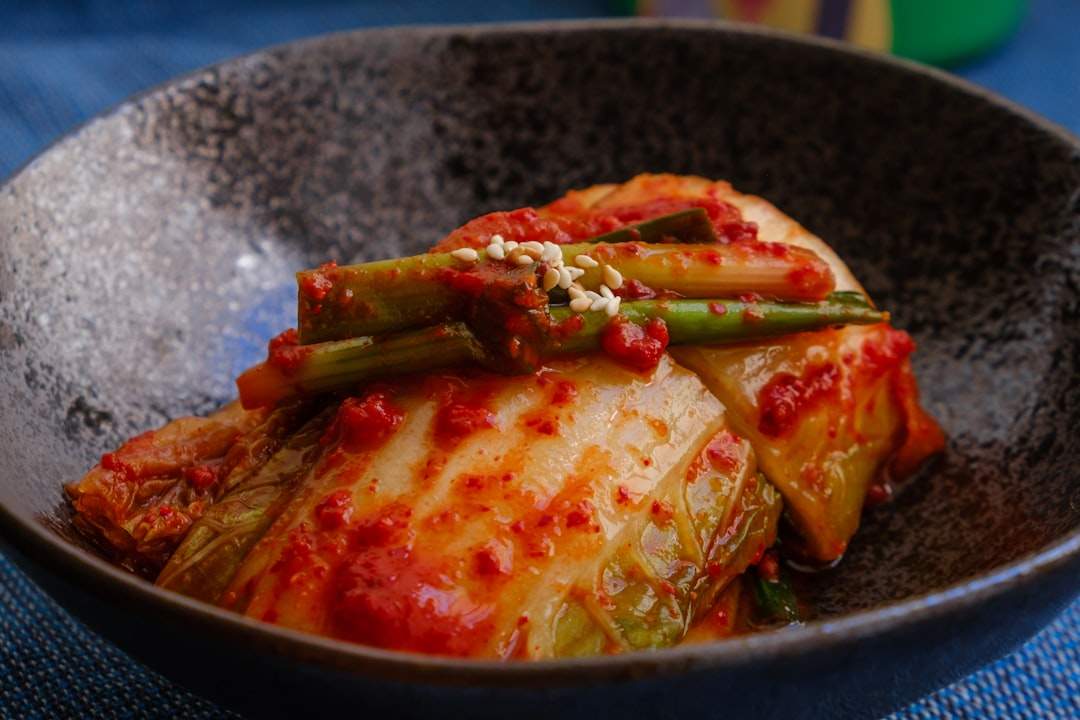
Furthermore, the perceived health benefits of fermented Korean staples like Kimchi resonate with global wellness trends. Consumers are increasingly seeking nutrient-dense, probiotic-rich foods, positioning traditional Korean elements as attractive dietary choices. This health aspect contributes significantly to K-Food’s sustained global momentum.
Korea’s Strategic Culinary Positioning
Korea has actively leveraged this global interest to strategically position its culinary offerings on the international stage. Government initiatives and private sector investments support the export of Korean agricultural products, processed foods, and culinary expertise.
Efforts focus on standardizing recipes for global markets while preserving the authenticity and traditional preparation methods. This dual approach aims to make Korean food accessible without compromising its unique cultural identity and heritage.
Culinary diplomacy programs also play a crucial role, sending Korean chefs and food experts abroad to conduct workshops and participate in international food events. These initiatives foster a deeper understanding and appreciation for the intricacies of Korean cuisine beyond its most famous dishes.
The emphasis extends to promoting regional specialties, showcasing the diverse flavors and ingredients found across Korea’s distinct provinces. This broadens the narrative beyond a few popular items, inviting a more comprehensive exploration of Korean gastronomy.
Beyond the Grill: A Deeper Dive
While Korean BBQ remains a significant entry point for many, the true depth of Korean cuisine lies in its vast array of traditional dishes. These range from elaborate royal court meals to hearty stews and delicate vegetable preparations, each telling a story of Korea’s history, geography, and philosophy.
The perception that Korean food is solely about grilled meats overlooks centuries of culinary evolution shaped by agricultural practices, Buddhist influences, and regional variations. Traditional Korean dining emphasizes balance, seasonality, and the harmonious combination of flavors and textures.
Understanding these foundational elements is key to appreciating the full spectrum of Korean gastronomy. It reveals a cuisine that is inherently healthful, diverse, and deeply intertwined with the nation’s cultural fabric.

2. Deep Dive & Insights
Unpacking Korea’s Culinary Ecosystem: History, Harmony, and Health
Korean cuisine is a meticulously crafted ecosystem, deeply rooted in millennia of history, philosophical principles, and a profound connection to nature. Its evolution reflects agricultural advancements, a varied climate, and cultural exchanges, creating a culinary tradition that is both robust and refined.
The foundational philosophy often embodies the principles of yin and yang and the Five Elements (Obangsaek), visible in the balanced use of colors, flavors, and ingredients. This holistic approach ensures meals are not only delicious but also nutritionally balanced and visually appealing.
Royal court cuisine, known as Sura-sang, exemplifies this sophistication, featuring elaborate spreads with numerous banchan (side dishes), soups, and rice. Dishes like Sinseollo, a complex royal hot pot, showcase the intricate culinary artistry developed during the Joseon Dynasty.
Beyond the palace, everyday meals traditionally revolved around seasonal, locally sourced ingredients. Rice remains the staple, complemented by an abundance of fresh vegetables, fish from the peninsula’s extensive coastline, and various meats, reflecting a harmonious relationship with the land and sea.
Fermentation stands as a cornerstone of Korean culinary practices, giving rise to its most distinctive flavors and health benefits. Staples like Kimchi, Doenjang (fermented soybean paste), and Gochujang (fermented chili paste) are not merely ingredients but cultural institutions that define Korean taste. These fermented foods are rich in probiotics, known to aid digestion and boost immune health, aligning with global trends in functional foods.
The regional diversity across Korea further enriches its culinary landscape. Coastal areas, for instance, boast an extensive array of seafood dishes such as Hoe (raw fish preparations) and Haemul Pajeon (seafood pancake), while mountainous regions feature hearty vegetable and wild herb dishes. Exploring these regional variations offers a fascinating journey through Korea’s gastronomic map, revealing distinct local ingredients and preparation styles. For more on regional specialties and travel tips, explore our Korea Travel & Living section.
The Future Trajectory of K-Food Beyond Traditional Boundaries
The global trajectory of Korean food indicates a strong move towards diversification and innovation, expanding beyond its traditional forms while preserving its core identity. This forward-looking approach embraces fusion cuisine, sustainable practices, and strategic digital engagement to reach new audiences.
Modern Korean chefs are increasingly experimenting with traditional ingredients and techniques, incorporating them into contemporary dishes that appeal to diverse palates. This includes creating plant-based versions of classic meat-centric dishes, tapping into the growing global vegan and vegetarian markets.
Sustainability is becoming a key focus within the K-Food industry, with an emphasis on local sourcing, reducing food waste, and promoting eco-friendly agricultural practices. This aligns with broader consumer demands for ethical and environmentally responsible food choices.
Technological advancements also play a role, from smart farming techniques that ensure consistent quality of ingredients to advanced packaging for fermented foods that extends shelf life without compromising flavor. E-commerce platforms are further facilitating the global distribution of authentic Korean ingredients and ready-to-eat meals.
The ongoing influence of Hallyu continues to be a powerful driver, with food features in K-dramas and K-pop videos directly influencing consumption trends. Digital marketing strategies, including social media campaigns and collaborations with international food influencers, are critical for maintaining this momentum.
Educational initiatives are also expanding, offering culinary classes and workshops worldwide to teach the art of Korean cooking. These efforts empower individuals to recreate Korean dishes at home, deepening their connection to the cuisine.
Navigating Authenticity and Adaptation
A key challenge and opportunity for K-Food’s global expansion is balancing authenticity with adaptation. While maintaining the integrity of traditional recipes is paramount, slight modifications in spice levels or ingredient substitutions may be necessary to cater to local preferences in different regions.
Ensuring the consistent supply of unique Korean ingredients, such as specific types of chili peppers for gochujang or particular cabbage varieties for kimchi, poses a logistical consideration. Developing sustainable global supply chains for these distinctive components is crucial for long-term growth.
Cultural understanding is equally important in presenting Korean cuisine to a global audience. Explaining the history, cultural significance, and eating etiquette associated with various dishes can enhance the dining experience and foster deeper appreciation.
The industry must also remain agile in response to evolving dietary trends and health concerns. Highlighting the natural, wholesome aspects of traditional Korean cooking can reinforce its appeal in a health-conscious world.

3. Frequently Asked Questions

Hi, I’m Dokyung, a Seoul-based tech and economy enthusiast. South Korea is at the forefront of global innovation—from cutting-edge semiconductors to next-gen defense technology. My mission is to translate these complex industry shifts into clear, actionable insights and everyday magic for global readers and investors.