
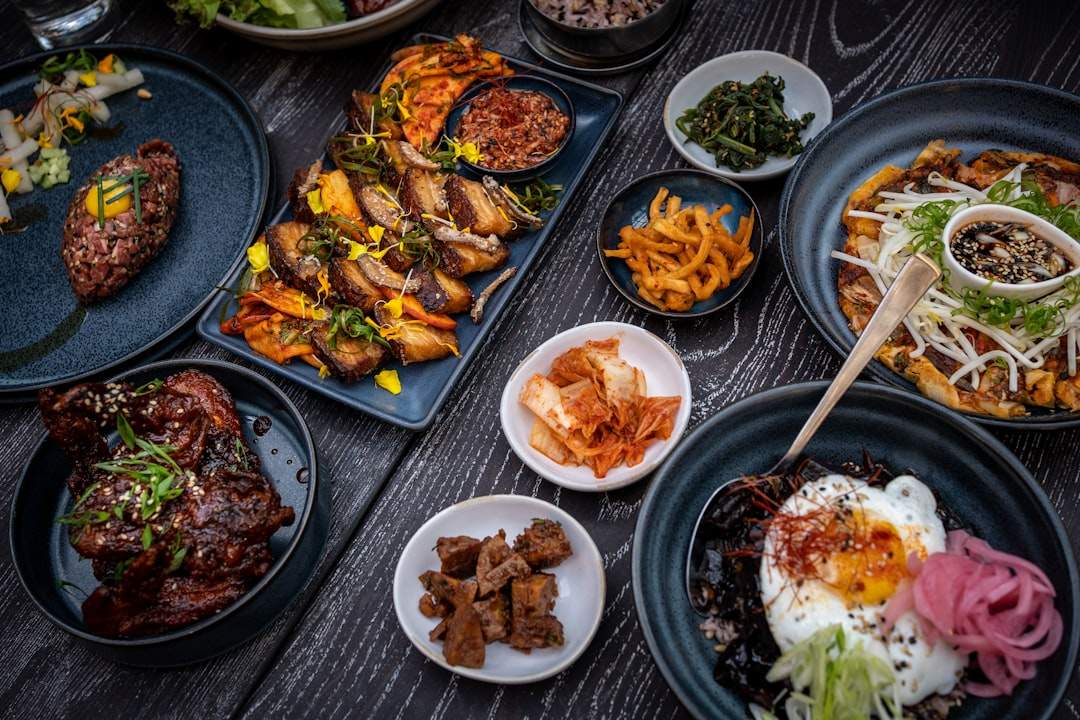
⚡ The 30-Second Summary
- The global Korean food market is projected to reach over $18 billion by 2028, driven by rising health consciousness and cultural influence.
- Korean food exports, notably kimchi and ramen, have seen consistent growth, exceeding $1.5 billion annually, reflecting strong international demand.
- Future trends point towards advanced food technology integration, sustainable ingredient sourcing, and continued global adaptation, enhancing accessibility and innovation.
1. The Current Landscape
Global Embrace of Korean Flavors
The global Korean food market is experiencing robust expansion, projected to exceed $18 billion by 2028, demonstrating a compound annual growth rate (CAGR) of approximately 9%. This significant growth is fueled by increasing consumer interest in diverse cuisines, the perceived health benefits of Korean dishes, and the pervasive influence of Hallyu, or the Korean Wave.
The widespread popularity of K-dramas and K-pop has introduced Korean culinary traditions to new audiences, stimulating demand for authentic flavors and innovative adaptations worldwide. This cultural phenomenon has transformed Korean cuisine from a niche interest into a mainstream dining choice across continents, from bustling city centers to suburban communities. Reports indicate a substantial increase in Korean restaurant openings globally, alongside a surge in demand for Korean ingredients in international supermarkets. Bloomberg has highlighted how K-Food is mirroring the global success of K-Pop, becoming a significant cultural export.
Korea’s Strategic Culinary Diplomacy
South Korea actively promotes its culinary heritage through strategic initiatives aimed at globalizing K-Food. Government-backed programs support food exports, culinary education, and international food festivals, enhancing Korea’s gastronomic footprint.
These efforts are designed not only to boost agricultural and food industry exports but also to strengthen Korea’s soft power on the global stage. The unique blend of tradition, health, and vibrant flavors positions Korean cuisine as a compelling cultural ambassador.
Export Powerhouses: Kimchi and Ramen
Key staples like kimchi and ramen lead Korea’s food export surge, with aggregated annual exports consistently surpassing $1.5 billion in recent years. Kimchi, recognized by UNESCO for its cultural significance, has seen its global demand grow, particularly in health-conscious markets. Instant ramen, a convenience food, has become a global sensation, with various Korean brands dominating international shelves and online platforms. This success is partly attributable to innovative marketing and diverse flavor profiles appealing to a wide consumer base.

2. Deep Dive & Insights
Culinary Heritage Meets Modern Palates
Korean cuisine is deeply rooted in thousands of years of history, shaped by ancient agricultural practices and philosophical principles. The concept of eumyangohaeng (Yin and Yang, Five Elements) is fundamental, dictating the balance of flavors, colors, and textures in dishes to promote holistic well-being. This traditional approach now intersects with modern culinary innovation, creating a dynamic food landscape.
The emphasis on fermented foods, fresh seasonal ingredients, and a balanced nutritional profile resonates strongly with contemporary health trends. This blend of tradition and modernity allows Korean cuisine to maintain its authenticity while adapting to global tastes and dietary preferences. For those interested in experiencing the authentic culinary journey, exploring Korea’s local food markets and traditional dining experiences offers unparalleled insight.
Kimchi: The Fermented Powerhouse
Kimchi, a staple fermented vegetable dish, embodies Korean culinary identity. Its numerous varieties, primarily made from napa cabbage or radish, are rich in probiotics, vitamins, and fiber, contributing to its reputation as a superfood.
Beyond its health benefits, kimchi is a versatile ingredient, integral to countless Korean dishes and increasingly incorporated into global fusion cuisine. Its cultural significance is profound, often prepared communally during kimjang, a traditional kimchi-making event.
Bulgogi: The Art of Marinated Grilling
Bulgogi, literally “fire meat,” showcases the art of Korean marinades and grilling. Thinly sliced beef or pork is tenderized and flavored in a savory-sweet mixture of soy sauce, sesame oil, garlic, and fruit purees, then quickly grilled or stir-fried.
This dish is a global favorite, appreciated for its tender texture and rich umami flavor. Variations exist across regions, reflecting local preferences and available ingredients, from spicy pork bulgogi to more delicate beef preparations.
Bibimbap: A Bowl of Harmony
Bibimbap, meaning “mixed rice,” is a visually stunning and nutritionally balanced dish. It typically features warm white rice topped with an assortment of sautéed vegetables (namul), gochujang (chili paste), a fried egg, and often marinated meat.
The dish symbolizes harmony and balance, both in its ingredients and its preparation. Diners mix the components themselves, creating a personalized blend of flavors and textures, making it a popular and customizable meal globally.
Future Directions: Innovation and Sustainability
The Korean food industry is increasingly embracing technology and sustainable practices to meet evolving global demands. Food tech startups are innovating in areas such as alternative proteins, smart farming for traditional ingredients, and personalized nutrition based on Korean culinary principles.
Investment in Korean food tech reached nearly $500 million over the past three years, indicating a strong focus on future-proofing the industry. This includes developing plant-based versions of classic dishes and optimizing food production chains for efficiency and reduced environmental impact.
Risk Factors: Authenticity vs. Adaptation
While global expansion offers immense opportunities, it also presents challenges, particularly regarding maintaining authenticity. Adapting flavors for international palates can risk diluting traditional recipes, potentially impacting the perception of genuine Korean cuisine.
Ensuring sustainable sourcing of unique Korean ingredients, such as specific chili peppers for gochujang or varieties of cabbage for kimchi, is crucial as demand rises. Intellectual property protection for traditional food names and preparations also remains a consideration in the global marketplace.

3. Frequently Asked Questions

Hi, I’m Dokyung, a Seoul-based tech and economy enthusiast. South Korea is at the forefront of global innovation—from cutting-edge semiconductors to next-gen defense technology. My mission is to translate these complex industry shifts into clear, actionable insights and everyday magic for global readers and investors.