
⚡ The 30-Second Summary
- The global Korean cuisine market, valued at over $15 billion as of 2025, is projected to exceed $25 billion by 2030, driven significantly by the global spread of K-Culture.
- Exports of key Korean food products like kimchi and instant noodles have demonstrated an average annual growth rate of 12% over the past five years, reaching over 120 countries.
- Future growth hinges on culinary innovation, sustainable ingredient sourcing, and leveraging digital platforms, with food tech playing a pivotal role in market expansion and accessibility.
1. The Current Landscape
Global Appetite for Korean Flavors
The global Korean cuisine market, encompassing restaurants, packaged foods, and agricultural exports, is estimated to have surpassed $15 billion as of 2025. This significant valuation reflects a consistent upward trajectory, fueled by increasing international exposure through media and cultural exchange. Industry analysts project this market to exceed $25 billion by 2030, demonstrating robust consumer demand worldwide. The widespread adoption of Korean food culture is a testament to its versatile appeal, integrating seamlessly into diverse culinary landscapes globally. This global phenomenon underscores the profound impact of Korean gastronomy.
The proliferation of Korean restaurants across major cities, from New York to London and Sydney, further exemplifies this growth. These establishments cater to a broad clientele, ranging from long-time enthusiasts to newcomers eager to explore new tastes. The accessibility of Korean ingredients in international supermarkets has also expanded significantly, allowing home cooks to experiment with authentic flavors. This dual approach of restaurant dining and home cooking accelerates the market’s expansion.
Beyond Restaurants: Packaged Food Dominance
Packaged Korean food products constitute a substantial segment of the global market, particularly instant noodles and ready-to-eat kimchi. Instant noodle exports alone reached approximately $1 billion in 2024, showcasing their immense popularity and convenience. This segment benefits from continuous innovation in flavors and formats, appealing to busy consumers seeking quick, flavorful meal solutions. The market for Korean snacks and beverages is also experiencing rapid expansion, driven by younger demographics.
Korea’s Strategic Culinary Diplomacy
South Korea actively promotes its national cuisine as a vital component of its soft power strategy, often referred to as “K-Food diplomacy.” Government initiatives, such as those spearheaded by the Korean Food Promotion Institute, and private sector investments have focused on standardizing recipes for global markets and supporting the export of key ingredients. This concerted effort has positioned Korean food not merely as sustenance, but as a comprehensive cultural experience. Exports of kimchi, instant noodles (ramyeon), and gochujang have seen annual growth rates averaging 12% over the last five years, reaching diverse international markets across over 120 countries.
Culinary exchange programs, international food festivals, and chef training initiatives are strategically deployed to foster a deeper understanding and appreciation of Korean food. These programs aim to build a global network of Korean culinary experts and enthusiasts. The government provides significant support for small and medium-sized enterprises (SMEs) in the food sector, helping them navigate international trade regulations and market entry barriers. This ensures a robust pipeline of high-quality products.
Leveraging Digital Platforms for Expansion
Digital content, including K-dramas, mukbangs, and social media food bloggers, plays a crucial role in introducing Korean dishes to new audiences. These platforms create aspirational dining experiences, driving consumers to seek out authentic Korean restaurants and ingredients. The digital landscape has become an indispensable channel for culinary discovery and engagement, bypassing traditional marketing routes. This organic virality significantly amplifies global reach, with specific dishes often trending after appearing in popular media. For instance, online searches for “tteokbokki recipe” increased by 15% year-on-year following its feature in a prominent K-drama.
Influencer marketing and user-generated content further amplify this trend, with food enthusiasts sharing their Korean dining experiences globally. Food delivery apps also play a critical role, making Korean dishes readily accessible in urban centers worldwide. This digital integration allows for rapid market penetration and real-time feedback from a diverse consumer base. The synergy between entertainment and gastronomy creates a powerful cultural export engine.

2. Deep Dive & Insights
The Pillars of Korean Gastronomy
Korean cuisine is fundamentally built upon a philosophy of balance, health, and communal dining. Fermentation is a cornerstone, with staples like kimchi, doenjang (soybean paste), and gochujang (red chili paste) providing profound umami and probiotic benefits. The health-conscious consumer trend globally aligns perfectly with Korean food’s emphasis on fresh vegetables, lean proteins, and fermentation, driving its sustained popularity. This intrinsic connection to wellness distinguishes it on the international culinary stage. For more insights into Korean cultural influences, explore K-Pop Culture and its global reach.
The Science of Fermentation
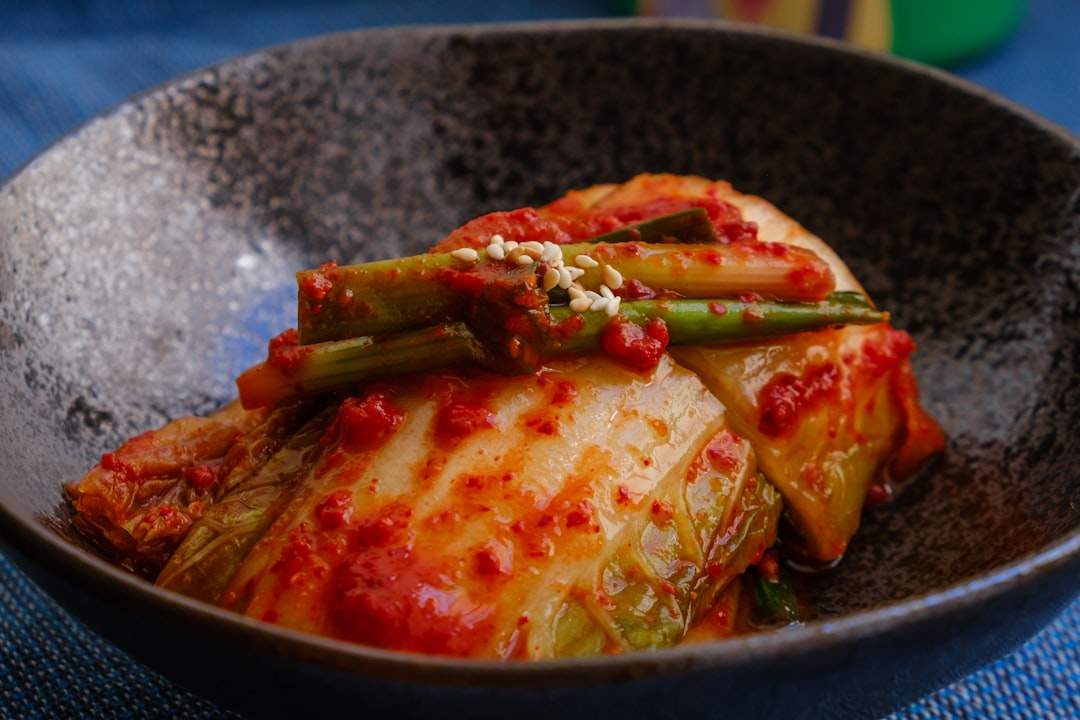
Fermented foods are integral to Korean diet, contributing unique flavors and significant health benefits. Kimchi, with its hundreds of regional varieties, is a prime example, offering a rich source of probiotics and vitamins. The fermentation process for ingredients like gochujang and doenjang can span months or even years, developing complex flavor profiles that are difficult to replicate. This traditional practice is now being studied by food scientists for its applications in modern food production. The global fermented foods market, heavily influenced by kimchi, is expanding at a Compound Annual Growth Rate (CAGR) of 7%, indicating a strong consumer interest in such products.
Balance in Every Bite
Korean meals are characterized by a harmonious balance of flavors—spicy, sweet, sour, salty, and umami—and textures. This balance extends to nutritional composition, with meals typically featuring a variety of banchan (side dishes) alongside a main course. Bibimbap, literally “mixed rice,” exemplifies this equilibrium, presenting a colorful array of vegetables, protein, and rice in a single bowl. This approach ensures a diverse and nutrient-rich dining experience, appealing to health-conscious consumers worldwide. The visual appeal of balanced dishes also contributes to their social media popularity.
Communal Dining as a Cultural Cornerstone
The communal aspect of Korean dining, particularly evident in Korean barbecue (K-BBQ) and shared stews like Jjigae, fosters social interaction and togetherness. Diners gather around a grill, cooking and sharing food, creating an engaging and interactive experience. This emphasis on shared meals resonates deeply with global consumers seeking authentic cultural immersion and memorable dining occasions. The K-BBQ segment alone contributes over $4 billion to the global restaurant industry annually, highlighting its significant economic footprint. This social dimension makes Korean dining more than just a meal; it’s an event.

Hi, I’m Dokyung, a Seoul-based tech and economy enthusiast. South Korea is at the forefront of global innovation—from cutting-edge semiconductors to next-gen defense technology. My mission is to translate these complex industry shifts into clear, actionable insights and everyday magic for global readers and investors.
Hi, I’m Dokyung, a Seoul-based tech and economy enthusiast. South Korea is at the forefront of global innovation—from cutting-edge semiconductors to next-gen defense technology. My mission is to translate these complex industry shifts into clear, actionable insights and everyday magic for global readers and investors.