
⚡ The 30-Second Summary
- The global Korean food market, including processed goods and restaurant services, surpassed an estimated $18 billion in 2025, driven by increasing international demand.
- South Korean food exports, particularly for iconic “soul food” items like kimchi and tteokbokki, demonstrated a robust 15% year-over-year growth as of late 2025, fueled by K-culture’s global spread.
- Continued innovation in convenience food formats and strategic digital marketing are poised to propel the sector, with projections indicating a potential market value exceeding $25 billion by 2028.
1. The Current Landscape
Korean Cuisine’s Global Ascendance
The global Korean food market, encompassing everything from traditional dishes to processed food exports and restaurant services, reached an estimated $18.5 billion in 2025. This significant valuation reflects a consistent upward trajectory, with analysts projecting continued growth driven by increasing international demand and the pervasive influence of Korean culture worldwide. The phenomenon extends beyond mere culinary appreciation, evolving into a substantial economic force. Recent reports indicate that South Korea’s agricultural and food exports hit record highs, largely attributed to the global popularity of K-pop, K-dramas, and the associated lifestyle.
South Korea’s Culinary Diplomacy
South Korean culinary players are strategically positioned at the forefront of this global expansion, leveraging both authentic flavors and innovative adaptations. The country’s food industry has successfully branded its traditional “soul foods” not just as meals, but as experiences embodying health, comfort, and cultural richness. This approach has allowed Korean cuisine to transcend niche markets and integrate into mainstream dining trends across North America, Europe, and Southeast Asia.
Leveraging Digital Platforms and K-Culture
The consistent exposure of Korean dishes in popular K-dramas, films, and through digital content creators has played a critical role in familiarizing global audiences with the diverse flavors of Korea. This digital outreach acts as a powerful marketing tool, transforming curiosity into tangible consumer demand for Korean food products and dining experiences. Social media trends, mukbangs, and cooking tutorials further amplify this effect, making Korean cuisine highly accessible and aspirational.

2. Deep Dive & Insights
Kimchi: The Fermented Powerhouse
Kimchi, a fermented vegetable dish, stands as the most recognized symbol of Korean cuisine, with its global market value estimated at $4.8 billion as of 2025. This figure is projected to grow to over $7 billion by 2030, driven by its health benefits, including probiotic properties and rich vitamin content, aligning perfectly with global wellness trends. The traditional practice of “kimjang,” communal kimchi-making, has also been recognized by UNESCO, underscoring its profound cultural significance. This cultural depth, combined with its nutritional profile, makes kimchi a compelling product in international markets.
Innovation in Production and Distribution
Modern advancements in food science and logistics have enabled mass production and global distribution of various kimchi types while maintaining quality and taste. Companies are investing in automated fermentation processes and diverse packaging solutions, from ready-to-eat pouches to specialized containers for restaurants. This innovation ensures kimchi’s accessibility to a broader consumer base, including those unfamiliar with traditional fermentation practices. Its presence is now widespread in international supermarkets and specialty stores, reflecting a successful transition from a local staple to a global superfood.
Bibimbap: A Bowl of Balanced Harmony
Bibimbap, meaning “mixed rice,” offers a visually stunning and nutritionally balanced meal that has captivated diners worldwide. Its appeal lies in the harmonious blend of sautéed vegetables, savory meat, a fried egg, and spicy gochujang, all served over warm rice. This dish embodies the Korean philosophy of balance, with each component meticulously prepared and artfully arranged. The versatility of bibimbap allows for countless variations, catering to diverse palates and dietary preferences, including vegetarian and vegan options.
Economic Footprint in Gastronomy and Tourism
The popularity of bibimbap has stimulated significant growth in related sectors, from specialized ingredient suppliers to culinary tourism. Restaurants focusing on Korean cuisine frequently feature bibimbap as a flagship dish, drawing in customers seeking an authentic yet customizable experience. Its photogenic nature also makes it a favorite on social media, driving further interest and demand. The economic impact extends to the export of key ingredients like gochujang and various Korean vegetables, supporting agricultural producers.

Samgyetang: Nourishing Comfort and Wellness
Samgyetang, a restorative chicken soup simmered with ginseng, jujubes, and garlic, is traditionally consumed during the hottest days of summer in Korea. This practice is rooted in the belief that “fighting fire with fire” helps replenish energy and maintain health. Its reputation as a functional food, rich in immune-boosting ingredients, has garnered international attention, particularly in health-conscious markets. The global market for ginseng-infused products, including samgyetang, has seen consistent growth, exceeding $2.5 billion in 2024.
Premium Ingredients and Export Opportunities
The emphasis on high-quality ingredients, particularly Korean ginseng, contributes to samgyetang’s premium positioning. The cultivation and export of these specialized ingredients represent a significant economic opportunity for South Korea. Ready-to-eat samgyetang products are increasingly available in international markets, offering convenience without compromising on traditional flavors or nutritional benefits. This expansion taps into the global demand for wellness-oriented convenience foods.
Tteokbokki: The Ultimate Street Food Sensation
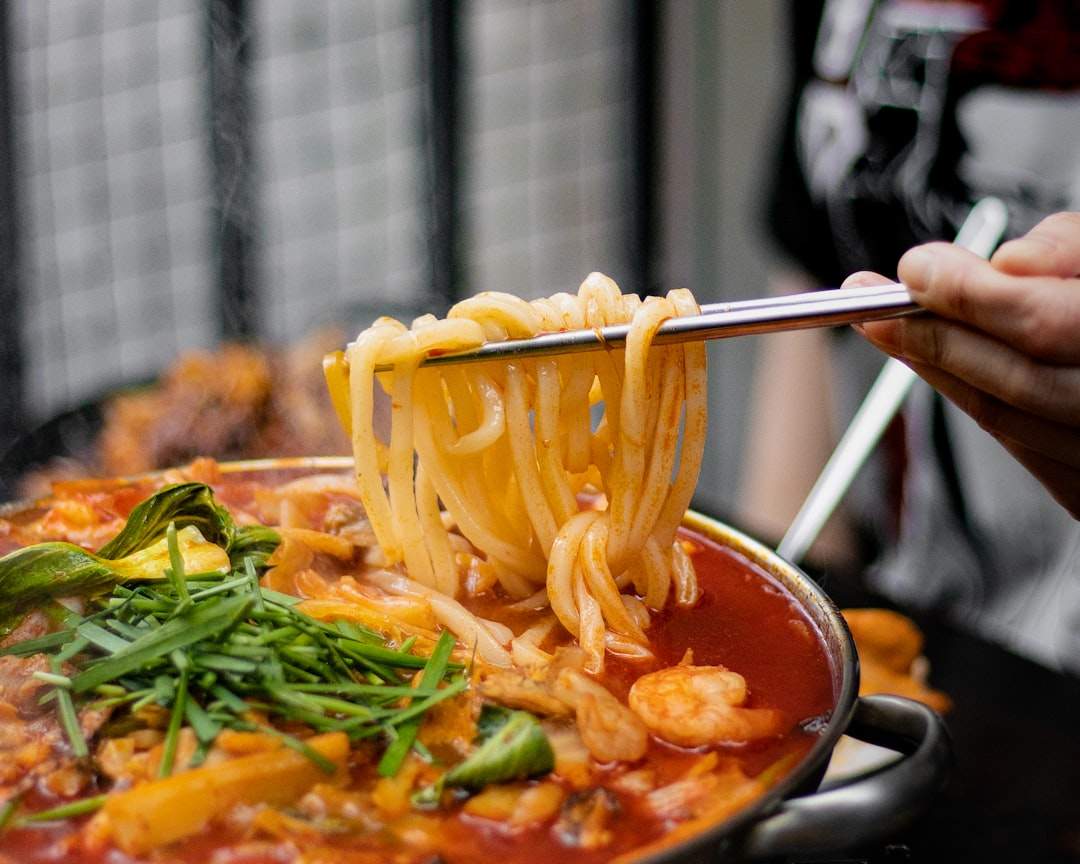
Tteokbokki, chewy rice cakes drenched in a vibrant sweet and spicy gochujang sauce, has evolved from a popular street food into a global snack phenomenon. Its addictive flavor profile and satisfying texture have made it a favorite among K-drama fans and food enthusiasts alike. The dish’s rapid rise is closely tied to its frequent appearances in Korean entertainment, which has significantly boosted its visibility and appeal worldwide. The global instant tteokbokki market alone was valued at approximately $650 million in 2025, with projections for continued double-digit growth.
Innovation and Market Adaptations
The versatility of tteokbokki has led to numerous innovations, including cheese tteokbokki, seafood variations, and fusion recipes that cater to diverse international tastes. The proliferation of convenient, ready-to-cook and instant tteokbokki products has further facilitated its global expansion, making it easily accessible for home preparation. This adaptability, combined with its strong cultural ties, positions tteokbokki as a key driver in the global expansion of Korean processed foods and snacks.
What This Means Going Forward
The trajectory for Korean soul food is overwhelmingly positive, with continued expansion anticipated across various market segments. Strategic investments in food technology, supply chain optimization, and sustained cultural marketing through K-content are expected to further solidify its global presence. The emphasis on both authenticity and innovative adaptations will be crucial for maintaining momentum and appealing to evolving consumer preferences. This dual approach ensures that traditional flavors remain revered while new formats and variations capture broader audiences.
Risk Factor: Supply Chain Vulnerabilities
While demand is strong, potential risks include global supply chain disruptions for key ingredients and fluctuating currency exchange rates that could impact export competitiveness. Geopolitical factors also present an ongoing consideration for international trade. Mitigating these risks requires robust logistics planning, diversified sourcing strategies, and proactive financial hedging by South Korean food enterprises.
3. Frequently Asked Questions

Hi, I’m Dokyung, a Seoul-based tech and economy enthusiast. South Korea is at the forefront of global innovation—from cutting-edge semiconductors to next-gen defense technology. My mission is to translate these complex industry shifts into clear, actionable insights and everyday magic for global readers and investors.