
⚡ The 30-Second Summary
- The global Korean food market is projected to reach approximately $25 billion by 2027, driven by sustained interest in authentic flavors and health benefits.
- Korean fermented staples like kimchi and gochujang have seen export values surge, with kimchi exports alone surpassing $160 million in recent years, highlighting its status as a global superfood.
- Innovation in food tech, sustainable sourcing, and convenient meal solutions are key areas of focus, positioning Korean cuisine for continued expansion and cultural influence worldwide.
1. The Current Landscape
Global Expansion and Market Dynamics
The global Korean food market currently stands at an estimated $20 billion, demonstrating robust annual growth exceeding 9% and projected to reach $25 billion by 2027. This expansion is fueled by an increasing international appetite for diverse and authentic culinary experiences, placing Korean cuisine at the forefront of global food trends. The widespread appeal of K-culture, including K-pop and K-dramas, has significantly contributed to this surge, introducing Korean flavors to new audiences across continents.
From fine dining establishments in major metropolitan areas to casual eateries and home cooking trends, Korean food has cemented its position as a dynamic force in the culinary world. Consumer demand extends beyond well-known dishes like Bulgogi and Kimchi, embracing a broader spectrum of traditional and contemporary Korean offerings. This sustained interest reflects a deeper appreciation for the complex flavors, healthy ingredients, and communal dining practices inherent in Korean gastronomy.
Korea’s Culinary Influence on the World Stage
South Korea’s culinary identity is experiencing unprecedented global recognition, moving from niche appeal to mainstream popularity. The nation’s distinct flavors, characterized by umami-rich fermented ingredients and a balance of spicy, savory, and sweet notes, resonate with an increasingly adventurous global palate. This cultural phenomenon is not merely about food consumption but also about embracing a lifestyle associated with Korean culture, health, and community.
Government initiatives, such as the “Hansik Globalization” project, have played a pivotal role in promoting Korean cuisine internationally. These efforts include supporting Korean restaurants abroad, facilitating ingredient exports, and participating in global food festivals. Such strategic promotion has elevated the status of Korean food, making it a significant cultural export alongside other facets of the Korean Wave. For more details on the global impact of K-culture, refer to reports on South Korea’s cultural exports.
Beyond Kimchi and BBQ: Diversification
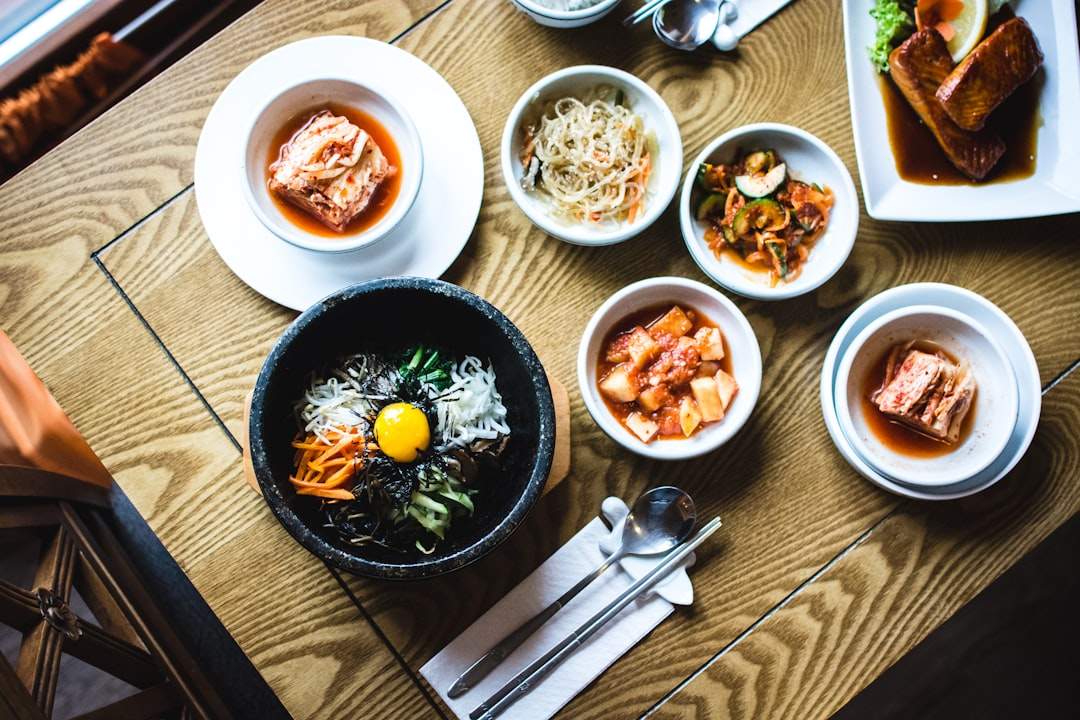
While Kimchi and Korean barbecue remain iconic, the global market is witnessing a diversification of popular Korean dishes. Traditional stews like Sundubu Jjigae (soft tofu stew) and Samgyetang (ginseng chicken soup) are gaining traction for their comforting and nutritious qualities. Banchan, the array of small side dishes, is also drawing considerable interest, showcasing the variety and health-conscious aspects of Korean meals.
The rise of Korean street food, including Tteokbokki (spicy rice cakes) and Hotteok (sweet pancakes), further illustrates this diversification, offering accessible and flavorful options for everyday consumption. Chefs and food enthusiasts worldwide are exploring the versatility of Korean ingredients, incorporating them into fusion dishes and modern culinary creations. This dynamic evolution ensures that Korean cuisine continues to surprise and delight international diners.

2. Deep Dive & Insights
Innovation in Traditional Korean Foods
Innovation is a cornerstone of Korean cuisine’s enduring global appeal, extending from ingredient science to modern dining experiences. Research into the health benefits of fermented foods, such as kimchi and doenjang, continues to uncover their probiotic properties and nutritional value. This scientific validation reinforces the perception of Korean food as both delicious and healthful, aligning with global wellness trends.
Food technology is also transforming how traditional Korean dishes are prepared and consumed. Companies are developing convenient Home Meal Replacement (HMR) options and ready-to-eat meals that retain authentic flavors while offering ease of preparation. Furthermore, sustainable sourcing practices and ethical production are increasingly prioritized, reflecting a broader industry commitment to environmental responsibility. Explore more about authentic culinary experiences and local insights in our Korea Travel & Living section.
Economic Impact and Export Growth
The global rise of Korean cuisine has generated substantial economic impact, both domestically and internationally. Exports of key Korean food products have seen consistent growth, with kimchi exports alone reaching over $160 million in recent years, shipped to more than 90 countries. Other staples like gochujang and ramen also contribute significantly to agricultural and food industry revenues.
This economic boon extends to tourism, as culinary tourism becomes a major draw for visitors to South Korea. The proliferation of Korean restaurants worldwide creates jobs and fosters cultural exchange, strengthening bilateral ties through shared culinary enjoyment. The brand value of “Korean food” continues to appreciate, influencing ingredient markets and inspiring global chefs.
Challenges and Opportunities for Growth
Despite its impressive trajectory, the Korean food industry faces challenges, including the need for greater standardization and quality control across international markets. Ensuring consistent flavor profiles while adapting to local tastes presents a delicate balance. Supply chain complexities for specialized ingredients also require strategic planning to meet rising global demand.
Opportunities for growth lie in continued innovation, particularly in plant-based Korean dishes and allergen-friendly options to cater to diverse dietary needs. Expanding into new geographical markets, especially in regions with emerging interest in Asian cuisine, offers significant potential. Collaborative efforts between Korean food producers and international distributors will be crucial for sustainable expansion.

3. Frequently Asked Questions

Hi, I’m Dokyung, a Seoul-based tech and economy enthusiast. South Korea is at the forefront of global innovation—from cutting-edge semiconductors to next-gen defense technology. My mission is to translate these complex industry shifts into clear, actionable insights and everyday magic for global readers and investors.