
⚡ The 30-Second Summary
- The global Korean food market is projected to exceed $30 billion by 2027, driven by cultural exports and health trends.
- Exports of key Korean agricultural and food products, including kimchi and gochujang, have seen annual growth rates above 15% in recent years.
- Future growth is expected from diversification into plant-based options, advanced food technologies, and expanded culinary tourism initiatives.
1. The Current Landscape of Korean Cuisine
Global Culinary Shift Towards K-Food
The global food and beverage market, valued at over $8 trillion as of 2025, continues to embrace diverse international flavors, with Korean cuisine emerging as a significant growth driver. This expansion is fueled by rising consumer interest in authentic, healthy, and culturally rich dining experiences, moving beyond traditional Western palates. Analysts project the global market for ethnic foods to expand at a compound annual growth rate of over 10% through 2028, positioning K-Food prominently within this trajectory.
The increasing accessibility of Korean ingredients and ready-to-eat meals in international supermarkets further solidifies its market presence. From major urban centers to smaller communities, Korean restaurants and food trucks are now commonplace, signifying a fundamental shift in global culinary landscapes. This widespread adoption reflects a broader cultural appreciation that extends beyond mere gastronomic curiosity.
Korea’s Strategic Position in the Global Food Market
South Korea leverages its unique culinary heritage as a powerful instrument of soft power, intertwining food with its burgeoning cultural exports like K-Pop and K-Dramas. The government and private sector collaborate on initiatives to promote Korean agricultural products and prepared foods globally, recognizing their economic and cultural value. This coordinated effort has solidified Korea’s position as a trendsetter in the international food scene.
Exports of Korean agricultural and fishery products reached significant milestones in recent years, with food products contributing substantially to these figures. The strategic focus on quality control, brand building, and targeted marketing campaigns in key international markets has been instrumental in this success. This approach ensures that Korean food maintains its authenticity while adapting to global consumer preferences.
Amplifying Exports Through Hallyu
The “Korean Wave” (Hallyu) has been a primary catalyst for the internationalization of Korean cuisine, transforming food from a niche interest into a mainstream phenomenon. Viewers encountering Korean dishes in popular media often seek to replicate these experiences, driving demand for ingredients and restaurant visits. This symbiotic relationship between entertainment and gastronomy creates a powerful marketing synergy.
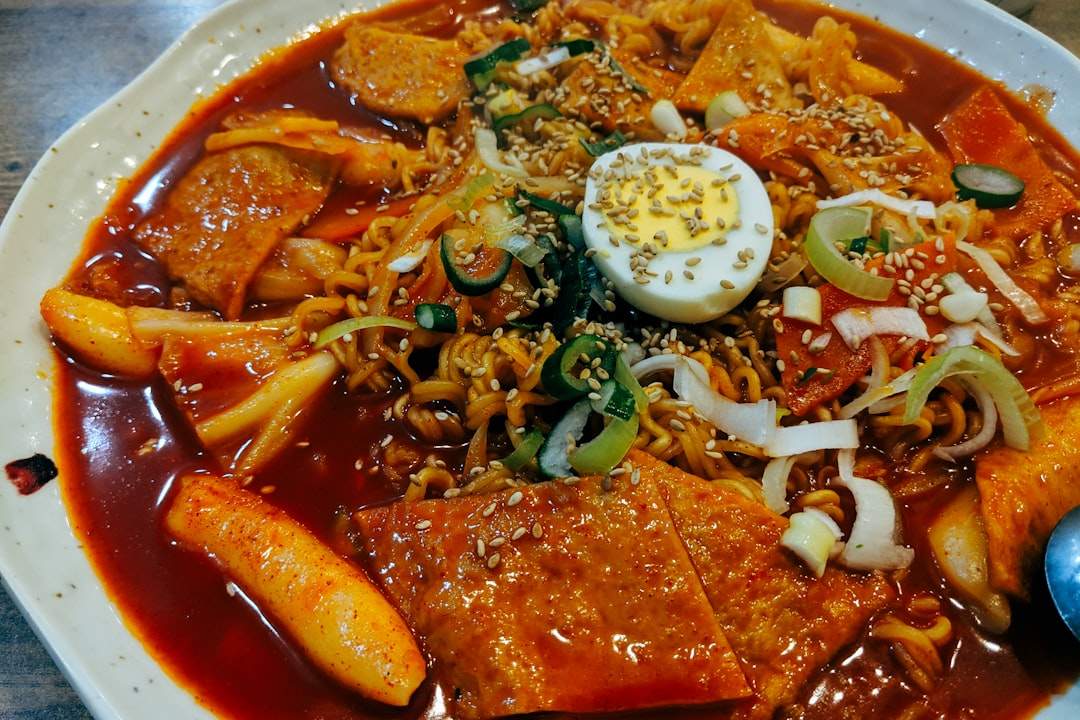
For instance, the global demand for instant ramyeon, a staple often featured in K-Dramas, has seen export values soar by over 20% annually in recent reporting periods. Similarly, the visibility of street foods like tteokbokki and traditional dishes like bibimbap in media has translated directly into increased sales and culinary tourism. This cultural immersion through food strengthens Korea’s global brand identity. The rising global interest in unique flavor profiles and fermented foods has also significantly boosted the export of traditional Korean staples. Kimchi exports alone have recently exceeded $160 million annually, reaching over 90 countries worldwide, demonstrating robust international demand and market penetration, as reported by Reuters.

2. Deep Dive: The Pillars of K-Food Innovation and Impact
The Science and Culture of Fermentation
Fermentation is a cornerstone of Korean cuisine, a traditional practice that not only preserves food but also deepens flavors and enhances nutritional profiles. Key fermented ingredients like kimchi, gochujang (chili paste), doenjang (soybean paste), and ganjang (soy sauce) are fundamental to the distinctive taste of Korean dishes. These ingredients are rich in probiotics, contributing to gut health, a factor increasingly valued by health-conscious consumers globally.
The elaborate process of making kimchi, often a communal event known as kimjang, has been recognized by UNESCO as an Intangible Cultural Heritage of Humanity. This underscores the deep cultural significance and community-building aspect embedded in Korean food traditions. The widespread adoption of these fermented products has spurred a global market for probiotic-rich foods, estimated to reach over $70 billion by 2027, with Korean fermented foods playing a vital role. Further insights into Korea’s vibrant cultural landscape can be found on our K-Pop Culture section, which often explores how food intertwines with broader cultural trends.
Future Trajectories: Sustainability, Health, and Tech Integration
The evolution of Korean cuisine is marked by a strong focus on sustainability and health, aligning with global consumer demands. Innovations include the development of plant-based Korean alternatives, catering to vegan and vegetarian diets while retaining authentic flavors. Companies are also investing in sustainable sourcing practices for ingredients and eco-friendly packaging solutions.
Food technology plays a crucial role in modernizing Korean food production and distribution, from smart farms cultivating specialty ingredients to advanced food processing techniques for convenience meals. Ready-to-eat (RTE) and home meal replacement (HMR) Korean dishes are gaining traction, offering convenience without compromising on taste or nutritional value. This tech integration helps scale production to meet rising international demand efficiently.
Navigating Global Supply Chain Dynamics
While the global popularity of Korean cuisine presents immense opportunities, managing complex international supply chains remains a critical challenge. Fluctuations in ingredient costs, geopolitical tensions, and climate-related agricultural disruptions can impact the consistency and affordability of Korean food exports. Ensuring a stable supply of high-quality, authentic ingredients requires robust logistics and diversified sourcing strategies.
Companies are increasingly investing in localized production or partnerships abroad to mitigate these risks, ensuring that the global demand for Korean flavors can be met reliably. This adaptive approach helps maintain market stability and supports the sustained growth of the K-Food industry. Regulatory variations across different countries also present hurdles for import and export, necessitating careful compliance and strategic market entry.

3. Frequently Asked Questions About Korean Cuisine

Hi, I’m Dokyung, a Seoul-based tech and economy enthusiast. South Korea is at the forefront of global innovation—from cutting-edge semiconductors to next-gen defense technology. My mission is to translate these complex industry shifts into clear, actionable insights and everyday magic for global readers and investors.