
⚡ The 30-Second Summary
- The global Korean food market is projected to exceed an estimated $20 billion by 2027, driven by increasing consumer demand and cultural exposure.
- Korean cuisine’s unique appeal stems from its bold, balanced flavors, significant health benefits, and the immersive cultural experience it offers through communal dining.
- The widespread influence of the Hallyu wave, coupled with innovative culinary fusion and digital accessibility, continues to propel Korean dishes into mainstream international palates.
1. The Current Landscape
Global Culinary Shifts and Market Expansion
The global culinary landscape has undergone a significant transformation, with Asian cuisines, particularly Korean food, experiencing an unprecedented surge in popularity. This growth is evidenced by a flourishing restaurant sector and a marked increase in global ingredient exports, signaling a sustained shift in consumer preferences towards diverse and exotic flavors.
Market analysts estimate the global Korean food market to be rapidly expanding, with projections suggesting it could surpass $20 billion in valuation by 2027, driven by robust demand across North America, Europe, and Southeast Asia. This expansion is not merely confined to restaurant dining but extends to packaged foods, ready-to-eat meals, and a significant rise in home cooking inspired by Korean recipes, as reported by industry insights on global food trends.
Data-Driven Growth Indicators
Recent data indicates that exports of key Korean ingredients like gochujang (chili paste) and kimchi have seen double-digit percentage growth year-on-year over the past five years, underscoring their deepening integration into global kitchens. The number of Korean restaurants outside of Korea has also seen a steady increase, with an estimated 15% annual growth in major metropolitan areas from 2020 to 2025.
Beyond traditional dining, the proliferation of Korean convenience stores and online grocery platforms offering Korean products has made these flavors more accessible than ever. This multifaceted growth trajectory highlights Korean cuisine’s transition from a niche offering to a prominent player in the international food industry.
Korea’s Distinctive Position in the Global Food Scene
Korean cuisine distinguishes itself through a unique blend of bold flavors, a strong emphasis on fermentation, and a dining culture deeply rooted in community and sharing. This distinct identity has allowed it to carve out a significant space amidst other established global culinary traditions.
While other Asian cuisines often focus on specific flavor profiles or cooking techniques, Korean food offers a comprehensive experience that combines spicy, savory, sweet, and sour elements, often within a single meal. This complexity, paired with its perceived health benefits, resonates strongly with contemporary diners seeking both taste and wellness.
From Niche to Mainstream: A Rapid Trajectory
Historically, Korean food was primarily found in specific ethnic enclaves, but its trajectory over the last decade has been towards broad mainstream acceptance. This shift is partly attributed to proactive cultural promotion efforts by the Korean government and private sector, alongside the organic spread of its appeal through media.
The increasing presence of Korean celebrity chefs, cooking shows, and food bloggers on global platforms has further accelerated this transition. These influences have demystified Korean cooking and introduced its rich flavors to a wider, more diverse audience, moving it beyond niche markets into everyday dining experiences.

2. Deep Dive & Insights
The Multi-Sensory Appeal: Flavor, Health, and Experience
Korean cuisine offers a compelling blend of intense flavors, significant nutritional value, and an engaging dining experience that collectively captivates global palates. This holistic appeal transcends mere taste, providing a comprehensive sensory and cultural engagement for diners.
The distinctive taste profile is largely attributed to foundational ingredients such as gochujang (Korean chili paste), doenjang (fermented soybean paste), and a variety of fermented vegetables, most notably kimchi. These components create a complex umami foundation, offering a depth of flavor that is both unique and highly addictive to many international food enthusiasts. This intricate flavor profile, often balanced with fresh vegetables and lean proteins, contributes to an overall perception of both indulgence and wellness.
The Power of Fermentation and Probiotics
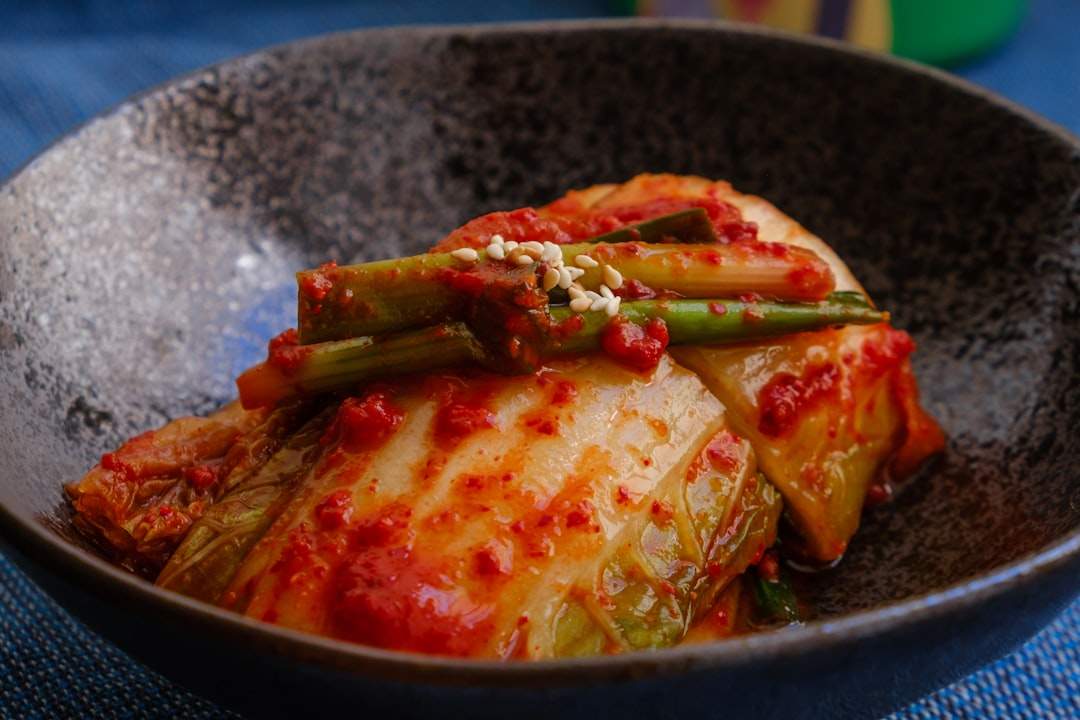
Fermented foods are a cornerstone of Korean cooking, with kimchi standing out as a globally recognized symbol. Beyond its spicy and savory notes, kimchi is celebrated for its probiotic properties, which support gut health and boost immunity.
This emphasis on fermented ingredients aligns perfectly with a growing global interest in health-conscious eating and functional foods. Other fermented staples like jangajji (pickled vegetables) and various fermented sauces further contribute to the cuisine’s nutritional appeal, making Korean meals both flavorful and beneficial.
A Symphony of Flavors: Spicy, Savory, Sweet, and Sour
Korean dishes masterfully balance a spectrum of tastes, creating a dynamic and engaging culinary experience. The heat from chili, the richness of sesame oil, the tang of vinegar, and the subtle sweetness from ingredients like pear or sugar often coexist harmoniously.
This intricate balance ensures that each bite offers a layered experience, preventing flavor fatigue and encouraging diners to explore the full range of Korean culinary traditions. Dishes like bibimbap, bulgogi, and tteokbokki exemplify this diverse flavor palette, appealing to a wide array of international preferences.
Hallyu’s Culinary Catalyst and Innovation
The Hallyu wave, encompassing the global popularity of Korean pop culture, has been an indispensable catalyst in introducing Korean cuisine to a vast international audience. This cultural phenomenon has transformed passive viewers into active consumers of Korean food, eager to experience the dishes seen on screen.
Korean dramas and K-pop music videos frequently feature characters enjoying various meals, from elaborate banquets to casual street food, sparking curiosity and desire among fans worldwide. This visual exposure normalizes and romanticizes Korean food, making it an aspirational part of the broader Korean cultural experience. For more on how Korean culture captivates global audiences, explore our insights on K-Pop Culture.
Screen to Table: The K-Drama and K-Pop Effect
Iconic dishes like ramyeon, chimaek (fried chicken and beer), and kimchi jjigae have gained immense popularity through their frequent appearances in K-dramas. Viewers often seek out these foods to replicate the cultural immersion experienced through their favorite shows.
K-pop idols also contribute significantly, often sharing their favorite Korean snacks and meals on social media, further driving fan engagement and culinary exploration. This direct connection between entertainment and food consumption creates a powerful marketing channel that transcends traditional advertising.
Culinary Innovation and Global Fusion Trends
Korean cuisine is far from static; it demonstrates a remarkable capacity for innovation and adaptation. Chefs globally are experimenting with fusion dishes that blend traditional Korean flavors with international culinary techniques and ingredients, making the cuisine more accessible and appealing to diverse palates.
Examples include Korean BBQ tacos, kimchi pasta, and gochujang-infused burgers, which bridge the gap between familiar Western comfort foods and exciting Korean tastes. This creativity ensures that Korean food remains fresh and relevant, continually attracting new audiences while retaining its core identity.
Cultural Depth and Community Engagement
Beyond its flavors and media presence, Korean food offers a rich cultural narrative that deepens its global appreciation. Each dish often carries historical significance, regional variations, and traditions that invite diners into a deeper understanding of Korean heritage.
The act of sharing food is central to Korean culture, fostering a sense of community and connection. This communal dining experience, often involving numerous side dishes (banchan) and shared main courses, stands in contrast to individualistic dining norms in many other cultures, offering a unique and engaging social experience.
The Shared Table: Communal Dining and Jeong
The concept of jeong, a uniquely Korean term encompassing affection, attachment, and deep human connection, is often expressed through food sharing. Meals are typically served with a variety of banchan, encouraging diners to share and sample from a collective spread.
This communal approach to eating not only enhances the dining experience but also promotes interaction and bonding, making Korean restaurants popular venues for group gatherings and celebrations worldwide. It transforms a simple meal into a shared cultural ritual.
Regional Diversity and Culinary Heritage
Korean cuisine boasts immense regional diversity, with each province offering its own distinct specialties shaped by local ingredients and historical contexts. From the spicy seafood of Busan to the hearty stews of Jeolla-do, this variety provides endless opportunities for culinary exploration.
Exploring these regional differences allows enthusiasts to delve deeper into Korea’s culinary heritage, appreciating the nuances and stories behind each dish. This rich tapestry of flavors and traditions adds an intellectual and experiential dimension to the enjoyment of Korean food.
Supply Chain and Accessibility
The global spread of Korean cuisine has been significantly facilitated by the development of robust supply chains for key ingredients and increased digital accessibility to recipes and cooking knowledge. This infrastructure supports both restaurants and home cooks worldwide.
International distribution networks now efficiently transport specialized Korean ingredients, such as specific chili powders, unique rice varieties, and various fermented pastes, to markets across continents. This ensures that authentic Korean flavors can be recreated far from their origin.
Global Ingredient Distribution
Major food distributors and specialized Asian grocery chains have expanded their inventories to include a wide range of Korean products, making them readily available in diverse geographic locations. This widespread availability has been crucial for the growth of Korean restaurants and home cooking globally.
The ease of sourcing authentic ingredients removes a significant barrier for those wishing to cook Korean dishes themselves, further embedding the cuisine into global culinary practices. This infrastructure is a testament to the sustained demand and market potential of Korean food.
Online Platforms and Recipe Sharing
The digital age has played a critical role in demystifying Korean cooking for a global audience. Numerous online platforms, including YouTube channels, food blogs, and social media groups, offer accessible recipes, cooking tutorials, and cultural insights.
These resources empower individuals to experiment with Korean dishes in their own kitchens, fostering a deeper connection to the cuisine. The interactive nature of online communities also allows for sharing tips and adapting recipes, contributing to the cuisine’s dynamic evolution.
What This Means Going Forward: Sustaining Momentum
The global appeal of Korean cuisine is not a fleeting trend but a deeply rooted appreciation that continues to grow, driven by its inherent qualities and strategic cultural promotion. The future looks promising for further expansion and diversification.
Sustaining this momentum will involve continued innovation, careful preservation of authenticity, and strategic engagement with emerging markets. The adaptability of Korean food, coupled with its strong cultural ties, positions it for long-term global culinary influence.
Emerging Markets and Culinary Diplomacy
While established in Western markets, Korean cuisine is now actively expanding into new regions, including Latin America, the Middle East, and parts of Africa. Culinary diplomacy initiatives, supported by the Korean government, are playing a role in introducing these flavors to diverse populations.
These efforts often involve cultural exchange programs, food festivals, and support for Korean restaurant ventures abroad, strategically positioning Korean food as a global culinary ambassador. This expansion promises new growth avenues and deeper international cultural understanding.
The Role of Sustainability and Authentic Sourcing
As global demand for Korean ingredients rises, ensuring sustainable sourcing and ethical production practices will become increasingly vital. Consumers are increasingly conscious of the environmental and social impact of their food choices.
Maintaining the authenticity of traditional ingredients while scaling production responsibly will be a key challenge and opportunity for the Korean food industry. Emphasizing organic, locally sourced (within Korea), and high-quality ingredients can further enhance the cuisine’s premium appeal.
Risk Factors and Challenges
Despite its impressive global ascent, Korean cuisine faces several challenges that could impact its sustained growth and authentic representation. Navigating these factors will be crucial for its long-term success on the international stage.
These challenges include maintaining the delicate balance between cultural authenticity and global adaptation, as well as managing potential vulnerabilities in supply chains and fluctuating ingredient costs. Addressing these proactively will ensure continued positive reception.
Maintaining Authenticity Amidst Globalization
One primary risk is the potential dilution of authentic flavors and traditional cooking methods as Korean cuisine adapts to diverse international palates. Over-adaptation could lead to a loss of the unique characteristics that initially attracted global interest.
Finding the right balance between innovation and preserving culinary heritage is paramount. Initiatives that educate consumers and chefs about traditional Korean cooking, alongside supporting authentic ingredient production, can help mitigate this risk.
Supply Chain Vulnerabilities and Ingredient Costs
Reliance on specific, often unique, Korean ingredients makes the global supply chain potentially vulnerable to disruptions, such as climate change impacts on agriculture or geopolitical events. Such vulnerabilities can lead to increased costs and inconsistent availability.
Diversifying sourcing strategies, investing in resilient agricultural practices, and exploring local production where feasible are potential solutions. Proactive management of these supply chain dynamics will be essential for stable growth.

3. Frequently Asked Questions

Hi, I’m Dokyung, a Seoul-based tech and economy enthusiast. South Korea is at the forefront of global innovation—from cutting-edge semiconductors to next-gen defense technology. My mission is to translate these complex industry shifts into clear, actionable insights and everyday magic for global readers and investors.