
1. Global Trigger: The Macro Shift
The geopolitical landscape in Northeast Asia is hardening into a material reality for global trade and investment flows. China’s anticipated 4.5 to 5 percent GDP target for 2026, announced at the NPC, signals sustained internal focus, but the real volatility stems from regional defense posturing. Japan’s decisive election result, favoring Prime Minister Takaichi’s strong security mandate, directly escalates strategic competition with Beijing, forcing regional neighbors to recalibrate military and technology procurement strategies.
Concurrently, US macroeconomic conditions remain sticky. The Fed Funds Rate stabilizing near 3.64% suggests monetary policy is accommodative enough to support domestic industrial build-up, especially defense contracting, but the persistent USD strength, reflected in the USD/KRW rate of 1439.82, pressures South Korean import costs and equity valuations. The concerning CPI reading (326.588) confirms inflationary persistence, potentially slowing global capital expenditure outside of sovereign military budgets.

Source: Global Intelligence Feed
2. Geopolitical Context: The Hidden Agenda
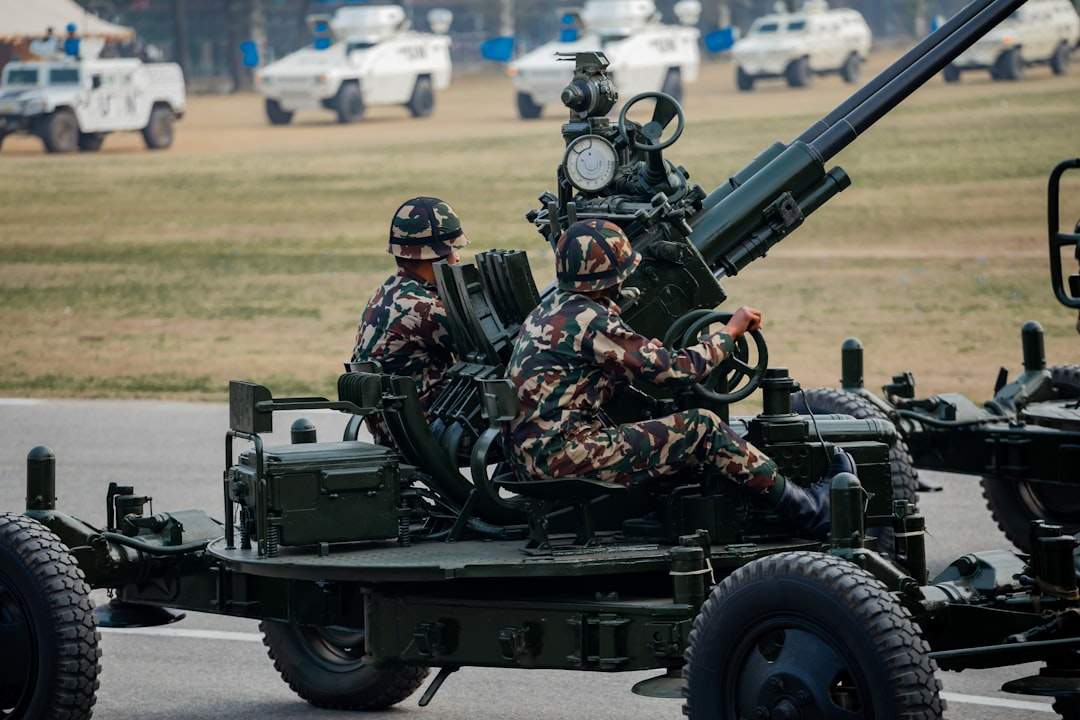
The immediate focus on military spending is a direct response to perceived regional instability, but the deeper economic goal is strategic supply chain decoupling disguised as defense modernization. For Seoul, K-Defense exports—ranging from advanced artillery systems to armored vehicles—represent a critical lock-in effect. Once recipient nations integrate Korean hardware and maintenance protocols, switching costs become prohibitively high, securing multi-decade revenue streams.
The unrelated Enbridge pipeline news in Alberta highlights the global trend toward resource security prioritization, which often runs parallel to military expenditure spikes. Nations securing defense platforms are simultaneously seeking stable long-term energy and critical mineral supplies. This dual focus means South Korean conglomerates with defense divisions *and* established resource/infrastructure arms will see compounded benefits from geopolitical hedging strategies being deployed globally. This transforms defense contracts into geopolitical anchors, elevating Korean defense contractors beyond mere component suppliers to sovereign security partners.
| Macro Variable | Global Impact | South Korean Exposure |
|---|---|---|
| Japan Security Pivot | Increased regional defense procurement competition. | Potential for secondary component sourcing opportunities for Korean defense primes. |
| USD/KRW (1439.82) | Strong dollar dampens overall Korean IT export margins. | Defense contracts denominated in USD offer immediate, favorable translation gains. |

Source: Global Intelligence Feed
3. Korea’s Position: Dilemma & Opportunity
The primary risk factor for Korean entities remains the over-concentration in high-beta export sectors. While defense provides a buffer, sustained high US interest rates (3.64%) could slow down capital investment in non-defense sectors like automotive and consumer electronics, dampening overall corporate earnings sentiment. Furthermore, any de-escalation in the primary geopolitical theater would swiftly unwind the current defense premium priced into relevant stocks.
The undeniable opportunity lies in the technology cross-pollination within defense systems. Korean defense firms are becoming crucial integrators, requiring high-specification components in areas like sensor fusion, advanced materials, and specialized computing—areas where domestic Silicon Valley-level capabilities are crucial. This necessitates increased R&D spending and strategic M&A in the domestic tech ecosystem, benefiting suppliers of high-precision components and advanced software solutions, providing an excellent corollary to the semiconductor supply chain risk mitigation efforts.
📊 Sector Impact Forecast
4. Portfolio Shift: Tactical Moves for Investors
For individual investors, the current FX environment mandates a careful approach to dollar exposure. The USD/KRW rate hovering near 1440 means overseas asset purchases are expensive, but foreign currency denominated earnings are highly attractive when repatriated. Investors should overweight Korean defense and aerospace manufacturers—the primary beneficiaries of guaranteed future cash flows from export orders. Look for companies demonstrating high backlogs denominated in stable foreign currencies.
In US equities, maintain selective exposure to firms facilitating this rearmament cycle, particularly those providing next-generation C4ISR (Command, Control, Communications, Computers, Intelligence, Surveillance, and Reconnaissance) technologies, which directly augment the capabilities sold by Korean defense primes. Avoid being overly aggressive in high-growth, rate-sensitive technology sectors until the US Fed signals a clearer path away from restrictive policy, although the current 3.64% rate provides a floor for capital deployment. A diversified portfolio should increase allocation to long-duration US Treasuries as a hedge against potential domestic inflation shocks filtering through, though the primary strategy remains capitalizing on Korean defense export momentum. The strong Yen outlook, suggested by Japan’s hawkish turn, may create derivative opportunities against the KRW, but this is secondary to the direct defense revenue stream analysis. Sector rotation toward hard assets is non-negotiable now.

Source: Global Intelligence Feed
Top 5 Strategic FAQs for Investors
A1. Direct JPY hedging is speculative; focus instead on increasing portfolio allocation to Korean exporters who invoice in USD (like defense primes), capitalizing on favorable translation gains while maintaining exposure to the domestic supply chain’s technological advancements via secondary stocks, such as advanced materials firms.
A2. It signals sustained capital expenditure discipline, which is moderately negative for Korean consumer electronics exports but stabilizing for industrial components where long-term contracts offer insulation. The primary impact is geopolitical tension, not immediate economic demand shock.
A3. Valuation must be assessed against the guaranteed future order books (backlogs). Traditional P/E multiples are less relevant than assessing the duration and currency stability of these secured export revenues, pointing toward a secular re-rating rather than temporary froth.
A4. The static rate implies persistent borrowing costs, which continues to squeeze highly leveraged mid-cap Korean IT firms relying on venture capital or corporate debt refinancing. It reinforces the safety profile of cash-rich exporters like defense primes.
A5. It highlights regulatory risk in large capital projects globally. For Korean EPC contractors, this underscores the necessity of securing sovereign guarantees from stable, defense-aligned economies, favoring contracts in Europe or Southeast Asia over heavily regulated North American energy infrastructure deals.

Hi, I’m Dokyung, a Seoul-based tech and economy enthusiast. South Korea is at the forefront of global innovation—from cutting-edge semiconductors to next-gen defense technology. My mission is to translate these complex industry shifts into clear, actionable insights and everyday magic for global readers and investors.