
Skip Myeongdong: 5 Best Value Hotels in Seoul Under $100 That Locals Actually Like
Listen, I get it. You open Google Maps, you see “Myeongdong,” and you think, “This is the center, I have to stay here.”
Stop right there.
As your local insider (think of me as your Korean Hyung or Unnie), I need to tell you the truth: Myeongdong is for shopping, not for sleeping. Unless you enjoy paying a 30% “tourist tax” on room rates for a shoebox-sized room surrounded by crowded streets and overpriced street food, there is a better way.
Real Seoulites—the designers, the students, the young professionals—don’t hang out in Myeongdong. We hang out in neighborhoods that have soul, grit, and incredible coffee. And guess what? The hotels there are cheaper, cooler, and bigger.
If you want to experience the real Seoul—waking up to the smell of freshly roasted sesame oil in a local market or stumbling upon a vinyl bar in a hidden alley—you need to change your base camp.
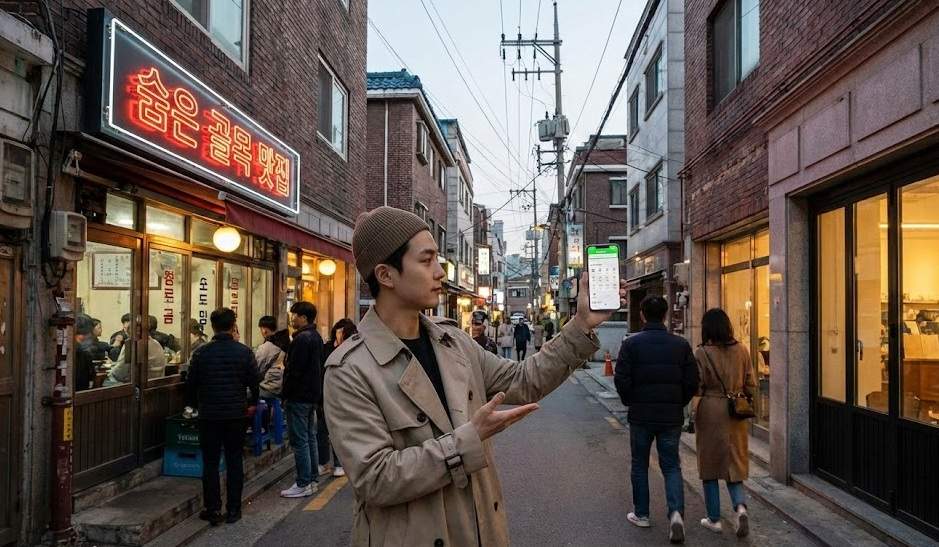
This guide is your blueprint to booking accommodation like a savvy local. We are going to use Naver Map (forget Google Maps, it’s useless here), ride the Green Line, and stay in places that make your Instagram feed look like a magazine spread.
🚀 The “Seoul Cheat Sheet”: Top 5 Hidden Gems (At a Glance)
Before we dive deep, here is the quick list for those ready to book. These spots balance price, design, and distinct local vibes.
| Hotel Name | Hangul Search (Naver Map) | Neighborhood Vibe | Best For… | |
| Hotel Pochel | 호텔 포레 | Seongsu-dong (The “Brooklyn” of Seoul) | Cafe hoppers & Trendsetters | |
| Local Stitch Creator Town | 로컬스티치 크리에이터 타운 | Seogyo-dong (Near Hongdae) | Digital Nomads & Solo Travelers | |
| UH Suite The Seoul | UH 스위트 | Jung-gu (Near Station) | Groups & Modern Hanok Aesthetics | |
| GLAD Mapo | 글래드 마포 | Gongdeok (Transport Hub) | Efficiency & Airport Access | |
| Hotel Cappuccino | 호텔 카푸치노 | Gangnam (Nonhyeon) | Pet lovers & Rooftop Views |
💡 Pro Tip: When searching for these locations, ALWAYS copy and paste the Hangul name into Naver Map or KakaoMap. Google Maps is often outdated or romanizes names incorrectly.
🗺️ The “Green Line” Hack: Why Location is Everything
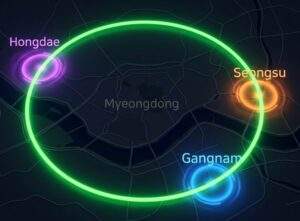
Before you pick a hotel, you need to understand the Seoul Subway Line 2 (The Green Line).
Think of Line 2 as the “Circle Line” or the “Loop.” It connects the three major centers of Seoul:
-
North/West: Hongdae (Youth culture, Nightlife)
-
Center: City Hall/Euljiro (History, Palaces)
-
South: Gangnam (Business, Shopping)
The Strategy: If your hotel is within a 5-10 minute walk of any Line 2 station, you are effectively 20-30 minutes away from almost anywhere you want to go. Don’t get stuck on a remote line just to save $5 a night. You will pay for it in wasted time and taxi fares.
🏙️ The Top 5 Best Value Hotels in Seoul (Detailed Breakdown)
1. Hotel Pochel (Seongsu-dong)
Hangul: 호텔 포레 / 호텔 포실
The Vibe: Industrial Chic meets K-Pop Aesthetic.
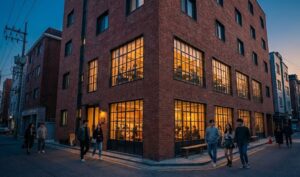
Seongsu-dong is currently the hottest neighborhood in Seoul. It’s filled with red-brick factories turned into cafes, pop-up stores (like Dior and Gentle Monster), and galleries. Hotel Pochel captures this vibe perfectly. It’s gritty on the outside but sleek and modern on the inside.
-
Pros:
-
Walking distance to the famous Seongsu Cafe Street (성수동 카페거리).
-
Rooms are significantly larger than Myeongdong counterparts.
-
Surrounded by the best bakeries in the city (Search for Onion or Nudake).
-
-
Cons:
-
It sells out fast on weekends.
-
Not a “luxury” lobby, more boutique/minimalist.
-
-
Best For: Travelers who care about aesthetics and coffee.
2. Local Stitch Creator Town Seogyo (Seogyo-dong)
Hangul: 로컬스티치 크리에이터 타운 서교
The Vibe: Co-living Creative Hub.
This isn’t just a hotel; it’s a community. Located near Hongdae but just far enough away to be quiet, Local Stitch is designed for digital nomads and “work-cationers.” The design is raw concrete, wood, and abundance of natural light.
-
Pros:
-
Incredible shared workspaces and lounges (great for meeting people).
-
Located near Mangwon Market (망원시장) – the best traditional food market for young people.
-
Price-to-quality ratio is unbeatable.
-
-
Cons:
-
Some rooms are “minimalist” (read: compact).
-
Self-service focus (don’t expect a bellboy).
-
-
Best For: Solo travelers and remote workers.
3. UH Suite The Seoul (Jung-gu/Gwanghwamun area)
Hangul: UH 스위트
The Vibe: Modern Hanok Serenity.
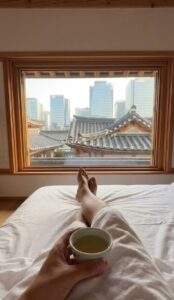
If you want the feeling of a traditional Korean house (Hanok) but don’t want to sleep on the floor or deal with drafty windows, UH Suite is the answer. They use traditional wood aesthetics and low tea tables, framing the city view like a painting.
-
Pros:
-
Stunning interiors that look incredible on social media.
-
Often includes a specialized tea ceremony set in the room.
-
Perfect central location for visiting Palaces (Gyeongbokgung).
-
-
Cons:
-
Slightly pricier than the others on this list, but worth it for the “vibe.”
-
Entrance can be discreet and hard to find without Naver Map.
-
-
Best For: Couples or small groups wanting a “Korean” atmosphere.
[related post: Myeongdong or Gangnam: The Ultimate Neighborhood Showdown (Local’s Secret Guide)]
4. GLAD Mapo (Gongdeok)
Hangul: 글래드 마포
The Vibe: Sleek Business Efficiency.
Gongdeok is the unsung hero of Seoul locations. It sits right on the AREX (Airport Railroad) line. You can hop off the plane and be in your room in 50 minutes without transferring. GLAD is a design-conscious business hotel chain that feels much more expensive than it is.
-
Pros:
-
Direct Airport Access: No hauling luggage up subway stairs.
-
Connected to 4 subway lines (Quadruple station).
-
Located right above “Jeon Alley” (Gongdeok Jeon Golmok), famous for Korean pancakes and fried snacks.
-
-
Cons:
-
It’s a big hotel, so check-in can have a queue.
-
The area is a business district, so it’s quieter late at night (but Hongdae is one stop away).
-
-
Best For: Travelers who prioritize convenience and transport.
5. Hotel Cappuccino (Gangnam/Nonhyeon)
Hangul: 호텔 카푸치노
The Vibe: Urban Eco-Cool.
Gangnam can be sterile and expensive, but Hotel Cappuccino breaks the mold. It’s young, dog-friendly, and has a heavy focus on upcycling and eco-friendly practices. The rooftop bar offers one of the best views of the Gangnam skyline without the $20 cocktail price tag of nearby luxury hotels.
-
Pros:
-
Amazing Rooftop Bar (Search: Rooftop Bar Cappuccino).
-
Very English-friendly staff and international vibe.
-
“Bark Rooms” available if you are traveling with a pet.
-
-
Cons:
-
It is located on a hill (a bit of a hike from the subway station).
-
Rooms maximize space with elevated beds, which might not be for everyone.
-
-
Best For: Younger travelers wanting to explore Gangnam on a budget.
🤫 Insider Secret: The “Boutique Motel” Hack
Here is a secret most travel guides won’t tell you.
In Korea, there is a blurry line between a “Hotel” and a “Motel.” Historically, motels were for… hourly encounters. But in the last decade, the industry transformed.
Today, many “Boutique Hotels” listed on Agoda are actually renovated high-end motels. Do not be afraid of them.
Why stay in them?
-
High Tech: Often have huge 65″ Smart TVs, high-end PCs (for gaming), and styling (steam) closets for your clothes.
-
Huge Bathrooms: Whirlpool tubs are standard.
-
Price: Usually 30-40% cheaper than business hotels.
How to spot a “Good” one vs. a “Sketchy” one:
-
Look for the word “Design” or “Stay” in the name.
-
Check the check-in time. If check-in is late (like 6:00 PM or 8:00 PM), it’s a motel catering to day-use. Try to find ones with 3:00 PM check-in.
-
Book via Agoda or Booking.com. If it’s on a major international platform with a rating above 8.0, it is tourist-safe and clean.
[related post: Master Goshiwon life in Korea: Local Secrets to Micro-Living in Korea]
❓ The “Insider” FAQ
Q: Is it safe to stay in non-tourist areas like Seongsu or Gongdeok?
A: Absolutely. Korea is one of the safest countries in the world. You can walk these streets at 2 AM with your AirPods in and phone out without worry. The “non-tourist” areas are actually safer from pickpockets than Myeongdong.
Q: Will the staff speak English in these boutique hotels?
A: In the hotels listed above? Yes. In smaller “Motels”? Maybe not fluently. However, every front desk has a translation app tablet ready. Don’t stress—papago (the translation app) is your best friend here.
Q: Why do you hate Google Maps so much?
A: I don’t hate it, but the South Korean government restricts map data export for security reasons. Google Maps cannot give you walking directions or accurate travel times in Seoul. Download Naver Map or KakaoMap. They have English interfaces now and are essential for survival.
Q: Do I need to tip the hotel staff?
A: No! Korea has a strict no-tipping culture. Excellent service is included in the price. Tipping can actually be seen as rude or confusing. Keep your money for more Samgyeopsal (Pork BBQ).
Q: What is the best app to book these hotels?
A: Locals use apps like Yanolja or Yeogi Eottae, but they require a Korean phone number and payment method. For you, Agoda usually has the best inventory and prices for Asia. Compare with Booking.com, but Agoda usually wins in Korea.
Conclusion: Don’t Be a Tourist, Be a Traveler
Seoul is a city of layers. The surface layer is bright lights, Myeongdong street food, and generic luxury. But peel that back, and you find the alleys of Euljiro, the brick cafes of Seongsu, and the quiet efficiency of Gongdeok.
Choosing the right hotel is the first step in seeing the real Korea. Save your money on the room so you can spend it on what really matters: K-BBQ, skincare, and experiences that you’ll talk about for years.
Grab your T-Money card, download Naver Map, and I’ll see you on the Green Line.
Enjoy your stay!

Hi, I’m Dokyung, a Seoul-based tech and economy enthusiast. South Korea is at the forefront of global innovation—from cutting-edge semiconductors to next-gen defense technology. My mission is to translate these complex industry shifts into clear, actionable insights and everyday magic for global readers and investors.