
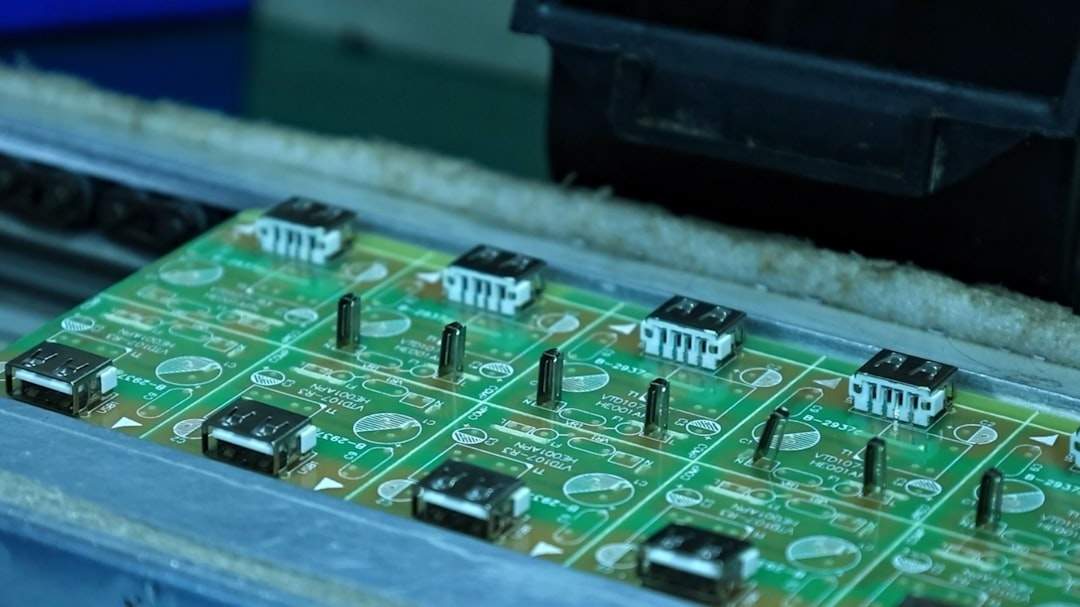
1. Global Trigger: The Macro Shift
The global technology landscape is cementing itself around two distinct and competing spheres of influence: the US-led alliance and the self-reliant push from Beijing. We are seeing clear evidence of this strategic bifurcation in trade flows and policy pronouncements. Recent data shows US exports from Taiwan now exceeding those from China for the first time in decades, largely fueled by the AI gold rush. This shift highlights where advanced systems—the lifeblood of AI—are currently flowing.
Domestically, the USD/KRW exchange rate is hovering near 1,499, making exports moderately more attractive in won terms, even as the US Fed Funds Rate remains elevated at 3.64%. Meanwhile, China’s latest five-year plan doubles down on technological self-reliance, explicitly targeting breakthroughs in sensitive areas like chips and rare earth processing. This push is not just rhetoric; it signals an accelerated, state-backed competition that impacts every tier of the semiconductor supply chain.
Source: Global Intelligence Feed
2. Geopolitical Context: The Hidden Agenda
The narrative here is clear: the US is actively building the “Pax Silica” alliance, including India, to secure supply chains for AI, chips, and critical minerals like those needed for gallium and germanium processing. This alliance directly aims to create robust alternatives to both China and Taiwan for certain materials and talent development.
China’s response, as embedded in its five-year plan, is a doubled-down effort on technological sovereignty, especially in response to export controls. They are weaponizing their existing advantages, particularly in rare earths, while trying to achieve AI breakthroughs domestically. The constant backdrop of geopolitical tension, including classified warnings about cross-strait risks, means supply chain stability is now a matter of national security for global tech players.
The US government is also leveraging AI tools, like DARPA’s OPEN program, to set reference prices for these strategic minerals, aiming to reduce price manipulation risks associated with concentrated supply—a direct shot at China’s leverage. This entire structure forces technology companies to choose sides or secure incredibly diverse supply lines.
| Macro Variable | Global Impact | South Korean Exposure |
|---|---|---|
| Pax Silica Expansion | Diversification of non-China sourcing for AI components. | Opportunity for Korean foundries to secure non-China contracts. |
| China Self-Reliance Push | Increased domestic R&D spending, potential for subsidized competition later. | Risk to Korean fabless designs if China achieves parity sooner than expected. |
Source: Global Intelligence Feed
3. Korea’s Position: Dilemma & Opportunity
South Korea is caught squarely between these two giants, a position that is both dangerous and immensely profitable if managed correctly. The core challenge lies in the foundry sector’s reliance on US technology (EDA tools, equipment) versus the fabless sector’s historical access to the vast Chinese market.
For domestic fabless companies designing AI accelerators, the opportunity lies in being the design partner of choice for the US-aligned supply chain. Companies that can prove adherence to the Pax Silica standards will secure long-term, high-volume orders. This means specializing in cutting-edge nodes where US partnerships remain indispensable.
Conversely, the foundry segment faces pressure to expand capacity outside of immediate geopolitical hotspots, even while serving established clients everywhere. The news that 6G development is already underway shows the relentless pace; Korean firms must secure funding now for the next process node, perhaps through strategic partnerships secured via the semiconductor talent pipeline agreements with allies like India.
📊 Sector Impact Forecast
4. Portfolio Shift: Tactical Moves for Investors
Given the elevated USD/KRW rate of 1,498.88, South Korean exporters remain fundamentally strong in dollar terms. However, this rate is also a function of US economic strength and interest rate expectations.
For currency exposure, maintain a tactical bias toward dollar-denominated assets or Korean exporters that derive the vast majority of their revenue outside of China. When the Fed eventually signals rate cuts (which might happen if US CPI growth slows below the current 327.460 index level), expect the won to appreciate, putting pressure on recent export margins.
In US equities, favor companies that are actively participating in the Pax Silica ecosystem, particularly those developing foundational software or specialized equipment necessary for allied chip production hubs in India or Southeast Asia. Avoid companies whose growth forecasts are overly dependent on unrestricted access to the Chinese domestic AI buildout. Review your exposure to pure-play Chinese tech firms carefully.
Domestically, focus on companies that supply materials or services deemed “non-export controlled” but essential for high-tech fabrication, or those offering infrastructure spend supporting the new geopolitical reality. The AI race isn’t just about chips; it’s about the entire ecosystem, as noted by the widening trade deficits despite tariff actions, suggesting underlying structural demand shifts. For more on global trade dynamics, see this external authority on trade policy.

Source: Global Intelligence Feed
Top 5 Friendly FAQs for Investors
A1. Not immediately, but diversification must be prioritized. Focus R&D on products that require leading-edge nodes where US export control compliance is non-negotiable, effectively segmenting your market access strategy.
A2. It inflates their won-based costs if they import raw materials, but it boosts the dollar value of their contracts. The net effect hinges on their specific input sourcing strategy and the relative strength of their local vs. foreign client base.
A3. Potentially, if the niche is critical infrastructure maintenance or specialized cooling for massive data centers. The key is finding a component supplier that is low-profile but essential, similar to the Global Intelligence Report suggests.
A4. The primary risk is that increased focus on talent and infrastructure in India draws R&D resources away from Korea in the long term, especially if the US incentivizes shifting advanced manufacturing stages there.
A5. It suggests that structural consumer demand or industrial requirements are so high that tariffs cannot effectively deter necessary imports, meaning the underlying demand for semiconductors and related tech remains exceptionally strong globally.
