
1. Global Trigger: The Macro Shift
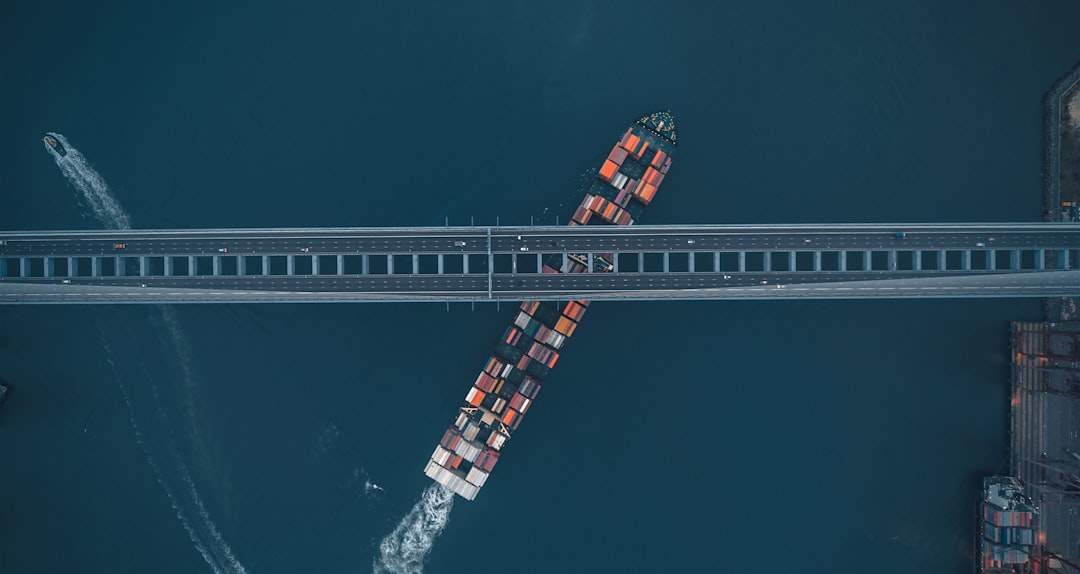
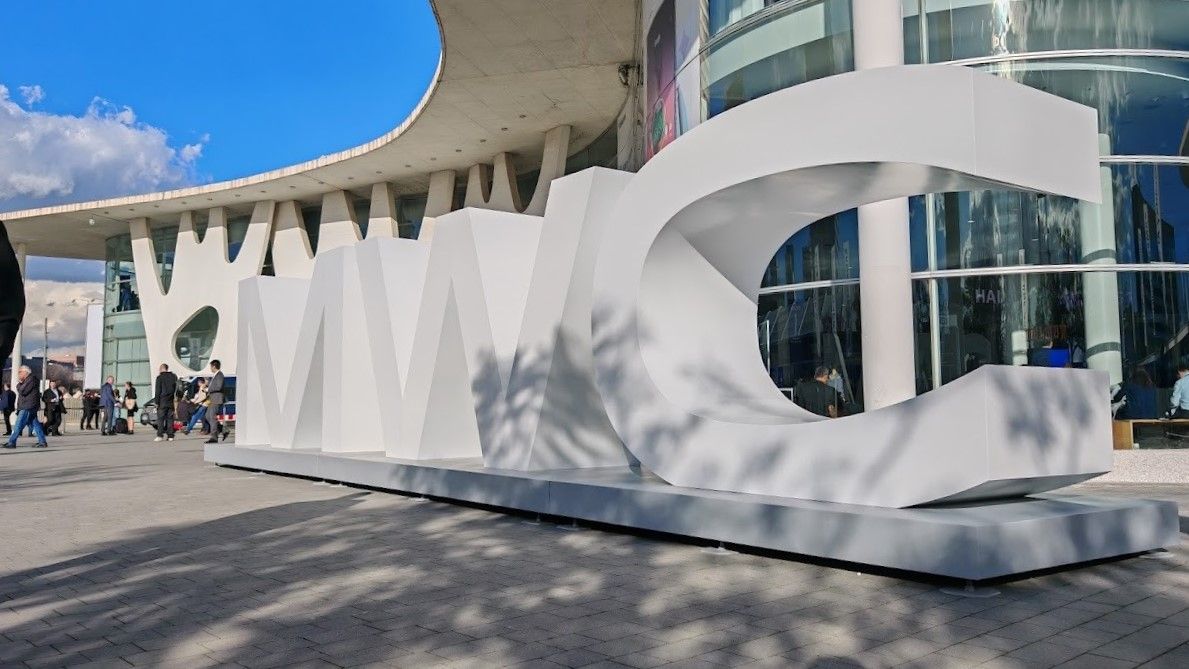
We are witnessing a dangerous convergence of technological demand and geopolitical instability, creating a severe supply chain choke point centered on memory chips. Reports from MWC 2026 confirm that while innovation marches on with AI and advanced hardware, the underlying component costs are exploding.
The RAM shortage is now the defining factor for the consumer electronics market. Memory prices have reportedly tripled or even sextupled, driving drastic downward revisions for product sectors like smartphones, which now face a 13% annual decline in shipments.
On the macro front, the US Federal Funds Rate remains high at 3.64%, keeping financial conditions tight globally. Meanwhile, the USD/KRW rate is testing new highs, hitting 1482.98. This high dollar benefits exporters’ nominal revenue but exacerbates import costs for inputs.
Source: Global Intelligence Feed
2. Geopolitical Context: The Hidden Agenda
The economic friction is increasingly being weaponized through supply chain control. We are seeing real-time examples of nations using trade access as leverage, exemplified by the dispute between Nexperia (Netherlands) and its Chinese operations, where IT systems were allegedly locked out, prompting a warning from Beijing.
This isn’t just about one company; it signals a broader trend of supply chain fragmentation driven by political mistrust. Parallel to tech disruptions, the conflict in Iran has closed the Strait of Hormuz, threatening not only oil flow but also global food supplies, which impacts input costs and regional stability across Southeast Asia.
The rise of strategic assets like Starlink also feeds into this dynamic, as its militarization is viewed by major powers as a threat to global strategic stability. For Seoul, this means dual-sourcing and regional diversification are no longer optimization strategies; they are essential survival tactics. You can read more about the future of decentralized protocols here: Crypto Market Trends.
| Macro Variable | Global Impact | South Korean Exposure |
|---|---|---|
| Memory Chip Price Surge | Cripples budget electronics, prioritizes high-end AI infrastructure spending. | Massive margin pressure on finished goods (Samsung, SK Hynix) unless they are the primary supplier. |
| USD/KRW at 1482 | Increases import costs for energy and raw materials; boosts nominal export earnings. | Favorable for revenue reporting, but raises domestic operational costs and inflation risk for consumers. |
Source: Global Intelligence Feed
3. Korea’s Position: Dilemma & Opportunity
South Korean conglomerates face a classic dilemma: they are deeply integrated into global supply chains, making them vulnerable to fragmentation, yet they are also leaders in the very components (like high-end memory) that are now scarce.
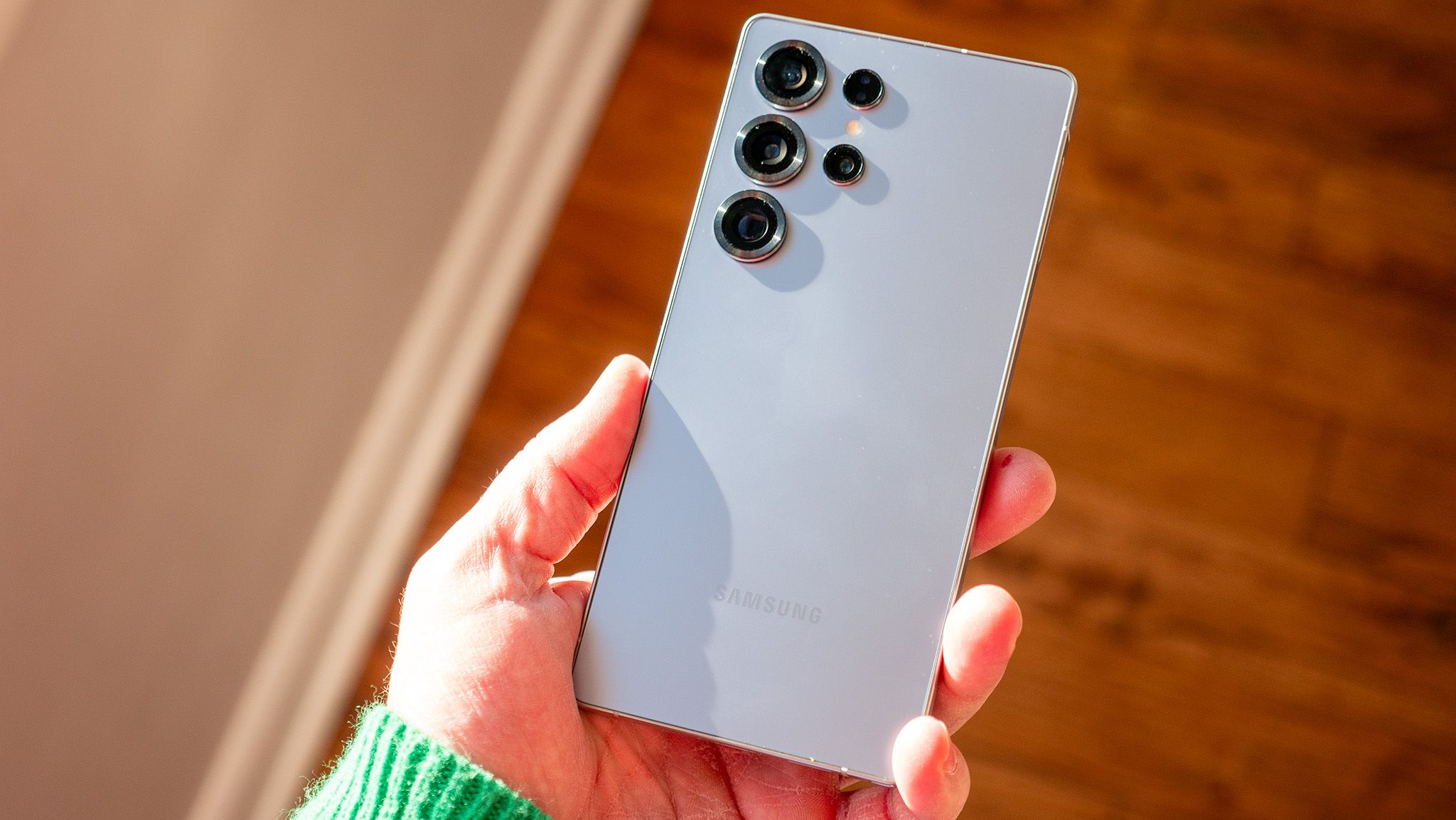
The primary risk is demand destruction in mid-to-low-tier hardware, like budget phones, due to memory pricing. However, Samsung’s Galaxy S26 launch is perfectly timed to capture the high-margin, premium segment less sensitive to these cost spikes.
The opportunity lies in strategic de-risking. Companies must accelerate efforts to build localized, redundant supply chains outside of current geopolitical hotspots. This means increased CapEx in stable regions, perhaps focusing on Vietnam, India, or North America for assembly, even if initial costs are higher.
The overarching theme is resilience over pure efficiency. Companies that successfully navigate component sourcing bottlenecks while maintaining cutting-edge AI development will dominate. This requires heavy investment in advanced semiconductor manufacturing.
📊 Sector Impact Forecast
4. Portfolio Shift: Tactical Moves for Investors
Given the high USD/KRW rate of 1482 and sustained high US interest rates (3.64%), currency hedging becomes paramount for portfolio stability.
For USD exposure, focus on sectors decoupled from the consumer electronics cycle but benefiting from AI demand and infrastructure build-out. Think global data center REITs or specialized industrial automation firms. Unless the Fed cuts rates below 3.00%, holding excessive long-term US duration assets remains risky.
For South Korean export conglomerates, a long-short strategy is advisable. Go long on companies with guaranteed high-margin memory supply contracts (the oligopoly leaders) and short companies heavily reliant on selling high-volume, low-margin consumer products that will suffer from the RAM shortage impact.
Investors should also look closely at firms actively diversifying away from Chinese manufacturing bases, as geopolitical risk is now priced into long-term contracts. This diversification efforts signal future operational resilience, which warrants a premium valuation. Look for signs of new factory announcements in emerging markets—this is the real signal for long-term growth in Korean exports.

Source: Global Intelligence Feed
Top 5 Friendly FAQs for Investors
A1. Absolutely not. The decline is concentrated in budget phones. Conglomerates must pivot capacity aggressively towards AI hardware, automotive semiconductors, and high-end memory production where demand remains inelastic and pricing power is strong.
A2. While the direct impact is on oil and food prices—raising domestic operational costs—the greater threat is regional instability, which can disrupt critical shipping lanes used for exporting finished goods to Europe and the Middle East. This creates uncertainty that rattles investor confidence.
A3. Not necessarily. With US interest rates steady, the dollar might remain elevated or even appreciate further if geopolitical shocks worsen. Unless you have immediate KRW-denominated liabilities, holding a strategic portion of USD earnings can act as a hedge against potential further KRW depreciation.
A4. They are a long-term tailwind for Korean dominance in leading-edge, trusted fabrication. As geopolitical tensions fracture the ecosystem, nations and companies seek reliable, non-contentious sources. Samsung and SK Hynix are perfectly positioned to capture market share lost by smaller, politically exposed players.
A5. It’s a defensive investment. As terrestrial infrastructure faces higher risk from conflict (like energy crises impacting power grids), companies investing in resilient, satellite-linked communication and logistics systems will maintain operational continuity better than competitors. This is vital for risk mitigation.

Hi, I’m Dokyung, a Seoul-based tech and economy enthusiast. South Korea is at the forefront of global innovation—from cutting-edge semiconductors to next-gen defense technology. My mission is to translate these complex industry shifts into clear, actionable insights and everyday magic for global readers and investors.