

🎯 Key Takeaways
- Despite its niche cultural origin, Mukbang content now commands significant viewership, with top channels accumulating billions of views across platforms.
- The format’s direct monetization through platform revenue, brand sponsorships, and virtual gifting has forged a viable digital creator economy, particularly robust in South Korea.
- Future growth hinges on platforms adapting to evolving content demands and addressing sustainability concerns to maintain viewer engagement and market credibility.
[TOC_PLACEHOLDER]
Millions tune in daily to watch strangers consume vast quantities of food. What began as a quirky South Korean phenomenon has blossomed into a global digital industry, reshaping entertainment consumption and culinary trends across continents. Understanding its underlying mechanics reveals more than just a passing internet fad.
#1. From Niche Stream to Multi-Billion Dollar Digital Export
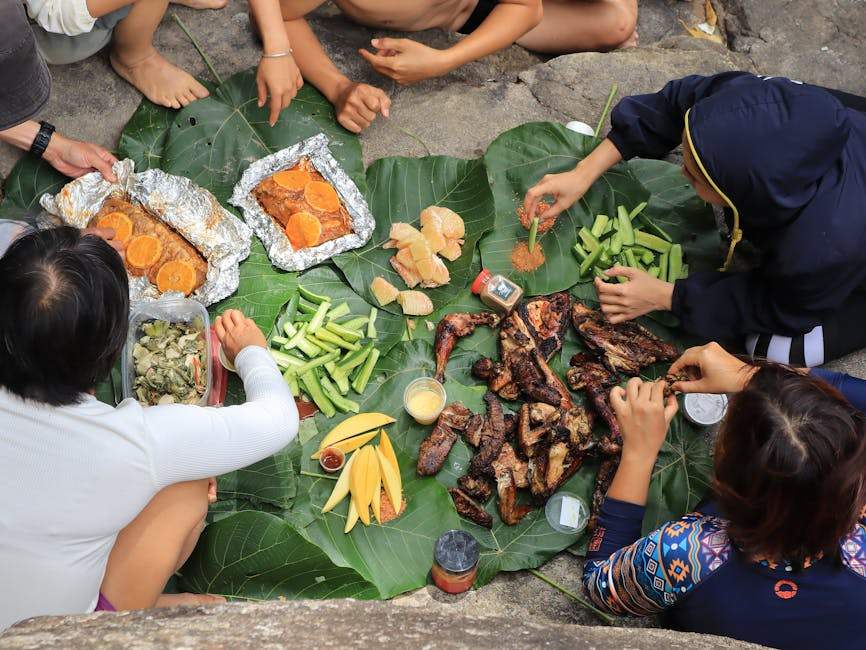
The concept of Mukbang, a portmanteau of the Korean words “muk-ja” (eating) and “bang-song” (broadcast), emerged from South Korea’s AfreecaTV platform in the late 2000s. It involved individuals, known as Broadcast Jockeys (BJs), live-streaming themselves eating large quantities of food while interacting with an audience. This intimate, real-time engagement fostered a unique sense of community, appealing particularly to single-person households seeking virtual companionship during meals.
Its global trajectory accelerated with the advent of YouTube, transcending linguistic barriers and cultural specificities. Viewers from New York to Singapore began tuning in, drawn by the visual spectacle, ASMR qualities, or simply the vicarious pleasure of watching someone else indulge. This organic spread transformed Mukbang from a local curiosity into a significant digital export. Various industry analyses estimate the broader influencer marketing sector, which Mukbang content forms a growing part of, could approach over $200 billion annually, highlighting the substantial economic currents these digital phenomena navigate.
The sheer volume of content and viewership now represents tangible economic value. Top channels regularly command billions of views across their video libraries, generating substantial advertising revenue for platforms and creators alike. This digital gastronomic trend has not only entertained but also solidified South Korea’s position in the global digital content landscape.

#2. Monetization Models: Beyond Ad Revenue
Mukbang’s economic success extends far beyond simple advertising revenue shares. Creators, particularly those on South Korean platforms like AfreecaTV, benefit significantly from direct audience contributions. Viewers purchase “Star Balloons,” a virtual currency, to send as gifts to BJs during live broadcasts, creating a direct and immediate income stream that can amount to tens of thousands of dollars in a single popular session.
On global platforms like YouTube, the revenue mix diversifies. While YouTube’s advertising program remains a core component, a substantial portion of earnings for top-tier Mukbangers now comes from brand sponsorships and product placements. Food brands, restaurants, and even kitchenware manufacturers recognize the immense reach and influence these creators wield, leveraging their content to introduce new products or boost sales. Some of the most prominent Mukbang personalities, both in Korea and internationally, reportedly earn millions of dollars annually through this combination of platform revenue and lucrative brand collaborations, underscoring the shift in digital marketing budgets.
#3. Shaping Global Palates and Supply Chains
The cultural impact of Mukbang is undeniable, particularly in its role as a global ambassador for Korean cuisine. Through these captivating eating broadcasts, dishes like spicy tteokbokki, crispy Korean fried chicken, and savory samgyeopsal have been introduced to millions of international viewers, sparking curiosity and driving demand. This exposure has translated into tangible economic benefits for South Korea’s food industry.
Data suggests South Korea’s agricultural food exports, which include many of the popular items featured in Mukbang videos, exceeded $12 billion in 2023. This figure represents a significant increase over the past decade, with digital content creators playing a direct role in popularizing these products abroad. Restaurants specializing in Korean food have seen increased foot traffic, and grocery stores report higher sales of specific Korean ingredients, demonstrating a clear link between digital content and consumer behavior.
Furthermore, the technological backbone supporting these broadcasts, from high-definition cameras to advanced streaming algorithms, mirrors broader trends in the Korean digital sector. The expertise developed in managing vast amounts of live video data and engaging global audiences also feeds into other digital entertainment ventures, including those exploring AI entertainment production. Mukbang’s ability to drive specific culinary trends illustrates the profound influence of digital media on global consumer markets.
#4. The Unseen Costs: Health, Ethics, and Creator Burnout
While Mukbang’s economic and cultural contributions are substantial, the industry isn’t without its significant challenges and ethical quandaries. Public health officials in cities like Seoul have increasingly voiced concerns over the long-term health implications for creators. The regular consumption of extremely large and often unhealthy portions can lead to severe issues, including obesity, metabolic syndrome, digestive problems, and even eating disorders, impacting the well-being of those who make their living from this content.
Beyond individual health, broader ethical debates persist around food waste and the potential normalization of overeating, particularly in parts of the world grappling with food scarcity. Critics argue that the spectacle of consuming vast quantities purely for entertainment can send a problematic message. The pressure to innovate with ever-larger, spicier, or more unusual meals also contributes to significant creator burnout, as individuals struggle to maintain viewership and engagement in an increasingly saturated market.
These concerns present a genuine reputational risk for platforms and sponsors associated with Mukbang. Maintaining trust with audiences requires a delicate balance between entertainment value and social responsibility, a challenge that will likely necessitate industry-wide discussions and potentially new content guidelines in the coming years.
#5. Future Trajectories: AI, VR, and Content Diversification
The Mukbang industry, like much of the digital content landscape, is poised for further technological integration and content evolution. Platforms are actively exploring the use of artificial intelligence to enhance viewer experience, from personalized content recommendations to more sophisticated real-time interaction features. There’s growing speculation about the integration of virtual reality (VR) and augmented reality (AR), potentially offering immersive dining experiences where viewers could “virtually” join their favorite creators at the table within the next five years.
Content diversification will also be key to sustained growth. Many successful Mukbangers are already expanding into related genres, incorporating cooking tutorials, restaurant reviews, and even travel vlogs focused on local cuisine. This blend of gastronomy and lifestyle content helps mitigate the risks associated with repetitive eating challenges and broadens their appeal. The underlying cloud infrastructure, exemplified by companies like Naver Cloud’s advancements in AI access, will be crucial for powering these increasingly complex and interactive digital experiences.
Regulatory discussions may also shape the future. As the industry matures, governments and platforms might introduce guidelines concerning content featuring extreme consumption or clear disclosure of sponsored material. This evolution will determine whether Mukbang can transition from a viral sensation to a more established, responsible, and diversified form of digital entertainment.

Quick Q&A
A1. Mukbang created a vibrant new segment of the creator economy, driving significant ad revenue for platforms like AfreecaTV and YouTube, and generating substantial income for thousands of BJs. This digital content stream also stimulated demand for high-speed internet infrastructure and advanced streaming technologies, contributing to South Korea’s reputation as a leader in digital media innovation. The surge in popularity has also indirectly bolstered interest in Korean popular culture globally, extending its soft power reach beyond music and drama.
A2. Top creators typically generate income from a diverse mix of direct platform monetization and lucrative brand sponsorships. Direct revenue includes YouTube ad share and virtual “Star Balloon” donations on AfreecaTV, which can represent a significant portion of their earnings. Brand deals often involve product placements, dedicated review segments for food brands, restaurants, and kitchenware companies, sometimes contributing millions of dollars annually for the most popular figures.

Hi, I’m Dokyung, a Seoul-based tech and economy enthusiast. South Korea is at the forefront of global innovation—from cutting-edge semiconductors to next-gen defense technology. My mission is to translate these complex industry shifts into clear, actionable insights and everyday magic for global readers and investors.