
🎯 Key Takeaways
- The global mukbang market, driven by figures like Tzuyang, reportedly generates hundreds of millions of dollars annually, underscoring the power of influencer-led content.
- Mukbang acts as a potent, albeit unconventional, form of cultural diplomacy, directly exposing international audiences to Korean cuisine and dining customs.
- Future growth hinges on creators balancing authenticity with sustainability, exploring new immersive technologies, and expanding into physical product lines.
[TOC_PLACEHOLDER]
Every night, millions across the globe tune in to watch someone eat. This isn’t a family dinner; it’s a digital spectacle, a feast for the eyes often orchestrated by a single individual in Seoul or Busan. How did the simple act of eating become one of Korea’s most unexpected global exports?
#1. The Digital Banquet: How Mukbang Became a Global Spectacle
The rise of mukbang, a portmanteau of the Korean words for “eating” (meokneun) and “broadcast” (bangsong), represents a unique evolution in digital content. What began as a niche phenomenon on local streaming platforms like AfreecaTV has exploded onto YouTube, TikTok, and other global channels. Figures like Tzuyang, whose real name is Choi Ji-hwan, are at the forefront of this digital dining revolution, captivating viewers with her prodigious appetite and approachable demeanor. Her channel boasts over 10 million subscribers, a testament to mukbang’s widespread appeal. Viewers from diverse linguistic backgrounds tune in daily, drawn by the visual and auditory experience of food consumption, often without understanding a single word spoken. This demonstrates a universal human connection to food, transcending traditional media barriers.
This success isn’t just about large meals; it’s about the production value, the personality, and the parasocial relationship built with an audience. Creators invest heavily in high-quality microphones to capture every crunch and slurp, creating an immersive auditory experience often referred to as ASMR (Autonomous Sensory Meridian Response). This detailed focus on the sensory aspects elevates mukbang from simple eating to a carefully crafted performance, blurring the lines between entertainment and culinary exploration. A 2023 report on digital content consumption highlighted mukbang as one of the fastest-growing niche categories, particularly among younger demographics seeking authentic, unscripted content.

#2. Economic Engines: Fueling K-Food’s Global Expansion
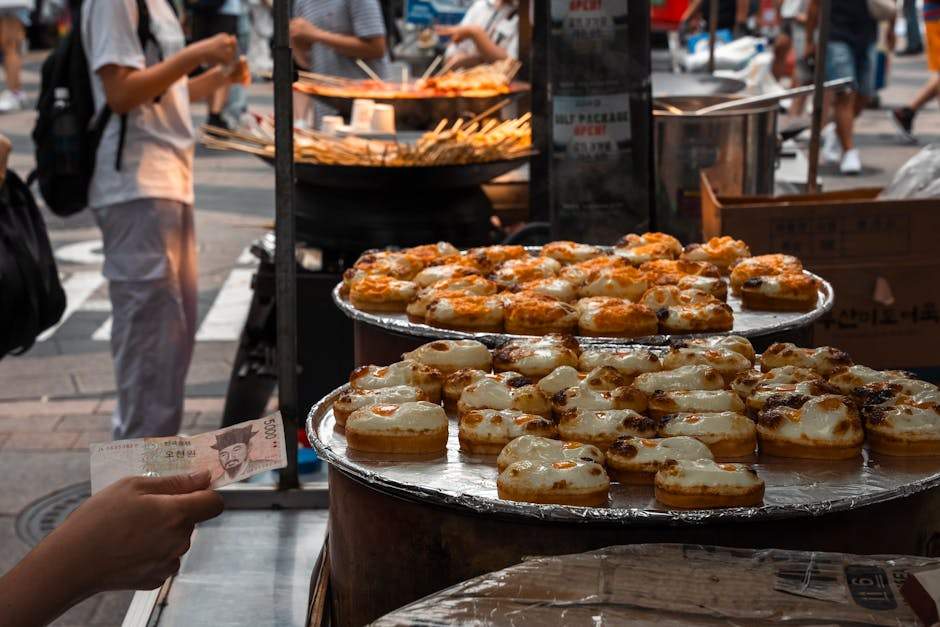
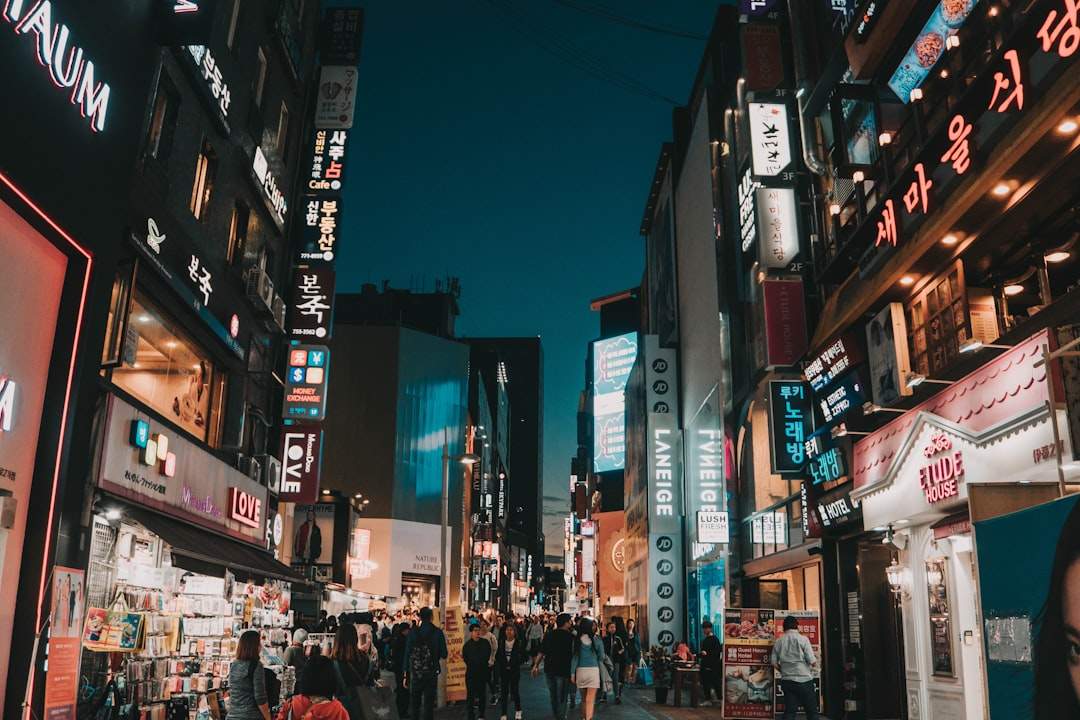
Beyond entertainment, mukbang creators like Tzuyang have inadvertently become powerful ambassadors for Korean cuisine. Her videos frequently showcase a vast array of traditional and modern Korean dishes, from sizzling samgyeopsal (pork belly) to spicy tteokbokki (rice cakes) enjoyed in bustling Seoul neighborhoods. This consistent visual exposure generates curiosity and demand, prompting international viewers to seek out Korean restaurants or ingredients in their local markets. The effect is measurable: reports indicate a sustained double-digit growth in Korean food exports over the past five years, with sauces and instant noodles seeing particular spikes in markets heavily exposed to K-content.
The cultural ripple effect extends further, influencing everything from tourism to supermarket shelves. In cities like Los Angeles or London, new Korean eateries often cite mukbang trends as a significant driver of customer interest, particularly for specific dishes featured by popular creators. This isn’t just organic growth; it’s a direct, influencer-driven economic impact. This ecosystem supports a burgeoning industry of food suppliers, restaurant owners, and even Korean language educators, all benefiting from the global spotlight cast by these digital eating shows. It’s a novel form of soft power, one bite at a time.
#3. Beyond the Plate: Creator Economy and Brand Power
The influence of mukbang personalities now extends well beyond their video streams, transforming them into formidable brand entities. Tzuyang, for instance, has leveraged her immense popularity into various collaborations, including partnerships with food delivery services and appearances on mainstream television shows. These ventures solidify her status as a mainstream celebrity, not just a digital one, and open new revenue streams that diversify her income beyond ad revenue. It’s a testament to the evolving creator economy, where individual personalities can build empires. This strategic expansion into broader media and commercial spaces allows creators to cement their legacy and financial stability, showcasing a sophisticated approach to digital entrepreneurship. To understand how South Korea nurtures this talent, one might consider how Korean studios already mastering AI entertainment are also exploring new ways to engage and monetize digital talent.
Moreover, top mukbangers are increasingly exploring proprietary food brands or restaurant chains, attempting to translate their virtual appeal into tangible products. Imagine a “Tzuyang’s Tteokbokki” brand available in supermarkets or a pop-up restaurant in Gangnam drawing queues around the block. This vertical integration from content creator to product owner represents a significant shift, allowing them to capture more value from the culinary trends they initiate. It’s a smart play in a crowded digital landscape, where owning a physical product can offer a hedge against platform changes and content fatigue. This trend mirrors how successful K-Pop idols launch fashion lines or cosmetics, leveraging their existing audience for new ventures.
#4. The Unseen Costs: Navigating Ethical and Health Concerns
Despite its entertainment value and economic upside, the mukbang phenomenon isn’t without its critics. Concerns about the health of creators, who regularly consume enormous quantities of food, are frequently raised. The physical toll of such eating habits, from metabolic strain to potential long-term health issues, casts a shadow over the industry’s glamour. While many creators assert they exercise regularly and maintain healthy lifestyles off-camera, the sheer volume of food consumed remains a point of contention for health advocates. This issue isn’t unique to mukbang; it’s a broader challenge within content creation that incentivizes extreme behaviors for viewership.
Ethical debates also persist, particularly regarding food waste and the potential for promoting overeating. In a world grappling with food insecurity, the visual spectacle of excessive consumption can appear irresponsible or tone-deaf to some audiences. Tzuyang herself has faced scrutiny over allegations of food wastage or questions about the authenticity of her eating capacity, though she has often clarified her practices, emphasizing that food is rarely wasted and portions are often shared or donated. These criticisms underscore a growing demand for social responsibility within the creator economy, pushing influencers to consider the broader societal impact of their content and ensure transparency with their audience.
#5. The Next Plate: AI, Immersion, and New Frontiers
The future of mukbang, like much of digital content, will likely be shaped by technological advancements and evolving viewer preferences. Imagine AI-powered mukbangs that personalize meal choices based on your dietary preferences or mood, perhaps even generating virtual dining companions. Further immersion could come from virtual reality (VR) or augmented reality (AR) experiences, allowing viewers to “sit at the table” with their favorite mukbangers, experiencing the sights and sounds more directly. This shift towards interactive and personalized content represents a significant opportunity for creators to deepen engagement and maintain relevance in an increasingly fragmented media landscape. Korea’s strong position in K-Tech & Gadgets makes it a natural incubator for such innovations.
Additionally, expect to see mukbang creators pivot towards more sustainable content models, perhaps focusing on ethical sourcing, plant-based diets, or exploring culinary traditions that emphasize mindful consumption. The era of pure shock-value eating may give way to more nuanced explorations of food culture, cooking techniques, and global dining experiences. This evolution would not only address ethical criticisms but also broaden mukbang’s appeal to new demographics, ensuring its longevity as a cultural force. The integration of live commerce within mukbang streams, allowing viewers to instantly purchase featured ingredients or cooking tools, also represents a promising avenue for future monetization and direct consumer engagement.
Quick Q&A
A1. Mukbang has become a significant, accessible conduit for global cultural exchange, particularly for Korean cuisine. With top creators like Tzuyang reaching audiences in the tens of millions, it bypasses traditional media, directly exposing viewers worldwide to diverse dishes and dining customs. This digital immersion fosters appreciation and curiosity, often leading to increased tourism interest and demand for Korean food products in international markets. It’s an organic, bottom-up form of cultural diplomacy.
A2. Mukbang creators face several challenges, including maintaining authenticity in content, addressing health concerns associated with large food consumption, and navigating ethical debates around food waste. The constant pressure to innovate and stand out in a saturated market also leads to burnout for many. Furthermore, as platforms evolve, creators must adapt to new monetization strategies and audience engagement methods to ensure long-term relevance beyond fleeting trends.

Hi, I’m Dokyung, a Seoul-based tech and economy enthusiast. South Korea is at the forefront of global innovation—from cutting-edge semiconductors to next-gen defense technology. My mission is to translate these complex industry shifts into clear, actionable insights and everyday magic for global readers and investors.