

🎯 Key Takeaways
- The parallel between ASMR mukbang’s success and the demand for physical sensory aids like ‘NeeDoh’ cubes points to a broader, under-recognized global appetite for auditory and tactile comfort.
- Digital content creators leveraging niche sensory triggers can build highly engaged, monetizable global communities, influencing consumer trends from food to wellness.
- The continued expansion of brand partnerships and the integration of ASMR principles into mainstream advertising will indicate the long-term commercial viability beyond ad revenue.
[TOC_PLACEHOLDER]
By the end of this analysis, readers will understand the intricate market dynamics behind ASMR mukbang’s global rise, its economic impact on Korean cultural exports, and the strategic implications for digital content creation. This piece explores the confluence of sensory science and entertainment, detailing how a niche interest evolved into a substantial industry.
Q1. What is the global phenomenon of ASMR mukbang and how did it capture mainstream attention?
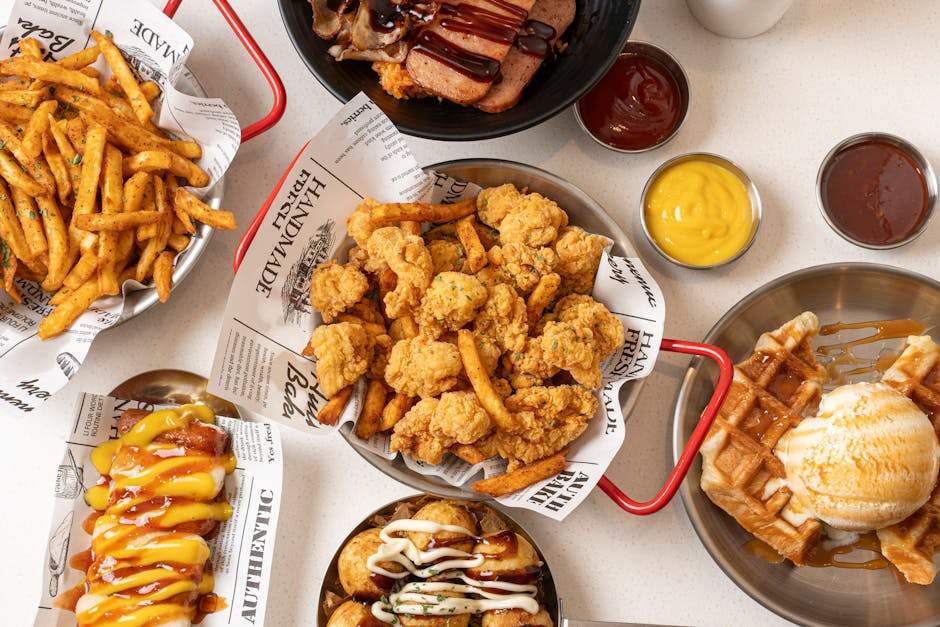
The quiet rustle of cellophane, a crisp bite, a gentle whisper — these are the deliberate sounds that underpin ASMR mukbang, a digital entertainment genre that has transcended its origins to become a global phenomenon. Originating in South Korea, mukbang traditionally featured hosts consuming large quantities of food while interacting with viewers. The introduction of Autonomous Sensory Meridian Response (ASMR) elements, characterized by specific auditory and visual stimuli designed to induce calming sensations, transformed this format, capturing an international audience seeking relaxation and novel sensory experiences. Jane ASMR, a prominent figure in this evolution, meticulously crafts her videos to highlight the sounds of eating, from the crunch of fried chicken to the slurping of noodles, attracting a cumulative audience that industry estimates place well over 100 million global viewers across various platforms. This appeal for sensory comfort isn’t isolated; it mirrors broader trends, such as the unexpected surge in demand for physical stress relief products like ‘NeeDoh’ cubes, which retailed for £6 but sold for as much as £50 on resale platforms, as reported by Dailymail.com, underscoring a universal consumer inclination towards tangible and auditory relief.
This shift from mere spectacle to sensory immersion represents a notable evolution in online content consumption. Early mukbang often prioritized the visual shock of excessive eating or the host’s personality. However, the ASMR variant focuses on high-fidelity audio, turning the act of eating into an almost meditative experience. This meticulous approach to sound design, often utilizing sensitive microphones, elevates the content beyond simple entertainment, positioning it as a form of digital wellness for a significant segment of its audience. The transition reflects a deeper understanding of viewer psychology, tapping into a desire for distraction and stress reduction in an increasingly hectic digital environment.

Q2. Beyond entertainment, what is the economic and cultural significance of ASMR mukbang on a global scale?
The economic reverberations of ASMR mukbang extend far beyond ad revenue for individual creators, impacting global consumer markets and amplifying South Korea’s cultural footprint. Channels like Jane ASMR’s, with over 18 million subscribers, serve as inadvertent but highly effective marketing platforms for Korean cuisine. Viewers worldwide are introduced to dishes such as tteokbokki, kimchi, and bibimbap through compelling visual and auditory presentations, fostering a desire to experience these foods firsthand. This digital exposure contributes to a measurable increase in demand for Korean food products and ingredients internationally, with South Korean food exports reaching record highs, exceeding $12 billion in a recent fiscal year.
Culturally, ASMR mukbang acts as a soft power conduit, deepening global engagement with Hallyu, or the Korean Wave. It complements the international success of K-Pop and K-Dramas by offering an intimate, accessible window into Korean lifestyle and culinary traditions. This cultural export encourages cross-cultural understanding, making Korean culture more familiar and appealing to diverse audiences. The genre’s ability to bridge cultural divides through a universal act – eating – demonstrates its potent influence as a cultural ambassador.
Q3. Who are the key players and what strategies define success in the ASMR mukbang landscape?
The ASMR mukbang landscape is populated by numerous creators, but sustained success often hinges on a combination of meticulous production, consistent output, and a distinct sensory signature. Jane ASMR stands as a quintessential example, differentiating herself through an almost clinical focus on auditory perfection. Her videos feature minimal speaking, allowing the amplified sounds of eating—crisps, jellies, or spicy noodles—to dominate, creating a unique, immersive experience. This emphasis on sound engineering, often using specialized binaural microphones, positions her content as a premium offering in the sensory entertainment space, attracting millions who specifically seek out high-quality ASMR triggers.
Beyond individual creators, the ecosystem includes a range of secondary players and technological enablers. Video hosting platforms like YouTube and Twitch provide the foundational infrastructure for content distribution and monetization. Equipment manufacturers, particularly those specializing in high-fidelity audio recording, indirectly benefit from the genre’s demands for superior sound quality. Furthermore, food suppliers and restaurant chains increasingly recognize the promotional power of these channels, leading to brand collaborations where specific dishes are featured, blending entertainment with subtle product placement. For instance, a single feature of a particular Korean instant noodle brand by a popular ASMR mukbanger can lead to a demonstrable spike in sales for that product globally.
Q4. What are the biggest risks and what could derail this?
Despite its global appeal, the ASMR mukbang industry faces several inherent challenges that could temper its growth trajectory. One significant risk is market saturation; the low barrier to entry for content creation has led to an explosion of channels, making it increasingly difficult for new creators to stand out and for established ones to maintain viewer engagement. This intense competition often pushes creators towards more extreme or novel content, which can sometimes alienate segments of the audience or raise questions about authenticity. Maintaining viewer loyalty amidst a sea of similar offerings demands constant innovation and a strong, consistent brand identity.
A second, more profound risk involves the ethical and health implications often associated with the genre. While ASMR mukbang generally focuses on sensory aspects rather than sheer volume, the broader mukbang context has drawn criticism regarding potential food waste or promoting unhealthy eating habits. Public perception could shift negatively if the content veers too far into excess, potentially inviting regulatory scrutiny or reducing advertiser interest. For instance, concerns over dietary practices among some prolific eaters have occasionally surfaced, casting a shadow over the broader genre.
However, the genre’s resilience lies in its adaptability. Should ethical concerns mount, a pivot towards educational content focusing on culinary skills or cultural context, rather than just consumption, might offer a viable path forward. The core human desire for relaxation and distraction, which ASMR expertly taps into, suggests that even with challenges, innovative delivery methods could continue to evolve the format.
Q5. What should I watch over the next 6-12 months?
Over the next 6-12 months, several key indicators will signal the trajectory of ASMR mukbang and its broader impact on the sensory economy. Investors and cultural observers should monitor the sophistication of brand partnerships. A move beyond simple product features to more integrated campaigns with wellness brands, home goods, or even travel agencies would suggest the genre’s expanding commercial validation beyond food-specific advertisers. Analysts might look for public announcements of long-term endorsement deals by major global consumer brands, particularly in non-food categories.
Another critical area to watch is the integration of advanced technology, especially artificial intelligence. Companies like Naver Cloud are actively developing secure AI platforms, which could be leveraged to create more personalized ASMR experiences, from adaptive soundscapes to bespoke visual content tailored to individual viewer preferences. Observing pilot programs or experimental content that utilizes AI for customized sensory delivery will indicate the next frontier of engagement. Furthermore, monitor the diversification of content platforms; while YouTube remains dominant, increased adoption on platforms like TikTok, dedicated ASMR apps, or even immersive virtual reality environments will illustrate the genre’s ability to evolve and reach new demographics, expanding its reach within K-Pop Culture and beyond.


Hi, I’m Dokyung, a Seoul-based tech and economy enthusiast. South Korea is at the forefront of global innovation—from cutting-edge semiconductors to next-gen defense technology. My mission is to translate these complex industry shifts into clear, actionable insights and everyday magic for global readers and investors.