
🎯 Key Takeaways
- While CJ CheilJedang commands brand recognition with Bibigo, Coupang’s logistics network offers unparalleled direct-to-consumer reach for smaller Korean food businesses globally.
- The traditional supply chain model faces pressure from e-commerce platforms that bypass intermediaries, potentially shifting profit margins and market access dynamics.
- The next inflection point for global Korean food will hinge on who can more effectively scale personalized, rapid delivery for diverse regional tastes while maintaining authenticity.
[TOC_PLACEHOLDER]
Who will ultimately capture the burgeoning global demand for Korean cuisine: the established food conglomerates with decades of manufacturing and distribution prowess, or the digitally native e-commerce giants reshaping how consumers discover and purchase food?
The answer is not as straightforward as it seems, particularly as the rise of K-culture continues to fuel an unprecedented appetite for everything from kimchi to tteokbokki worldwide. This comparison focuses on two key players representing these distinct strategies: CJ CheilJedang, the Korean food giant behind the global Bibigo brand, and Coupang, the e-commerce behemoth increasingly leveraging its logistics network for international food exports.
The Setup: Why This Matchup Matters Now
What Changed to Make This Comparison Relevant
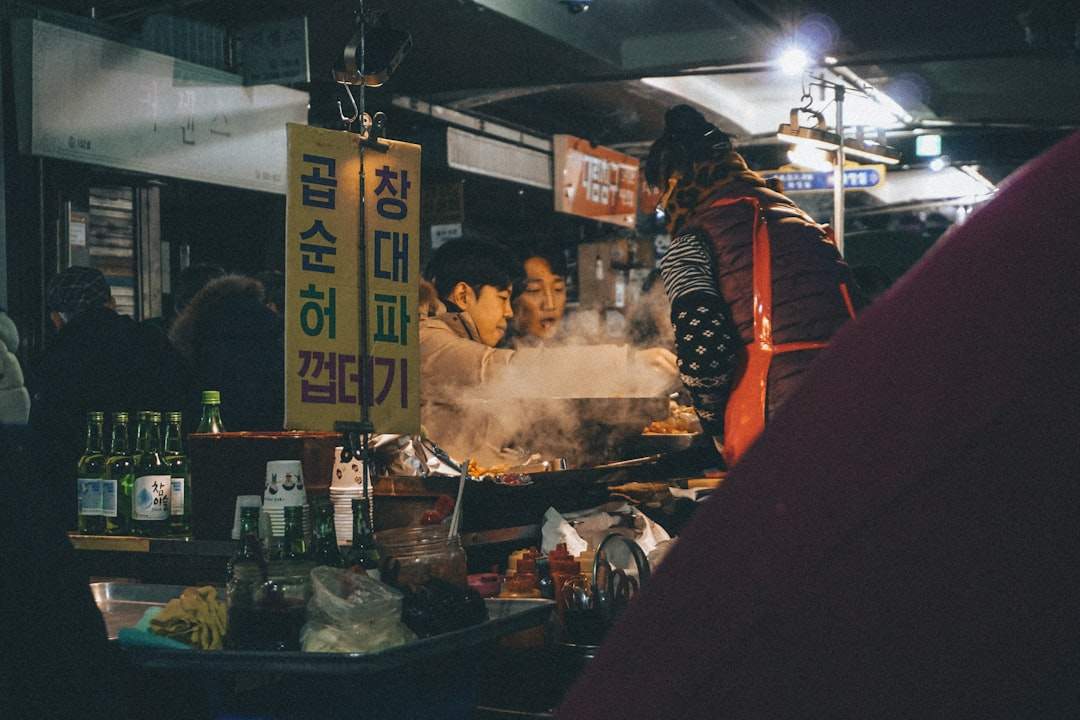
The global landscape for Korean food experienced a seismic shift with the widespread adoption of K-culture, spearheaded by K-Pop and K-Dramas, which naturally introduced international audiences to Korean culinary traditions. This cultural momentum ignited a direct demand that traditional food distribution channels were not always equipped to handle efficiently. Major players like CJ CheilJedang responded by aggressively expanding their global manufacturing and marketing efforts, transforming Bibigo into a household name in various Western markets.
Simultaneously, e-commerce platforms like Coupang, initially focused on domestic logistics, recognized the immense potential in directly exporting diverse Korean products, including specialty foods, to an eager global clientele. The company’s international expansion, particularly into Taiwan and Japan, signaled a strategic pivot towards leveraging its advanced logistics for cross-border trade, bypassing traditional import-export bottlenecks. This dual-pronged evolution, driven by both established conglomerates and digital disruptors, sets the stage for a compelling comparison in market strategy.
What’s Actually at Stake
At stake is a significant slice of the global ethnic food market, with Korean cuisine emerging as a leading growth segment. Recent analyses suggest the global market for Korean food products, excluding restaurant sales, is poised to exceed $25 billion by 2030, growing from its current estimated $15 billion annually. This growth is fueled by increasing consumer openness to diverse flavors, the convenience of ready-to-eat meals, and the strong cultural halo effect.
Securing a dominant position means capturing consumer loyalty, establishing efficient supply chains, and influencing culinary trends on an international scale. For CJ CheilJedang, it reinforces its status as a global food powerhouse; for Coupang, it validates its expansive logistics investment and establishes its platform as a gateway for Korean small and medium-sized enterprises (SMEs) to reach the world. The battle extends beyond market share to defining the future channels through which authentic Korean flavors reach international kitchens.
The stakes are high, influencing everything from agricultural policy in Korea to logistics infrastructure development in key export markets. Consumers stand to gain from greater accessibility and variety, but the path there involves intense competition for distribution, brand mindshare, and cost efficiency. Analysts at major financial institutions often highlight the strategic importance of this export growth for Korea’s overall economic diversification.
Round 1: Scale, Resources & Market Position
Player A — Strengths & Numbers (CJ CheilJedang)
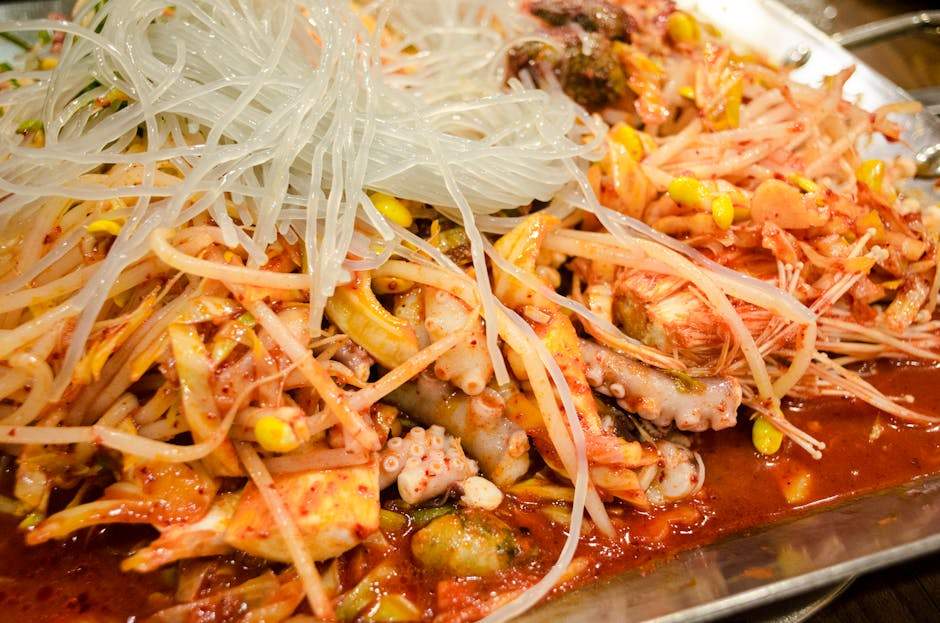
CJ CheilJedang, through its Bibigo brand, operates as a colossus in the global packaged food industry. Its strength lies in a robust, vertically integrated supply chain that spans ingredient sourcing, advanced food manufacturing, and extensive global distribution networks. The company’s food division reported annual revenue exceeding ₩10 trillion (approximately $7.5 billion USD) last year, with a significant portion attributed to international sales of Bibigo products.
This includes state-of-the-art production facilities in the United States, China, and Vietnam, allowing for localized production and reduced shipping costs. Bibigo dumplings alone reportedly sold over 2 billion units globally last year, cementing its position as a category leader in multiple markets. Its strategy focuses on mass-market penetration through major retailers like Walmart and Costco, establishing strong brand recognition through sustained marketing campaigns.
Player B — Strengths & Numbers (Coupang Global)
Coupang’s entry into global Korean food export leverages its formidable e-commerce infrastructure and unparalleled logistics capabilities, particularly its “Rocket Delivery” network. While not a food manufacturer, Coupang acts as a powerful conduit for thousands of Korean food brands, including many small and medium-sized enterprises, to reach international consumers directly. Coupang’s total gross merchandise value (GMV) approached $20 billion last year, indicating its vast transaction volume and market reach.
The company’s investment in fulfillment centers in key markets like Taiwan and Japan streamlines cross-border shipping, offering competitive delivery times and pricing. This direct-to-consumer model allows a broader array of niche and specialty Korean food products to find international audiences, which would typically struggle with the complexities of traditional export channels. Coupang’s international sales, while a smaller percentage of its overall GMV, grew by an estimated 80% last year, signaling rapid expansion in this segment.
Round 2: Innovation Pipeline & Technology Bets
R&D, Patents & Product Roadmap
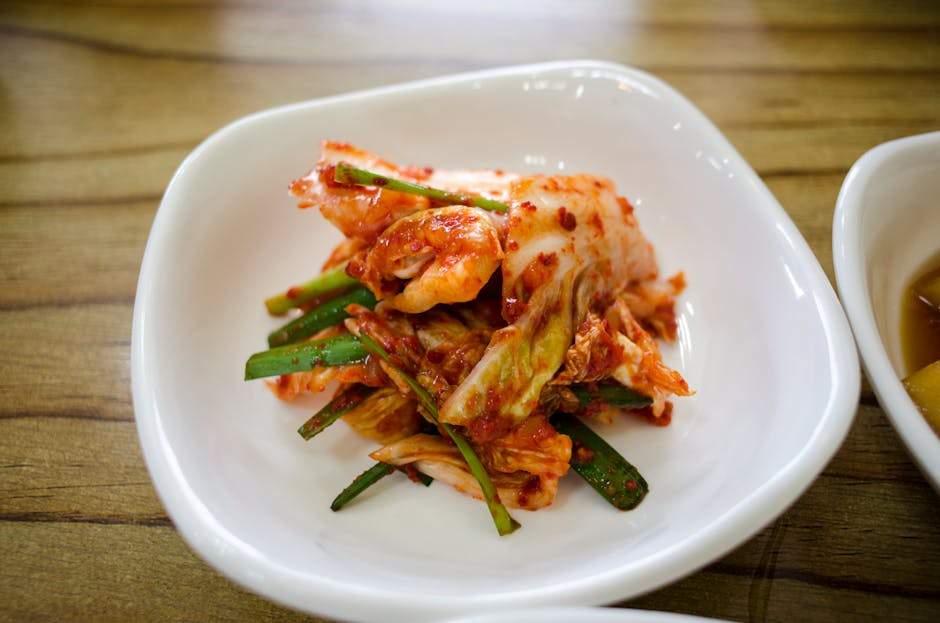
CJ CheilJedang invests heavily in food science and biotechnology, maintaining a robust R&D pipeline that focuses on extending shelf life, improving nutritional profiles, and developing innovative food formats. The company’s labs in Suwon and Incheon are actively researching plant-based alternatives for traditional Korean meat dishes, aiming to capture the growing global vegan and flexitarian markets with products like plant-based mandu and bulgogi. They also hold numerous patents related to fermentation processes critical for authentic Korean flavors, like kimchi and gochujang.
Their product roadmap includes expanding into new categories such as functional foods and personalized nutrition, adapting classic Korean flavors to modern health trends. This long-term investment in culinary science underpins CJ’s strategy to maintain a competitive edge, ensuring their products meet diverse dietary needs without compromising taste or authenticity. This focus is less about speed and more about foundational scientific backing for global market acceptance.
Coupang’s innovation, by contrast, centers on logistics, artificial intelligence, and platform technology rather than food science. Their R&D is directed towards optimizing delivery routes, predicting consumer demand with greater accuracy, and personalizing the shopping experience. The company’s algorithms leverage vast amounts of user data to recommend Korean food products, often introducing niche items to new international customers. Their “Rocket Fresh” and “Rocket Global” services are testament to a technology-driven approach to food distribution, emphasizing speed and freshness.
Coupang’s product roadmap emphasizes seamless cross-border transactions and efficient last-mile delivery, utilizing advanced warehouse automation and delivery vehicle networks. They are also exploring drone delivery for specific zones, an ambitious bet on future logistics. Their technological patents are predominantly in areas like supply chain management, autonomous delivery systems, and user interface optimization for mobile commerce, all crucial for scaling food delivery internationally.
Partnership & Ecosystem Advantages
CJ CheilJedang leverages its deep relationships with global supermarket chains and food service distributors, securing prime shelf space and menu placements for Bibigo. The company also forms strategic partnerships with culinary schools and celebrity chefs to promote Korean cuisine, positioning itself as an authoritative voice in the food industry. Its ecosystem includes a network of local ingredient suppliers and food scientists, ensuring quality control and cultural authenticity.
Coupang’s ecosystem advantage stems from its direct integration with thousands of Korean SMEs, providing them an unprecedented direct export channel. These partnerships are critical, as they allow Coupang to offer a broader, more authentic range of regional Korean specialties than any single conglomerate could produce. The platform also collaborates with local logistics providers in target countries, augmenting its own delivery capabilities and navigating local regulatory landscapes effectively. This model fosters a vibrant marketplace, drawing diverse vendors and consumers alike, strengthening its appeal for those interested in K-Pop culture and its associated lifestyle products.
Round 3: Risks & Shared Vulnerabilities
Both CJ CheilJedang and Coupang face significant, albeit different, risks in their pursuit of global Korean food dominance. A primary shared vulnerability is the escalating global competition from local food manufacturers in target markets who may offer similar products at lower price points, sometimes capitalizing on lower labor costs or fewer regulatory hurdles. Chinese food companies, in particular, are rapidly expanding their product lines to mimic popular Korean dishes, often at a fraction of the cost.
Supply chain volatility also represents a major headwind for both. Geopolitical tensions, trade disputes, and extreme weather events can disrupt ingredient sourcing and international shipping, driving up costs and delaying deliveries. Furthermore, changing consumer tastes and health trends, such as a shift away from processed foods or high-sodium content, could impact demand for some mainstream Korean food products. Both companies must continuously adapt their offerings to remain relevant.
Another subtle but crucial risk is the potential for “authenticity dilution.” As Korean food globalizes, there is a constant tension between mass-market appeal and maintaining traditional flavors and preparation methods. Over-adaptation for international palates risks alienating a core segment of consumers who seek genuine Korean culinary experiences, while too little adaptation can limit market penetration. Balancing this act is a continuous challenge.
Verdict: Who Comes Out Ahead?
The verdict on who truly “owns” the future of global Korean cuisine is nuanced and depends largely on the market segment and the specific definition of success. For established brand recognition and mass-market penetration of standardized, high-quality Korean food products, CJ CheilJedang, with its Bibigo brand, currently holds a clear lead. Its deep manufacturing expertise and traditional retail partnerships ensure broad availability and consistent quality, a strategy that has proven effective for globalizing ethnic foods.
However, for market agility, direct-to-consumer reach, and the ability to export a diverse, constantly evolving array of niche Korean food products, Coupang Global presents a formidable, perhaps even superior, long-term proposition. Its technological infrastructure and extensive logistics network enable a speed and variety that traditional players struggle to replicate. Coupang’s model empowers smaller producers, fostering innovation from the ground up and potentially capturing a more dynamic segment of the market.
Ultimately, the “winner” will likely be determined by who can more effectively adapt to changing consumer expectations: the demand for authenticity balanced with convenience, and the desire for both established comfort foods and new culinary discoveries. The market isn’t a zero-sum game; both will likely thrive, but their paths to dominance diverge significantly.
FAQ
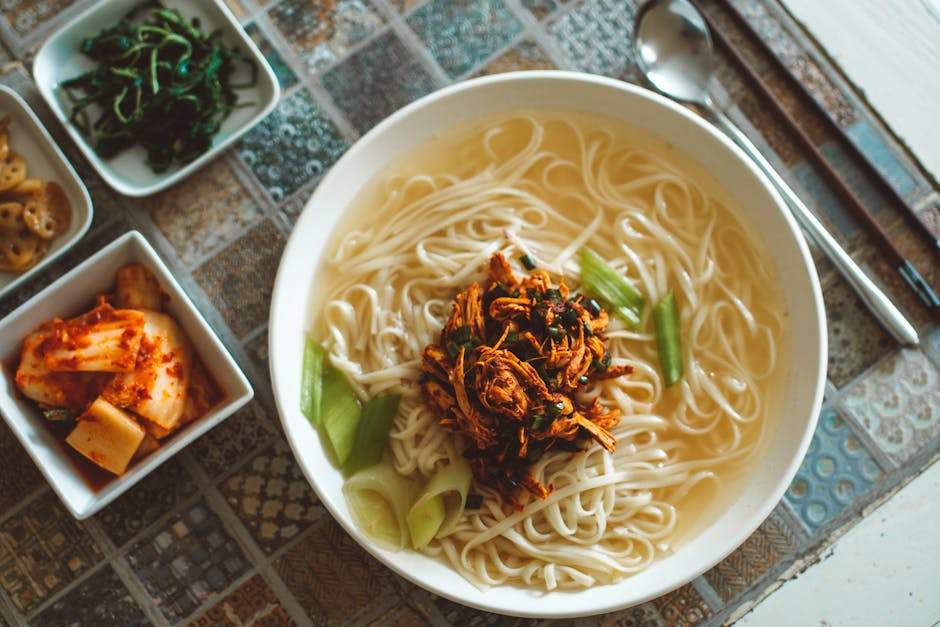
A1. Evidence suggests sustainable growth. The demand is deeply integrated with broader K-culture phenomena, which continue to expand globally. Furthermore, Korean cuisine’s inherent health aspects and diverse flavors appeal to a wide demographic, moving beyond novelty to become a staple in many households, especially for convenient meals like dumplings and instant noodles.
A2. Both approaches offer distinct advantages, making their long-term growth prospects complementary rather than mutually exclusive. Traditional manufacturing provides brand stability and cost efficiency for mass-produced items, while e-commerce excels in market discovery, personalization, and rapid delivery of specialty items. The most successful strategies will likely involve hybrid models, where traditional brands leverage e-commerce platforms and e-commerce players invest in localized fulfillment to maintain freshness and speed.

Hi, I’m Dokyung, a Seoul-based tech and economy enthusiast. South Korea is at the forefront of global innovation—from cutting-edge semiconductors to next-gen defense technology. My mission is to translate these complex industry shifts into clear, actionable insights and everyday magic for global readers and investors.