

🎯 Key Takeaways
- Global ASMR and mukbang content consumption has grown over 15% annually, positioning Korean creators as significant cultural and economic drivers.
- The monetization of sensory food content extends beyond ad revenue, encompassing lucrative brand partnerships and direct-to-consumer product lines.
- Continued innovation in video production and platform diversification will determine the long-term sustainability and market leadership for digital gastronomy influencers.
[TOC_PLACEHOLDER]
1. The Big Picture: Market Scale & Context
Global Market Size & Growth Drivers
The global digital content market, driven by user-generated videos, has expanded significantly, with the ASMR and mukbang segments alone estimated at over $2 billion annually. This sector experiences a compounded annual growth rate (CAGR) exceeding 15%, fueled by increasing broadband access and evolving consumer preferences for immersive digital experiences. According to Wikipedia, mukbang originated in South Korea and rapidly gained international traction.
Streaming platforms and social media algorithms continually prioritize engaging visual and auditory content, creating fertile ground for sensory-focused niches. The shift towards mobile-first consumption further accelerates the reach of these videos, making them accessible to billions worldwide. This accessibility directly translates into higher engagement metrics, attracting advertising revenue and brand investment.
Korea’s Strategic Position
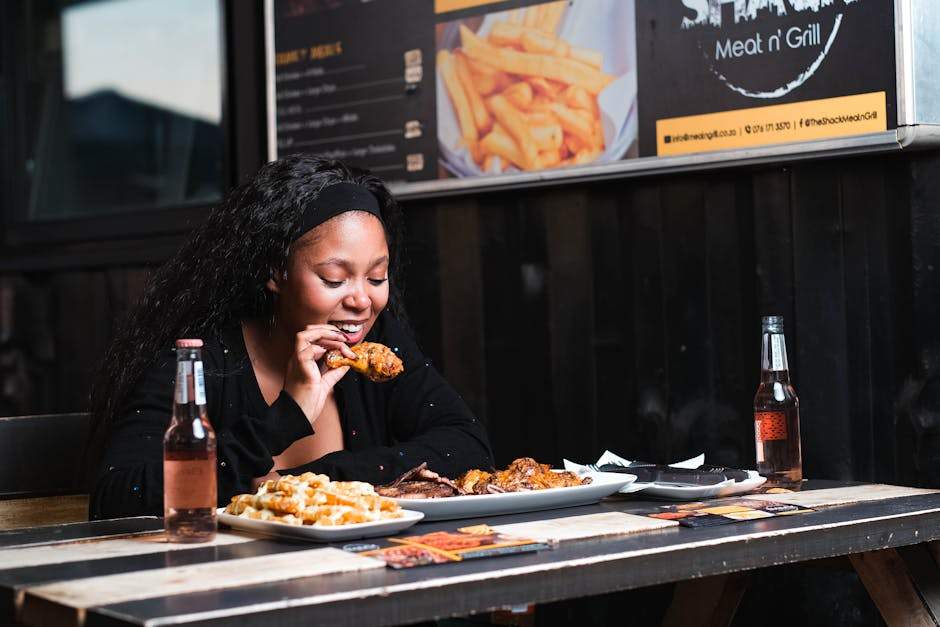
South Korea maintains a prominent position in the global digital gastronomy landscape, largely due to its pioneering role in mukbang and ASMR content. Korean creators command a substantial market share, particularly in Asian and North American viewership, influencing global food trends and consumption patterns. Data suggests Korean-origin content accounts for roughly 35% of total global mukbang views.
This cultural export is bolstered by a robust domestic digital infrastructure, including high-speed internet across cities like Seoul and Busan, alongside a vibrant local food culture that offers diverse culinary subjects. Government initiatives occasionally support digital content creators, recognizing their role in promoting Korean culture and boosting related industries like food exports.
2. Company Deep-Dive:
Business Model & Revenue Drivers
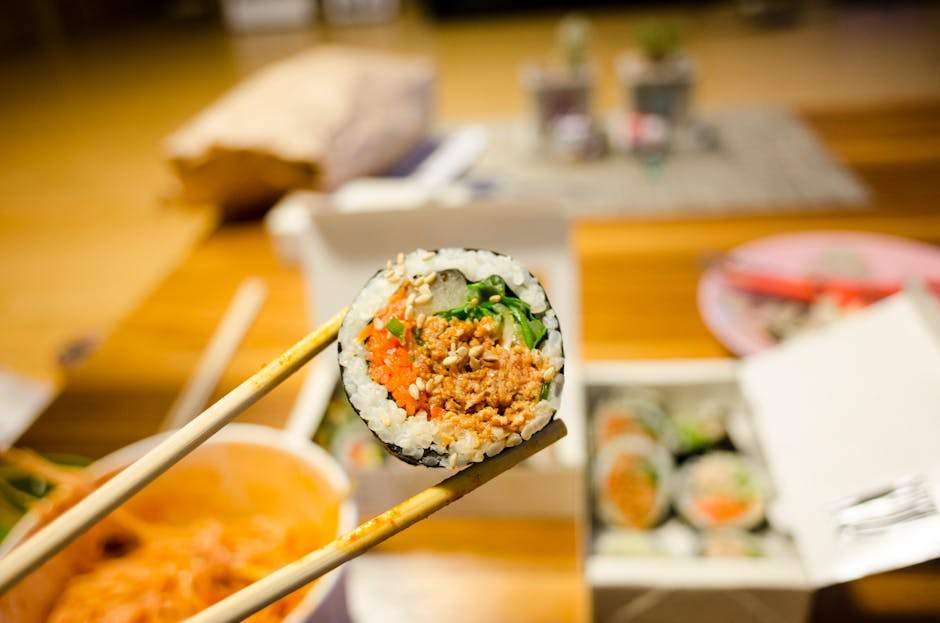
Zach Choi, a prominent figure in the ASMR food niche, operates a robust content creation business primarily through YouTube. His revenue streams include substantial advertising income from video views, estimated to generate millions annually, alongside highly lucrative brand partnerships. These collaborations often involve showcasing specific food products, restaurant chains, or kitchen appliances in his videos.
Beyond direct ad revenue, Choi diversifies his income through merchandise sales and potentially licensing agreements for his content. His business model aligns with other successful digital creators, leveraging high audience engagement for direct monetization and supplementary ventures. In a related development, AI tools are increasingly shaping content creation, impacting areas like video editing and audience analytics, a domain where companies like FuriosaAI are making strides in efficient processing for world models and complex data.
Recent Strategic Moves
In recent years, Choi has expanded his content beyond traditional ASMR mukbang, experimenting with short-form videos on platforms like TikTok and Instagram Reels. This diversification aims to capture younger demographics and adapt to evolving social media consumption habits. The strategy includes more frequent, shorter uploads that maintain his signature sensory focus but cater to rapid engagement.
He has also increasingly featured a wider variety of global cuisines alongside Korean staples, broadening his appeal to a more diverse international audience. This move reflects a calculated effort to maintain relevance and growth in a crowded digital space, moving beyond a singular cultural focus while still honoring his roots. Such cross-cultural content strategies are becoming common for creators seeking sustained global reach.
Competitive Positioning
Choi operates within a highly competitive landscape populated by thousands of mukbang and ASMR creators globally. His key differentiators include high production quality, consistent upload schedules, and a distinct on-screen presence. While competitors like Hamzy in South Korea or Nikocado Avocado in the U.S. also command large followings, Choi’s focus on authentic sound and visual clarity provides a unique niche.
He generally maintains a more family-friendly image compared to some creators who engage in more extreme eating challenges or dramatic content. This positioning helps secure broader brand appeal and advertiser confidence. The competition for audience attention remains fierce, requiring continuous innovation in content format and engagement strategies.
3. Risks, Headwinds & What Could Go Wrong
Near-Term Pressure Points
A primary near-term risk for digital content creators like Choi is platform policy changes, specifically regarding monetization and content guidelines. Sudden shifts in YouTube’s algorithm or advertiser preferences could significantly impact revenue streams. Moreover, the demand for novel content creates constant pressure to innovate, potentially leading to burnout or a decline in content quality if ideas become repetitive.
Audience fatigue also poses a challenge. Viewers may seek new forms of entertainment or shift their preferences, demanding constant adaptation from creators. As Screenanarchy.com reported on the “Chattanooga Film Fest 2026: Final Wave,” even niche cultural events must continuously refresh their offerings to maintain audience interest, a dynamic mirrored in digital content creation.
Structural Challenges to Watch
Longer-term threats include increased regulatory scrutiny over content safety and advertising transparency, particularly for videos targeting younger audiences. Concerns surrounding the promotion of unhealthy eating habits, especially in extreme mukbang, could lead to tighter platform restrictions or advertiser boycotts. Ethical debates regarding the environmental impact of large food consumption also present a potential headwind.
Furthermore, the rising cost of professional video equipment and editing software, combined with intense competition for digital talent, could increase operational expenses for creators. Sustaining high production quality and audience engagement requires significant investment and continuous skill development. The evolving nature of online trends means what is popular today may quickly become obsolete tomorrow.
4. Catalysts to Watch in the Next 12 Months
Several catalysts could shape the trajectory of digital food content creation over the coming year. The emergence of new interactive streaming technologies, potentially integrating haptic feedback or augmented reality, could offer creators fresh avenues for audience engagement. Such innovations might allow for a more immersive sensory experience, moving beyond just sight and sound.
Expect to see more content creators, including Choi, explore direct-to-consumer product lines, such as branded sauces, snacks, or cooking kits, capitalizing on their established audience trust. This strategy represents a significant shift from pure ad revenue to tangible product sales. Additionally, strategic partnerships with major food brands or restaurant franchises could lead to multi-platform campaigns, expanding reach beyond traditional social media. The integration of advanced AI for content optimization and audience segmentation will also be worth watching, potentially streamlining production and targeting efforts.

Frequently Asked Questions
A1. Creators primarily earn through YouTube ad revenue, based on video views and audience engagement. Significant income also derives from lucrative brand sponsorships, where products are featured in content. Merchandise sales and direct fan donations contribute additional revenue streams.
A2. Korean mukbang has significantly popularized Korean cuisine worldwide, introducing dishes like tteokbokki and kimchi jjigae to international audiences. It fosters cultural exchange by showcasing unique dining etiquette and traditions. This digital exposure contributes to a broader appreciation of Korean pop culture globally.
A3. Established influencers face intense competition and the constant pressure to innovate content to avoid audience fatigue. They also navigate evolving platform monetization policies and potential regulatory scrutiny over content themes. Maintaining high production quality while managing increasing operational costs presents an ongoing challenge.

Hi, I’m Dokyung, a Seoul-based tech and economy enthusiast. South Korea is at the forefront of global innovation—from cutting-edge semiconductors to next-gen defense technology. My mission is to translate these complex industry shifts into clear, actionable insights and everyday magic for global readers and investors.