
🎯 Key Takeaways
- Despite a national decline in marriage rates, the financial outlay per wedding remains substantial, driven by parental expectations and aspirational consumption.
- The market for hybrid ceremonies, integrating Western aesthetics with traditional Korean elements like the Pyebaek, dominates the contemporary wedding scene.
- Future trends point toward increased personalization, technology integration, and a growing segment for smaller, more intimate destination weddings, challenging the conventional mass-produced wedding hall model.
[TOC_PLACEHOLDER]
A Saturday afternoon inside a sprawling wedding complex in Gangnam typically showcases a precise choreography: hundreds of guests filing into elegant halls, each ceremony meticulously timed, often lasting no more than 30 minutes. This efficiency isn’t just about managing crowds; it reflects a deep-seated desire for celebration amidst evolving social norms.
This scene, replicated across major cities like Busan and Incheon, offers a glimpse into South Korea’s dynamic wedding culture, where centuries-old traditions meet the demands of modern life, technology, and global influences.
How We Got Here
The Origin Story
Traditional Korean weddings, or hollye (혼례), historically centered on Confucian values, emphasizing the union of families rather than just individuals. These ceremonies, often held at the bride’s home, were elaborate affairs involving specific rituals like the jeonanrye, where the groom would present a wild goose to the bride’s mother as a symbol of fidelity. The bride’s attire, the hanbok, was rich in color and symbolism, denoting status and prosperity. This deep historical context for Korean wedding customs is thoroughly documented, for instance, on Wikipedia’s entry on Korean marriage practices.
Prior to the mid-20th century, arranged marriages were common, and family lineage played a dominant role in match-making. The focus wasn’t on personal vows but on the respectful integration of two families and the continuation of the family name. Financial considerations, especially housing for the new couple, were significant parental responsibilities, setting a precedent for generational support that persists today.
The Turning Point
The Korean War and subsequent rapid industrialization dramatically reshaped society, introducing Western influences and fostering a new emphasis on individual choice. By the 1970s and 80s, the concept of “love marriage” gained traction, driven by popular culture and increasing exposure to global trends. This shift began to challenge the strictures of arranged unions.
The emergence of dedicated wedding halls and large banquet venues in the 1990s marked another critical turning point. These commercial spaces allowed for standardized, efficient ceremonies, accommodating hundreds of guests in a single event. This model streamlined the process for families, moving away from elaborate home-based celebrations to a more centralized, service-oriented approach that prioritized convenience and spectacle.

Where Things Stand Now
The Current State of Play
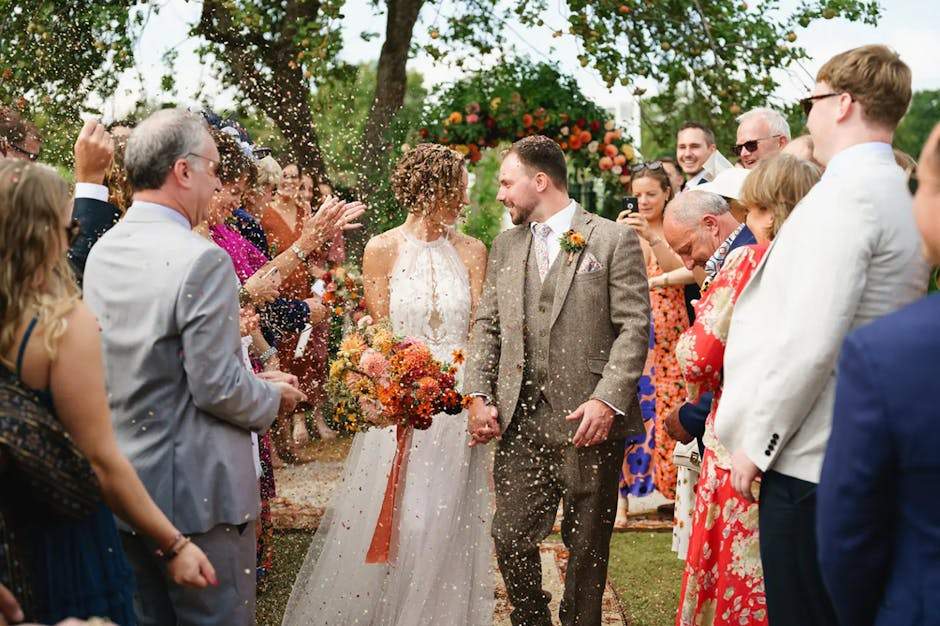
Today, the vast majority of Korean weddings are hybrids, featuring a Western-style ceremony with the bride in a white gown, often followed by a traditional Pyebaek ceremony where the couple bows to their parents and elders while wearing hanbok. This blend allows couples to honor tradition while also embracing modern romantic ideals. The average number of guests typically ranges from 200 to 300, reflecting Korea’s strong communal bonds and extensive social networks.
Technological integration is also prominent; digital invitations, live-streaming options for overseas relatives, and extensive high-resolution photography and videography packages are standard. Mobile platforms, like Kakao’s various services, play an instrumental role in coordinating guest communication and sharing celebratory content, becoming an almost invisible infrastructure for modern Korean life, including weddings. Read more about Kakao’s unified messaging ecosystem.
Who’s Benefiting — and Who’s Not
Luxury hotels in Seoul, like the Shilla or Grand Hyatt, are seeing increased demand for high-end wedding packages, catering to couples seeking bespoke experiences and premium service. These venues benefit from their reputation and capacity for large-scale, lavish events. Wedding planners specializing in destination weddings, particularly to scenic locations like Jeju Island, are also gaining market share.
Conversely, smaller, older independent wedding halls that haven’t invested in modernizing their facilities or diversifying their offerings face stiff competition. Local photographers and videographers who can’t match the sophisticated equipment and editing techniques of larger studios are also struggling. The pressure for high-quality visual documentation means couples often allocate a significant portion, perhaps 10-15%, of their budget to these services.

The Tensions Beneath the Surface
The Contradiction at the Heart of This Story
While modern Korean weddings emphasize individual love and choice, the underlying financial burden and societal expectations often clash with these romantic ideals. Young couples, particularly in their late 20s and early 30s—the average age of first marriage for men recently surpassed 33 years and for women, 31—often feel immense pressure to host a grand wedding to satisfy parental expectations and maintain social standing, even if it means incurring significant debt or relying heavily on family funds. This dynamic creates a tension between personal desire for simplicity and the cultural imperative for display.
Sociologists at Seoul National University point out that despite a national marriage rate that has seen recent declines, dipping below 190,000 unions annually from over 300,000 a decade prior, the average cost per wedding has continued to climb. This suggests that fewer people are marrying, but those who do are investing more, often at the expense of other life goals like buying property or starting a family.
Structural Challenges Going Forward
The highly commoditized nature of the wedding industry, with its standardized packages and tight schedules, leaves little room for personalization for many couples. This contrasts sharply with a global trend towards unique, tailored experiences, particularly among younger generations. The environmental footprint of large, single-use events also presents a growing concern for eco-conscious couples, pushing some to explore more sustainable options.
Furthermore, the persistent decline in marriage rates means a shrinking overall market, forcing industry players to innovate or consolidate. The government’s efforts to encourage marriage and childbirth will likely have limited impact if the financial and social burdens of weddings remain prohibitive.
What Happens Next
The Korean wedding market is likely to bifurcate further: a high-end segment focused on bespoke luxury experiences and a growing budget-conscious segment prioritizing intimacy and personalization. Expect to see more creative pop-up weddings, specialized outdoor venues, and digital-first planning services gaining traction over the next three to five years. The influence of K-Pop and K-dramas on aesthetic trends will continue, driving demand for specific styles and themes, as seen in the broader K-Pop culture phenomenon.
If economic pressures on young adults intensify, the trend towards smaller, more private ceremonies could accelerate, challenging the dominance of traditional wedding halls. This shift could also lead to more couples financing their own weddings, reducing reliance on parental contributions and potentially altering ceremony expectations.
Common Questions
A1. Most modern Korean wedding ceremonies in a dedicated hall are remarkably brief, often lasting only 20 to 30 minutes. This efficient scheduling allows halls to host multiple weddings in a single day, particularly on popular weekends. The actual celebration with guests might extend longer for dining and photos.
A2. The Pyebaek ceremony, a traditional ritual where the couple bows to parents and elders, remains highly significant, with an estimated 70-80% of couples opting to include it. It typically occurs after the Western-style ceremony and symbolizes respect for family and the continuation of lineage. While its format has become more concise, its cultural importance endures.

Hi, I’m Dokyung, a Seoul-based tech and economy enthusiast. South Korea is at the forefront of global innovation—from cutting-edge semiconductors to next-gen defense technology. My mission is to translate these complex industry shifts into clear, actionable insights and everyday magic for global readers and investors.