
🎯 Key Takeaways
- Roughly 70% of Korean couples now opt for a hybrid wedding attire strategy, combining Western gowns with custom-designed traditional hanboks.
- The global reach of K-culture, from dramas to pop music, is driving international demand for modernized Korean bridal aesthetics, influencing fashion narratives far beyond Seoul.
- Watch for major luxury brands to increasingly integrate hanbok-inspired elements into their global collections, signaling a broader fashion industry shift.
[TOC_PLACEHOLDER]
By the end of this piece, readers will understand the intricate dance between tradition and innovation shaping Korean wedding fashion, its growing global influence, and the strategic choices designers and brands are making in this dynamic market. We’ll examine the forces driving this evolution and identify the key trends poised to redefine bridalwear in the coming years.
Q1. What defines Korea’s modern wedding fashion landscape, and how did it reach this unique blend?
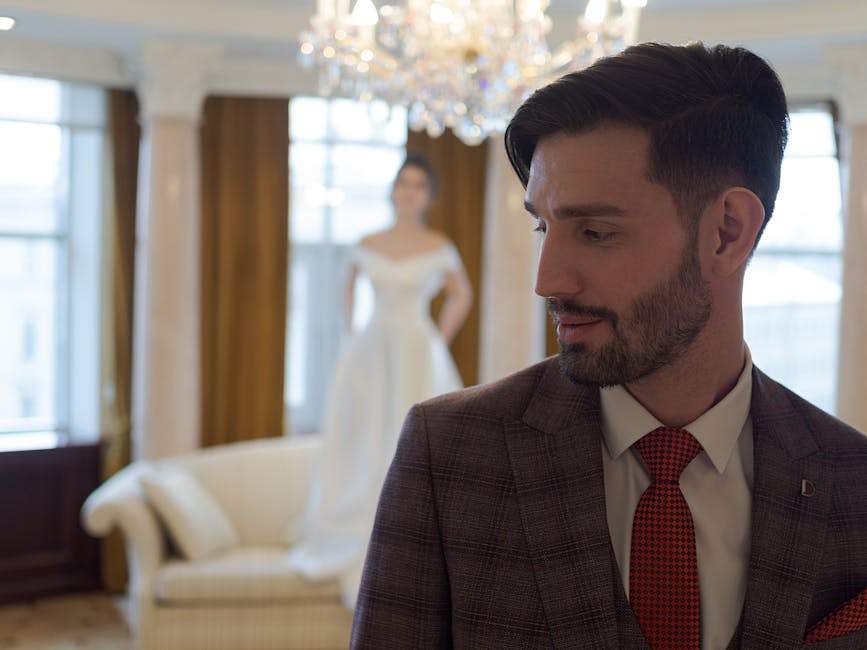
The narrative of Korean wedding fashion today is less about choosing between tradition and modernity, and more about their elegant fusion. For centuries, the hanbok, with its flowing lines and vibrant colors, was the undisputed emblem of Korean marital rites. Yet, the mid-20th century introduced Western bridal gowns and suits, creating a sartorial dichotomy that persisted for decades.
This dynamic has shifted dramatically. A recent 2023 survey by Wedding Consulting Korea indicated that approximately 70% of engaged couples in the country now embrace a dual-attire approach, featuring both a white gown or suit for the ceremony and a meticulously chosen hanbok for the reception or pre-wedding photoshoots. This isn’t merely concession; it’s a deliberate curation, reflecting a desire to honor heritage while embracing global aesthetics. Even public figures like Victoria Beckham, according to Dailymail.com, grapple with the demands of personal branding and tradition in high-profile family events, underscoring how deeply interwoven identity and attire remain globally.
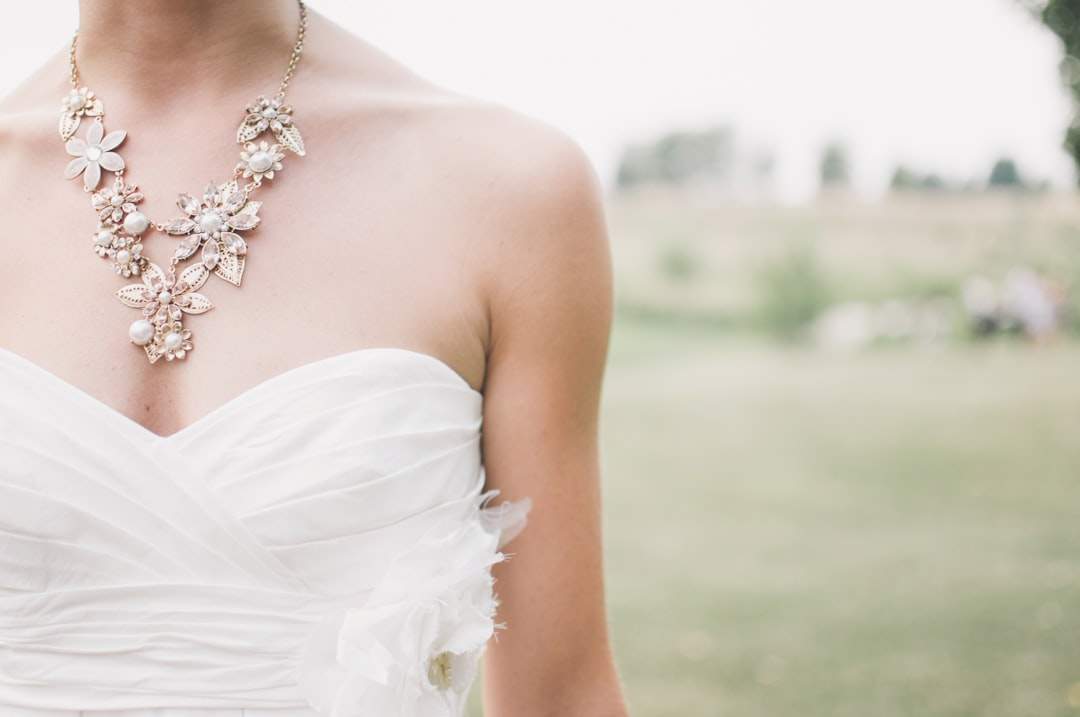
The historical context here is crucial. Post-Korean War, as the nation rapidly industrialized and globalized, Western influences permeated almost every aspect of life, including fashion. For a period, the hanbok was relegated to a ceremonial niche, often perceived as less “modern.” However, a cultural reawakening, fueled by national pride and the burgeoning K-wave, propelled designers to reinterpret the hanbok for contemporary tastes. This wasn’t about radical overhaul, but rather subtle tailoring, fabric innovation, and a reimagining of traditional motifs, ensuring the garment retained its core identity while feeling utterly current. The result is a vibrant ecosystem where bespoke hanbok ateliers thrive alongside international luxury bridal boutiques, each informing the other in an unexpected cultural dialogue.
Q2. Why should global readers, especially those tracking fashion and culture, pay attention to Korean wedding trends?
The cultural influence of South Korea, once a regional phenomenon, now permeates global consciousness, from K-Pop anthems topping charts to K-dramas dominating streaming platforms. This soft power extends directly into fashion, making Korean wedding trends a bellwether for broader aesthetic movements. What happens on Seoul’s bridal runways, or in its celebrity weddings, doesn’t stay in Seoul.
Consider the ripple effect: an estimated 1.5 million international visitors traveled to South Korea in 2024 specifically for K-culture experiences, many exposed to modernized hanboks through television and social media. This exposure translates into global demand, with designers in New York and Paris beginning to incorporate elements like wide sleeves, high-waisted skirts, and intricate embroidery reminiscent of hanbok design. It’s a testament to how traditional forms, when reinterpreted with contemporary flair, can transcend cultural boundaries and capture international imagination. This cultural export isn’t just about aesthetics; it’s about a design philosophy that balances deep historical roots with audacious modern sensibility, a blueprint for other nations looking to revitalize their own traditional attire. For a deeper look into the engines of this cultural phenomenon, understanding Naver’s proactive AI story in trend forecasting offers compelling insight.
Q3. Who are the key players shaping this bridal evolution, and what distinguishes the innovators?
The Korean wedding fashion scene is a dynamic arena featuring established designers, boutique ateliers, and influential stylists. At the forefront are figures like designer Kim Hye-soon, celebrated for her elegant, minimalist hanbok interpretations that appeal to a younger, fashion-forward demographic while maintaining traditional silhouettes. Her work often features subtle pastel palettes and luxurious, natural fabrics, departing from the bolder hues of historical hanboks. She’s successfully positioned hanbok not as a costume, but as high fashion, ready for any global event.
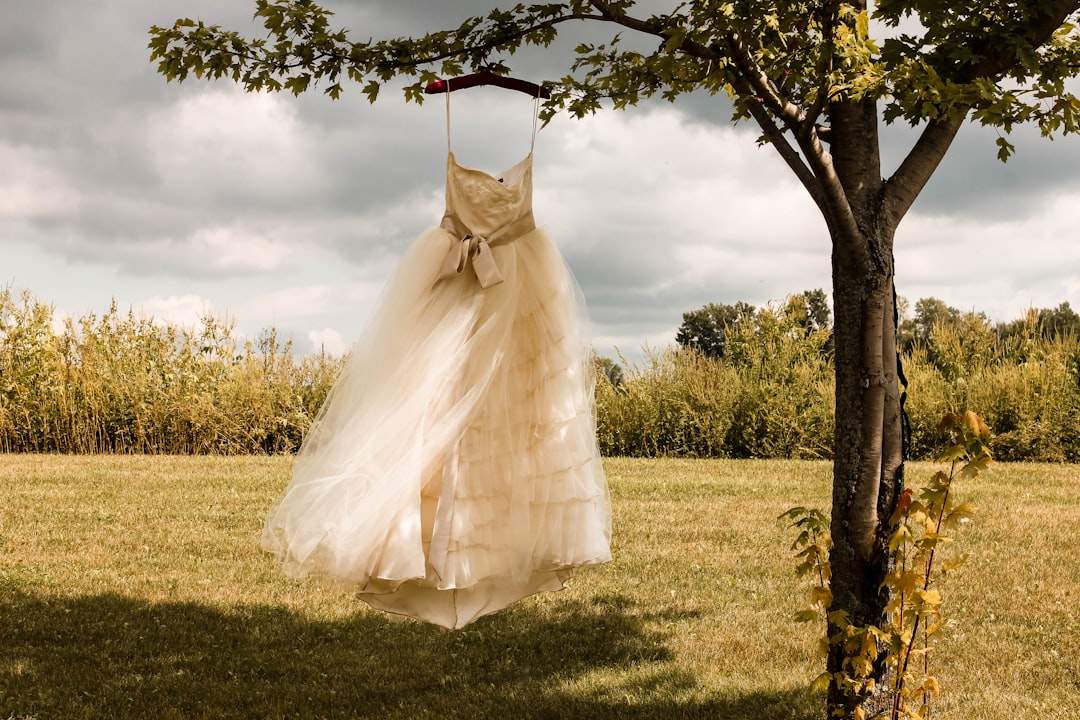
Beyond individual designers, specialized bridal houses like ‘Grace Kelly’ or ‘Rosa Clara Seoul’ dominate the Western gown segment, importing global luxury brands while also nurturing Korean talent. What differentiates the winners isn’t just design prowess, but a keen understanding of the Korean consumer’s desire for personalization and photographic readiness. Many couples invest an average of 5 million won in their wedding ensembles, a figure often including multiple changes and extensive pre-wedding photoshoot packages. These companies excel at providing comprehensive styling experiences. Moreover, the burgeoning “modern hanbok” brands, often found in trendy neighborhoods like Garosu-gil, are carving out niches by offering more casual, ready-to-wear versions, making the hanbok accessible beyond formal events and expanding its market footprint significantly. These brands are often digital-first, leveraging Instagram and other platforms to reach their audiences, mirroring strategies seen in global creative industries, as noted in Adweek’s “2026 Creative 100” report.
Q4. What are the biggest risks to this thriving industry, and what could derail its current trajectory?
Despite its dynamism, the Korean wedding fashion market faces distinct challenges. One significant risk is the ongoing demographic shift: South Korea has one of the world’s lowest birth rates, leading to a shrinking pool of potential couples. Fewer marriages directly translate to reduced demand for wedding attire. If the current demographic trends persist, the market could see a sustained contraction in client volume over the next decade, challenging even the most innovative brands. This isn’t just about local population decline; it impacts the entire wedding services ecosystem, from venue rentals to photography.
Another risk lies in the delicate balance between tradition and commercialization. While modernization has made the hanbok popular, there’s a constant tension regarding how far designers can push boundaries before sacrificing the garment’s traditional essence. Brands focusing solely on trend-driven designs might alienate purists, while overly traditional designs may fail to attract younger, globally-minded couples. The industry must navigate this tightrope carefully. However, the rise of conscious consumerism, emphasizing sustainability and ethical production, could counterbalance these risks by fostering appreciation for artisanal craftsmanship and promoting a “less but better” approach to wedding attire, potentially boosting demand for high-quality, long-lasting hanboks over fast fashion alternatives.
Q5. What should I watch in Korean wedding fashion over the next 6-12 months?
Over the next year, several key catalysts will shape the trajectory of Korean wedding fashion. First, look for the emergence of “phygital” experiences, blending physical fittings with augmented reality try-ons, especially for international clients unable to visit Seoul. Several Gangnam-based bridal studios are already piloting these immersive technologies, with wider adoption expected by early 2027.
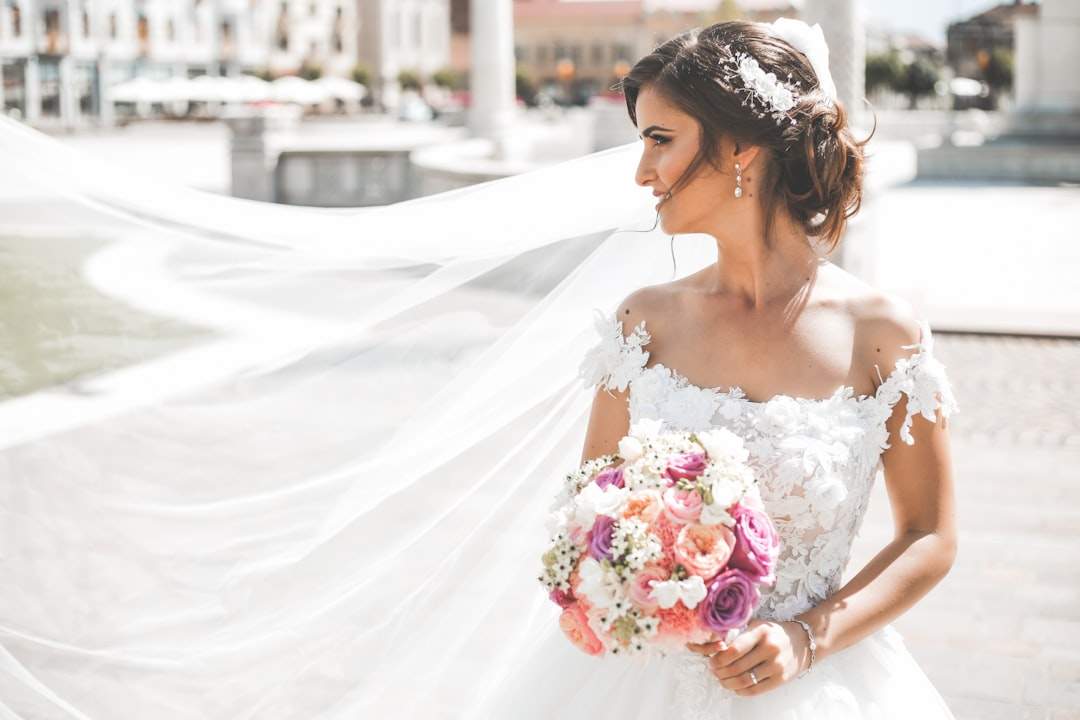
Second, anticipate a deeper integration of AI-driven trend forecasting, moving beyond simple data analysis to predictive modeling for fabric choices, color palettes, and silhouette preferences. This will allow designers to react more swiftly to subtle shifts in consumer taste. Finally, keep an eye on collaborations between established hanbok designers and major K-Pop or K-drama stylists. These partnerships, often unveiled during major award ceremonies or fashion weeks, have historically driven significant spikes in public interest and sales, with past collaborations boosting certain modern hanbok brands’ visibility by over 40% within weeks. The evolution of K-Pop culture continues to be a powerful engine for global trendsetting. These developments will provide clear indicators of the industry’s direction.

Hi, I’m Dokyung, a Seoul-based tech and economy enthusiast. South Korea is at the forefront of global innovation—from cutting-edge semiconductors to next-gen defense technology. My mission is to translate these complex industry shifts into clear, actionable insights and everyday magic for global readers and investors.