

🎯 Key Takeaways
- The average cost of a Korean wedding, including housing and gifts, can exceed 300 million won ($230,000), making it one of the most expensive life events.
- Digital platforms and AI are increasingly central to wedding planning, reflecting Korea’s advanced technological adoption even in traditional sectors.
- Shifting demographics and cultural attitudes are driving demand for smaller, more intimate ceremonies, challenging the traditional “wedding hall” model.
[TOC_PLACEHOLDER]
1. The Big Picture: Market Scale & Context
Global Market Size & Growth Drivers
The global wedding services market was valued at an estimated $180 billion in 2023, with projections indicating a compound annual growth rate (CAGR) of around 4.5% over the next five years as societies emerge from pandemic-era restrictions and embrace large-scale celebrations anew. This market encompasses everything from venue hire and catering to attire, photography, and honeymoon travel, driven by deeply ingrained cultural practices and personal aspirations. A notable trend, as reported by The Cut, showcases a growing preference for uniquely themed, outdoor ceremonies, like “A Weepy, Wildflower Wedding in the Hudson Valley,” reflecting a global pivot towards personalization over strict tradition.
Regulatory shifts, particularly in post-pandemic gathering limits, and advancements in event technology are accelerating this sector. Furthermore, the rising disposable incomes in developing economies contribute to an expanded consumer base willing to invest significantly in matrimonial events. This has sparked a demand for more sophisticated and customized wedding experiences worldwide.
Korea’s Strategic Position
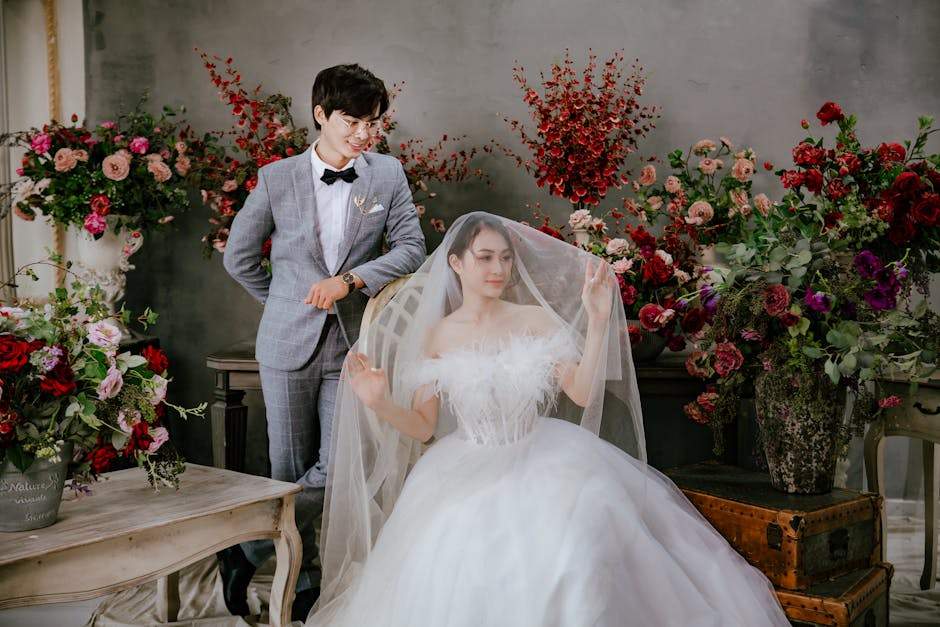
South Korea, despite its declining marriage rates, maintains a robust domestic wedding market estimated at around 14 trillion won ($10.8 billion) annually, positioning it as a significant player within Asia’s lifestyle economy. Korean wedding trends often set benchmarks in aesthetics and efficiency, influencing neighboring markets with its blend of traditional solemnity and modern flair. This includes the highly sought-after pre-wedding photography shoots, which attract international couples to Seoul’s specialized studios.
The concentration of high-end wedding venues and specialized service providers in areas like Gangnam and Cheongdam-dong in Seoul underscores the industry’s economic weight. Recent government initiatives, such as tax benefits for newlyweds in certain housing categories, subtly aim to bolster marriage rates, indirectly supporting the industry. Additionally, the increasing integration of technology, from virtual venue tours to AI-driven planning tools, demonstrates Korea’s pioneering approach to digitizing traditionally manual services.
2. Industry Deep-Dive: The Korean Wedding Ecosystem
Business Model & Revenue Drivers
The Korean wedding industry largely operates on a package-deal model, often referred to as “S.P.O.T.” (Studio, Photo, Oh-dresu, T-uxedo), encompassing photography, makeup, dress, and tuxedo services. Large wedding halls, often standalone multi-story facilities like those found in the Yeouido district, form the backbone, generating revenue through venue rental, catering, and exclusive vendor partnerships. These venues frequently include comprehensive packages that streamline the planning process for couples, covering roughly 60-70% of core wedding needs.
Beyond the core package, significant revenue is driven by ancillary services such as bespoke hanbok rentals or custom designs, high-end beauty treatments, and destination honeymoons. Companies like Kakao, through its various lifestyle and communication platforms, also indirectly benefit by facilitating wedding-related communications, gift registries, and even mobile invitation services for couples. This intricate web of services underscores the sector’s economic complexity.
Recent Strategic Moves
In the past year, the Korean wedding market has seen a distinct shift towards specialization and personalization. Boutique wedding planners, previously a niche, are gaining traction, offering curated experiences outside traditional wedding halls, from garden ceremonies in Gangwon Province to intimate gatherings in renovated hanok villages. Many established wedding photography studios, particularly in the Cheongdam-dong area, are expanding their portfolios to include concept shoots for anniversaries and family portraits, diversifying revenue streams.
Simultaneously, technology integration is accelerating. Virtual reality tours of venues and AI-powered recommendation engines for vendors are becoming more common, aligning with Korea’s broader push for digital transformation. This strategic pivot reflects an industry betting on customization and tech-enhanced convenience to appeal to a younger, more discerning clientele. For a deeper look into how Korean tech giants integrate into daily life, consider reading about Inside Kakao: The Unified Messaging Pioneer the West Hasn’t Noticed.
Competitive Positioning
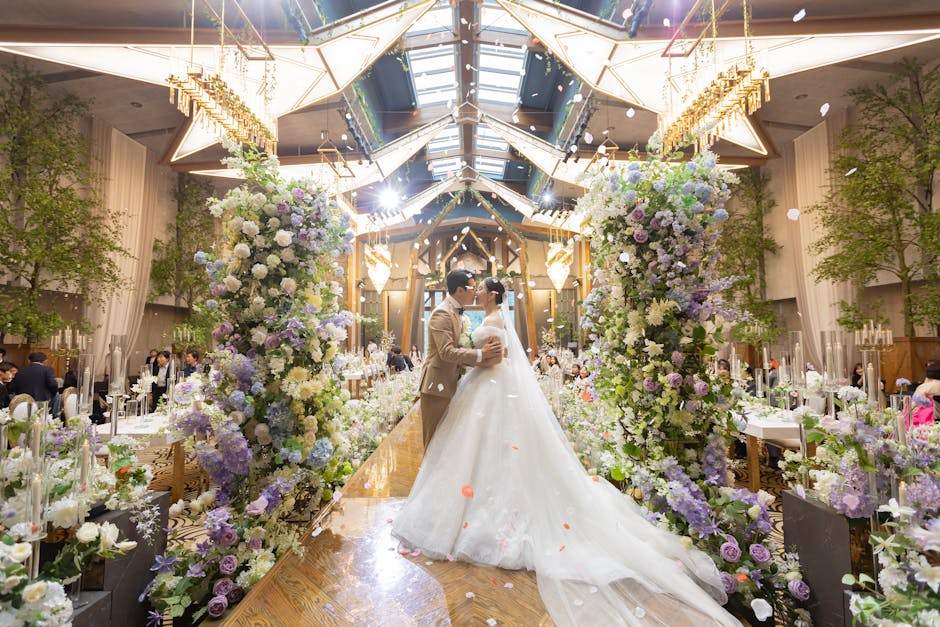
The competitive landscape is bifurcated between large, established wedding hall chains like The Raum or Convention Bell, which dominate the high-volume, standardized segment, and a growing number of independent, high-end planners and specialized ateliers. The larger players compete on scale, efficiency, and comprehensive packages, often offering a “one-stop shop” experience. This approach contrasts sharply with the smaller, bespoke providers that differentiate on unique concepts, personalized service, and exclusive vendor networks.
While traditional wedding halls remain popular for their convenience, they face increasing pressure from couples seeking more intimate, less “factory-like” experiences. This has led some major players to introduce more flexible packages and themed event spaces to retain market share against rising boutique competition. Foreign influences are also significant, with global luxury brands in bridal wear and event design increasingly entering the Korean market, often through collaborations with local partners.
3. Risks, Headwinds & What Could Go Wrong
Near-Term Pressure Points
The most immediate pressure point for the Korean wedding industry is the persistently low and declining marriage rate, which saw around 190,000 weddings recorded in South Korea in 2023, a significant drop from previous decades. This demographic trend directly impacts the overall demand for wedding services, requiring providers to either attract a larger share of a shrinking pool or diversify their offerings. Economic uncertainties, including inflation and interest rate fluctuations, also temper discretionary spending, potentially pushing couples towards more budget-conscious decisions or smaller ceremonies.
Additionally, evolving social norms, particularly among younger generations, indicate a preference for practical spending over opulent displays. This shift means that while average spending per wedding is high, the industry must continuously justify these costs with unique value propositions, or risk losing clients to simpler, more personal alternatives.
Structural Challenges to Watch
Longer-term, the structural challenge of an aging population and deeply ingrained perceptions of exorbitant wedding costs could erode the traditional wedding market. While many uphold the cultural importance of a grand ceremony, the financial burden, particularly for housing, often overshadows the joy of the event. This creates a psychological barrier, prompting some couples to opt for civil ceremonies or minimal celebrations, circumventing the full wedding industrial complex.
Furthermore, the competitive threat of do-it-yourself (DIY) weddings, facilitated by online resources and social media inspiration, poses a challenge to full-service providers. As consumers become more resourceful, the industry must innovate beyond traditional packages, offering specialized services that DIY efforts cannot easily replicate. This requires a constant re-evaluation of value and experience to justify premium pricing.
4. Catalysts to Watch in the Next 12 Months
Several catalysts could reshape the Korean wedding industry over the coming year. The gradual easing of social distancing norms, if sustained, could encourage larger gatherings and a return to more elaborate celebrations, boosting demand for traditional wedding halls and catering services. Innovation in digital planning tools, possibly leveraging advanced AI to personalize vendor recommendations and manage budgets more efficiently, is also a key area to watch, potentially attracting tech-savvy couples.
Additionally, the diversification of wedding service providers into adjacent event markets, such as anniversaries, corporate events, or even baby showers, could offer new revenue streams and stabilize businesses amidst fluctuating wedding demand. Should government policies aimed at supporting young families, like expanded housing benefits or childcare subsidies, prove effective in boosting marriage rates, the industry could see a corresponding uptick. Such developments, however, will require careful monitoring to discern their true impact on a complex and culturally sensitive market.

Frequently Asked Questions
A1. The average cost of a wedding in South Korea, including pre-wedding expenses, ceremony, and gifts, can range from 50 million won ($38,000) for the ceremony itself, often escalating significantly when housing costs are factored in. When considering expenses like apartment deposits or purchase, the total can easily exceed 300 million won ($230,000). This substantial outlay underscores the significant financial commitment involved in marrying in Korea.
A2. Key trends include a move towards smaller, more personalized ceremonies away from traditional wedding halls, increased adoption of digital planning tools, and a focus on unique pre-wedding photography experiences. There’s also a growing interest in incorporating traditional elements like the hanbok in contemporary ways, reflecting broader K-beauty and style influences. This blend of old and new demonstrates the dynamic evolution of the Korean wedding landscape.
A3. Technology is transforming wedding planning, from virtual reality tours of venues to AI-driven vendor matching services and digital invitation platforms. Live streaming of ceremonies for overseas guests is also common, along with drone photography for cinematic effect. These innovations aim to streamline the planning process, enhance the wedding experience, and cater to the expectations of a digitally native generation.

Hi, I’m Dokyung, a Seoul-based tech and economy enthusiast. South Korea is at the forefront of global innovation—from cutting-edge semiconductors to next-gen defense technology. My mission is to translate these complex industry shifts into clear, actionable insights and everyday magic for global readers and investors.