
🎯 Key Takeaways
- South Korean wedding expenses often represent more than half of a young couple’s combined annual income, a figure significantly higher than in many developed nations.
- The economic burden of lavish weddings contributes to delayed marriages and declining birth rates, impacting demographic stability and future consumer markets.
- Watch for increased government intervention and the growth of bespoke, minimalist wedding services as a counter-trend to traditional, high-cost ceremonies.
[TOC_PLACEHOLDER]
South Korea’s wedding industry operates with a distinct tension. It balances deeply rooted traditions against modern expectations, all while confronting escalating costs. By the end of this piece, you will understand the economic forces driving wedding expenses, their societal impact, and how cultural norms are adapting to these financial realities.
Q1. Why are wedding costs a significant economic and social issue in South Korea right now?
The average expense for a Korean wedding, particularly in metropolitan areas like Seoul, regularly reaches 70 million Korean Won. This figure often includes venue rental, catering, photography, attire, and gifts between families, presenting a substantial financial hurdle for couples entering marriage. This economic pressure point for young Koreans mirrors broader global inflationary trends impacting various sectors, including raw material price hikes faced by electric two-wheeler makers, as reported by The Times of India.
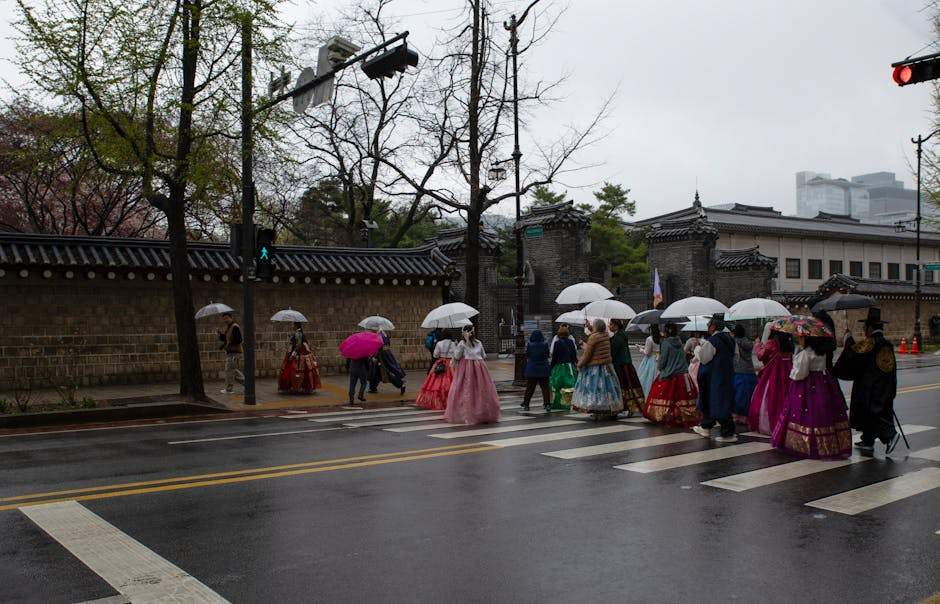
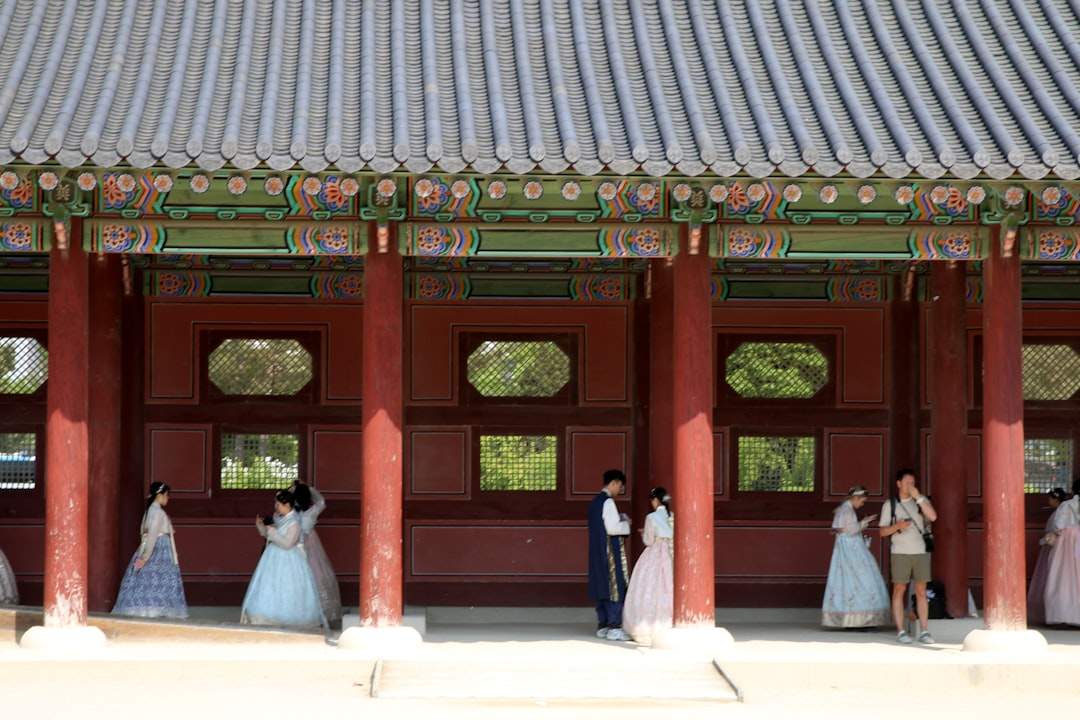
Historically, weddings were community affairs, with costs often distributed among extended families through traditional gift exchanges like Yedan (bride’s family gifts to groom’s family) and Ham (groom’s family’s gifts to bride). While these customs still exist, modern pressures have inflated expectations for lavish venues and elaborate ceremonies, shifting more financial burden directly onto the couple and their immediate parents. The idealized image of a grand wedding, amplified by social media and celebrity culture, often clashes with the practical financial capacity of many young adults.
Q2. What’s the international significance of South Korea’s wedding cost challenge?
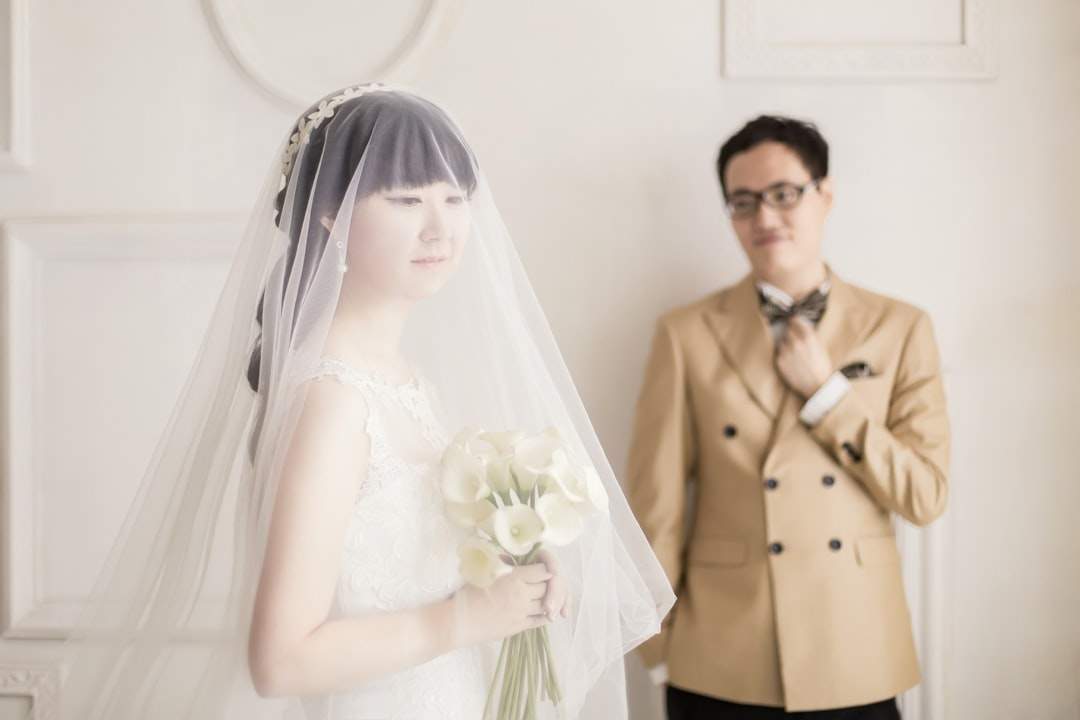
The escalating cost of weddings in South Korea is not an isolated cultural phenomenon; it reflects broader global socioeconomic shifts impacting marriage and family formation. High marriage expenses contribute to the nation’s critically low birth rate, which dropped to a record 0.72 in 2023, among the lowest globally. This trend signals a demographic crisis with long-term implications for workforce availability, economic growth, and social welfare systems, a concern shared by many developed economies facing aging populations.
Furthermore, the discretionary spending allocated to weddings diverts capital from other consumer markets, including housing and long-term investments. This pressure can influence global investment decisions, as international businesses assess market potential in a country where significant personal wealth is tied up in initial life events. The desire for a costly wedding can delay homeownership for years, affecting the real estate market in major cities like Seoul and Busan.
Q3. Who are the key players in the wedding industry, and what separates winners from laggards?
The South Korean wedding industry is primarily dominated by large, all-in-one wedding halls and luxury hotels. Establishments like The Shilla Seoul or Lotte Hotel offer comprehensive packages that include venue, catering, decorations, and even bridal styling, positioning them as premium players. Their strength lies in convenience and perceived prestige, attracting couples seeking a grand, hassle-free event, often with budgets upwards of 100 million KRW.
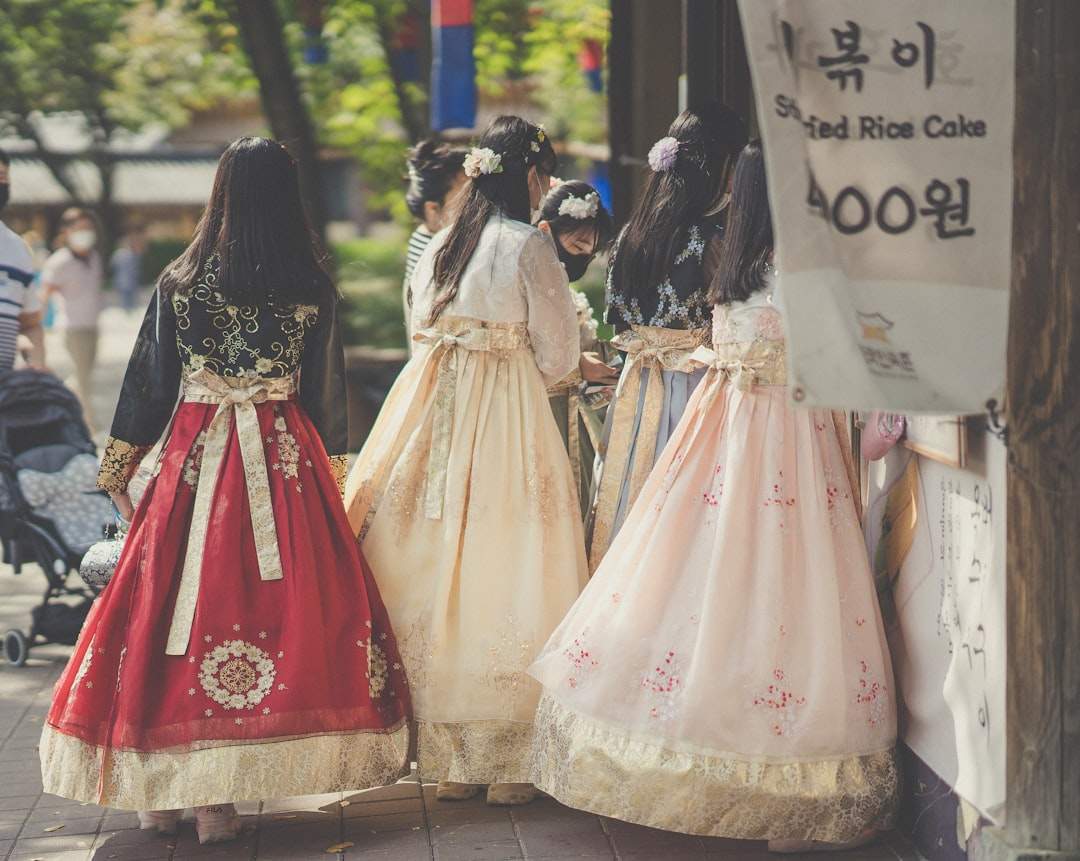
However, a new segment of bespoke and independent wedding planners is gaining traction, particularly among younger couples. These services, often specializing in smaller, more personalized ceremonies or outdoor events in locations like Jeju Island, appeal to those prioritizing unique experiences over traditional grandeur. Laggards are typically the mid-tier, cookie-cutter wedding halls that fail to adapt to changing consumer preferences for either extreme luxury or intimate, personalized options.
The rise of digital platforms also plays a role. Online communities and social media influencers guide couples through vendor selections, from photographers to dress rental shops. These platforms empower couples to bypass traditional planners, although they also expose them to more choices and potential pressure for elaborate elements.
Q4. What are the biggest risks and what could derail the current trajectory of wedding costs?
One primary risk is a sustained economic downturn or a prolonged period of high inflation, which could severely curtail disposable income for luxury spending like weddings. If households face increased financial precarity, the already high costs become unsustainable for a broader segment of the population, forcing a more rapid shift away from traditional large-scale events. This scenario would significantly impact the profitability of high-end venues and full-service wedding companies.
Another risk is a significant cultural shift away from the societal expectation of grand weddings. While there’s a growing preference for smaller, intimate ceremonies, the deep-seated cultural value placed on elaborate celebrations and social status remains potent. A strong pushback from influential public figures or policy interventions to simplify wedding customs could disrupt the existing industry model. However, overcoming decades of cultural norms presents a substantial challenge.
Q5. What should I watch over the next 6-12 months regarding Korean wedding trends?
Over the next 6-12 months, observe government initiatives aimed at alleviating the financial burden of marriage. Discussions around tax incentives for wedding-related expenses or the provision of public wedding facilities could gain momentum. These policies, if implemented, might offer tangible relief to couples and potentially shift demand away from private, expensive venues.
Additionally, monitor the expansion of “small wedding” services and platforms. Companies offering streamlined, customizable packages for intimate ceremonies are likely to proliferate, especially in non-traditional venues around Gangnam and other trendy districts. The success of these alternative models will indicate the extent to which generational preferences are truly reshaping the industry, moving beyond the traditional lavish affair into more personalized, albeit still stylish, celebrations that resonate with broader K-Pop culture trends of individuality.
Finally, keep an eye on how major hotel chains and luxury wedding halls adapt their offerings. Some may introduce more flexible or scaled-down packages to capture a wider market, or they might double down on ultra-premium, exclusive experiences for a niche clientele. This bifurcation in the market will define the industry’s evolution.

Hi, I’m Dokyung, a Seoul-based tech and economy enthusiast. South Korea is at the forefront of global innovation—from cutting-edge semiconductors to next-gen defense technology. My mission is to translate these complex industry shifts into clear, actionable insights and everyday magic for global readers and investors.