

From Seoul’s dynamic production houses, a seismic shift continues to redefine global entertainment consumption. K-Pop, once viewed as a niche Asian export, has firmly established itself as a dominant cultural force. The year 2026 sees this influence accelerating, not just in album sales, but in shaping digital trends and cross-cultural engagement worldwide.
This analysis examines the mechanics of K-Pop’s accelerated expansion, contrasting its systemic approach with the often more fragmented landscape of Western pop music. We pull intelligence from diverse sources, including niche reports on viral trends, as seen in data suggesting that even traditional events like Cologne’s Carnival are adopting sounds influenced by this global music wave. For deeper contextual data, readers can cross-reference this analysis with our findings on nostalgic cultural anchors, such as the recent focus on Disney classics detailed in this Global Intelligence Report.
The Factory Model Meets Digital Velocity
Systemic Production vs. Organic Stardom
The traditional Western music industry often relies on the singular trajectory of mega-stars, exemplified by Taylor Swift’s continued reign as the IFPI’s top global artist for 2025. Conversely, K-Pop leverages a highly structured, multi-layered production system. This system prioritizes global market readiness from the trainee stage onward.
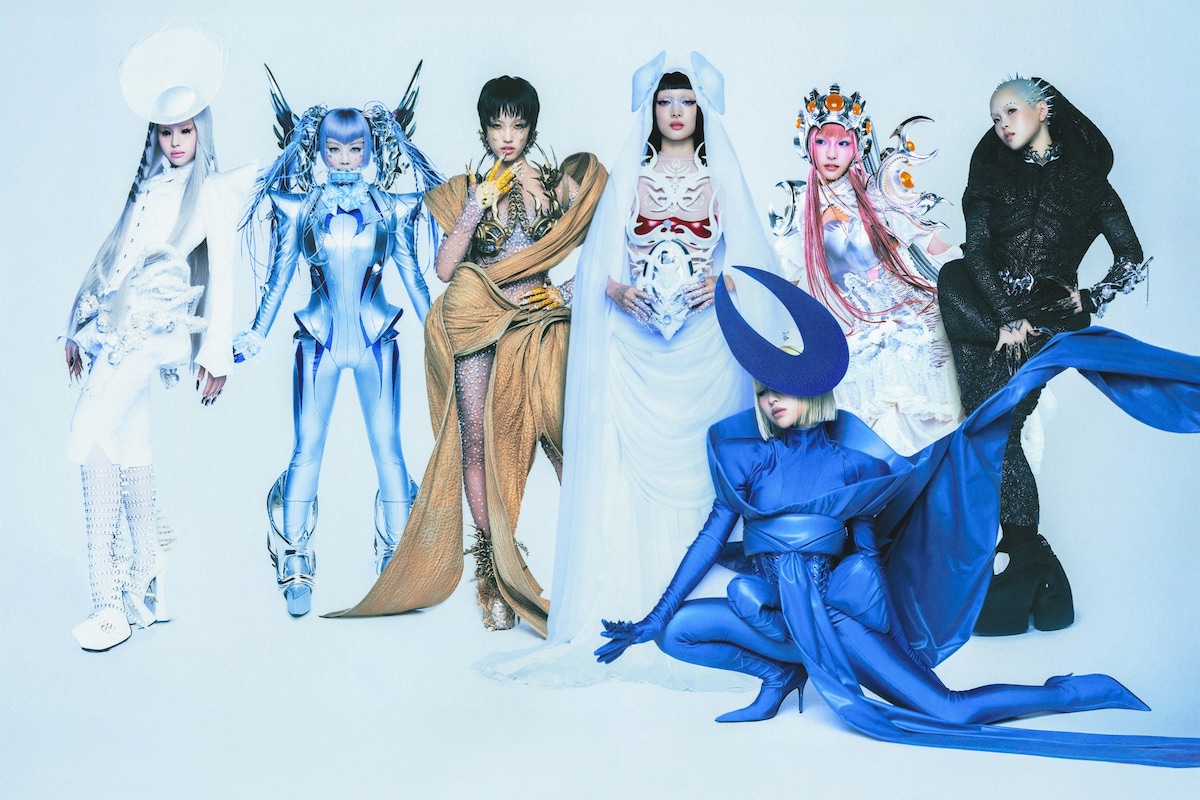
This methodical approach allows for rapid deployment of polished content across numerous platforms. Furthermore, the rise of adjacent acts, such as the Japan-born, Korea-trained ‘X-pop’ group XG, demonstrates the model’s capacity for successful regional adaptation and expansion, proving the training methodology transcends strict national boundaries.

Source: Global News Feed
The Digital Feedback Loop and Fandom Mobilization
K-Pop’s success is inextricably linked to its mastery of fandom mobilization, particularly on short-form video platforms. While Western artists utilize these platforms for promotion, K-Pop companies treat them as integral parts of the content cycle. This creates a constant state of engagement, far beyond the standard album cycle.
This deep integration fosters intense loyalty. We see echoes of this cultural resonance in broader demographic trends, such as Gen Alpha’s increasing fascination with Asian culture noted in Australia. This isn’t just about music; it’s about consuming an entire cultural package, including fashion, language, and visual aesthetics. For deeper macro-economic context on cultural shifts, one might review recent analyses from organizations like the World Bank on soft power exports.
Geopolitical Resonance and Cultural Soft Power
The ‘Hallyu Dividend’ in Global Relations
The impact of this cultural export is tangible in diplomatic and economic spheres. The consistent visibility of high-quality Korean cultural products enhances national brand value—the so-called Hallyu Dividend. This cultural capital can pave the way for smoother economic negotiations and increased tourism.
However, the ecosystem is not immune to scrutiny or external pressures. The shelving of culturally rooted projects, such as a Thai-inspired animated film by creators associated with progressive animation styles, suggests that while K-Pop thrives, broader Asian-centric content still faces commercial hurdles in dominant Western studios. This highlights the unique leverage commanded by the established Korean entertainment infrastructure.
| Key Metric / Region | Global Impact Analysis | South Korean Perspective |
|---|---|---|
| Global Tour Revenue (2025 Est.) | K-Pop acts consistently outperform heritage acts in ticket sales across multiple continents. | Confirms the viability of aggressive international touring schedules. |
| Social Media Engagement Rate | Significantly higher interaction rates than Western counterparts, indicating deeper fan immersion. | Validates investment in platform-specific, continuous content pipelines. |

Source: Global News Feed
The Crossover Challenge and Genre Fluidity
While K-Pop dominates, the global scene remains diverse. Artists like Gorillaz continue to release critically acclaimed, genre-defying work inspired by global travel, and established figures like Paul Anka demonstrate the necessity of adapting to technological change, including AI considerations.
K-Pop groups often assimilate global sounds, but the question remains whether they can consistently infiltrate genres resistant to polished pop structures, such as the heavy rock scene (evidenced by discussions around Nü-Metal Hall of Fame inductees). The future success likely lies in continued genre fusion strategy.
📊 Key Market Forecast / Trend Analysis
The focus on aesthetics and high production value, often discussed in tandem with Hollywood’s search for the next big stars, showcases a crucial area where K-Pop excels. Their ability to cultivate multi-talented idols who simultaneously lead fashion cycles offers a compelling model for future entertainment exports. We must also consider the internal pressure, as noted by discussions regarding Gen Z’s experience of “having a very Chinese time in my life” among some communities, illustrating that cultural adoption is complex and context-dependent.
The trajectory is clear: K-Pop is moving from being an influential genre to becoming the underlying architecture of the global pop soundscape. Any major label outside East Asia ignoring this infrastructural dominance does so at its peril. The market demands this level of connectivity, and K-Pop delivers it with unparalleled efficiency.
Source: Global News Feed
Top 5 Frequently Asked Questions
A1. Sustainability relies on continuous, high-quality output and the ongoing cultivation of the digital feedback loop. The initial investment is high, but the ROI is realized through global market penetration and diversified revenue streams (merchandise, endorsements, touring).
A2. Western pop often focuses on singular artist vision and organic growth, while K-Pop utilizes a centralized, long-term trainee system prioritizing group synchronization, visual concepts, and platform-specific engagement strategies over immediate, unrefined releases.
A3. No significant fatigue is apparent as of early 2026. Instead, we see diversification, with new regional ‘pop’ styles emerging (like X-pop), indicating the *system* is being replicated rather than the specific sound saturating the market.
A4. It is paramount. K-Pop groups treat platforms like TikTok and its successors as essential content delivery vehicles, often creating dedicated micro-content designed for viral sharing, maximizing reach beyond traditional music streams.
A5. It influences local trends, as seen in Cologne, where viral hits and contemporary sounds are reshaping traditional celebrations. This suggests K-Pop’s influence is filtering down to grassroots cultural expression, not just chart performance.
