
⚡ The 30-Second Summary
- The global Korean food market is projected to exceed $25 billion by 2028, expanding at a compound annual growth rate (CAGR) of approximately 8.5%, fueled by increasing international demand.
- Fermented staples like Kimchi continue to lead exports, with Kimchi sales alone reaching over $160 million in 2025, while popular street foods like Tteokbokki drive significant local and international dining trends.
- Key trends shaping Korean cuisine include a growing emphasis on health-conscious ingredients, sustainable sourcing practices, and culinary innovation that balances tradition with modern global tastes.
1. The Current Landscape
Background & Global Context of Korean Cuisine
The global market for Korean food products, encompassing both packaged goods and restaurant services, was estimated at approximately $18 billion in 2024, with projections indicating a substantial rise to $25 billion by 2028. This robust growth trajectory is significantly influenced by the enduring power of Hallyu, or the Korean Wave, which has propelled Korean culture, including its distinctive cuisine, onto the international stage. K-dramas, K-pop, and online content platforms have introduced millions worldwide to the vibrant flavors and communal dining experiences inherent in Korean food, sparking widespread curiosity and adoption. The expanding global palate increasingly seeks out diverse and authentic culinary experiences, positioning Korean cuisine as a frontrunner in this trend. For a deeper understanding of this global phenomenon, Reuters offers further insights into how Hallyu is driving the internationalization of Korean food.
Korea’s Strategic Position in the Global Food Market
South Korea actively leverages its rich culinary heritage to solidify its position as a global food innovator and exporter. The nation emphasizes authenticity, stringent quality control, and compelling cultural storytelling to differentiate its food products and dining concepts abroad. This strategic approach ensures that Korean food maintains its integrity while adapting to international tastes, fostering both culinary appreciation and economic growth.
Government Initiatives and Export Growth
Government-backed programs, such as the “Hansik Globalization” initiative, have invested over $100 million since 2010 to expand the global reach of Korean cuisine, supporting culinary schools, international promotions, and export subsidies. The Ministry of Agriculture, Food and Rural Affairs reported that agricultural and food exports, significantly boosted by processed Korean foods, reached a record $12 billion in 2025. This demonstrates a concerted effort to transform traditional dishes into commercially viable global commodities, while also promoting culinary tourism and participation in international food festivals.

2. Deep Dive & Insights
Iconic Korean Comfort Foods: History, Flavor, and Global Reach
Korean comfort foods are more than just meals; they are intricate tapestries woven from centuries of history, regional diversity, and profound cultural significance. Each dish tells a story, reflecting the ingenuity of Korean culinary traditions and their remarkable adaptability to modern tastes. From the ancient practice of fermentation to the vibrant energy of street food, these dishes offer a window into Korea’s soul and continue to captivate palates worldwide. For those planning a culinary adventure, exploring Korea’s travel and living guides can enhance the experience.
Kimchi: The Quintessential Fermented Staple
Kimchi, a fermented vegetable dish primarily made with napa cabbage and Korean radishes, stands as the undisputed icon of Korean cuisine. Its origins trace back to ancient times, evolving from simple salted vegetables to the spicy, complex dish known today following the introduction of chili peppers in the 17th century. The traditional communal practice of Kimjang, an annual kimchi-making event, is recognized as a UNESCO Intangible Cultural Heritage, underscoring its deep cultural resonance.
The distinctive tangy and piquant flavor of kimchi results from lacto-fermentation, a process where beneficial lactic acid bacteria break down sugars. This not only preserves the vegetables but also enhances their nutritional value, providing probiotics, vitamins, and fiber. Regional variations abound, from the milder, seafood-infused kimchi of the southern provinces to the spicier, more robust versions found in the north, each reflecting local ingredients and climatic conditions. Kimchi exports witnessed a 15% year-on-year increase in 2024, with major markets including Japan, the US, and Europe, solidifying its status as a global superfood and a versatile ingredient in fusion cuisine.
Bulgogi: The Royal Barbecue Delight
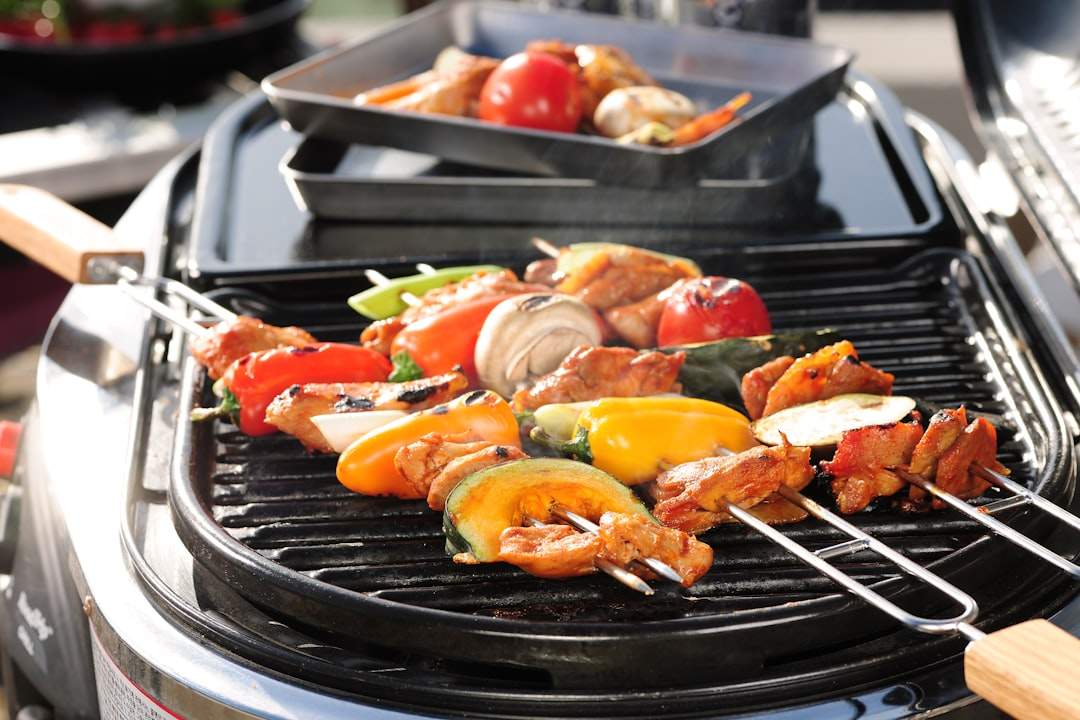
Bulgogi, meaning “fire meat,” is a beloved Korean barbecue dish featuring thinly sliced beef or pork marinated in a savory-sweet sauce. Its history stretches back to the Goguryeo dynasty (37 BCE–668 CE) as “maekjeok,” skewered meat grilled over fire, later evolving into “neobiani,” a delicate sliced beef dish served to royalty during the Joseon era. Today, it remains a symbol of Korean hospitality and celebratory dining.
The secret to bulgogi’s tender texture and rich flavor lies in its marinade, a precise blend of soy sauce, sugar (often from fruit like Asian pear for natural tenderizing), sesame oil, garlic, and black pepper. Grilling over an open flame imparts a characteristic smoky aroma and a delightful caramelization, though it is also commonly pan-fried. Korean BBQ restaurants globally, often featuring Bulgogi as a centerpiece, saw collective revenue growth of 11% in 2025, driven by its approachable flavors and the interactive dining experience it offers to international diners.
Bibimbap: A Colorful Medley of Harmony
Bibimbap, translating to “mixed rice,” is a visually stunning and nutritionally balanced dish that embodies the Korean philosophy of harmony. It typically consists of warm white rice topped with an assortment of sautéed and seasoned vegetables (namul), often beef or tofu, a fried egg, and a dollop of spicy gochujang (chili paste). Its origins are debated, possibly stemming from royal court cuisine, a ritual dish for ancestral rites (jesa), or a practical meal for farmers.
The dish’s vibrant colors adhere to obangsaek, the traditional Korean color theory representing five elements and directions, symbolizing balance and wellness. Each component is prepared separately to preserve its distinct flavor and texture before being mixed together at the table. Bibimbap’s versatility allows for endless customization, catering to various dietary preferences, making it a popular choice for health-conscious diners worldwide. Online food delivery platforms reported a 20% increase in Bibimbap orders across major Western cities in 2024, highlighting its appeal as a nutritious and customizable option.
Tteokbokki: The Spicy Street Food Phenomenon
Tteokbokki, a beloved street food, features chewy cylindrical rice cakes (tteok) simmered in a vibrant, spicy-sweet gochujang-based sauce. While its modern form is fiery red, tteokbokki originated in the Joseon dynasty as “gungjung tteokbokki,” a soy-sauce-based dish enjoyed by the royal court. The spicy version emerged after the Korean War, quickly becoming a staple in street markets and a comfort food for generations.
The dish’s appeal lies in its addictive sauce, deepened with ingredients like anchovy stock, garlic, and sugar, which perfectly coats the soft, chewy rice cakes. Often enhanced with fish cakes (eomuk), boiled eggs, and sometimes ramyeon noodles (creating “rabokki”), tteokbokki offers a delightful textural contrast. Its widespread exposure through K-dramas, mukbangs, and social media has propelled it into an international street food sensation. The global market for Korean street food, spearheaded by Tteokbokki, is projected to reach $5 billion by 2027, with a significant portion attributed to increasing online content consumption and its accessibility.
Japchae: A Savory Glass Noodle Dish
Japchae is a festive and colorful dish of stir-fried glass noodles (dangmyeon) made from sweet potato starch, tossed with various sautéed vegetables and often meat. Its name, meaning “mixed vegetables,” originally referred to a dish of stir-fried vegetables without noodles, created for King Gwanghaegun in the early 17th century. The inclusion of dangmyeon came later, transforming it into the celebratory dish known today.
The hallmark of japchae is the unique, chewy texture of its glass noodles, which are exceptionally good at absorbing the rich soy sauce-based seasoning. Each ingredient, from spinach and carrots to mushrooms and beef, is typically stir-fried individually to maintain its distinct flavor and vibrant color before being combined. This meticulous preparation ensures a harmonious blend of tastes and textures, making japchae a popular dish for holidays, banquets, and special occasions. Japchae’s popularity as a celebratory dish has contributed to a steady 7% annual growth in demand for Korean sweet potato noodles in international Asian markets, reflecting its widespread appeal as a balanced and flavorful meal.
Future Trends and Outlook for Korean Cuisine
The global trajectory of Korean comfort food points towards continued innovation and expansion. Health consciousness remains a significant driver, with growing demand for plant-based options, gluten-free alternatives, and dishes emphasizing fresh, wholesome ingredients. Fusion cuisine also continues to evolve, as Korean flavors seamlessly integrate into diverse culinary traditions, creating exciting new dining experiences. Technological advancements in food production and preservation are also enabling wider distribution and longer shelf-life for traditional Korean products, making them more accessible worldwide.
Potential Challenges and Opportunities
While the outlook is positive, challenges include maintaining the authenticity of traditional recipes amidst mass commercialization and adapting to diverse regulatory standards across different markets. Fluctuations in global ingredient costs and potential supply chain disruptions for specific Korean-grown produce also pose risks. However, these challenges present opportunities for sustainable sourcing, local ingredient adaptation, and the development of innovative, authentic Korean food products that resonate with a global audience while preserving Korea’s rich culinary heritage.

3. Frequently Asked Questions

Hi, I’m Dokyung, a Seoul-based tech and economy enthusiast. South Korea is at the forefront of global innovation—from cutting-edge semiconductors to next-gen defense technology. My mission is to translate these complex industry shifts into clear, actionable insights and everyday magic for global readers and investors.