

South Korea’s ambition to cultivate a robust domestic AI chip ecosystem is increasingly drawing global attention as startups like Rebellions challenge established hardware giants. By the end of this analysis, you’ll understand Rebellions’ proprietary AI processor technology, its strategic position within the burgeoning Korean AI chip sector, and the broader implications for global AI hardware innovation and supply chain resilience.
Q1. What drives South Korea’s push into proprietary AI chip development, and why is it gaining global attention now?
A global scramble for AI supremacy, coupled with mounting energy costs for data centers, has intensified South Korea’s focus on specialized AI processor technology. The nation aims to reduce its reliance on foreign hardware, particularly for critical AI infrastructure. This drive has propelled companies like Rebellions into the spotlight, attracting significant investment and enabling them to develop chips tailored for specific AI workloads, offering superior efficiency over general-purpose GPUs.
Recent reports affirm South Korea’s rising stature, with Ibtimes.com.au highlighting the country as home to “10 Leading Companies Shaping 2026 Innovation Landscape” in AI. This strategic imperative is underpinned by a historical legacy of semiconductor excellence, yet the current focus shifts from memory or foundry services to designing the core intelligence for next-generation AI. The very name Rebellions evokes a spirit of challenging the status quo, aiming to stage a rebellion against the prevailing norms of AI hardware.
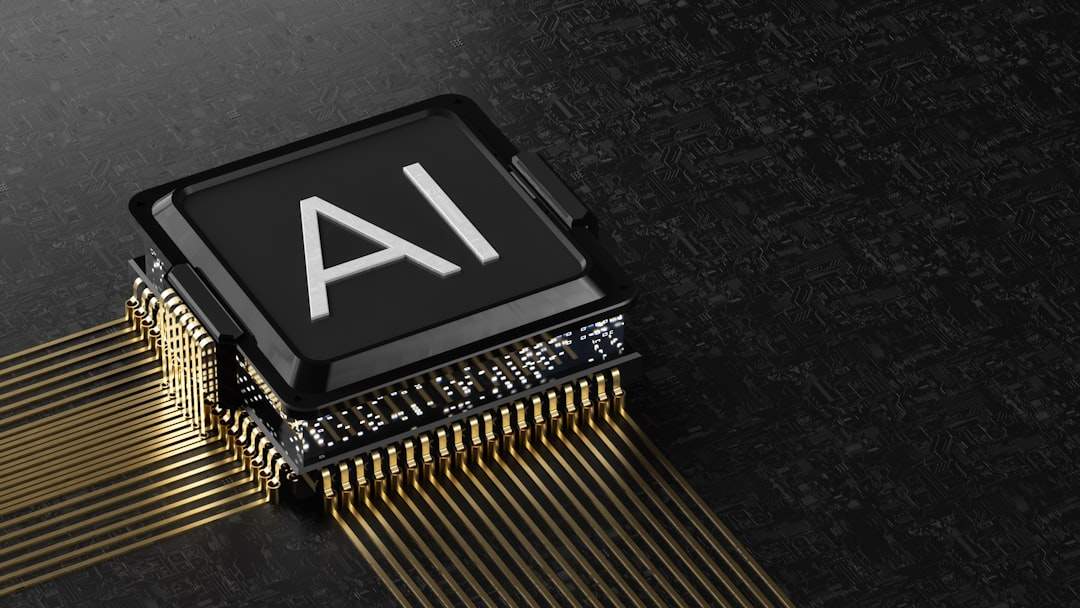
Q2. How does Rebellions’ AI processor technology impact the global AI hardware landscape and what’s its strategic importance?
Rebellions’ AI processor technology offers a direct challenge to the dominance of established players by focusing on application-specific integrated circuits (ASICs) optimized for AI inference. These specialized chips promise significantly better performance-per-watt for specific tasks, such as large language models (LLMs), which are increasingly central to cloud computing and enterprise AI solutions. This translates into lower operational costs for data centers, making them a compelling option for cloud providers and large corporations seeking to scale their AI capabilities efficiently.
The strategic importance lies in diversifying the global AI hardware supply chain. As geopolitical tensions continue to shape tech policy, nations are prioritizing domestic capabilities. South Korea, with its robust semiconductor manufacturing infrastructure, is uniquely positioned to foster such innovation. The ability to produce high-performance, energy-efficient AI chips locally helps mitigate supply risks and strengthens the nation’s technological sovereignty, potentially capturing a notable segment of the global AI hardware innovation market, estimated to reach over $100 billion by 2027.
Q3. Who are the primary innovators in the Korean AI chip sector, and what unique strategies define their competitive edge?
Rebellions stands out among Korean AI chip startups with its focus on the ATOM chip, designed specifically for AI inference workloads in data centers. Its architecture prioritizes power efficiency and cost-effectiveness for processing large-scale AI models, distinguishing it from general-purpose GPUs that are optimized for training. This specialization allows Rebellions to achieve a competitive edge in specific niches, delivering compelling performance metrics for tasks like AI chatbot responses and recommendation engines.
The company’s strategy also involves tight integration with major domestic cloud providers. Naver Cloud, for instance, has publicly committed to deploying Rebellions’ AI processor technology in its data centers, providing a critical initial market and validation. This partnership not only offers a stable demand channel but also facilitates real-world optimization and feedback loops that are invaluable for iterative chip development.

Beyond Rebellions, other significant players contribute to South Korea’s burgeoning AI hardware ecosystem. FuriosaAI, another prominent Korean AI chip startup, also develops high-performance AI accelerators, often targeting different segments or offering alternative architectural approaches. Major tech conglomerates like Naver and Kakao are not just potential customers but also strategic partners and investors, leveraging their extensive AI service portfolios to drive demand for domestic AI solutions. Their involvement underscores a cohesive ecosystem approach, where innovation in hardware is closely tied to advancements in software and cloud services.
Q4. What significant challenges threaten the growth trajectory of Korean AI chip startups, and what could impede their global ambitions?
Despite promising advancements, Korean AI chip startups face substantial hurdles, primarily the entrenched dominance of Nvidia. Nvidia’s CUDA ecosystem and its vast developer community present a formidable barrier to entry, as shifting to new hardware often requires significant software re-engineering and expertise. Building a comparable software stack and developer support system demands immense resources and time, which smaller startups, even well-funded ones, often lack.
Another significant risk is the sheer capital intensity of semiconductor development. Designing, fabricating, and validating advanced chips requires hundreds of millions, if not billions, of dollars. While South Korean government incentives and domestic venture capital have provided initial impetus, sustaining this level of investment becomes challenging without broader market penetration and international adoption. The current USD/KRW exchange rate, standing at 1477.22, makes importing crucial design tools and manufacturing equipment more expensive for local firms, potentially increasing R&D costs.
Beyond competition and funding, the rapid pace of AI model evolution also poses a threat. What is optimized today for a specific LLM might be less efficient for tomorrow’s architecture. Startups must maintain an agile R&D cycle to ensure their Rebellions AI processor technology remains relevant. To counterbalance these risks, international partnerships and strategic alliances become crucial for market diversification and scaling production beyond domestic demand.
Q5. What concrete developments should investors and industry observers monitor in the Korean AI chip market over the coming year?
Over the next 6-12 months, investors should closely watch several key indicators. First, monitor Rebellions’ deployment scale within Naver Cloud and any announcements regarding expanded adoption by other major domestic or international cloud providers. A significant expansion beyond initial pilot projects would signal strong product validation and market acceptance for its AI processor technology.
Second, observe funding rounds and strategic partnerships. A new Series C or D round for Rebellions, particularly one involving international investors or major tech firms, would underscore growing confidence in their long-term viability and global reach. Any formal alliances with global software vendors or independent hardware vendors could also be a strong catalyst. Finally, keep an eye on new product announcements, such as Rebellions’ next-generation chip, which is reportedly under development in Seoul. Its specifications and performance benchmarks will be critical for assessing its continued competitive edge in the rapidly evolving global AI hardware innovation landscape.

Hi, I’m Dokyung, a Seoul-based tech and economy enthusiast. South Korea is at the forefront of global innovation—from cutting-edge semiconductors to next-gen defense technology. My mission is to translate these complex industry shifts into clear, actionable insights and everyday magic for global readers and investors.