
🎯 Key Takeaways
- Korean defense contractors, traditionally focused on terrestrial systems, are now a critical, often unseen, backbone for global satellite resilience.
- The rigorous standards of Korea’s defense sector are directly translating into an elevated reliability and security posture for essential space infrastructure worldwide.
- Watch for increased international collaboration and strategic partnerships involving Korean firms as the demand for resilient satellite networks intensifies over the next five years.
📋 Table of Contents
- ▸ #1. LIG Nex1’s Defense Pedigree Powers Global Satellite Security
- ▸ #2. Korea Aerospace Industries Builds the Unseen Backbones of Resilient Orbiting Networks
- ▸ #3. Secure Communication: How Korea Guards Against Satellite Interference and Cyber Threats
- ▸ #4. The Integration Hurdle: Why Global Trust Remains Korea’s Next Frontier in Space
- ▸ #5. Next-Gen Orbiting Constellations: Korea’s Future in Global Space Infrastructure
- └ Quick Q&A
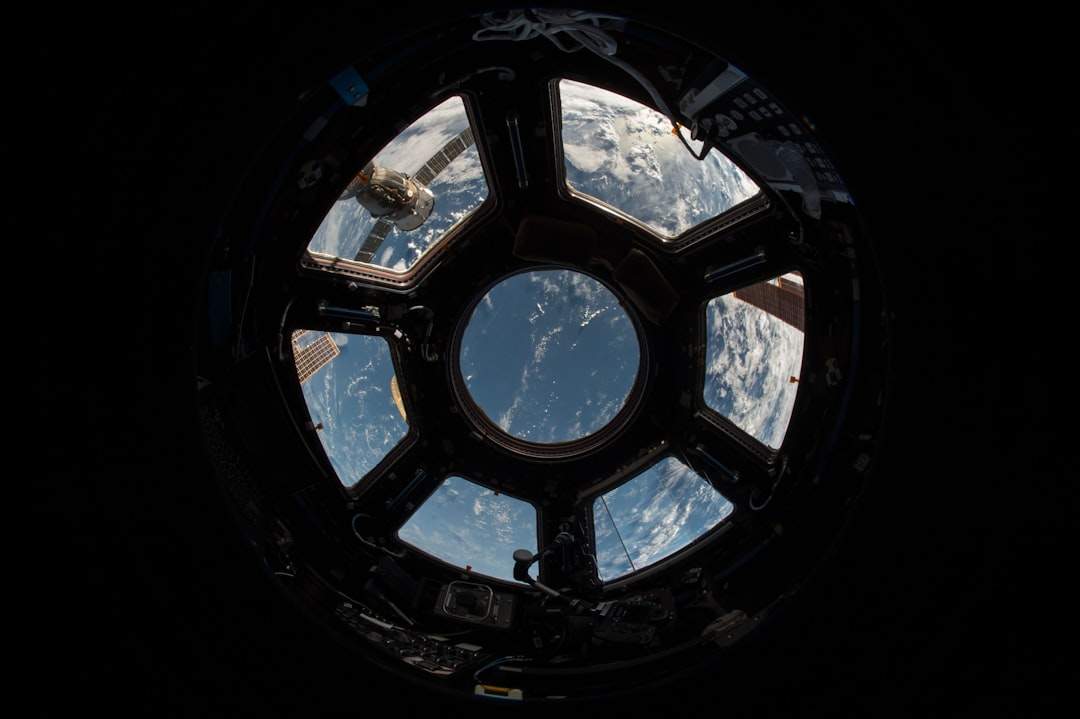
Recent launch failures and persistent concerns over satellite security underscore a stark reality: the real story isn’t in the sheer volume of satellites lofted into orbit, but in the unseen robustness of their components. A global space race, driven by both commercial ambition and strategic necessity, demands infrastructure that can withstand anything from orbital debris to sophisticated cyberattacks. This isn’t just about getting payloads into space; it’s about keeping them operational and secure for years.
#1. LIG Nex1’s Defense Pedigree Powers Global Satellite Security
The global satellite market often focuses on launch providers and mega-constellations, yet the fundamental reliability of these systems often hinges on less publicized components. Enter LIG Nex1, a name synonymous with advanced defense systems in South Korea, now a quiet force in ensuring global satellite resilience. Established in 1976 as Goldstar Precision, the company matured from producing sophisticated radar and missile systems to applying that stringent, high-reliability engineering to the demands of space.
Today, LIG Nex1 isn’t just a national champion; it’s a provider of mission-critical hardware for international space programs. Their specialization in highly accurate guidance systems, secure data links, and robust communication modules, originally developed for complex military platforms, finds a natural home in the unforgiving vacuum of space. As of May 23, 2026, LIG Nex1’s stock trades at ₩925,000, reflecting a strong +7.3% gain today, indicative of market confidence in their expanding capabilities across defense and aerospace sectors, boasting a market capitalization of $20206.9 billion. This strong performance signals a broader recognition of their indispensable role in high-tech manufacturing.
LIG Nex1’s contribution to satellite resilience is rooted in its extensive experience developing defense electronics. This background provides an inherent advantage: components designed for fighter jets or naval vessels must operate flawlessly under extreme conditions, resisting shock, vibration, and electromagnetic interference. Such rigorous standards are precisely what’s needed for LIG Nex1 to excel in delivering critical, high-reliability components for satellites, from advanced transponders to precise attitude control systems. The company’s history, including its acquisition of a 49 percent stake by STIC Investments for 420 billion Korean won in 2013, has fostered an agile corporate structure capable of pushing technological boundaries. This focus on defense-grade quality ensures that vital satellite communication security is maintained even in the most challenging environments.
📊 KRX Stock Performance (Live)
₩925,000 +7.3%
₩168,400 +2.4%
Source: KRX · Yahoo Finance · data as of latest session
#2. Korea Aerospace Industries Builds the Unseen Backbones of Resilient Orbiting Networks
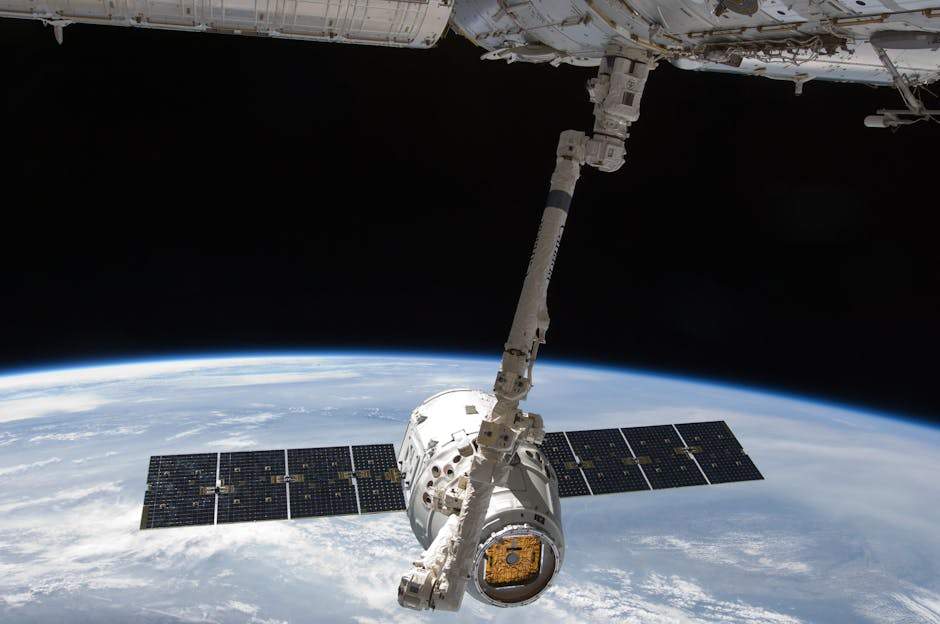
While LIG Nex1 provides crucial components, Korea Aerospace Industries (KAI) offers a broader, systemic approach to space infrastructure. KAI, best known for its T-50 Golden Eagle trainer jets and KF-21 Boramae fighter, has simultaneously cultivated deep expertise in satellite platform development and assembly. This isn’t merely about parts; it’s about constructing entire, robust satellite bodies capable of housing and protecting sensitive payloads for extended missions.
KAI’s experience spans scientific, Earth observation, and communication satellites, applying its aerospace manufacturing rigor to ensure structural integrity and longevity in orbit. Their comprehensive understanding of spacecraft design, integration, and testing is invaluable for creating systems that can withstand the harsh realities of space, from radiation exposure to temperature extremes. The company’s stock currently sits at ₩168,400, up +2.4% today, reflecting a market cap of $16414.8 billion, demonstrating sustained growth in both its traditional aviation and burgeoning space sectors.
The synergy between KAI’s aircraft manufacturing precision and its space division is a powerful differentiator. Every rivet, every weld, and every circuit board integration benefits from decades of experience where failure is not an option. This commitment to reliability is foundational for Korea Aerospace Industries space resilience contributions. They are not just building satellite buses; they’re crafting resilient habitats for complex electronics, ensuring that the critical systems from partners like LIG Nex1 perform optimally. This extensive, in-house capability positions KAI as a pivotal partner for any nation or commercial entity seeking to build out a truly dependable and enduring space-based asset. Their work is a testament to how Korean aerospace defense technology for satellites is elevating global standards.
#3. Secure Communication: How Korea Guards Against Satellite Interference and Cyber Threats
Beyond physical robustness, the battle for satellite resilience is increasingly fought in the digital and electromagnetic spectrum. Modern satellites are prime targets for jamming, spoofing, and cyberattacks, which can cripple critical services from navigation to global communication. Here, Korean expertise in secure communication systems, honed through decades of national defense R&D, offers a formidable advantage. Companies like LIG Nex1 develop advanced anti-jamming technologies and cryptographic modules that are crucial for protecting satellite data links.
The Electronics and Telecommunications Research Institute (ETRI), a government-funded research organization based in Daejeon, often collaborates with defense firms to push the boundaries of secure wireless communication. ETRI’s work in quantum-resistant cryptography and secure network protocols is directly applicable to safeguarding satellite communications from emerging threats. This collective effort provides critical answers to the pressing question of how to protect satellites from cyberattacks.
These Korean firms aren’t merely adapting existing tech; they’re innovating at the forefront of secure satellite communication. Techniques like frequency hopping, spread spectrum modulation, and advanced error correction are integrated into their transponders and ground control systems, making satellite links remarkably resilient to hostile interference. This proactive approach ensures that essential data—whether for military intelligence, commercial navigation, or climate monitoring—remains accessible and uncompromised. For a deeper dive into the competitive landscape of Korean defense technology, see our analysis on Hanwha Aerospace vs LIG Nex1: Who Leads K-Defense Exports?, which highlights the intense drive for innovation in this sector. This focus on secure, robust links is a cornerstone of Korean aerospace defense technology for satellites.
#4. The Integration Hurdle: Why Global Trust Remains Korea’s Next Frontier in Space
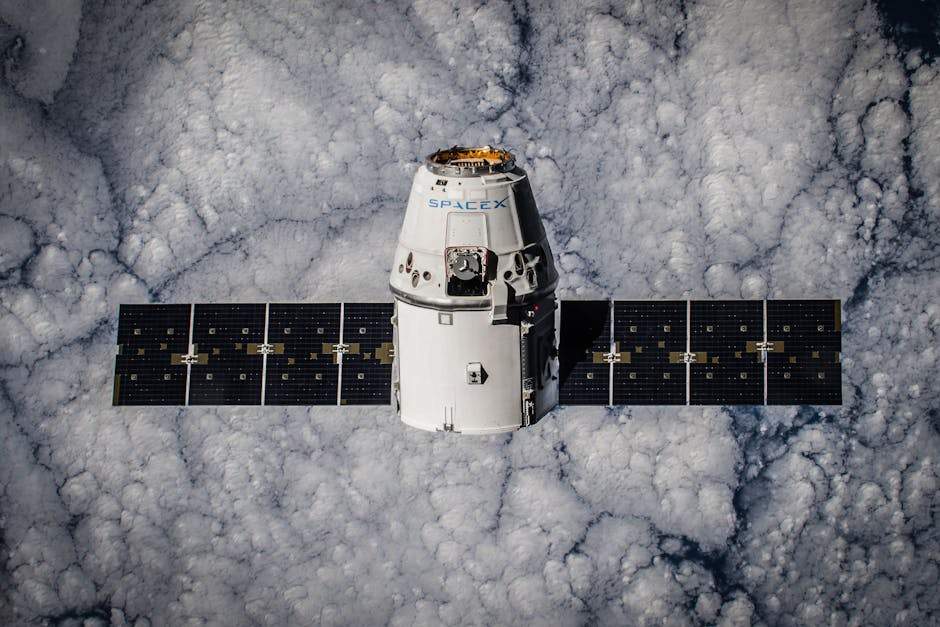
Despite their undeniable technological prowess, Korean firms face a significant hurdle in achieving broader global market penetration: the established, often insular, nature of the international space industry. Prime contractors in the West frequently rely on long-standing supply chains and deeply embedded relationships, making it challenging for new players, even highly capable ones, to integrate their solutions widely. A procurement director at a major European space agency, for instance, might prioritize vendor familiarity over a marginal gain in component performance, at least initially.
There’s also the challenge of perceived scale. While LIG Nex1 and KAI are titans in Korea, some international partners may still view them as regional specialists rather than global primes in the space domain. This perception, while fading, requires persistent effort and strategic partnerships to overcome. As Benjamin Franklin once noted, “If everyone is thinking alike, then no one is thinking.” This quote, highlighted in a recent Wattsupwiththat.com climate and energy news roundup, aptly captures the need for diversified thinking in complex industries like space, but breaking old habits takes time.
Furthermore, the high capital intensity of the space sector means that even with government backing, Korean companies must navigate global investment trends. The current US Fed Funds Rate at 3.64 percent, for example, influences the cost of capital and investment appetite in global markets, indirectly affecting the expansion strategies of companies like LIG Nex1 and KAI. While their technology is world-class, convincing global partners to shift away from entrenched suppliers demands more than just superior specs; it requires sustained trust-building, extensive certification processes, and a willingness to adapt to diverse international regulatory frameworks.
#5. Next-Gen Orbiting Constellations: Korea’s Future in Global Space Infrastructure
The coming wave of mega-constellations in Low Earth Orbit (LEO) presents a fresh opportunity for Korean firms. These networks demand thousands of satellites, each requiring high reliability, cost-effectiveness, and rapid production. Korea’s industrial base, characterized by efficient manufacturing and a strong emphasis on quality control, is uniquely positioned to meet these demands. Companies like LIG Nex1 and Korea Aerospace Industries are actively investing in next-generation satellite technologies, including miniaturization, advanced propulsion, and inter-satellite communication links.
The broader Korean aerospace ecosystem, including giants like Hanwha Aerospace, which develops rocket engines and satellite components, creates a powerful synergy. This collective capability allows Korea to offer comprehensive solutions, from launch vehicle components to fully integrated satellite systems, positioning it as a key player in the race to build the orbital infrastructure of tomorrow. Their combined expertise in orbital AI infrastructure will be critical.
In the next 18 months, anticipate significant announcements regarding new government-backed space initiatives and international partnerships focusing on LEO constellations. These programs will likely leverage Korea’s proven track record in defense-grade resilience to build robust, secure, and interconnected networks. The drive for domestic space independence, spurred by initiatives like the Korea Space Launch Vehicle-II (Nuri) program, is simultaneously fueling capabilities that are highly attractive to global partners seeking alternatives to traditional suppliers. This blend of national ambition and commercial readiness ensures Korea’s role will only grow more pronounced in shaping the future of global space infrastructure.
Quick Q&A
A1. LIG Nex1 and Korea Aerospace Industries (KAI) are at the forefront, leveraging their extensive experience in military-grade systems. Hanwha Aerospace also plays a significant role in providing propulsion and satellite components, creating a robust national ecosystem. These firms are rapidly becoming key players in K-Defense exports.
A2. LIG Nex1 contributes through its specialization in high-reliability components, secure communication systems, and advanced guidance technologies. These products, initially developed for demanding defense applications, ensure satellite longevity and resistance to interference. The company’s rigorous testing protocols guarantee performance in extreme orbital environments.
A3. Korean satellite technology achieves its reliability through a foundation of defense-grade engineering standards and meticulous quality control. Extensive government investment in R&D, coupled with a highly skilled workforce, ensures robust design and manufacturing processes. This commitment to precision, born from complex military projects, translates directly into extremely dependable space infrastructure.

Hi, I’m Dokyung, a Seoul-based tech and economy enthusiast. South Korea is at the forefront of global innovation—from cutting-edge semiconductors to next-gen defense technology. My mission is to translate these complex industry shifts into clear, actionable insights and everyday magic for global readers and investors.