
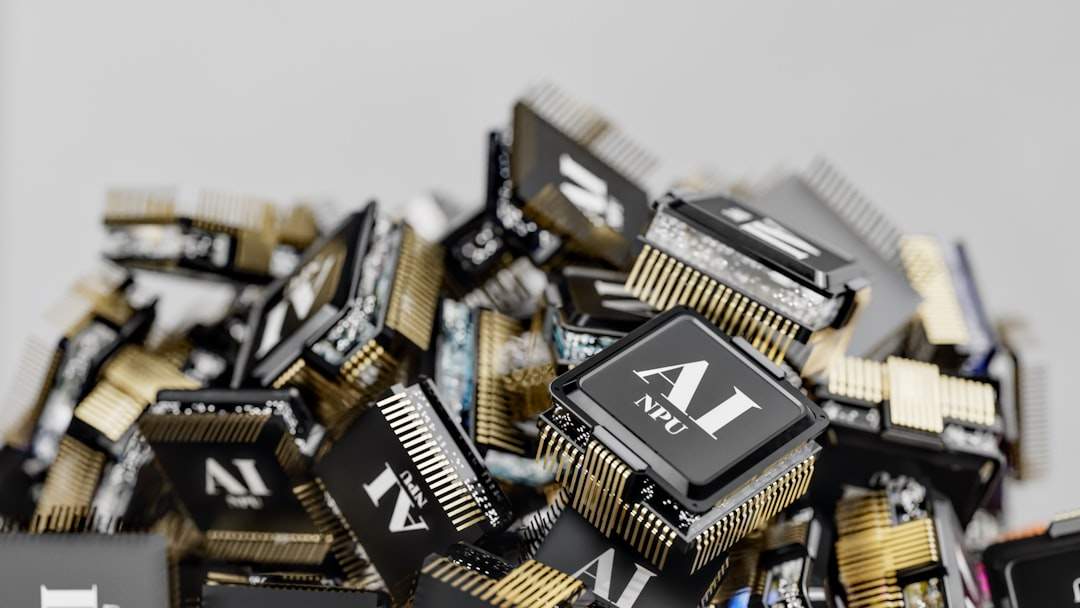
Can South Korea’s ambition for AI leadership be built on two such distinct foundations as comprehensive cloud services and specialized silicon? Naver Cloud and Rebellions represent the dual strategy emerging from Seoul, each carving a unique path that warrants examination by tech investors and industry observers seeking insight into Korean AI innovation.
The Setup: Why This Matchup Matters Now
What Changed to Make This Comparison Relevant
The imperative for localized, efficient AI infrastructure intensified over the past eighteen months, driven by data sovereignty concerns and the escalating operational costs of large language models. Naver Cloud’s accelerated push for HyperCLOVA X adoption across various enterprise sectors, coupled with Rebellions’ successful closure of a substantial Series C funding round earlier this year, has sharpened the competitive landscape. These developments underscore a deliberate Korean strategy to build both indigenous software and hardware capabilities rather than relying solely on foreign solutions, a trend observed globally as nations prioritize their digital autonomy.
The global demand for AI chips, particularly for inference workloads, is projected to grow significantly, creating a fertile ground for new entrants. As Reuters reported recently, new players are vying for market dominance, indicating that the landscape is far from settled despite Nvidia’s current lead. This dynamic environment allows for specialized challengers like Rebellions to carve out a niche, while established players like Naver Cloud are compelled to deepen their vertical integration.
What’s Actually at Stake
At stake are billions in market share within the burgeoning Korean AI innovation ecosystem and the potential for global exportable technology. South Korea’s domestic cloud market alone is estimated to approach $4 billion by 2027, with AI-driven services expected to constitute a significant portion of that growth. For Naver Cloud, securing a dominant share means validating its full-stack AI strategy against international hyperscalers and domestic rivals like Kakao.
For Rebellions, the prize is establishing its AI processing units (NPUs) as a credible, cost-effective alternative to general-purpose GPUs, particularly for high-volume inference tasks. Success here translates into substantial intellectual property value and potential licensing agreements with global data center operators and technology firms. The broader implication involves South Korea’s strategic positioning as a leader in artificial intelligence, reducing reliance on external technology suppliers in a domain deemed critical for national competitiveness.

Round 1: Scale, Resources & Market Position
Player A — Strengths & Numbers
Naver Cloud, as a subsidiary of the Naver Corporation, benefits from the financial muscle and extensive user base of its parent company, which has a market capitalization often exceeding 30 trillion KRW. Its strength lies in its comprehensive vertical integration, operating massive data centers like Gak Chuncheon and Sejong, capable of housing hundreds of thousands of servers. This infrastructure supports its proprietary hyperscale AI model, HyperCLOVA X, and a suite of over 200 cloud products and services.
The company commands a significant portion of the domestic public cloud market, particularly among Korean enterprises seeking local data residency and compliance. Its established customer relationships span various industries, from finance to public institutions, providing a stable revenue stream and a broad testing ground for its AI offerings. Analysts estimate Naver Cloud’s revenue contribution to its parent company’s overall performance to be steadily increasing, with a projected double-digit growth rate for its cloud segment over the next fiscal year.
Player B — Strengths & Numbers
Rebellions, a relatively young startup headquartered in Pangyo Techno Valley, operates with a considerably smaller footprint but possesses a highly specialized focus. The company has garnered significant investor confidence, raising an estimated $250 million in venture capital by early 2026, including backing from major Korean financial institutions and telecom firms. Its primary asset is its dedicated AI chip, ATOM, designed specifically for AI inference workloads, which demand high efficiency and low latency.
The firm’s strength derives from its engineering talent, drawn from global semiconductor giants and local universities, focusing on developing custom silicon architectures. While it doesn’t disclose production capacity, Rebellions has announced partnerships for manufacturing with a major global foundry, indicating a scalable production roadmap. Its chips are reportedly showing promising performance benchmarks, with a reported 25% efficiency gain over comparable general-purpose GPUs for specific AI tasks, positioning it as a credible challenger in the AI chip development Korea landscape.
Round 2: Innovation Pipeline & Technology Bets
R&D, Patents & Product Roadmap
Naver Cloud’s innovation pipeline is heavily invested in advancing its HyperCLOVA X large language model, which currently boasts over 200 billion parameters. This includes ongoing research into multimodal AI capabilities, generative AI applications, and specialized vertical models tailored for sectors like finance, legal, and healthcare. The company’s R&D spend, while not disclosed specifically for the cloud division, is substantial, drawing from Naver Corporation’s overall budget dedicated to artificial intelligence.
Beyond LLMs, Naver Cloud is actively developing a broader suite of AI services, including advanced vision AI for industrial automation and sophisticated speech recognition technologies, all integrated within its AI cloud platforms. Its roadmap includes continuous refinement of its MLOps platform, enabling enterprises to deploy and manage their AI models more efficiently, and exploring sovereign AI solutions for government and defense applications.
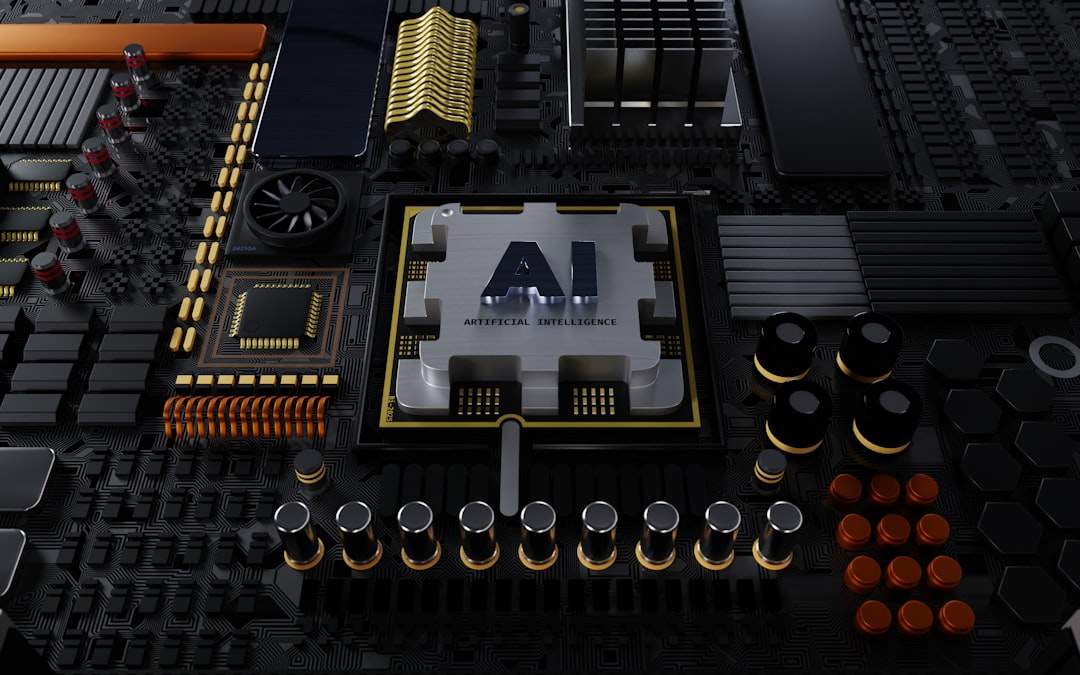
Rebellions, conversely, focuses its R&D squarely on semiconductor design and architecture. Its flagship ATOM chip is specifically designed for AI inference, delivering high performance with minimal power consumption for tasks like natural language processing and computer vision. The company’s roadmap includes the development of ION, a next-generation data center AI chip aimed at training larger AI models, effectively targeting a broader segment of the AI lifecycle beyond inference.
Rebellions has secured a growing portfolio of patents related to its NPU architecture and memory optimization techniques, which are critical for maintaining a competitive edge. The firm’s strategy is to continually push the boundaries of energy efficiency and computational density, aiming to offer a compelling alternative to established GPU providers. Early benchmarks suggest ION could offer significant performance-per-watt improvements, a critical factor for large-scale AI deployments.
Partnership & Ecosystem Advantages
Naver Cloud benefits from a tightly integrated ecosystem anchored by its parent company. This includes synergistic relationships with other Naver services like LINE, Webtoon, and its e-commerce platforms, providing internal demand and a testing ground for AI applications. Furthermore, it has cultivated a network of system integrators and independent software vendors (ISVs) that build atop its cloud platform, enhancing its market reach and solution breadth. Its long-standing partnerships with major Korean conglomerates also ensure a steady pipeline of large-scale enterprise projects.
Rebellions, despite its younger status, has strategically forged key alliances. It has secured partnerships with major domestic telecommunication companies and data center operators like Solid Inc, which are crucial for the deployment and testing of its AI chips in real-world environments. These collaborations provide not only early customer validation but also invaluable feedback for product refinement. The firm also works closely with universities and research institutes, fostering a talent pipeline and collaborating on advanced research projects in AI chip development Korea.
Round 3: Risks & Shared Vulnerabilities
Both Naver Cloud and Rebellions face significant headwinds from intensifying global competition. While Naver Cloud contends with hyperscalers like Amazon Web Services, Microsoft Azure, and Google Cloud, which possess unparalleled scale and global reach, Rebellions is up against Nvidia’s entrenched dominance and other specialized AI chip developers such as FuriosaAI. The sheer pace of innovation in artificial intelligence means that a technological lead can be fleeting, requiring continuous, heavy investment in R&D, which can strain even large corporate balance sheets.
Talent acquisition and retention remain a persistent challenge for both firms, particularly for highly specialized AI researchers and semiconductor engineers who are globally sought after. The macro environment, characterized by a persistent US Fed Funds Rate of 3.64, could impact venture capital flows and the cost of capital for expansion, particularly for growth-focused companies. Furthermore, the reliance on global supply chains for advanced semiconductor manufacturing, where Taiwan’s TSMC plays a crucial role, introduces geopolitical and logistical risks that neither company fully controls.
Verdict: Who Comes Out Ahead?
For immediate market impact and broad enterprise adoption, Naver Cloud appears to hold a stronger position due to its integrated platform, established customer base, and the comprehensive nature of its AI services. Its ability to offer a full stack, from data centers to hyper-scale AI models, provides a clear value proposition for businesses seeking end-to-end solutions and local support, which is a significant factor in the Korean market. This breadth offers a degree of resilience that a specialized hardware vendor might not possess.
Rebellions, however, represents a critical long-term bet on specialized hardware efficiency. If its current and future chips, such as ION, can consistently deliver superior performance-per-watt for specific AI workloads at a competitive price point, it could become an indispensable component in the global AI infrastructure. The company’s success could redefine the economics of running large AI models, potentially disrupting the dominance of general-purpose GPUs and securing South Korea’s foothold in cutting-edge AI chip development. The question isn’t necessarily which player wins outright, but rather how their distinct contributions collectively elevate Korea’s standing in global AI innovation.

FAQ
A1. Naver Cloud offers a comprehensive, vertically integrated AI cloud platform, including its HyperCLOVA X model, acting as an end-to-end service provider for enterprises. Rebellions, conversely, specializes in designing and developing the underlying AI semiconductor hardware, creating high-efficiency chips like ATOM and ION for these models to run on, focusing purely on silicon innovation. Their distinction lies in offering software-as-a-service versus hardware-as-a-product within the AI value chain.
A2. Naver Cloud presents a more diversified and established investment within a broader technology conglomerate, offering relative stability and a wider range of growth vectors. Rebellions, while higher risk, offers potential outsized returns if its specialized AI chips achieve significant market penetration against entrenched players like Nvidia and domestic rivals such as FuriosaAI. The choice depends on an investor’s risk appetite and long-term outlook for either platform-centric growth or hardware disruption.

Hi, I’m Dokyung, a Seoul-based tech and economy enthusiast. South Korea is at the forefront of global innovation—from cutting-edge semiconductors to next-gen defense technology. My mission is to translate these complex industry shifts into clear, actionable insights and everyday magic for global readers and investors.