
🎯 Key Takeaways
- While global tech giants are just realizing the scale of AI’s power problem, Korea’s Solid Inc. has already been deploying advanced cooling and power management systems for sustainable data centers.
- This positions South Korea not just as a leader in AI chips, but also as a critical hub for the infrastructure that makes AI economically viable and environmentally sound.
- Upcoming partnerships with global hyperscalers and further advancements in liquid cooling technologies will be crucial indicators of Solid Inc.’s expanding influence and the broader shift towards greener AI compute.
📋 Table of Contents
- ▸ Q1. Why Is AI’s Escalating Energy Consumption Becoming a Global Infrastructure Crisis?
- ▸ Q2. How Is Korea’s Solid Inc. Quietly Redefining Sustainable Data Center Infrastructure?
- ▸ Q3. What Differentiates Solid Inc.’s Energy-Efficient Cooling from Global Competitors?
- ▸ Q4. What Are the Key Challenges for Scaling Energy-Efficient Data Center Solutions Globally?
- ▸ Q5. What Are the Future Growth Catalysts for Solid Inc. and Sustainable AI Infrastructure?
The recent pivot by prominent tech figures like Elon Musk, who noted the energy challenges of AI compute, from advocating solar power for data centers to acknowledging the need for substantial new electricity generation, underscores a profound shift in global technology. This evolution isn’t just about silicon and algorithms; it’s fundamentally about watts and gigawatts. By the end of this article, you’ll understand why the future of AI infrastructure hinges on energy efficiency, how a Korean company is leading the charge in advanced cooling solutions, and what this means for global tech investment and sustainability targets.
Q1. Why Is AI’s Escalating Energy Consumption Becoming a Global Infrastructure Crisis?
Three things happened last quarter that most analysts glossed over. First, major AI developers confirmed their compute demands are outpacing existing grid capacities in several key regions. Second, the sheer volume of high-bandwidth memory (HBM) required for these operations has led Samsung and SK hynix to warn that AI-driven memory shortages could last until 2027 and beyond, indicating a sustained surge in power-hungry hardware, according to Tom’s Hardware UK. Finally, the global data center storage market is projected to reach USD 142.58 billion by 2032, a clear indicator of the physical expansion needed, as reported by PRNewswire, which directly translates into greater energy draw.
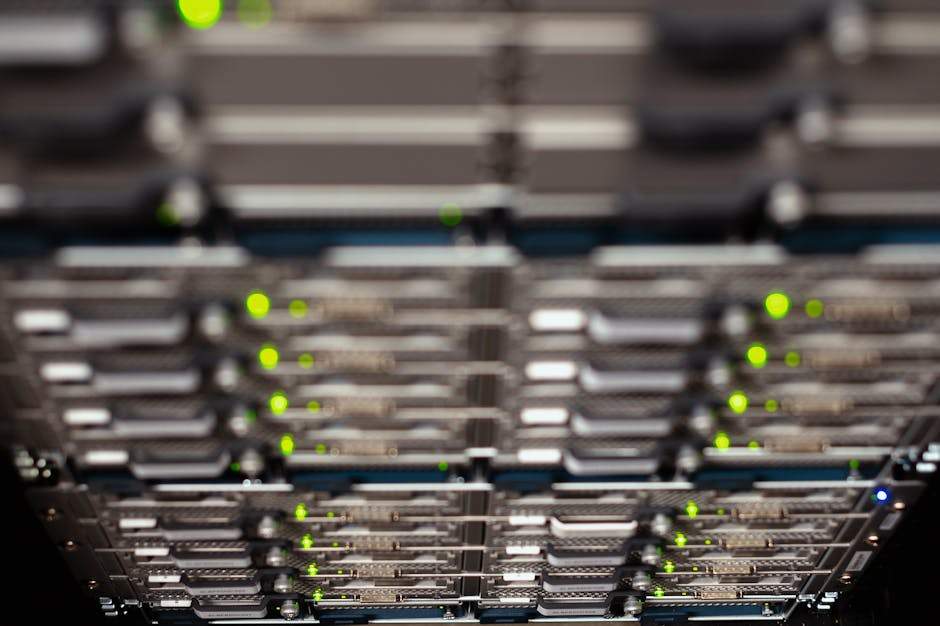
The current generation of AI models, particularly large language models (LLMs) and generative AI, demand unprecedented computational power. This isn’t merely about faster processors; it’s about running thousands of GPUs simultaneously, often for weeks or months, during training and inference. Such intensive operations generate immense heat, requiring equally massive cooling infrastructures, which themselves consume significant electricity. Traditional air-cooling systems struggle to efficiently manage the thermal output of racks packed with high-density AI accelerators, pushing power usage effectiveness (PUE) ratios to unsustainable levels and making the pursuit of genuine AI data center energy efficiency Korea a strategic imperative.
Q2. How Is Korea’s Solid Inc. Quietly Redefining Sustainable Data Center Infrastructure?
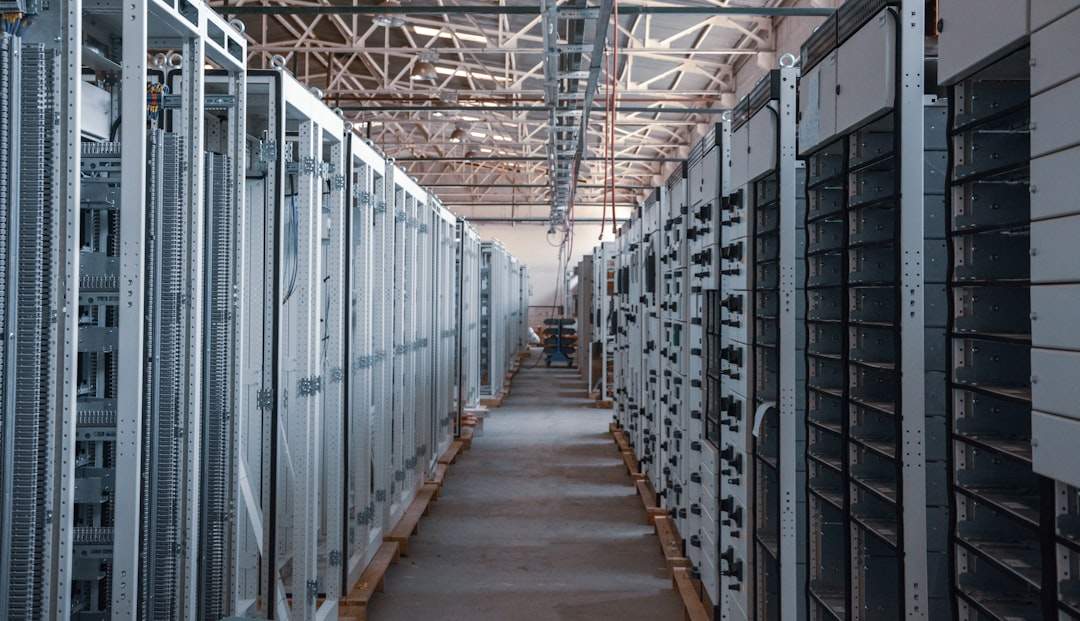
While Western tech giants and utilities grapple with the looming power crisis, a lesser-known South Korean firm, Solid Inc., has been quietly deploying advanced, energy-efficient data center infrastructure for years. Based in Pangyo, Korea’s Silicon Valley, Solid Inc. specializes in critical cooling and power management systems designed to handle high-density computing environments. Their solutions are engineered to significantly reduce the operational carbon footprint and energy costs of data centers, a crucial factor as AI workloads intensify.
Solid Inc.’s approach integrates sophisticated liquid cooling technologies and intelligent power distribution units that minimize energy loss from generation to server. This focus on maximizing efficiency at every point in the data center’s power chain sets them apart. Their systems are not just about reactive cooling; they employ proactive thermal management that optimizes power consumption based on real-time workload demands, a key answer to how to reduce AI compute power consumption. This positions them as a vital enabler for sustainable AI, especially as the data center storage market alone is forecast to reach $142.58 billion by 2032, according to MarketsandMarkets™, signifying a massive addressable market for their solutions.
Q3. What Differentiates Solid Inc.’s Energy-Efficient Cooling from Global Competitors?
Solid Inc. distinguishes itself by offering fully integrated energy-efficient data center solutions rather than fragmented components. Their expertise spans from precision direct-to-chip liquid cooling to comprehensive data center design, ensuring that every watt is utilized optimally. While many global players offer modular cooling units, Solid Inc.’s strength lies in its holistic approach to thermal and power management, often tailored for high-performance computing (HPC) and AI workloads that demand extreme thermal dissipation.
Solid Inc. has already implemented its systems in various local facilities, including those potentially serving major Korean tech players like Naver Cloud and Kakao, demonstrating its readiness for hyperscale demands. These domestic deployments provide a robust testing ground and proof of concept for their advanced cooling and power management technologies. While global competitors like Green Revolution Cooling or Submer are prominent in immersion cooling, Solid Inc. has focused on a broader spectrum of liquid cooling solutions and power infrastructure that can be more readily integrated into existing as well as new data centers, establishing a strong foundation for Korean cooling solutions for data centers.
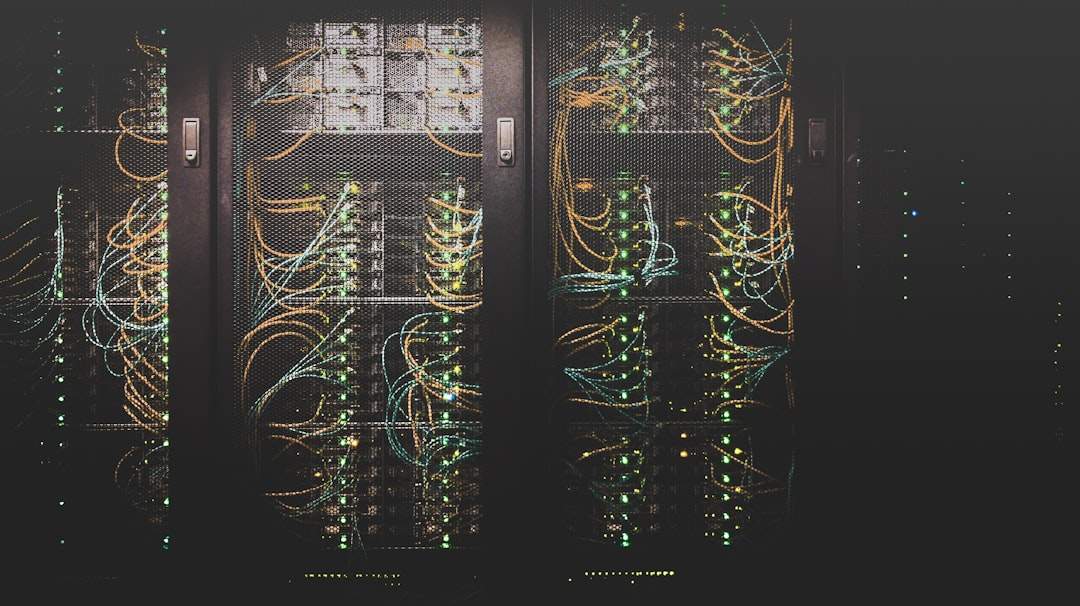
Beyond cooling, the broader Korean tech ecosystem offers synergistic opportunities. Companies like Samsung SDI, a leader in battery technology, could complement Solid Inc.’s solutions by providing advanced energy storage for data centers, further enhancing their sustainability profile and resilience against grid strain. This integrated approach, leveraging local strengths, gives Solid Inc. a unique edge in addressing the complex power demands of modern AI.
Q4. What Are the Key Challenges for Scaling Energy-Efficient Data Center Solutions Globally?
Scaling energy-efficient data center solutions globally, even for an innovator like Solid Inc., presents several significant challenges. The primary hurdle is the sheer capital expenditure required for new data center builds and retrofits. While the long-term operational savings are substantial, the upfront investment can deter some hyperscalers who are already navigating tight margins and rapid expansion needs. Moreover, established global players have existing relationships and vast sales channels, making market penetration for smaller, albeit innovative, firms a slower process.
Another challenge is the varied regulatory landscape concerning energy efficiency and carbon emissions across different countries. While some regions have stringent mandates, others lag, reducing the immediate incentive for companies to invest in cutting-edge sustainable infrastructure. However, as energy prices remain elevated (with the US Fed Funds Rate at 3.64 influencing borrowing costs for new builds) and corporate ESG (Environmental, Social, and Governance) targets become more critical, the economic and reputational benefits of superior energy efficiency will likely accelerate demand for solutions like Solid Inc.’s.
Q5. What Are the Future Growth Catalysts for Solid Inc. and Sustainable AI Infrastructure?
The trajectory for Solid Inc. and the wider sustainable AI infrastructure market appears promising, driven by several key catalysts. Firstly, the continued exponential growth of AI will inevitably force a reckoning with its power demands. As Silicon Photonics Market Size is forecast at USD 9.6 Billion by 2030, according to Wissen Research, the increasing density of compute will make advanced cooling indispensable. This will lead to a surge in demand for proven, energy-efficient data center solutions.
Secondly, strategic partnerships with global hyperscalers and cloud providers will be critical. If Solid Inc. secures contracts with major players, even for pilot projects, it would serve as a powerful validation of their technology and accelerate global expansion. Analysts will be closely watching for any announcements regarding collaborations or significant deployments outside of Korea. The broader K-Tech Gadgets sector provides a strong foundation for such innovation.
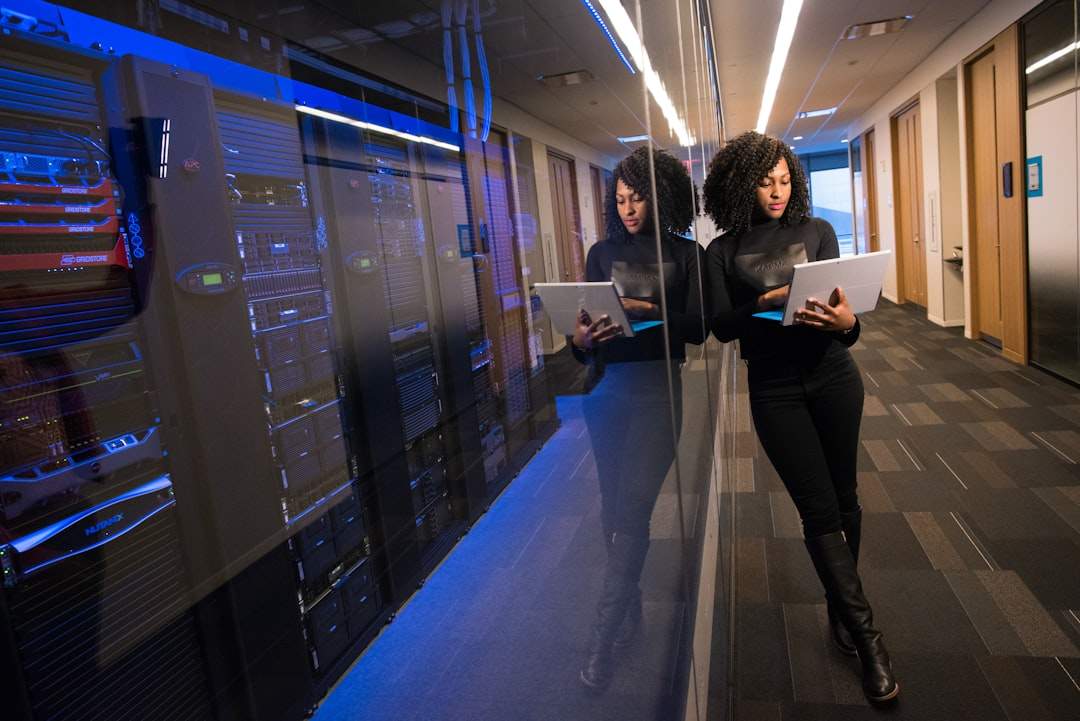
Finally, the maturation of immersion cooling technologies, which the immersion cooling market report projects will see significant growth through 2040, offers another avenue for Solid Inc. to deepen its portfolio. As AI chips become even more powerful and compact, traditional liquid cooling might not be enough. Investing in and deploying next-generation immersion cooling could solidify Solid Inc.’s position as a long-term leader in the crucial race to make AI sustainable. The market for Korean cooling solutions for data centers is ripe for this evolution.

Hi, I’m Dokyung, a Seoul-based tech and economy enthusiast. South Korea is at the forefront of global innovation—from cutting-edge semiconductors to next-gen defense technology. My mission is to translate these complex industry shifts into clear, actionable insights and everyday magic for global readers and investors.