Story
History, regions, ritual, and how to sit down or cook first.
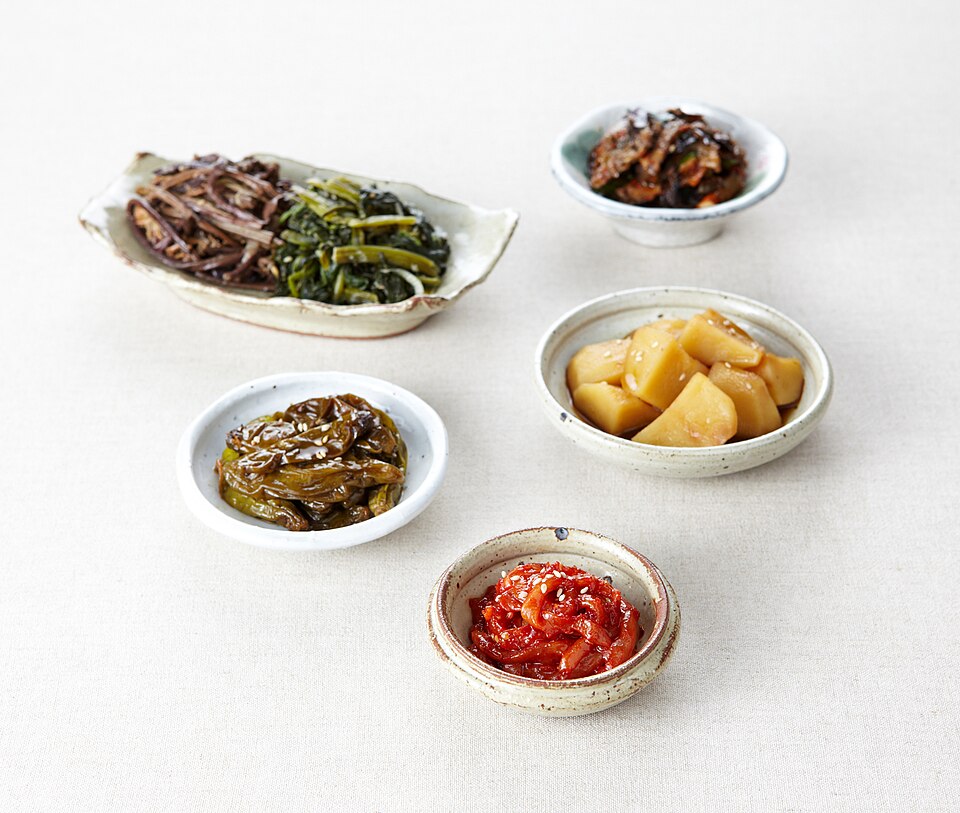 CC BY-SA 2.0 kr · 국립국어원What 한식 isA working definition: rice, jang, banchan, and a shared table — not a spice stereotype.
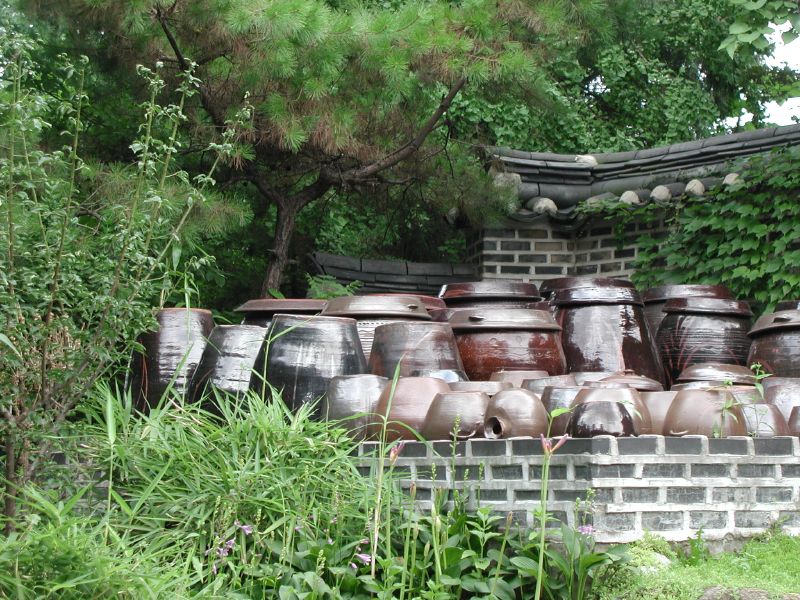 CC BY 2.0 · by Drab MakyoOrigins of Korean foodAgriculture, peninsula climate, and why fermentation is not a trend here.CC BY 2.0 · by Drab MakyoRoots — class, court, and villageRoyal kitchens, farmer pots, and Buddhist restraint as three roots, not one myth.CC BY 2.0 · by Drab MakyoTradition at the tableWhy elders are served first, and why “family style” is the default.
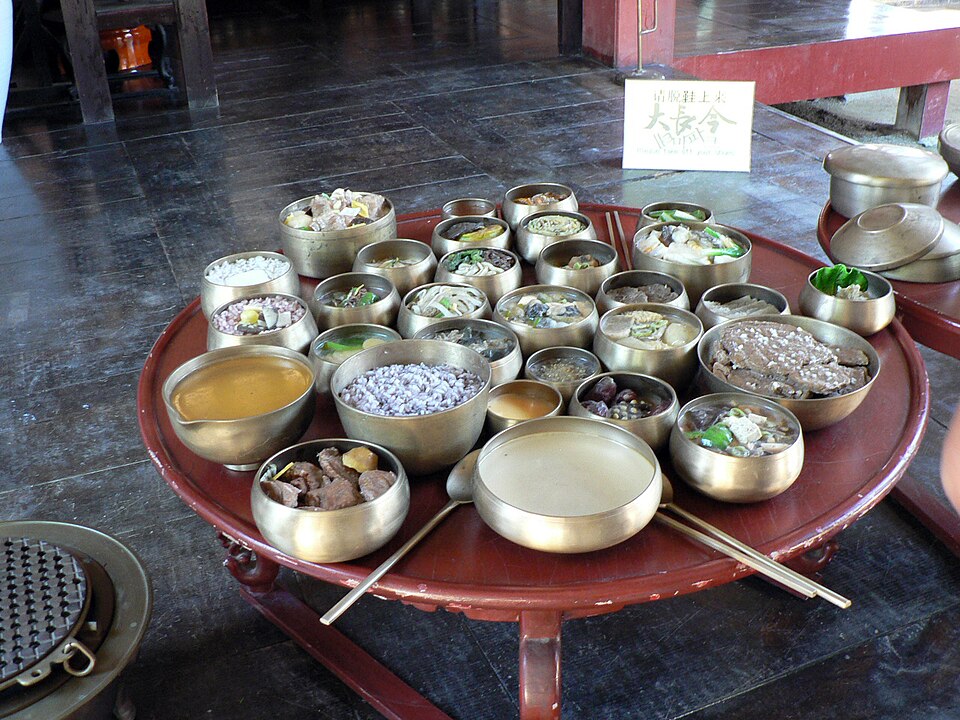 CC BY 2.0 · travelmate2021 from 台灣(中華民國)Royal court cuisineSurasang: season, color, and why modern “royal” restaurants are interpretations.
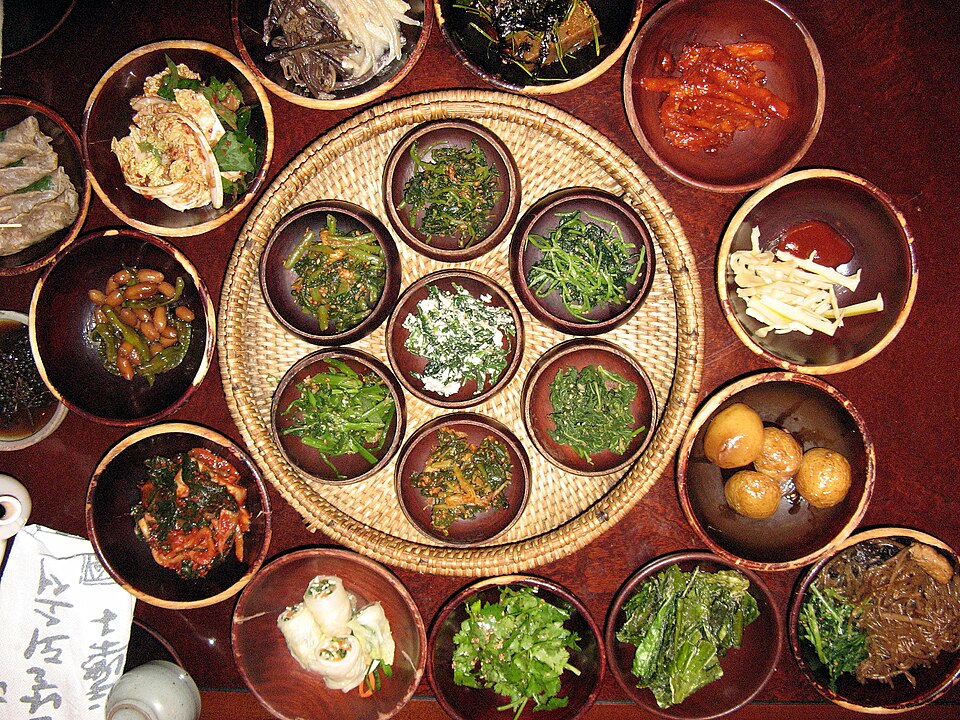 CC BY-SA 2.0 · by Richy! at flickrTemple food (사찰음식)No meat, no five pungents — a Buddhist kitchen, not a vegan brand.
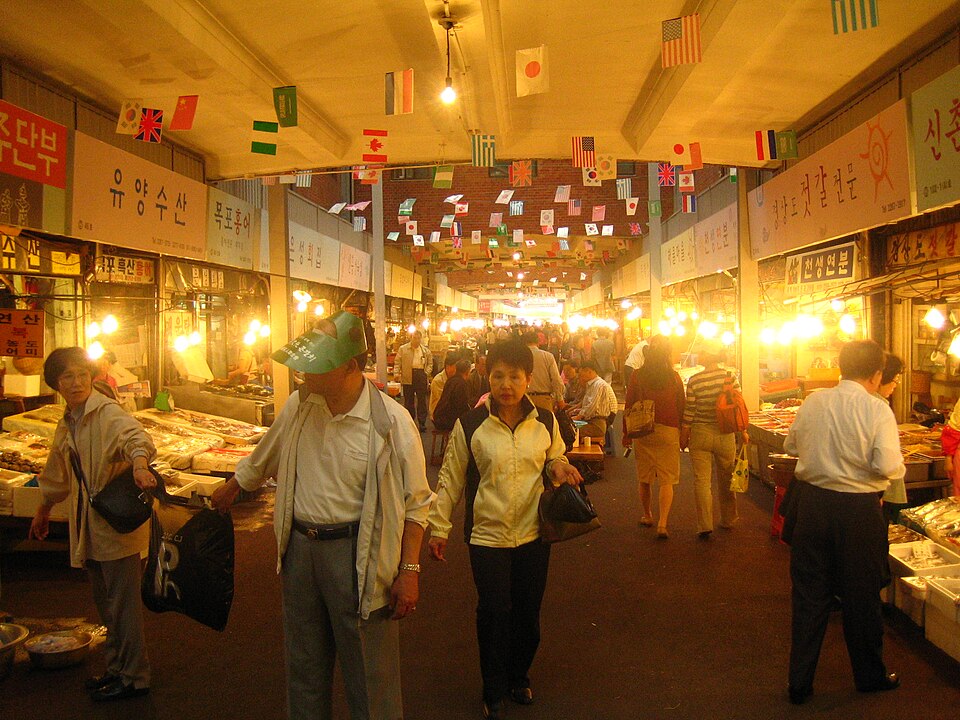 CC BY-SA 2.0 · ayustetyRegional schoolsJeolla abundance, Gyeongsang salt, Gangwon potato, Jeju sea — a map, not a ranking.CC BY-SA 2.0 · ayustetyJeolla foodJeonju bibimbap and the reputation for generosity.CC BY-SA 2.0 · ayustetyGyeongsang foodSashimi culture, hearty stews, and a salt-forward palate.CC BY-SA 2.0 · ayustetyChungcheong foodMilder seasoning and the stereotype of a slower palate.CC BY-SA 2.0 · ayustetyGangwon foodPotato, buckwheat, and mountain vegetables.CC BY-SA 2.0 · ayustetyJeju foodBlack pork, hairtail, and a table that is not Seoul with a beach.CC BY-SA 2.0 · ayustetySeoul’s tableCourt leftovers, migrant regions, and late-night delivery as one city.
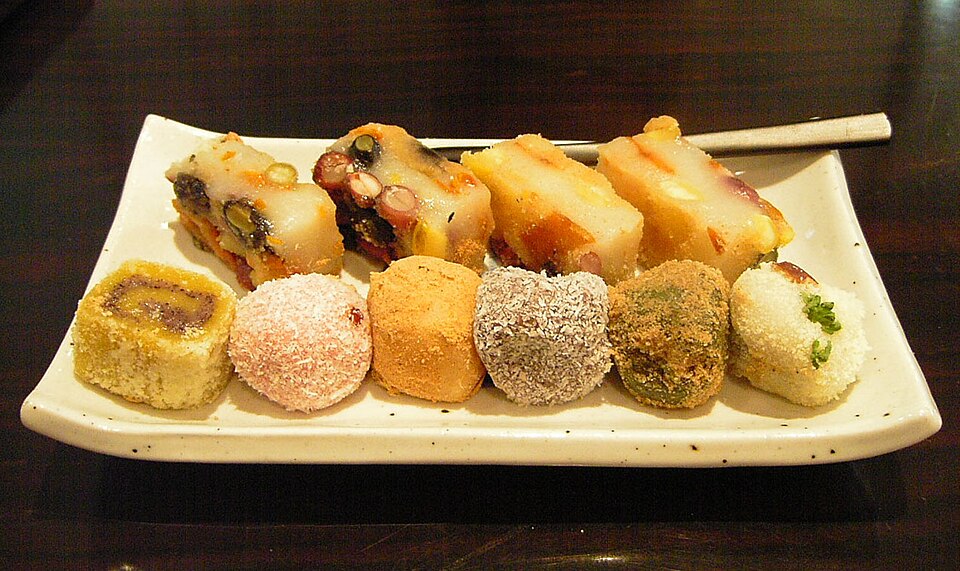 CC BY-SA 3.0 · user:takoradeeCeremonial foodJesa, weddings, and first-birthday tables — food as ritual object.CC BY 2.0 · by Drab MakyoSeasonal eatingSpring greens, summer cold noodles, autumn songpyeon, winter kimjang.CC BY-SA 3.0 · user:takoradeeSeollal foodTteokguk — rice-cake soup that means you have gained a year.CC BY-SA 3.0 · user:takoradeeChuseok foodSongpyeon and harvest tables — autumn’s counterpart to Seollal.CC BY-SA 3.0 · user:takoradeeJesa — ancestral tableHow ritual food is arranged, and why leftovers become a family meal.CC BY 2.0 · by Drab MakyoTable mannersSpoon and chopsticks, waiting for elders, and the lid of the rice bowl.CC BY 2.0 · by Drab MakyoSpoon and chopsticksFlat metal jeotgarak — why they feel different from wood or plastic.CC BY 2.0 · by Drab MakyoSharing cultureOne stew, many spoons — hygiene debates and the old default.CC BY 2.0 · by Drab MakyoFermentation as backboneWhy so much Korean flavor is time, salt, and microbes.CC BY 2.0 · by Drab MakyoJang — the paste trinityGanjang, doenjang, gochujang — one soybean, three destinies.
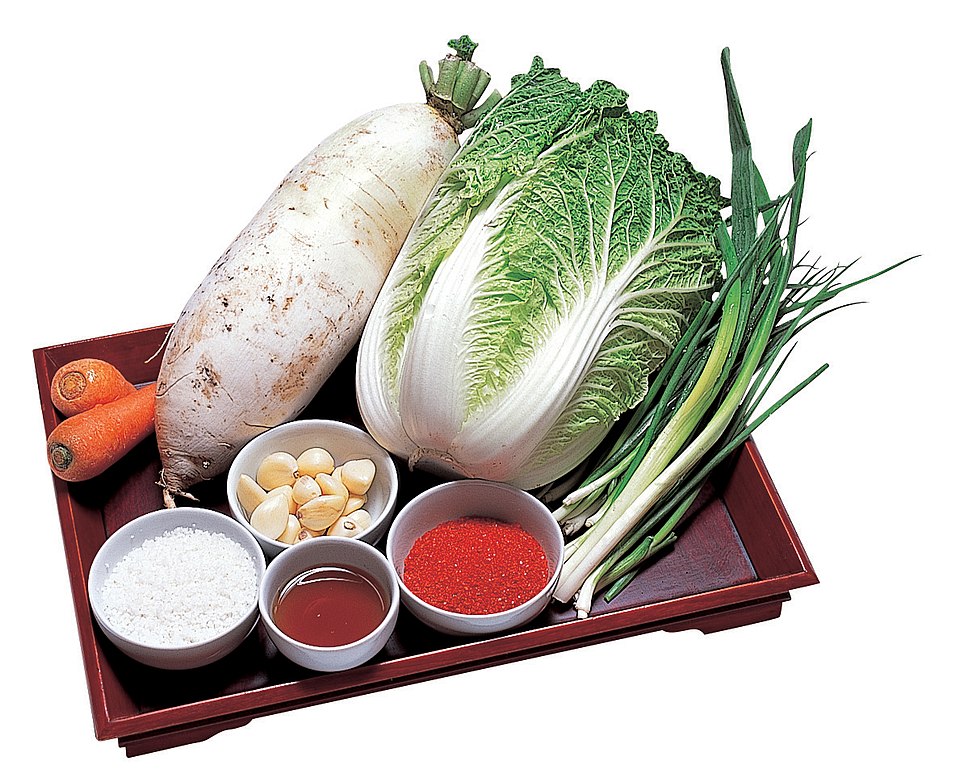 CC BY-SA 2.0 · Korea.net / Korean Culture and Information ServiceKimchi before chiliWhite kimchi, radish winters, and the red chapter after the Columbian exchange.
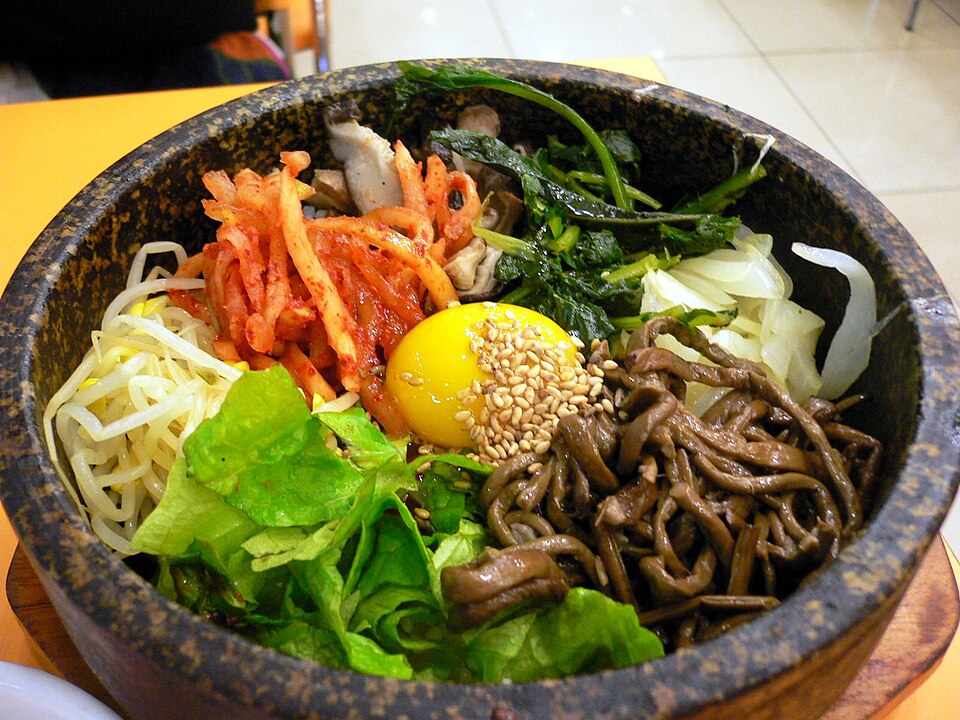 CC BY-SA 2.0 · abex (a flickr user)Rice culture밥 as meal, as greeting, as the thing you ask instead of “how are you.”
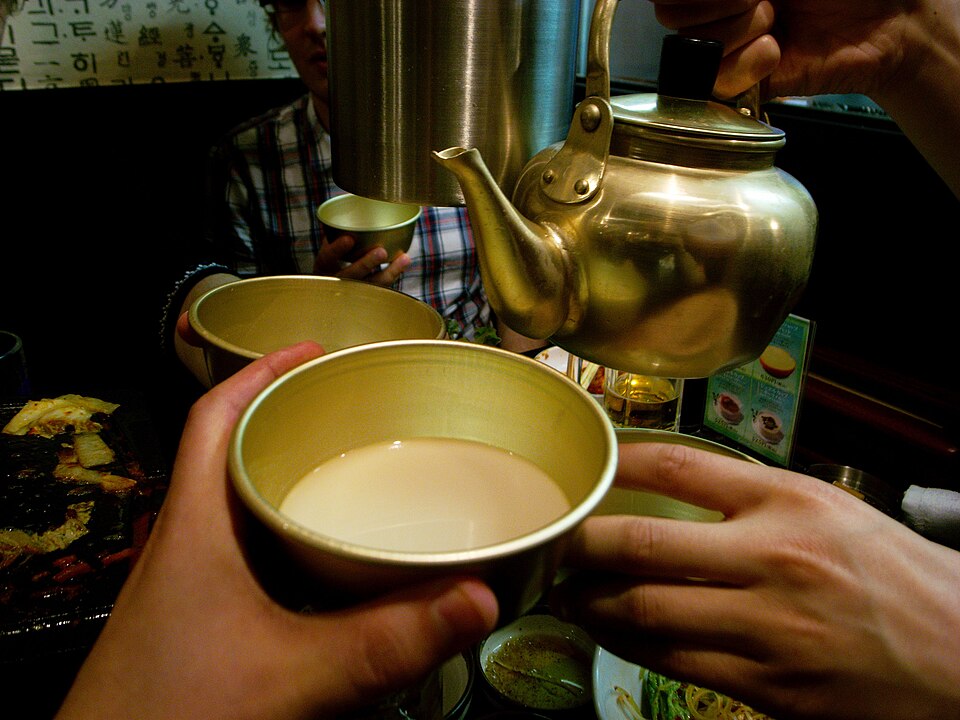 CC BY 2.0 · Jon Åslund from SwedenSoju, makgeolli, and teaPouring rules, pajeon+makgeolli weather, and barley tea on the table.CC BY 2.0 · by Drab MakyoHow to orderOne stew + rice + meat or one noodle — building a table without panic.CC BY 2.0 · by Drab MakyoWhat to cook firstA first-week menu that teaches the system, not a restaurant wishlist.CC BY-SA 2.0 · by Richy! at flickrTemple vs royalAusterity versus display — how to taste the difference and what to cook.
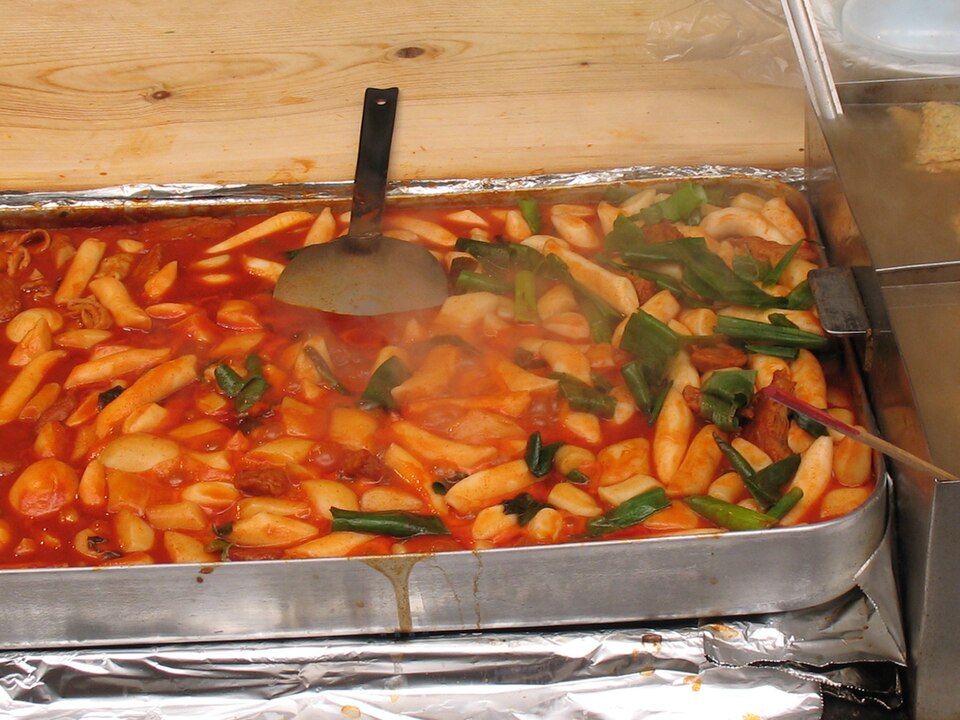 CC BY-SA 2.0 · by johlStreet vs homePojangmacha sugar-heat versus the everyday rice-and-stew night.CC BY 2.0 · by Drab MakyoFood as medicine (식치)Samgyetang in the heat, kimchi in the cold — folk dietetics, not a clinic.CC BY 2.0 · by Drab MakyoHow to use this appCook, story, search — one hub, two intents, no second homepage.CC BY-SA 2.0 · ayustetyMarket culture전통시장 vs the supermarket — how Koreans still shop with their eyes and noses.CC BY-SA 2.0 kr · 국립국어원Banchan etiquetteRefills are normal; hovering your chopsticks over every dish is not.CC BY 2.0 · Jon Åslund from SwedenSoju ritualTurn away, two hands, and never pour your own if someone older is watching.CC BY-SA 2.0 · Korea.net / Korean Culture and Information ServiceKimjang communityUNESCO-listed winter kimchi-making — labor, neighbors, and a year’s sour insurance.CC BY 2.0 · by Drab MakyoFusion and the global tableBuldak, Korean-Mexican, and what still counts as 한식 when it leaves the peninsula.CC BY 2.0 · by Drab MakyoDosirak — the lunchboxPacked rice, a protein, and namul that travels — school, hike, and kimbap’s cousin.CC BY 2.0 · by Drab MakyoConvenience-store hansik삼각김밥 and cup ramyeon as a real meal pattern, not a joke.CC BY 2.0 · by Drab MakyoAging jang and saltOnggi, sun, and time — why last year’s doenjang tastes like a different ingredient.CC BY 2.0 · travelmate2021 from 台灣(中華民國)Obangsaek — five colorsBlue, red, yellow, white, black — the old color grammar on a royal plate.CC BY 2.0 · by Drab MakyoJeotgal — salted seafoodThe hidden salt in kimchi and the tiny dishes that scare tourists first.CC BY-SA 3.0 · user:takoradeeDoljanchi foodThe first-birthday table — sea, rice cakes, and a fortune of objects.CC BY 2.0 · travelmate2021 from 台灣(中華民國)Wedding foodPyebaek jujubes, modern buffets, and the leftover idea of a shared pig.CC BY-SA 2.0 · abex (a flickr user)School mealsGuk, rice, kimchi, and the national muscle memory of a tray.CC BY-SA 2.0 · ayustetyNight marketsPojangmacha light, winter steam, and why odeng broth is a public good.CC BY-SA 2.0 · Korea.net / Korean Culture and Information ServiceWinter tableKimjang jars, hot pots, and the logic of a fermented year.
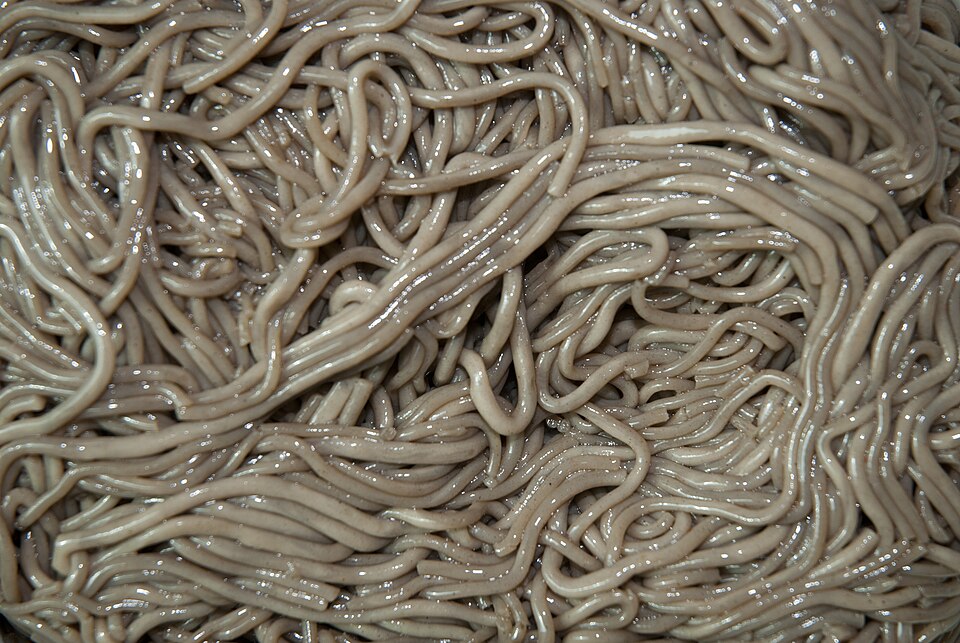 CC BY-SA 4.0 · SoHome Jacaranda LilauSummer tableNaengmyeon, kongguksu, and samgyetang on the hottest days.CC BY 2.0 · Jon Åslund from SwedenTea cultureBoricha on the table, green tea in the hills — not every meal is soju.CC BY-SA 3.0 · user:takoradeeRice cakes in lifeTteok marks birthdays, New Year, shamanic offerings, and the subway snack.CC BY-SA 2.0 kr · 국립국어원Why the table looks like thatShared sides, personal rice — a social diagram, not a serving bug.CC BY-SA 2.0 · by Richy! at flickrSeaweedGim, miyeok, dashima — the coast in the pantry.CC BY 2.0 · by Drab MakyoSalt and the peninsulaSea salt, jang, and why “bland soup” is a seasoning error, not a style.CC BY-SA 2.0 · abex (a flickr user)Rice for ancestorsThe bowl that is offered, not eaten first — jesa rice as a social fact.