기원
Origins of Korean food
Agriculture, peninsula climate, and why fermentation is not a trend here.
Rice, millet, and a long winter
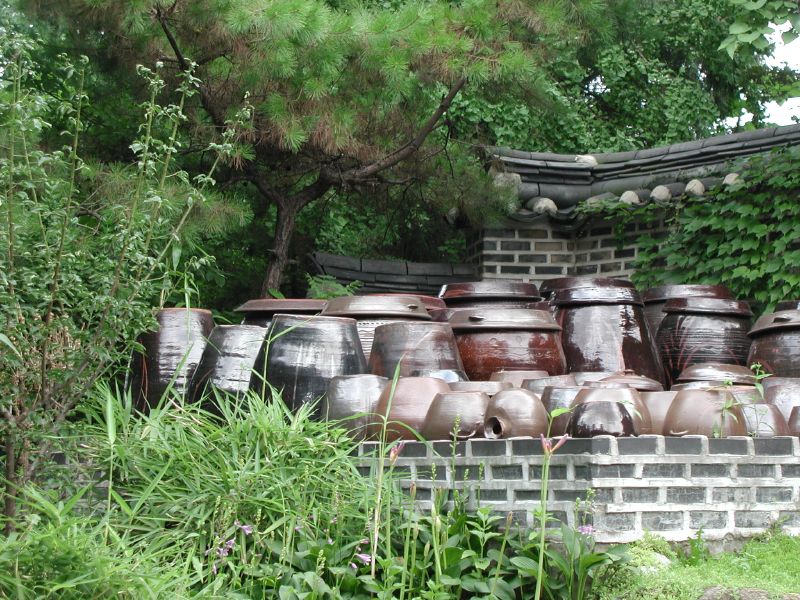
Korean cuisine grew on a peninsula with harsh winters and a wet summer. Storage was survival: drying, salting, fermenting. Rice became the prestige grain; barley and millet filled poorer tables. Chili arrived in the late 16th–17th century via global trade — kimchi existed before red, as white radish and cabbage ferments.
What to do with this
When a menu looks “all spicy,” you are seeing a post-chili chapter, not the whole archive. Order a mild soup and a grilled fish if you want the older climate logic on a plate.