
1. The Big Picture: Why This Matters Now
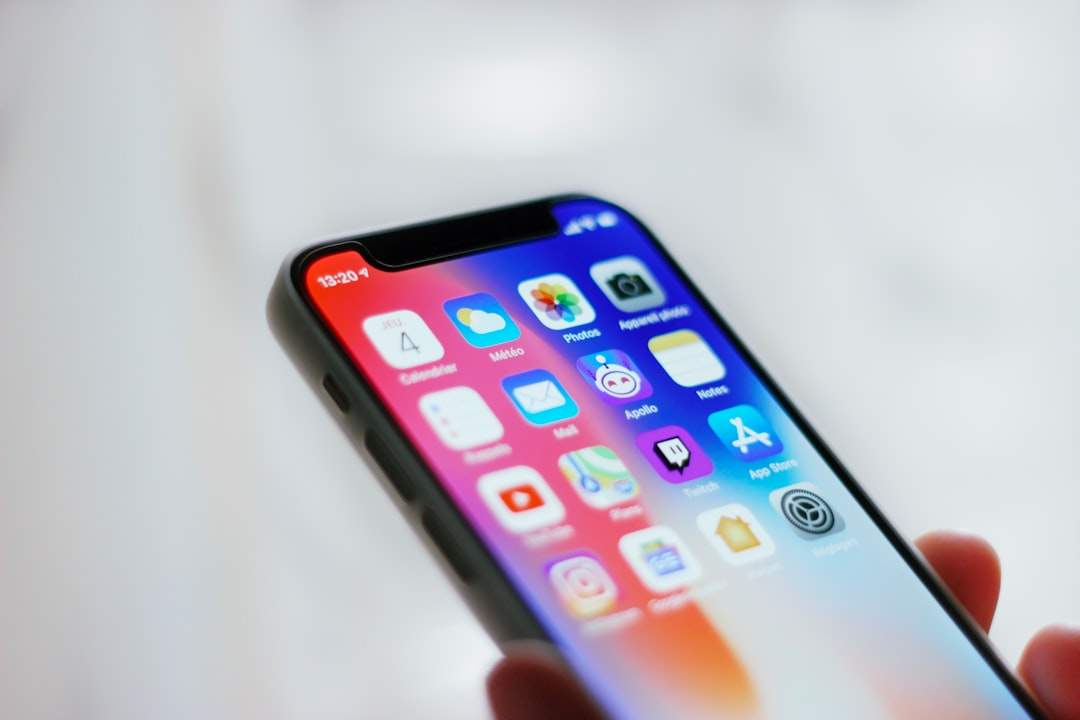
The global smartphone market, on April 7, 2026, is a battlefield of innovation, where every pixel, every processor, and every security layer counts. South Korea, with Samsung Electronics at its helm, isn’t just participating; it’s actively shaping the future of how we interact with our most personal devices. This isn’t just about faster chips or prettier screens anymore; it’s about a holistic strategy that intertwines groundbreaking hardware, intuitive AI, and ironclad security, all while navigating intense competition and rapidly shifting consumer expectations. From advanced camera systems that capture life in stunning detail to revolutionary foldable designs that redefine form factors, Samsung’s pursuit of “what’s next” is a direct reflection of South Korea’s broader tech ambition to maintain global leadership. The stakes are higher than ever, and the race for dominance is truly beyond the bezel.

1.1. Real Numbers & Global Impact
The economic currents are undeniably strong, influencing everything from supply chains to consumer wallets. With the US Fed Funds Rate currently at 3.64%, the cost of borrowing remains a significant factor for global businesses and consumers alike. This environment naturally encourages more considered purchases, pushing smartphone manufacturers to deliver undeniable value and innovation. Meanwhile, the USD/KRW exchange rate, hovering around 1510.17, presents both opportunities and challenges for South Korean exporters like Samsung. A stronger dollar can make Korean products more competitive in dollar-denominated markets, but it also increases the cost of importing crucial components. Amidst these macro trends, Samsung’s strategic investments in R&D, particularly in areas like AI-powered features and foldable display technology, are critical. These innovations aren’t just about market share; they’re about demonstrating a vision for the future of mobile communication, differentiating Samsung from fierce rivals like Apple, Google, and OnePlus. The drive to innovate is constant, as highlighted by reports on the ever-shifting dynamics of the global smartphone market. For instance, recent analyses have shown Samsung consistently vying for the top spot in global shipments, a testament to its adaptive strategies and broad product portfolio. You can read more about these competitive trends and market share shifts in reports from trusted sources like Reuters.
2. Market Winners & Losers
| Company / Player | Current Status | Global Outlook |
|---|---|---|
| Samsung Electronics | Global leader in Android, strong in foldables, pushing on-device AI and advanced camera tech. | Continued innovation in form factors, AI integration across devices, robust cybersecurity solutions. |
| Apple | Dominant in the premium segment, strong ecosystem lock-in, high brand loyalty. | Enhancing AI capabilities, expanding services, potential new hardware categories like AR/VR. |
| Google (Pixel) | Niche but growing market share, known for pure Android experience and powerful AI/camera software. | Leveraging AI and Tensor chips for unique software features, expanding into more markets. |
| OnePlus & Other Challengers | Offering strong value propositions, fast charging, and competitive specs in specific regions. | Disrupting mid-to-high range, focusing on specific user segments, continued aggressive pricing. |

2.2. What Should Investors Watch?
For investors, the smartphone sector remains dynamic, offering both significant opportunities and considerable volatility. Key metrics to monitor include R&D expenditure, patent filings, and the speed at which new technologies are brought to market. Samsung’s ability to consistently innovate, particularly with its foldable lineup and the integration of sophisticated AI, signals a robust long-term strategy. Furthermore, the increasing importance of cybersecurity in an era of pervasive digital communication means that companies investing heavily in data protection and privacy, like Samsung with its Knox platform, are building a crucial layer of trust with consumers. This trust translates directly into brand loyalty and sustained market performance. Keeping an eye on these technological advancements and how they shape the consumer experience is vital for understanding the future of the industry. For more insights into the latest devices and technological advancements, you might find our K-Tech Gadgets section particularly useful.
3. Final Thoughts from Seoul

South Korea’s tech strategy, exemplified by Samsung, is not merely about producing cutting-edge devices; it’s about anticipating and shaping the future of digital interaction. As user habits continue to evolve, with an increasing reliance on smartphones for everything from immersive entertainment to secure financial transactions, the demand for both advanced features and impenetrable security will only grow. Samsung’s approach to foldables, integrating AI, and bolstering cybersecurity measures reflects a deep understanding of these shifts. It’s a testament to the nation’s commitment to staying at the forefront of global technological innovation, ensuring that “Beyond the Bezel” means pushing the boundaries of what a smartphone can truly be.
What to Expect Next
We can anticipate an acceleration in on-device AI capabilities, making our smartphones even smarter and more personalized without needing constant cloud access. Foldable technology will likely become more refined, durable, and perhaps even more affordable, paving the way for wider adoption. Furthermore, expect an ongoing arms race in cybersecurity, with manufacturers continuously strengthening hardware and software defenses to combat increasingly sophisticated threats. The focus will remain on seamless user experiences, deeply integrated ecosystems, and privacy-first design principles.
Common Questions Answered
A1. Foldable phones are carving out a premium niche, showcasing incredible innovation and pushing competitors to explore new form factors. While still a smaller segment, their growth indicates a strong desire for versatile, larger-screen experiences in a compact design, influencing overall smartphone design trends.
A2. Samsung’s robust cybersecurity relies on a multi-layered approach, primarily centered around its Knox security platform. This includes strong hardware-based protection embedded at the chip level, continuous software updates, and secure environment isolation for sensitive data, all designed to safeguard user privacy and information.

Hi, I’m Dokyung, a Seoul-based tech and economy enthusiast. South Korea is at the forefront of global innovation—from cutting-edge semiconductors to next-gen defense technology. My mission is to translate these complex industry shifts into clear, actionable insights and everyday magic for global readers and investors.