
1. The Big Picture: Why This Matters Now

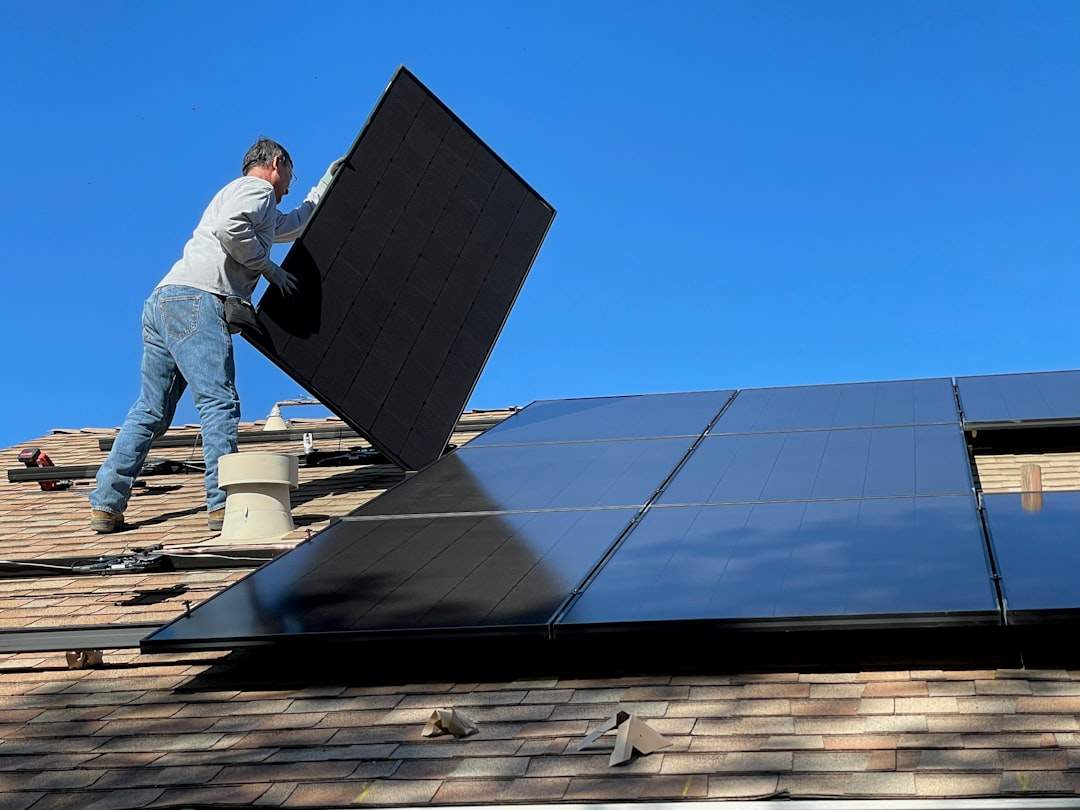
South Korea, a nation famously dependent on imported fossil fuels, is embarking on one of the most significant energy transformations in its history. The government’s bold commitment to expand its renewable energy capacity to a staggering 100 gigawatts (GW) by 2030 isn’t just about hitting environmental targets; it’s a profound strategic pivot. This move aims to drastically reduce the nation’s vulnerability to the kind of global energy price volatility we’ve seen recently, such as the market disruptions following the Iran conflict, which sent fuel costs soaring and sparked consumer anxiety worldwide. This isn’t just an environmental initiative; it’s a cornerstone of future energy security and economic resilience.
1.1. Real Numbers & Global Impact
To put 100GW into perspective, South Korea’s current renewable capacity hovers around 30-35GW. Tripling this in just four years is an immense undertaking, requiring substantial investment and rapid technological deployment. This aggressive target reflects a clear understanding that relying on imported oil and gas, especially with a USD/KRW exchange rate around 1510.17 making imports more expensive, is no longer sustainable for a major industrial economy. By shifting towards domestic renewable sources, South Korea aims to insulate its economy from external shocks. Global energy markets remain unpredictable, with crude oil prices fluctuating significantly and central banks like the US Federal Reserve maintaining a Fed Funds Rate of 3.64, influencing capital flows and investment decisions worldwide. This domestic pivot is a powerful statement about securing national interests in a turbulent world. For more on how global geopolitical events impact energy markets, you can read this Reuters analysis on recent oil price movements.
2. Market Winners & Losers
| Company / Player | Current Status | Global Outlook |
|---|---|---|
| Hanwha Qcells | Leading global solar cell and module manufacturer, significant presence in residential and commercial markets. Expanding into energy storage solutions. | Well-positioned to capture growth in South Korea’s solar push and international markets, particularly with US focus on domestic manufacturing. Strong R&D in high-efficiency cells. |
| Doosan Enerbility | Diversifying from traditional power plant construction to renewables (wind power, hydrogen, small modular reactors). Key player in offshore wind turbine manufacturing. | Strategic shift aligns perfectly with South Korea’s and global green energy goals. Strong engineering capabilities make them a formidable contender in large-scale renewable infrastructure. |
| Fossil Fuel Importers | Currently crucial for energy supply, but facing increasing pressure from policy shifts and cost volatility. | Long-term outlook presents challenges, requiring significant diversification into green energy or carbon capture to remain relevant in a decarbonizing economy. |

2.2. What Should Investors Watch?
The South Korean government is not just setting targets; it’s rolling out innovative policy frameworks to facilitate this transition. These include enhanced incentives for renewable energy projects, streamlined permitting processes, and significant R&D funding for advanced green technologies. Companies like Hanwha Qcells are poised to benefit from the massive expansion of solar installations, both utility-scale and distributed. Meanwhile, Doosan Enerbility’s expertise in large-scale engineering makes it a critical player in developing ambitious offshore wind farms and nascent hydrogen infrastructure. Investors should keep a close eye on firms innovating in energy storage, grid modernization, and next-generation power generation technologies, as these will be crucial for integrating 100GW of intermittent renewables. The rapid advancements in areas like AI-powered grid management and smart energy solutions are truly reshaping the landscape of power generation and distribution, making it an exciting time for K-Tech innovations.
3. Final Thoughts from Seoul

South Korea’s 100GW renewable energy target by 2030 is more than just an environmental pledge; it’s a calculated, strategic maneuver to secure the nation’s economic future. In an era where geopolitical tensions can send commodity prices spiraling and consumer budgets are squeezed by rising costs, cultivating robust domestic energy sources is paramount. This ambitious plan positions South Korea not only as a leader in green technology but also as a model for how developed nations can proactively address energy security and build economic resilience in an increasingly volatile world.
What to Expect Next
Expect continued strong government support for renewable projects, particularly in offshore wind and hydrogen, where South Korea aims to become a global leader. We’ll likely see more international collaborations and significant investments in smart grid technologies to manage the increased complexity of the energy mix. The next few years will be a fascinating period of innovation and infrastructure development across the peninsula.
Common Questions Answered
A1. The strategy involves a multi-pronged approach: significant investment in large-scale offshore wind and solar projects, robust government incentives, streamlined regulatory processes, and a strong focus on domestic technological innovation and manufacturing capabilities.
A2. K-Tech is central to this ambition. Korean companies are developing cutting-edge solar panels, advanced wind turbine designs, efficient energy storage systems, and smart grid solutions. This technological prowess not only drives domestic deployment but also positions South Korea as a global exporter of green energy solutions.

Hi, I’m Dokyung, a Seoul-based tech and economy enthusiast. South Korea is at the forefront of global innovation—from cutting-edge semiconductors to next-gen defense technology. My mission is to translate these complex industry shifts into clear, actionable insights and everyday magic for global readers and investors.