
1. Global Trigger: The Macro Shift
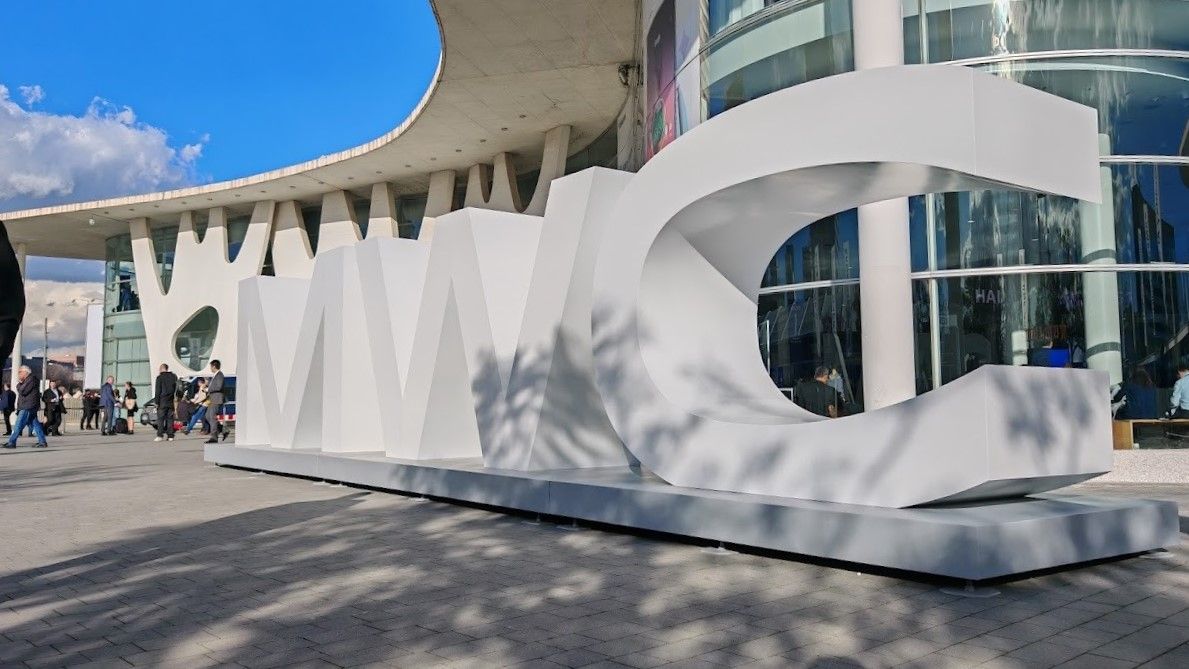
The current global landscape is dominated by a severe AI-fueled memory crisis. Reports from MWC 2026 confirm that soaring demand for high-bandwidth memory, largely driven by generative AI applications, has sent RAM prices skyrocketing—some types have seen increases of up to six times their previous cost. This component shortage is directly translating into major cuts in consumer electronics production.
Analysts now project a massive 13% year-on-year decline in worldwide smartphone shipments for 2026, the largest drop recorded. Furthermore, external shocks, like the ongoing conflict in the Strait of Hormuz, are compounding these technical issues by causing a global oil crisis, driving up energy and logistics costs across all manufacturing sectors.
On the monetary front, the US Federal Funds Rate remains elevated at 3.64%. This high-rate environment, coupled with persistent inflation pressures indicated by the US CPI reading of 327.460, keeps the pressure on corporate borrowing and maintains the strength of the US Dollar against the Won. You can read more about the component shortage analysis in the Global Intelligence Report.
Source: Global Intelligence Feed
| Macro Variable | Global Impact | South Korean Exposure |
|---|---|---|
| USD/KRW at 1482.98 | Makes Korean exports cheaper for US buyers, but raises import costs (e.g., oil). | Benefit for exporters like Samsung Electronics, but inflationary pressure on raw material imports. |
| Memory Component Prices | Directly constrains output for all tech hardware producers globally. | Massive short-term revenue boost for memory divisions (Samsung/SK Hynix), but risks client order cancellations. |
2. Geopolitical Context: The Hidden Agenda
The supply chain chaos is no longer just about logistics; it is fundamentally about strategic decoupling. The incident involving Nexperia—where Dutch headquarters allegedly locked Chinese staff out of IT systems following Beijing’s warnings—illustrates that technology control is the new frontline. This isn’t merely a business dispute; it’s a sharp indicator of intensifying, state-level friction in critical tech domains.
For South Korean conglomerates, the message is clear: redundancy and regional diversification are now non-negotiable investments, not optional upgrades. Companies relying heavily on single geographical sourcing points, especially in the semiconductor or critical materials space (like Indonesia’s LPG shortages mentioned in the news), face immediate existential risk. The focus has shifted from efficiency to sheer resilience.
The rise of AI demand also reveals the vulnerability of “trusted third parties,” as highlighted by the data security breach example. Companies must scrutinize their digital supply chain extensively, as one weak link can expose thousands of downstream clients. This environment demands that Korean firms build “shadow-proof” operations, where data and physical flows can be rerouted instantly. See how this affects industrial planning by reviewing the industrial resilience models.
3. Korea’s Position: Dilemma & Opportunity
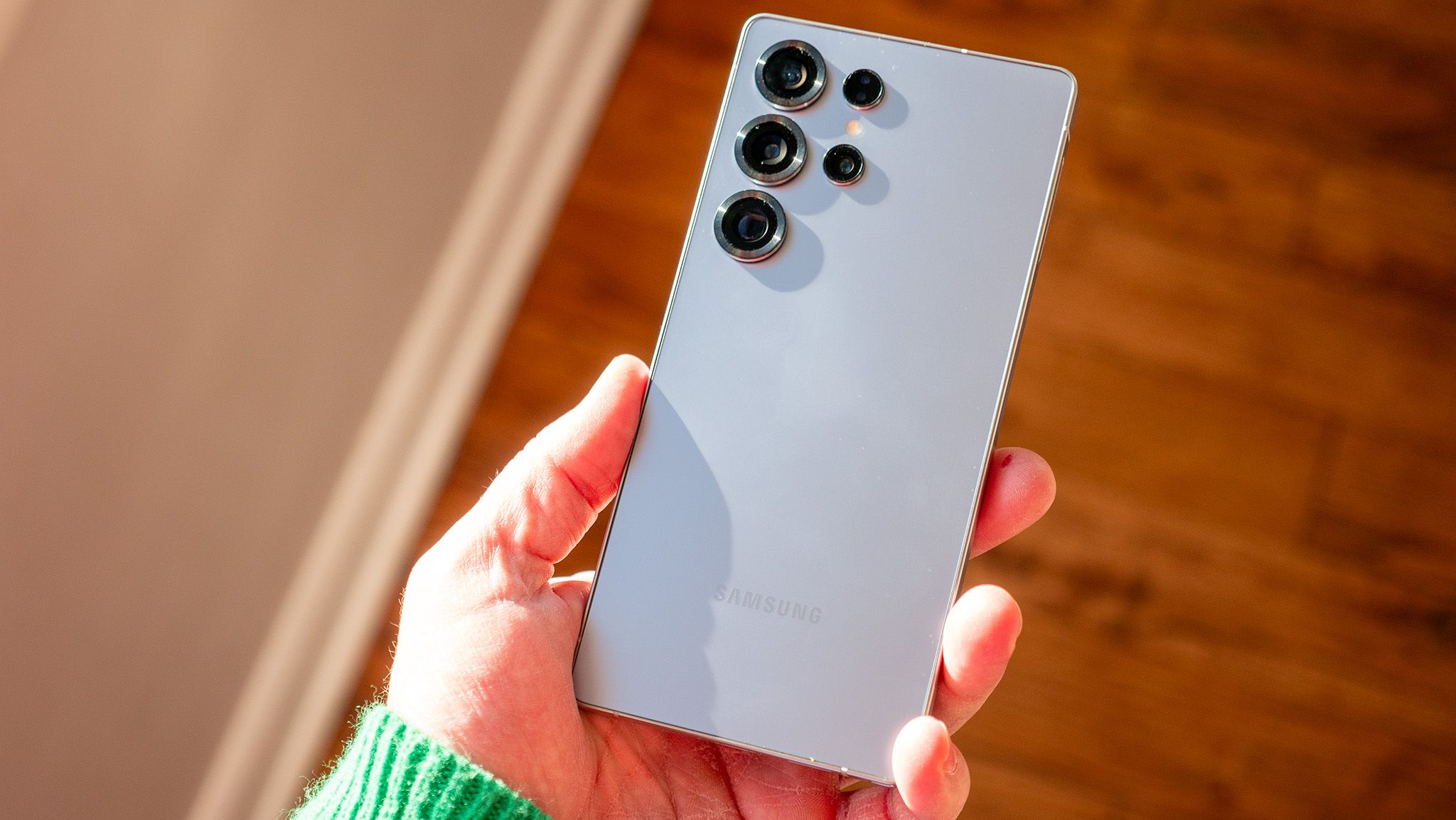
For South Korea, the current environment presents a difficult split. On one hand, our memory giants (Samsung, SK Hynix) are in a powerful, albeit temporary, seller’s market, using high margins to fund necessary CapEx for future process upgrades, which is a strategic advantage. This directly benefits conglomerates like Samsung, hoping the S26 launch mitigates the broader market decline.
However, the dependency on external markets for finished goods—like the forecasted 13% smartphone market contraction—creates severe headwinds for assemblers and downstream suppliers. Furthermore, the high USD/KRW rate, while good for reported export revenues, does little to offset the rising costs of imported energy and components, squeezing operational margins for non-memory exporters.
The major opportunity lies in “friend-shoring” investments. Korean firms must accelerate building capacity in allied nations (e.g., Southeast Asia, North America) not just for market access, but specifically for supply chain resilience. This requires significant long-term capital commitment, which the current high interest rate environment makes difficult.
Source: Global Intelligence Feed
📊 Sector Impact Forecast
4. Portfolio Shift: Tactical Moves for Investors
Given the elevated USD/KRW rate of 1482.98, investors holding US dollar assets benefit from favorable repatriation if they are based in Korea. However, US equities must be chosen selectively. Exposure to pure consumer hardware reliant on cheap memory might suffer due to inventory write-downs or pricing power losses.
For Korean export stocks, a long-short approach targeting the memory cycle makes sense. Be long on the memory producers (due to pricing power) while being short on consumer device manufacturers highly exposed to the RAM constraint, unless those manufacturers are demonstrably securing long-term supply contracts. This is a classic sector rotation play within the Korean tech sphere.
We should anticipate the Fed keeping rates sticky near 3.64% until inflation dips significantly lower than current readings. Unless the Fed signals cuts below 3.00%, the USD/KRW parity is likely to remain structurally weak for the Korean won, favoring strong exporters who can price in currency shifts. Look for companies that have successfully integrated AI capabilities to offset volume declines with higher average selling prices (ASPs). For more on international investment hedging, review analysis on currency hedging strategies. External risk assessment tools suggest geopolitical volatility is likely to increase, favoring defense and localized infrastructure plays, such as those mentioned by The Wall Street Journal.

Source: Global Intelligence Feed
Top 5 Friendly FAQs for Investors
A1. Not necessarily sell, but shift focus. Companies with clear, verifiable diversification into North America or Europe are better positioned to weather demand drops than those completely reliant on Asian consumer markets facing severe component shortages.
A2. While margins are excellent now, this is fundamentally limited by the time it takes competitors to ramp up new fabrication lines and for AI investment cooling to occur. Expect strong pricing power for the next 12-18 months, but capital expenditure risk remains high.
A3. Yes, generally. A weaker Won means that sales booked in USD translate into higher KRW revenue, which helps offset the rising cost of imported raw materials, provided their margins aren’t completely destroyed by component shortages elsewhere.
A4. The energy crisis stemming from Middle East instability. Oil prices directly affect logistics costs and the input costs for petrochemicals and fertilizers, which will eventually permeate the cost structures of nearly every major Korean exporter.
A5. Focus on companies that are designing their own specialized memory or those that are vertically integrated enough to control allocation, like major mobile platform owners. Avoid smaller players whose product launches are explicitly being delayed by memory supply chain constraints.
