
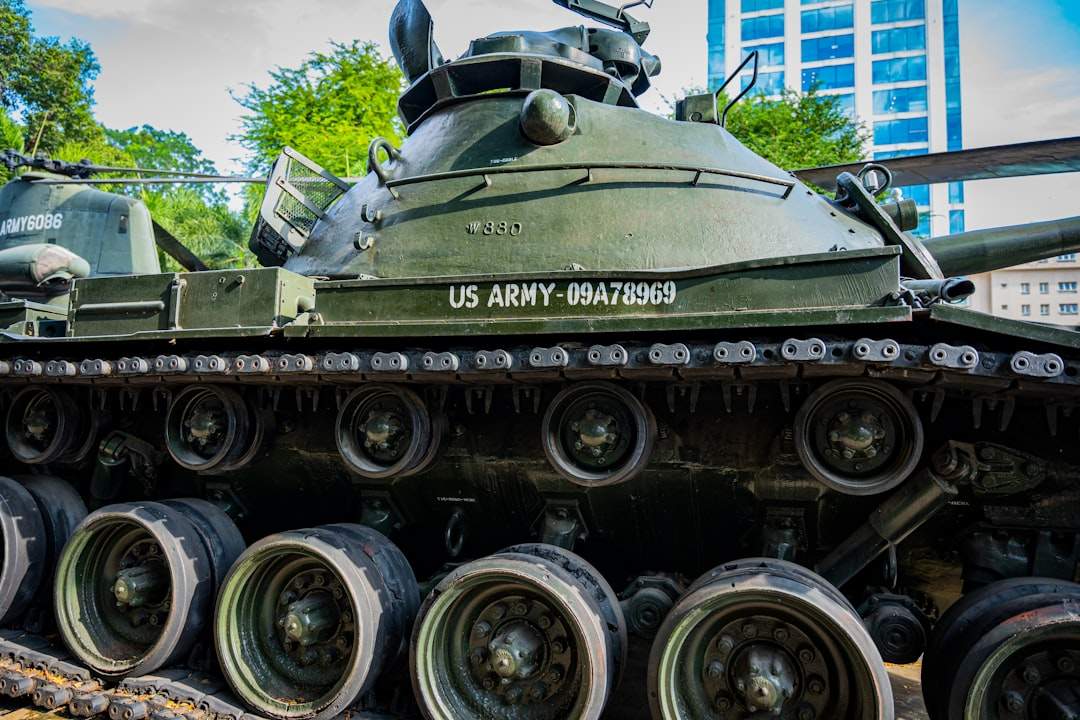
Annyeonghaseyo, everyone! Jeybee here, buzzing with the latest from Seoul. It feels like the world is constantly shifting, doesn’t it? From economic ripples to geopolitical waves, there’s always something new to unpack. And lately, one topic that’s really been making headlines globally is defense spending. You might have seen reports about Europe’s defense budgets soaring by 60% since 2020, or the US arms industry seeing a massive boom. It’s a trend that hasn’t escaped South Korea.
Here in Korea, we’re seeing our own significant push in defense, driven by a complex mix of regional security needs and broader global events. With the ongoing situation in the Middle East, including the effective closure of the Strait of Hormuz since early March and North Korea’s recent statements about military strength, our strategic landscape feels more dynamic than ever. So, let’s dive into what this means for Korea’s defense budget and, more importantly, for the companies building our security!
1. Global Currents & Korea’s Defense Drive
1.1. The Financial Side

The global stage is certainly busy! The US has already spent billions on the war with Iran, surpassing initial spending cuts, as reported by The Daily Caller. This conflict, alongside the effective closure of the Strait of Hormuz disrupting global shipping, creates a ripple effect, pushing nations to re-evaluate their security postures and supply chain resilience.
Here in Korea, our 2026 defense budget reflects this heightened global awareness. We’re looking at a substantial increase, reaching over ₩65 trillion (approximately $43.2 billion, given the current USD/KRW exchange rate of 1504.15). This isn’t just about keeping pace; it’s about proactively enhancing our capabilities.
Macroeconomic factors are also at play. With WTI crude oil prices at $89.33 per barrel and the US Federal Funds Effective Rate at 3.64%, the cost of everything, including defense procurement and operations, is impacted. A stronger dollar makes imported goods pricier, which naturally pushes Korea to look inwards for its defense needs, strengthening domestic industry.
1.2. Tech & Supply Chain
Beyond traditional hardware, there’s a huge shift towards cutting-edge technology. The cyber warfare market, for instance, is projected to reach a whopping USD 66.84 billion by 2035, driven by AI-driven offensive and defensive capabilities. This shows where the future of defense is heading.
For Korea, this means not just buying new tanks or jets, but investing heavily in areas like AI, drones, and robust cyber defenses. The closure of key maritime routes, like the Strait of Hormuz, also highlights the critical importance of a resilient and localized supply chain. Relying on domestic production for essential defense components isn’t just good for the economy; it’s a strategic imperative.
2. Impact on the Korean Market
2.1. Who Benefits?

With a 2026 defense budget exceeding ₩65 trillion, the allocation is set to boost various segments, directly benefiting Korea’s leading defense contractors. Let’s break down where the money is likely going:
- Force Improvement (Procurement & R&D): This category, focusing on acquiring new weapons systems and conducting cutting-edge research, is expected to take the lion’s share, perhaps around 35% of the budget, or roughly ₩22.75 trillion (~$15.1 billion). This is the sweet spot for innovation and new contracts.
- Force Operations (Personnel, Maintenance, Training): Keeping our forces ready is crucial. This segment, covering salaries, maintenance, and training, could account for about 50% of the budget, or ₩32.5 trillion (~$21.6 billion).
- Defense Infrastructure & Support: Maintaining bases and supporting facilities is essential, likely around 10% of the budget, or ₩6.5 trillion (~$4.3 billion).
- Cyber & Future Tech (AI, Drones, Space): Given the global trends, a dedicated portion, perhaps 5%, or ₩3.25 trillion (~$2.1 billion), will likely be funneled into these critical areas.
So, which Korean defense giants are set to gain the most?
Hanwha Aerospace is poised for significant growth, especially from the Force Improvement budget. As a powerhouse in aerospace engines, land systems (like the K9 self-propelled howitzers and Chunmoo multiple rocket launchers), and precision munitions, they’ll see robust demand. Their recent expansion into advanced air mobility and space technologies also positions them well for the “Cyber & Future Tech” allocation.
LIG Nex1 is another major beneficiary, particularly from Force Improvement. Specializing in precision guided munitions, advanced radar systems, and anti-aircraft solutions, their products are essential for modern warfare. Expect strong orders for missile systems, electronic warfare capabilities, and naval combat systems as Korea upgrades its arsenal.
Hyundai Rotem, famous for its K2 Black Panther main battle tanks and armored vehicles, will also benefit from the Force Improvement budget. As ground forces modernize and potentially expand, orders for new tanks and armored personnel carriers will be crucial. Their expertise in railway systems also hints at potential roles in defense logistics infrastructure.
Finally, Korean Air, while primarily known for commercial aviation, has a strong defense division focused on aircraft maintenance, repair, and overhaul (MRO). This makes them a key player in the Force Operations budget. Furthermore, their growing involvement in drone development and advanced reconnaissance aircraft positions them to capture a piece of the “Cyber & Future Tech” pie.
2.2. Government Moves
The Korean government isn’t just increasing the budget; it’s actively shaping the defense industry’s future. There’s a strong push for indigenous research and development, aiming to reduce reliance on foreign suppliers. This includes offering R&D incentives and streamlining procurement processes for domestic companies.
Furthermore, Korea is keenly aware of the global demand for its defense products. With the “world at war” scenario highlighted by RT, the government is also focused on promoting K-Defense exports, viewing them not just as a revenue stream but as a way to bolster international partnerships. This dual focus on domestic strength and global reach is a smart strategy.
| Company | Current Status | Outlook |
|---|---|---|
| Hanwha Aerospace | Leading producer of K9 howitzers, Chunmoo MLRS, aircraft engines, growing in space/UAM. | Strong outlook from Force Improvement & Future Tech budgets; potential for significant export growth. |
| LIG Nex1 | Key player in precision guided munitions, radar, naval combat systems, anti-aircraft. | Excellent position for missile and electronic warfare contracts under Force Improvement. |
| Hyundai Rotem | Manufacturer of K2 Black Panther tanks, armored vehicles, and railway systems. | Benefits from ground force modernization and potential armored vehicle upgrades/replacements. |
| Korean Air | Major MRO provider for military aircraft; developing drones and special mission aircraft. | Stable revenue from Force Operations (MRO) and growth potential from Future Tech (drones). |
3. Final Thoughts

The surge in Korea’s defense budget isn’t just about spending more; it’s a strategic investment in national security and technological self-reliance. It reflects a clear understanding of the evolving global landscape and the need for a robust, modern defense posture.
The emphasis on domestic production and advanced technologies means a bright future for Korea’s defense contractors. They’re not just suppliers; they’re innovators driving the nation’s strategic capabilities forward.
What to Expect Next
We can expect to see continued investment in R&D, especially in AI-driven defense systems and unmanned technologies. Korea’s defense exports are also likely to climb, further cementing its position as a significant player in the global arms market. This growth will contribute not only to national security but also to economic stability and job creation within the country.
Common Questions Answered
A1. The ongoing conflict in Iran, particularly the closure of the Strait of Hormuz, underscores global instability and supply chain vulnerabilities. For South Korea, this reinforces the need for strong domestic defense capabilities and a robust military to ensure national security and protect its economic interests in a volatile world, influencing the 2026 budget increase.
A2. With the 2026 budget, South Korea is heavily prioritizing advanced indigenous technologies, including precision-guided munitions, next-generation armored vehicles, and particularly future-oriented areas like artificial intelligence (AI) for defense, unmanned aerial systems (drones), and enhanced cyber warfare capabilities to counter evolving threats.
A3. The high USD/KRW exchange rate of 1504.15 makes importing foreign defense equipment more expensive for South Korea. This financial pressure incentivizes the government to boost domestic production and R&D, strengthening local defense contractors like Hanwha Aerospace and LIG Nex1, and promoting self-reliance in military hardware.
That’s all for today’s deep dive into K-Defense! It’s a complex but incredibly important topic, and it’s exciting to see Korea stepping up. Don’t forget to check out our K-Defense Coverage for more insights, and if you’re curious about other tech trends, we’ve got More K-Semiconductor Updates too!
Until next time, stay curious and stay safe!
Warmly,
Jeybee
[[METADATA_START]]
SLUG: korea-defense-budget-surge
DESCRIPTION: South Korea’s 2026 defense budget exceeds ₩65 trillion, boosting Hanwha Aerospace and LIG Nex1 amidst global tensions.
LABELS: K-Defense, South Korea military, Defense industry

Hi, I’m Dokyung, a Seoul-based tech and economy enthusiast. South Korea is at the forefront of global innovation—from cutting-edge semiconductors to next-gen defense technology. My mission is to translate these complex industry shifts into clear, actionable insights and everyday magic for global readers and investors.