

As we stand in mid-March 2026, the global economic landscape presents a paradoxical picture for South Korean conglomerates. On one hand, the immediate threat of a generalized, cascading supply chain collapse—the kind seen in the early 2020s—appears somewhat contained, thanks in part to analysis suggesting the recent Iran war oil shock is primarily an energy-sector crisis, not a broad logistical breakdown, as indicated by Goldman Sachs. On the other hand, a highly specific, deeply entrenched crisis is strangling key downstream industries: the global memory shortage.
South Korea, as the nexus of advanced memory production and a major exporter of finished goods, finds itself uniquely positioned between these two distinct pressures. The implications for Samsung Electronics, SK Hynix, and the broader export ecosystem—from shipbuilding to automotive—require nuanced, dual-track risk management strategies. Investors must look past the immediate headline volatility to discern which supply chain risks are temporary energy inflation and which represent structural shifts in technological dominance.
1. Global Trigger: The Macro Shift
The current environment is defined by two seemingly unrelated, yet critically impactful, global events: the escalation of conflict impacting oil flows and the insatiable, AI-driven demand for high-density memory chips.
1.1. Core Catalyst Breakdown
The primary geopolitical shock centers on the Strait of Hormuz, where reports indicate significant disruptions due to the Iran conflict. This has immediately translated into an oil price shock. While Goldman Sachs suggests this may not create the generalized logistical paralysis of 2022—as shipping lanes outside the Strait remain partially open and alternative sourcing is being rapidly explored—the impact on energy-dependent economies is severe. Southeast Asian nations, noted for their reliance on fuel imports, are already seeing domestic instability, shutting offices and limiting travel. For South Korea, this means higher costs across the board, affecting petrochemicals, logistics, and manufacturing overheads, effectively acting as an immediate inflationary tax on all exports.
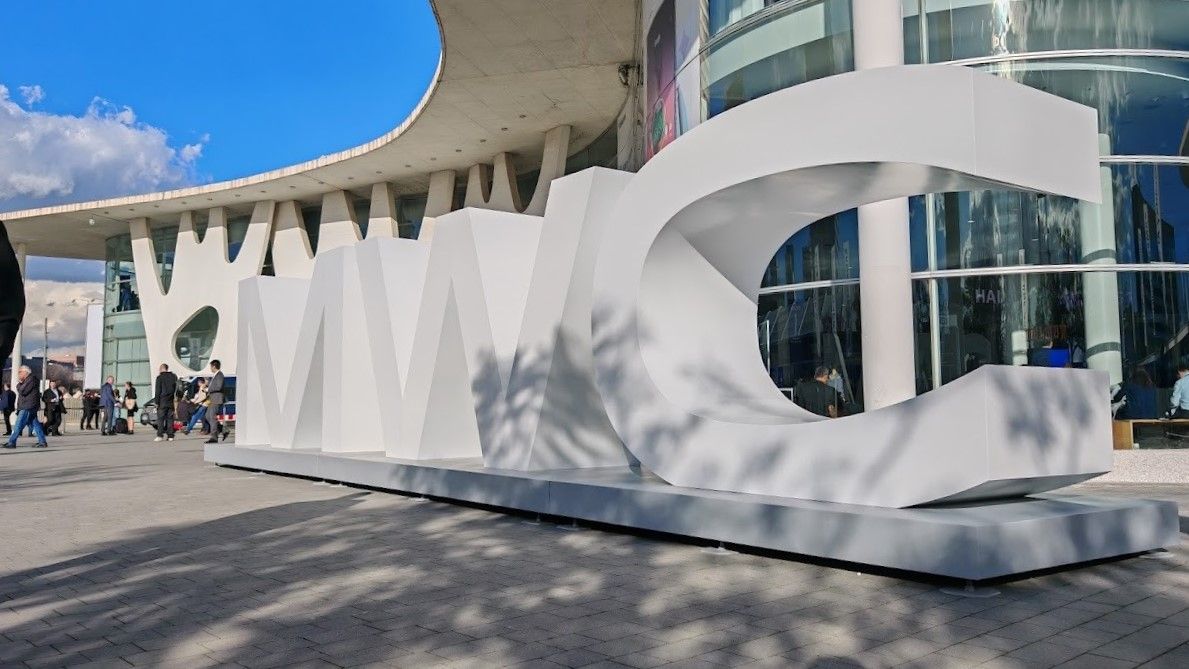
Simultaneously, the technological supply chain is experiencing a severe structural bottleneck in memory. The massive CAPEX deployment by hyperscalers and AI developers has created a demand surge that existing fabrication capacity cannot meet. Reports from MWC 2026 confirm that while AI breakthroughs are exciting, the reality is that component costs, especially RAM, are skyrocketing. The price of DRAM has reportedly tripled to sextupled in some segments, leading to dire predictions: a 13% decline in global smartphone shipments for 2026. This specific shortage directly impacts Samsung’s consumer electronics division and threatens the profitability of every device manufacturer relying on memory integration.
1.2. Ripple Effects on Global Supply Chains
Unlike 2020, where port congestion and labor shortages were the primary issues, the current disruption is driven by high-cost inputs (energy) and structural scarcity (memory). This distinction is crucial. If the oil shock were to broaden into a full logistical crisis—for instance, if more critical choke points were closed—the global economy would seize up. However, the current limited scope, as suggested by external analysis, means the shock transmits primarily through price mechanisms rather than physical blockage. This favors companies with strong pricing power, such as memory oligopolists.
The Nexperia dispute between China and the Netherlands offers a parallel narrative on the semiconductor front. Allegations of IT system lockouts leading to fresh chip shortage warnings underscore the fragility of the high-tech ecosystem. This is not just about capacity; it’s about geopolitical friction embedding itself directly into the software layer of component supply. For Korean firms, this heightens the need for robust, geographically diverse IT infrastructure and operational redundancy, a significant ongoing CAPEX burden requiring careful financial planning.
| Macro Variable | Global Impact | South Korean Exposure |
|---|---|---|
| Oil Price Spike (Strait of Hormuz) | Increased input costs, inflationary pressure, regional economic instability. | Higher input costs for petrochemicals and logistics; potential weakening of export price competitiveness. |
| RAM Price Surge (AI Demand) | Severe contraction in consumer electronics (smartphones, PCs) markets. | Massive revenue upside for memory producers (Samsung/SK Hynix), but significant margin risk for finished goods assemblers. |
2. Geopolitical Context: The Hidden Agenda
Supply chain fragmentation is no longer purely an economic phenomenon; it is the mechanism through which geopolitical competition is executed. The friction seen in chip supply—exemplified by the Nexperia situation—is a direct result of decoupling strategies aimed at technological supremacy.
2.1. Unpacking the Strategic Motives
The motives driving these supply chain shifts are rooted in national security and industrial self-sufficiency. For the US and its allies, the strategy is clear: restrict China’s access to leading-edge process technology and choke points in the supply chain. The Nexperia incident, where a critical node in the ecosystem (Netherlands-based firm operating in China) allegedly faced internal disruptions following political pressures, highlights how quickly software and operational access can be weaponized. This signals a long-term trend where trust in third-party operational integrity is collapsing.
Conversely, China’s reaction is defensive consolidation. Warnings about further chip supply worries serve to signal the domestic population and international partners that retaliation or self-sufficiency efforts are paramount. This escalating dynamic forces Korean conglomerates, who operate deeply within both ecosystems (supplying components globally but manufacturing extensively in China), to adopt elaborate matrices of compliance and operational separation. The concept of a unified, global supply chain is functionally dead; what remains are regionalized, politically vetted supply chains. The increased focus on decentralized protocols, as hinted at by security-focused reports, reflects a growing distrust in centralized, traditional financial and logistical intermediaries.
2.2. The Regulatory & Policy Landscape
Regulatory policy is becoming the primary instrument of supply chain warfare. Subsidies like the US CHIPS Act or similar European initiatives are not merely incentives; they are mandatory redirection mechanisms designed to pull production capacity into politically aligned geographies. For Korean semiconductor giants, this necessitates massive, geographically distributed CAPEX plans—building fabs in Texas, Arizona, or Europe—even when domestic capacity might seem more economically efficient in a frictionless world. This policy-driven fragmentation directly increases the capital intensity required just to maintain market access.
Furthermore, the discourse around technologies like Starlink’s militarization shows how strategic infrastructure itself is now viewed through a security lens, affecting everything from satellite connectivity to global logistical coordination. Korean heavy industry and defense contractors must navigate these rapidly evolving definitions of dual-use technology. Navigating this requires deep expertise in regulatory compliance, effectively adding a new, high-cost business unit focused solely on political risk management. See related analysis on geopolitical risk management.
3. Korea’s Position: Dilemma & Opportunity
South Korea’s status as a manufacturing powerhouse means it absorbs the shocks of both the energy inflation and the component scarcity simultaneously. The dilemma is how to allocate finite capital between mitigating external cost shocks and maximizing internal technological advantages.
3.1. Immediate Risk Factors for Korean Firms
The most immediate financial risk stems from the weakening Korean Won. With the USD/KRW rate hitting 1498.88 and US interest rates remaining relatively firm (Fed Funds at 3.64%), imported energy costs are amplified significantly when priced in local currency. This pressure exacerbates the inflationary impact of the oil shock. For manufacturers relying on imported raw materials, the effective cost of goods sold rises dramatically, squeezing margins even before accounting for rising energy bills.
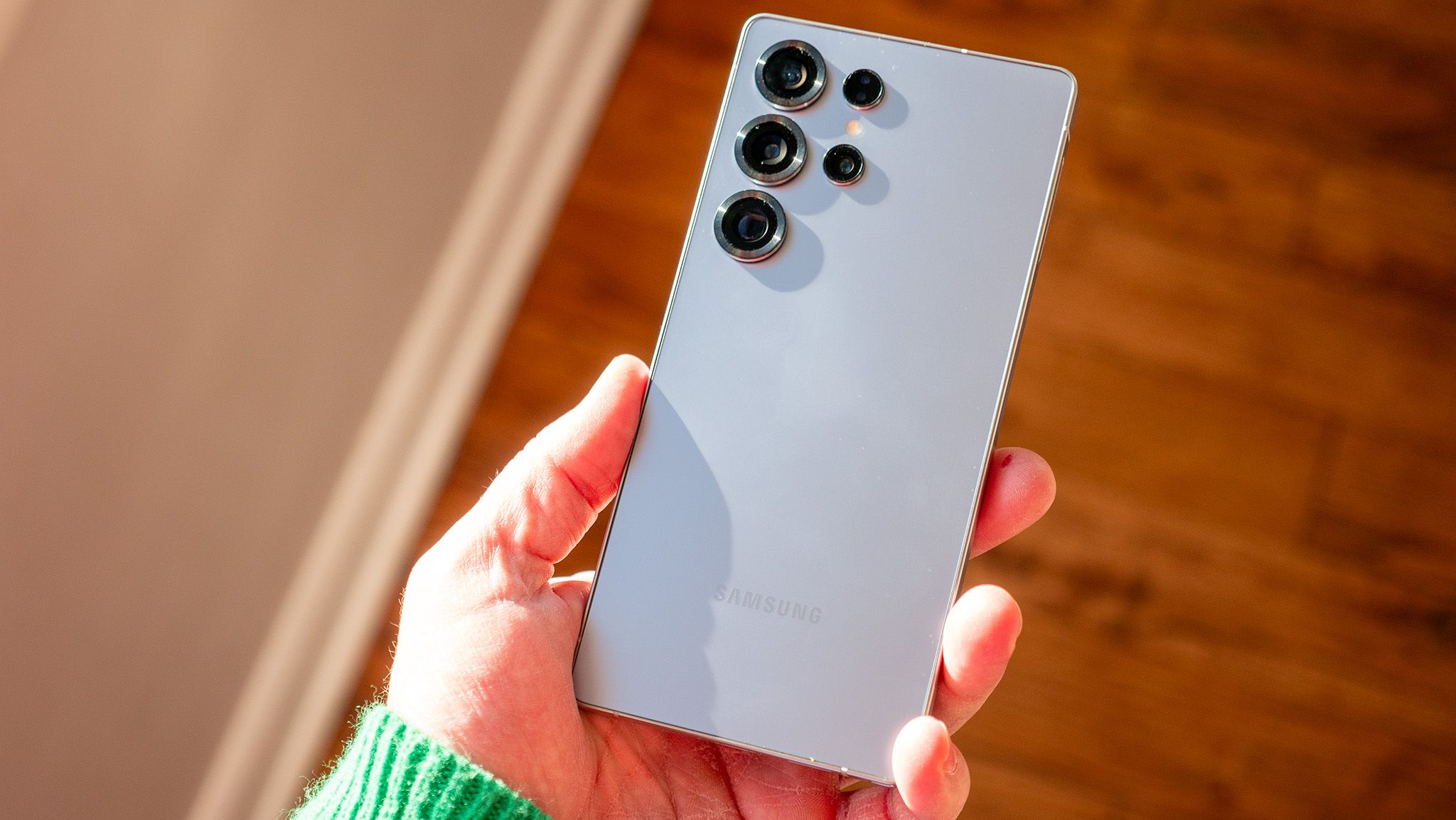
A secondary, internal risk involves the memory market dynamics for non-memory producers. While Samsung and SK Hynix enjoy pricing power, Korean firms like LG Electronics or Hyundai Motor, which are heavily reliant on purchasing memory for their devices and vehicles, face soaring procurement costs. If the Galaxy S26 launch is meant to be a savior, it implies Samsung’s internal allocation and pricing strategy for its own supply chain will be aggressively favorable, leaving smaller domestic assemblers scrambling for scarce, high-priced chips. This creates a dangerous divergence in profitability within the domestic industrial base.
3.2. Niche Opportunities and Windfall Profits
The memory crisis is an unparalleled opportunity for the dominant players. Samsung and SK Hynix are not just weathering the storm; they are *creating* the higher price environment. As AI adoption continues to outpace capacity expansion, these firms possess significant pricing leverage. The high cost of RAM translates directly into record-high ASPs (Average Selling Prices) for their high-bandwidth memory (HBM) products, which are less affected by the general smartphone slowdown.
Furthermore, the geopolitical fragmentation creates an opportunity for diversification outside of the US-China tech competition orbit. Korean firms that can rapidly shift production or finalize deals in “trusted” third regions—such as Southeast Asia (excluding sensitive areas) or established European hubs—can secure long-term contracts insulated from the immediate Sino-American tensions. This favors Korean shipbuilding and plant engineering firms, which are globally competitive in constructing energy infrastructure and advanced manufacturing facilities abroad. They can secure multi-year, high-margin contracts building the very supply chains the West seeks to establish away from adversarial zones. This is a direct play on the decoupling trend. External Authority Check
4. Portfolio Shift: Tactical Moves for Investors
The current macro environment demands a portfolio strategy that hedges inflation risks (energy costs) while aggressively seeking out scarcity premiums (memory pricing power). This necessitates a careful long-short positioning across Korean equities.
4.1. Currency and Commodity Hedging
Given the USD/KRW rate hovering near 1500, exporters benefit marginally on paper due to stronger dollar revenue conversion, but this is immediately negated by higher imported energy costs. Therefore, firms with significant operational exposure to energy (like heavy manufacturers or airlines) must aggressively hedge currency exposure forward, locking in favorable rates before potential future volatility driven by geopolitical escalations. Simultaneously, using commodity derivatives to lock in fuel costs is no longer optional; it is a necessity to stabilize operating margins against the volatility near the Strait of Hormuz.
For investors holding KRW-denominated assets, the outlook is cautious. While high US rates support the USD, the inherent vulnerability of the Korean export economy to both global demand slowdowns (due to memory constraints) and cost inflation (due to oil) suggests that the won may remain weak or experience sharp corrections. Long-term portfolio construction must account for this, favoring exporters with high localization rates in key markets or those whose pricing power is strong enough to pass on currency and cost increases.
4.2. Actionable Long-Short Strategies
The bifurcation of the crisis allows for clear sectoral positioning:
- LONG: Memory Titans and AI Infrastructure Enablers. Samsung Electronics (for HBM dominance) and SK Hynix are clear longs. Their earnings are largely decoupled from the broader consumer electronics contraction because AI demand is so intense. They benefit from both high ASPs and the structural need for diversification away from single-source regions. We should also look long at companies providing essential ancillary services to these fabs, such as specialized materials science firms less exposed to consumer cycles. This position benefits from the scarcity premium.
- SHORT/NEUTRAL: Consumer Electronics Assemblers. Companies heavily reliant on high volumes of traditional consumer electronics (like budget smartphones, facing a projected 12.9% shipment decline) will suffer acute margin compression. They are squeezed by high memory procurement costs and softening global demand. Unless these firms have secured long-term, fixed-price memory contracts, they represent a structurally weak position relative to the market averages.
- LONG: Specialized B2B Engineering and Defense. Firms involved in building energy infrastructure, advanced automation systems, or geopolitical technology solutions (like satellite ground systems) are poised to benefit from increased CAPEX related to reshoring/friend-shoring and energy transition acceleration. These contracts are often government-backed or long-term commitments, providing revenue visibility insulated from short-term consumer shocks. This is a hedge against political uncertainty.
The key to success here is recognizing that supply chain fragmentation is now a feature, not a bug, of the global economy. Korean investors must adapt their models to reward companies that manage political complexity effectively, rather than just those operating at the lowest theoretical cost point. This requires diligence in evaluating cross-border transaction risk and the resilience of a firm’s digital supply chain security, as highlighted in reports concerning systems integrity.
Top 5 Essential FAQs for Investors
A1. Current intelligence suggests the shock is highly localized around the conflict zone, primarily affecting energy prices rather than creating universal logistical blockages. However, persistent high energy costs act as a powerful inflationary tax, slowing global demand, which is already constrained by the memory shortage. The risk remains elevated, but the immediate mechanism is inflationary pressure, not systemic physical breakdown.
A2. They must immediately seek multi-year procurement agreements, even at premium prices, to stabilize internal cost forecasting. Those unable to secure supply will see their product launches delayed or shelved. Firms that can rapidly pivot to higher-margin products that utilize less memory (if such a pivot exists) or those with robust internal memory divisions (like Samsung) will gain a competitive edge.
A3. The benefit is heavily eroded by the cost side. While dollar revenues are higher, the cost of imported oil and intermediate goods, priced in USD, is also higher. For energy-intensive sectors, the net effect might be negative or neutral. Only firms with exceptional pricing power, like memory suppliers, truly benefit from the currency depreciation in this environment.
A4. The long-term theme is Resilience over Efficiency. This favors engineering firms building geographically diverse industrial parks, cybersecurity companies securing decentralized operations, and specialized tech firms essential to strategic autonomy efforts across allied nations.
A5. It reinforces the necessity of maintaining operational diversity and redundancy across multiple legal and geographic jurisdictions. It signals that supply chain software and IT access can be weaponized, demanding higher investment in proprietary, secure operational technology stacks, a point often discussed in analyses regarding tech sovereignty.

Hi, I’m Dokyung, a Seoul-based tech and economy enthusiast. South Korea is at the forefront of global innovation—from cutting-edge semiconductors to next-gen defense technology. My mission is to translate these complex industry shifts into clear, actionable insights and everyday magic for global readers and investors.