
⚡ The 30-Second Summary
- The global Korean food market is projected to reach approximately $18 billion by 2027, expanding at a compound annual growth rate (CAGR) of over 9% from 2024.
- Korean comfort foods, beyond BBQ and kimchi, are driving significant export growth, with processed food exports increasing by over 15% year-on-year in recent periods.
- The future of Korean comfort cuisine involves digital innovation, sustainable sourcing, and a strategic balance between global adaptation and preserving authentic culinary traditions.
1. The Current Landscape
Global Context and Market Expansion
The global Korean food market is experiencing robust expansion, with industry analysts estimating its value to reach approximately $18 billion by 2027, driven by a compound annual growth rate (CAGR) exceeding 9% from 2024. This significant growth reflects a broader consumer shift towards diverse international cuisines and an increasing appreciation for authentic culinary experiences. The surging popularity of Korean culture, often termed Hallyu, has played a pivotal role in introducing Korean flavors to a global audience, moving beyond niche markets into mainstream dining preferences. Consumers are actively seeking out the unique taste profiles and perceived health benefits associated with Korean ingredients and cooking methods, propelling demand for both restaurant dining and packaged food products worldwide (Reuters).
Korea’s Strategic Position in Culinary Globalisation
South Korea has strategically positioned itself as a significant player in the global food industry, leveraging its cultural soft power to elevate its cuisine on the international stage. Government initiatives, alongside private sector innovation, have focused on standardizing recipes, ensuring quality control, and expanding export channels for key Korean food products. This concerted effort has resulted in substantial increases in food exports, particularly processed foods and staple ingredients like kimchi and gochujang, which saw growth rates of over 15% year-on-year in recent periods. The focus extends beyond popular dishes like Korean BBQ, emphasizing the rich variety of comfort foods that offer deeper insights into Korean culinary heritage.
Amplifying Cultural Authenticity and Innovation
The appeal of Korean comfort food lies in its blend of traditional flavors, wholesome ingredients, and the cultural narrative it conveys. Dishes like Kimchi Jjigae, Sundubu-jjigae, and Tteokbokki are gaining traction as consumers seek genuine culinary experiences that resonate with the warmth and communal spirit often depicted in K-dramas and other media. This trend is fostering innovation in Korean food production, from ready-to-eat meal kits to vegan adaptations of classic recipes, making these comforting dishes more accessible to diverse dietary preferences globally.

2. Deep Dive & Insights
The Essence of Korean Comfort: Ingredients and Cultural Resonance
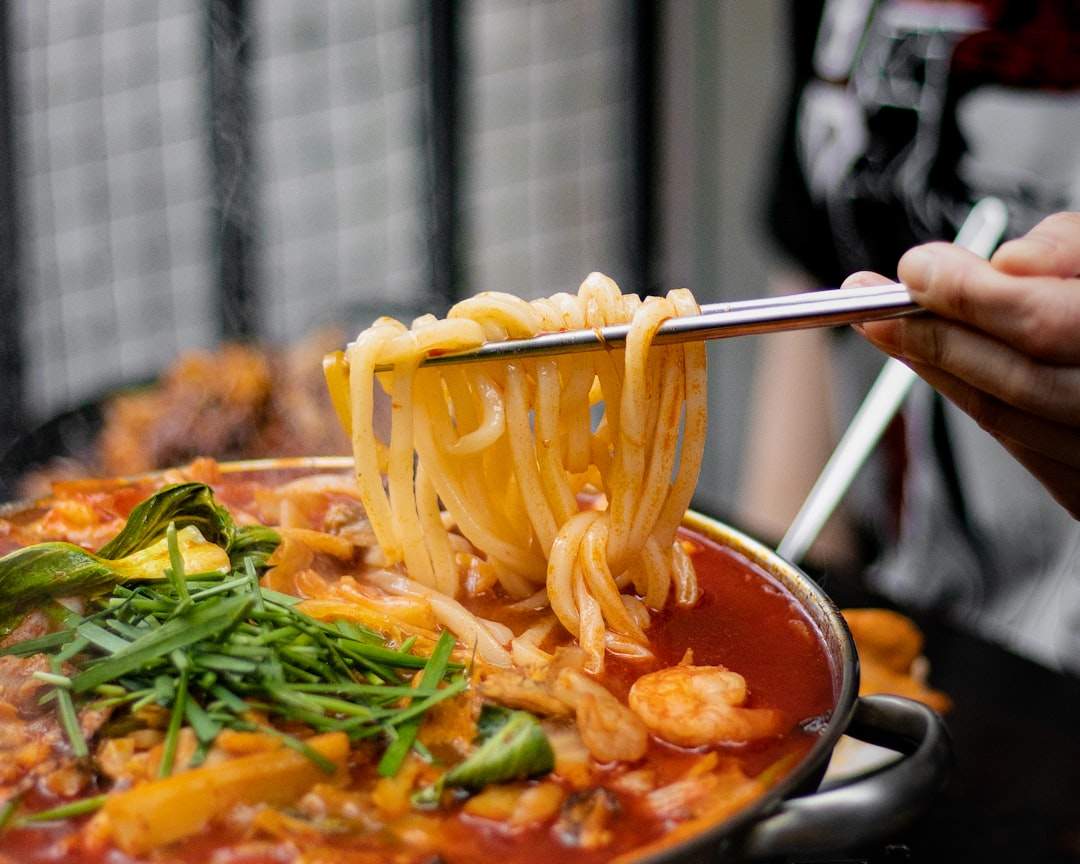
At its core, Korean comfort food embodies a profound connection to warmth, nostalgia, and the essence of home, often steeped in centuries of culinary tradition. Key ingredients form the backbone of these beloved dishes, each contributing to a unique balance of flavors—spicy, sweet, sour, and umami. Gochujang (Korean red pepper paste), a fermented condiment, provides a signature sweet and spicy kick, while Doenjang (soybean paste) offers a rich, earthy umami depth essential for stews and soups. Beyond these, the ubiquitous presence of kimchi, often aged, adds probiotics and a complex tang, transforming simple meals into flavorful experiences. The communal aspect of sharing these dishes, often around a bubbling pot, reinforces the concept of jeong, a deep sense of affection and attachment, central to Korean culture and daily life (Korea Travel & Living).
Future Trajectories: Innovation and Global Palate Adaptation
Looking ahead, the trajectory of Korean comfort food involves a dynamic interplay between preserving traditional authenticity and adapting to global palates. Culinary innovation is leading to novel interpretations, such as plant-based versions of classic meat dishes and fusion creations that blend Korean flavors with international cuisines. The rise of digital platforms, from online cooking tutorials to specialized food delivery services, is democratizing access to these dishes, making it easier for home cooks and enthusiasts worldwide to recreate authentic tastes. Furthermore, increasing emphasis on sustainable sourcing and transparent ingredient supply chains is shaping the industry, appealing to environmentally conscious consumers.
Navigating Authenticity and Market Challenges
A key risk factor in this global expansion is the delicate balance between maintaining the authentic essence of Korean comfort food and adapting it for broader market acceptance. Over-standardization could dilute unique regional flavors, while insufficient adaptation might limit appeal in certain cultural contexts. Furthermore, fluctuations in global ingredient prices, particularly for staples like rice, chili peppers, and soybeans, pose economic challenges for producers and restaurateurs. Ensuring consistent quality and supply chain resilience remains crucial for sustained growth in the competitive international food landscape.

3. Frequently Asked Questions

Hi, I’m Dokyung, a Seoul-based tech and economy enthusiast. South Korea is at the forefront of global innovation—from cutting-edge semiconductors to next-gen defense technology. My mission is to translate these complex industry shifts into clear, actionable insights and everyday magic for global readers and investors.