
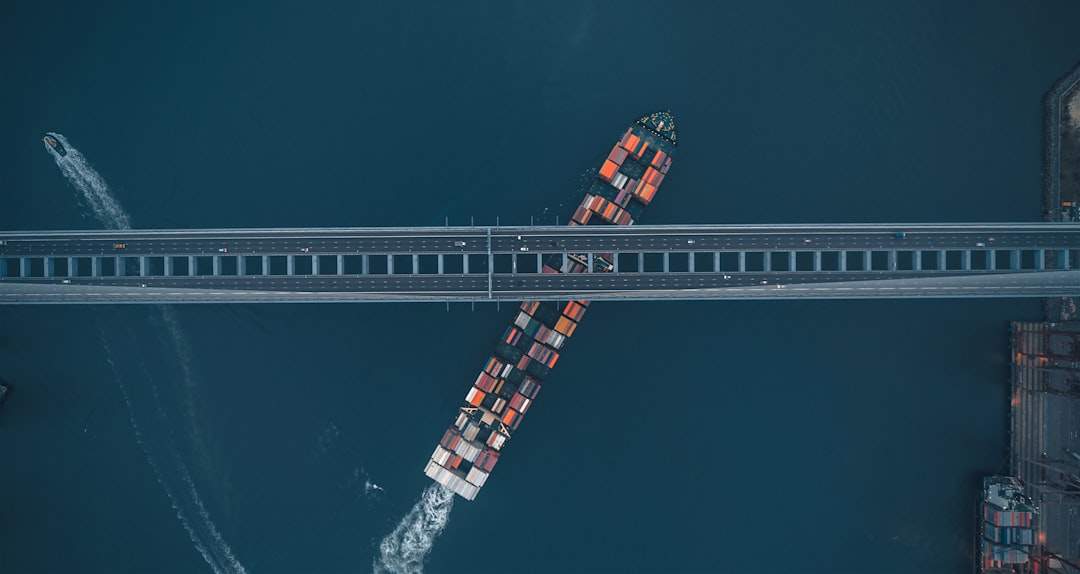
1. Global Trigger: The Macro Shift
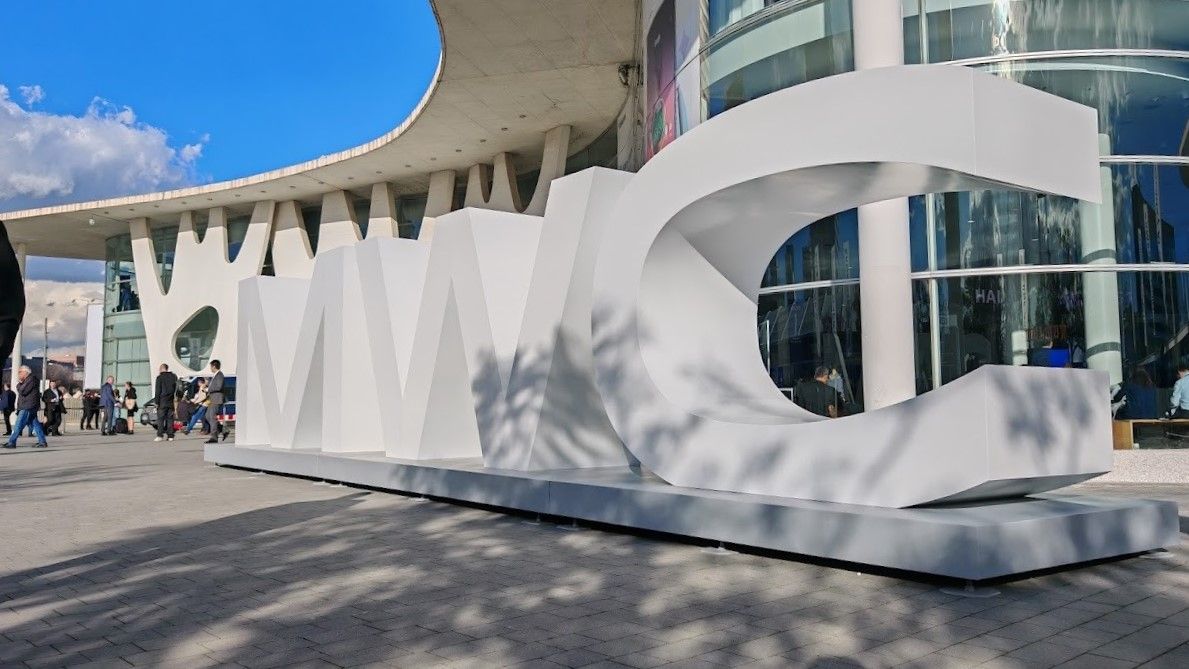
The current global environment feels less like a gradual shift and more like a multi-front supply chain assault. At the core of the immediate pressure is the Memory Crisis. Reports from MWC 2026 confirm that surging AI demand has dramatically tightened the supply of RAM, leading to price hikes of up to six times the previous rates.
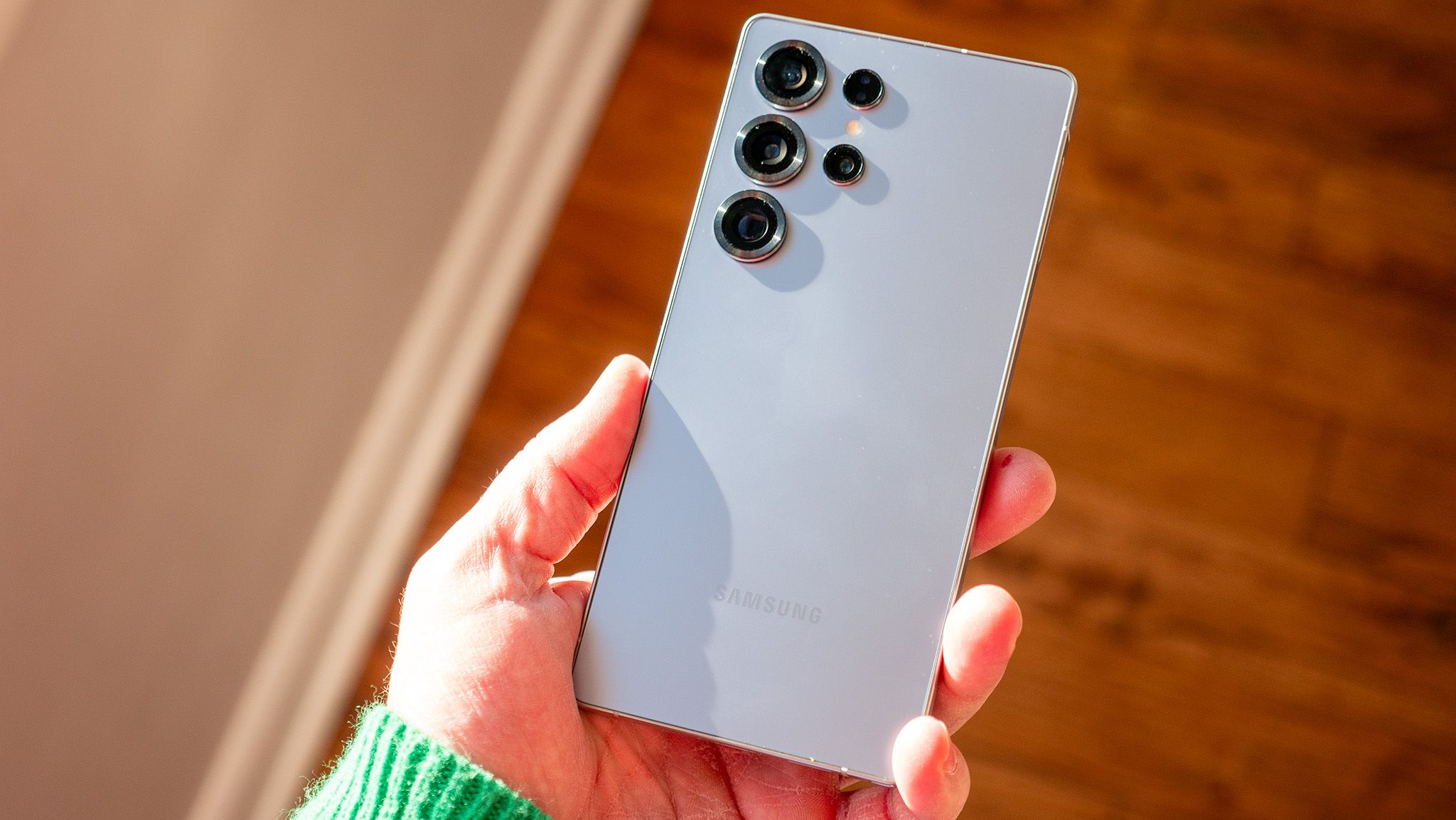
This memory crunch is immediately hitting consumer electronics, with forecasts predicting a 13% decline in global smartphone shipments for 2026. Simultaneously, geopolitical tensions are boiling over in the Middle East, severely threatening the Strait of Hormuz, pushing crude oil prices toward a theoretical $200 a barrel.
On the monetary front, the US Federal Funds Rate remains elevated at 3.64%, keeping borrowing costs high globally and strengthening the dollar narrative against the won. The USD/KRW rate is firmly entrenched above 1482 won per dollar.
Source: Global Intelligence Feed
2. Geopolitical Context: The Hidden Agenda
The conflict between Nexperia (Dutch/Chinese operations) and China reveals the true fragmentation risk: it’s less about semiconductors and more about data control and operational access. When IT systems are locked down between headquarters and local plants, the supply chain stops dead, irrespective of physical chip inventory. This highlights the danger of relying on single, globally integrated IT backbones.
The oil crisis, stemming from hostilities in the Persian Gulf, is a brutal reminder of energy dependency. Nations heavily reliant on imported fuel, like many in Southeast Asia where Korean firms operate large manufacturing bases, face immediate cost inflation and potential operational shutdowns. This impacts Korean firms indirectly through higher input costs for regional partners and direct energy price exposure for their overseas facilities.
The obsession with AI is exacerbating the memory shortage. While AI innovation is touted, the reality is that it’s stripping essential components from lower-margin, high-volume consumer products, threatening market stability for everything from budget phones to automotive components. For Korean giants, this is a test of prioritizing high-margin AI infrastructure contracts over legacy consumer volume. We must look beyond the headlines of new devices to the underlying semiconductor policy.
| Macro Variable | Global Impact | South Korean Exposure |
|---|---|---|
| Memory Component Cost Surge | Squeezes margins across all hardware sectors; boosts AI chipmakers. | Direct revenue boost for Hynix/Samsung Memory divisions, but consumer electronics face price resistance. |
| Oil Price Volatility | Threatens global shipping costs and industrial energy supply in Asia. | Increases logistics costs for all exporters; puts pressure on non-semiconductor manufacturing arms. |
| USD/KRW Rate (~1483) | Strong dollar benefits US-based earnings translation; discourages imports. | Massive boost to export revenues (KRW terms), but increases USD-denominated raw material costs. |
Source: Global Intelligence Feed
3. Korea’s Position: Dilemma & Opportunity
The primary risk for conglomerates like Samsung Electronics and SK Hynix is the “Long-Short” supply chain problem. While memory producers are experiencing a short squeeze (long profits), the end-product assemblers (like handset divisions) are facing a severe shortage (short supply), which suppresses overall volume and profit realization.
Korean conglomerates must aggressively pursue supply chain decoupling. This means accelerating investment in non-China manufacturing footprints—Vietnam, India, and potentially North America—not just to appease geopolitics, but as a hedge against software/IT access risks, as the Nexperia case shows.
For the shipbuilding and heavy industries, the energy crisis presents a unique opportunity. As global shipping routes become riskier and the world scrambles for alternative energy logistics, demand for high-value, resilient transport (LNG carriers, specialized tankers) should increase, provided they can secure stable fuel supply for their own fabrication yards. This is a good area to examine diversification strategies, perhaps researching Global Energy Infrastructure Spending.
📊 Sector Impact Forecast
4. Portfolio Shift: Tactical Moves for Investors
Given the high USD/KRW rate of 1482.98, Korean exporters are structurally favored in dollar terms. Investors should favor export-heavy conglomerates, especially those in memory, where they can capitalize on the short squeeze.
However, the energy crisis mandates a defensive posture for non-export sectors. Companies heavily reliant on domestic consumption or energy-intensive domestic manufacturing without robust hedging contracts face margin compression due to rising fuel/utility costs in Korea. Look for companies actively securing long-term supply contracts for energy inputs.
For US exposure, the focus should be on firms that consume Korean components but are less affected by the consumer hardware downturn—namely, hyperscalers and specialized B2B AI infrastructure providers, as they are the primary drivers of the memory price surge. Shorting pure consumer hardware brands that cannot secure necessary RAM may be a viable, albeit risky, short strategy.
We advise maintaining long exposure on memory suppliers until inventories visibly normalize, which is unlikely while AI adoption remains white-hot. For general market exposure, maintaining liquidity is key, as the US Fed Rate hovering near 3.6% provides no immediate incentive for a massive risk-on pivot. Investors should also watch for any domestic political maneuvers regarding energy subsidies to buffer inflation.

Source: Global Intelligence Feed
Top 5 Friendly FAQs for Investors
A1. Yes, but selectively. Companies that *produce* memory (like Samsung and SK Hynix) are winning the immediate battle. Companies that *consume* memory (like finished goods assemblers) should secure multi-quarter supply contracts immediately, even at high prices, to avoid the projected 13% shipment decline hitting their volume.
A2. It’s a significant tailwind for reported revenues, assuming costs can be managed. However, Korean firms must be cautious about repatriating too much cash, as it could mask structural inefficiency if they do not also invest in localizing production outside the volatile US/China axis.
A3. It is a profound geopolitical risk exposure. Korean conglomerates with complex, centrally managed global ERP systems must immediately test decentralized operational backups, especially concerning facilities in politically sensitive jurisdictions.
A4. A rate of 3.64% implies sticky inflation or continued global monetary tightness. This generally favors the dollar and hurts capital expenditure outside of immediate strategic necessity, meaning Korean firms may delay non-essential long-term expansion projects unless they are AI-related.
A5. Positively, assuming the crisis continues to disrupt established routes. This increases the perceived value of existing, high-capacity vessels and drives new orders for specialized, safer transport solutions, benefiting yards focused on high-tech shipbuilding.

Hi, I’m Dokyung, a Seoul-based tech and economy enthusiast. South Korea is at the forefront of global innovation—from cutting-edge semiconductors to next-gen defense technology. My mission is to translate these complex industry shifts into clear, actionable insights and everyday magic for global readers and investors.