
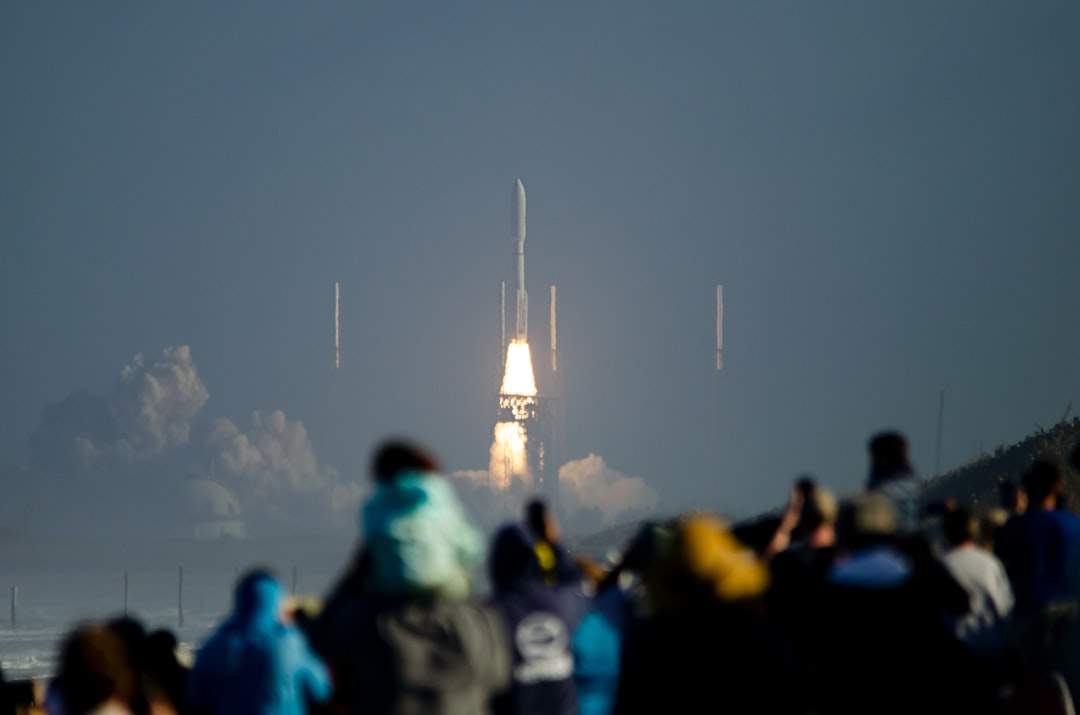
Hello everyone, Jeybee here from sunny Seoul! March 28, 2026, and what a time it is to be covering K-tech. Today, we’re looking up – way up – at South Korea’s exciting journey into military space and satellite reconnaissance. It’s a field that’s not just about defense, but also about technological independence and economic growth.
For years, South Korea has been a global powerhouse in semiconductors and shipbuilding, but now, the stars are calling. The recent strides with our homegrown Nuri rocket and the ambitious 425 Project spy satellite constellation are putting Korea firmly on the map as a serious player in the global space economy. This isn’t just about launching things into orbit; it’s about building a robust, self-reliant defense system and unlocking incredible export potential.
It’s truly a thrilling time to witness Korea’s ascent in this high-stakes arena. Let’s dive into how these developments are shaping our future, both on Earth and beyond!
1. The New Frontier: Korea’s Space Defense Leap
1.1. The Financial Side

Investing in space isn’t cheap, but the returns, both strategically and economically, are immense. South Korea’s government has been steadily increasing its commitment to space development, seeing it as a critical pillar for national security and future industries. This sustained investment is fueling innovation across the board.
The global economic climate certainly plays a role. With the US Federal Funds Effective Rate at 3.64% as of February 1, 2026, and the US Consumer Price Index at 327.460, global investment flows and inflation pressures are real. However, the USD/KRW exchange rate, currently around 1504.15 as of March 20, 2026, makes Korean exports incredibly competitive on the world stage.
This favorable exchange rate gives Korean companies a distinct advantage when bidding for international space and defense contracts. Even with WTI Crude Oil prices hovering around $89.33 per barrel, which impacts launch costs, the overall macroeconomic picture supports Korea’s push for aerospace exports. It’s a strategic sweet spot for growth.
1.2. Tech & Supply Chain
The Nuri rocket (KSLV-II) is a true symbol of Korean ingenuity. The full technology transfer of Nuri to Hanwha Aerospace marks a monumental shift, making Korea one of the few nations capable of developing and launching its own space launch vehicles. This self-sufficiency is key for both commercial and military applications.
This capability underpins the 425 Project, which aims to deploy a constellation of five high-resolution spy satellites. These satellites, comprising both electro-optical/infrared (EO/IR) and synthetic aperture radar (SAR) imagers, will provide South Korea with independent, real-time intelligence, surveillance, and reconnaissance (ISR) capabilities. Previously, Korea relied heavily on allied nations for such critical data.
The project not only boosts national security but also strengthens the domestic aerospace supply chain. Korean companies are increasingly developing advanced components, sensors, and software, reducing reliance on foreign suppliers and fostering a thriving local ecosystem. This robust local foundation is exactly what’s needed for long-term success.
2. Impact on the Korean Market
2.1. Who Benefits?

The ripple effect of Korea’s space endeavors is significant, creating a robust ecosystem that benefits several key players. At the forefront is Hanwha Aerospace, which has cemented its position as a national champion in aerospace. With the full Nuri rocket tech transfer, they are now central to Korea’s launch capabilities, manufacturing future rockets and exploring commercial launch services.
Korea Aerospace Industries (KAI), another defense giant, plays a crucial role in satellite integration and potentially in developing future satellite platforms. Their expertise in aircraft manufacturing and defense systems naturally extends to the complex assembly and testing required for advanced satellites. KAI’s involvement ensures a high level of quality and security in these critical assets.
Then there’s Satrec Initiative, a pioneer in satellite technology. This company is instrumental in designing and manufacturing the sophisticated payloads for the 425 Project satellites, including the high-resolution optical and radar sensors. Their specialized knowledge in small and medium-sized satellites makes them an invaluable partner in building Korea’s orbital eyes. These companies are not just beneficiaries; they are driving forces.
2.2. Government Moves
The South Korean government is keenly aware of the strategic importance of space. The formation of a Task Force to explore a National LEO (Low Earth Orbit) Satellite Network underscores a long-term vision that goes beyond military ISR. This initiative aims to foster a broader commercial space economy, including satellite internet and Earth observation services.
This is a clear example of South Korea’s industrial policy for the new space economy, actively nurturing private sector growth and innovation. By providing consistent support and clear policy directions, the government is creating an environment where companies can thrive and compete globally. It’s a smart move to leverage public investment for private sector gains.
This shift significantly enhances Korea’s defense posture. Having independent, persistent ISR capabilities means better situational awareness and a stronger deterrent. It also reduces reliance on foreign intelligence, bolstering national sovereignty. This newfound capability could also lead to new export opportunities for Korean-made satellites and launch services to friendly nations.
| Company | Current Status | Outlook |
|---|---|---|
| Hanwha Aerospace | Received full Nuri tech transfer; primary rocket manufacturer. | Strong growth in launch services and rocket engine exports; key to future space exploration. |
| KAI (Korea Aerospace Industries) | Major defense contractor, involved in satellite integration and platform development. | Expanding role in satellite manufacturing and defense-related space systems; potential for international partnerships. |
| Satrec Initiative | Specializes in small satellite systems and payloads; supplier for 425 Project sensors. | Increased demand for high-resolution satellite payloads and ground systems; strong export potential for smaller, specialized satellites. |
3. Final Thoughts
South Korea’s journey into military space and satellite reconnaissance is a testament to its innovation and strategic vision. The Nuri rocket and the 425 Project constellation are not just technological marvels; they are cornerstones of a new era for K-Defense and the broader Korean economy. This is a story of national ambition reaching for the stars, quite literally!

What to Expect Next
We can expect more Nuri launches in the coming years, not just for military purposes but also for commercial payloads and scientific research. The full deployment of the 425 Project satellites will dramatically enhance Korea’s independent surveillance capabilities, impacting regional security dynamics. Furthermore, the government’s commitment to a national LEO network suggests a booming commercial space sector.
This momentum will likely translate into increased export opportunities for Korean aerospace companies. As they gain more experience and demonstrate reliability, countries looking for cost-effective yet advanced space solutions will increasingly turn to South Korea. This could include everything from satellite components to full launch services.
Common Questions Answered
A1. The Nuri rocket provides South Korea with an indigenous launch capability, meaning it no longer needs to rely on other countries to put its satellites, including military spy satellites, into orbit. This self-reliance is crucial for national security and strategic independence. Hanwha Aerospace’s full tech transfer means Korea can build and launch these rockets independently.
A2. The 425 Project is South Korea’s initiative to deploy a constellation of five advanced spy satellites by 2027. These satellites, equipped with high-resolution optical and radar sensors, will provide independent Intelligence, Surveillance, and Reconnaissance (ISR) capabilities. This significantly enhances Korea’s ability to monitor regional activities and gather critical intelligence in real-time.
A3. As South Korea masters its own space technology, it creates opportunities to export its expertise and products. This includes selling satellite components, complete small and medium-sized satellites (like those from Satrec Initiative), and potentially even launch services or rocket technology through companies like Hanwha Aerospace. The competitive USD/KRW exchange rate further boosts the appeal of these K-Defense exports.
Source Report
K-Defense Coverage
More K-Semiconductor Updates

Hi, I’m Dokyung, a Seoul-based tech and economy enthusiast. South Korea is at the forefront of global innovation—from cutting-edge semiconductors to next-gen defense technology. My mission is to translate these complex industry shifts into clear, actionable insights and everyday magic for global readers and investors.