
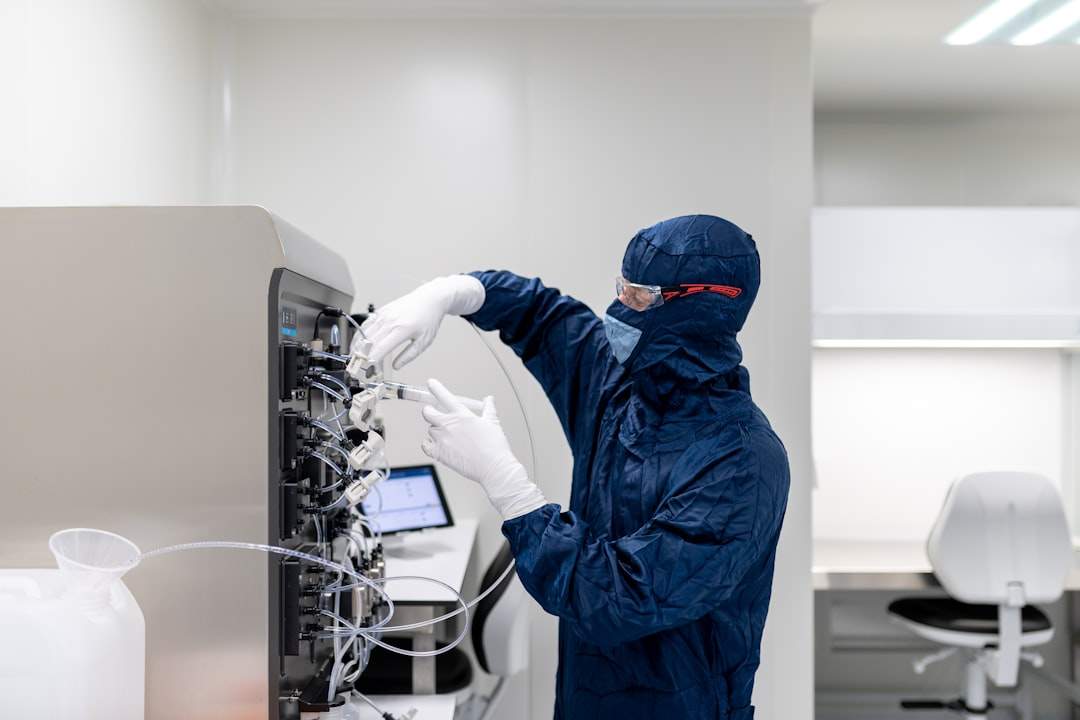
1. The Big Picture: Why This Matters Now
1.1. Global Context
The global biologics market, valued at approximately $450 billion as of 2025, is projected to exceed $600 billion by 2030, driven by an aging population and advancements in biotechnology. This substantial growth places immense pressure on existing manufacturing capacities and highlights the need for a diversified supply base. Recent analyses indicate a strong demand for contract development and manufacturing organization (CDMO) services, particularly for complex biologic drugs.
The increasing complexity of biologics, from monoclonal antibodies to cell and gene therapies, necessitates specialized expertise and advanced facilities. Ensuring robust global biopharmaceutical supply chain resilience has become a top priority for pharmaceutical companies worldwide, especially in Western markets.
1.2. Korea’s Position
South Korea has strategically invested in developing world-class biologics manufacturing capabilities, leveraging its strong IT infrastructure and highly skilled workforce. This focus has transformed the nation into a powerhouse for large-scale, high-quality drug production.
Korean companies are now key partners for global pharmaceutical giants, contributing significantly to Western market drug production shifts. Their state-of-the-art facilities and adherence to stringent international regulatory standards position them as reliable alternatives to traditional manufacturing hubs.

2. Market Winners & Losers
2.1. Who’s Pulling Ahead
Several Korean biopharmaceutical companies are leading this charge, establishing formidable presences in the global market. Their aggressive expansion and technological advancements are attracting significant international contracts. This dynamic landscape showcases Korea’s growing importance in the global biopharmaceutical ecosystem.
Samsung Biologics, Celltrion, and Alteogen exemplify the innovation and scale emerging from Korea. Other notable players like SK Bioscience, Ligachem Biosciences, and Hanmi Pharmaceutical further strengthen the nation’s comprehensive biopharma ecosystem, spanning vaccines, novel drug development, and advanced therapeutic platforms.
| Company / Player | Current Position | Global Outlook |
|---|---|---|
| Samsung Biologics | World’s largest CDMO capacity (over 600,000 liters total across multiple plants), recent annual revenue growth exceeding 20%. | Continued expansion into new modalities like cell & gene therapy, securing major global contracts for drug substance manufacturing. |
| Celltrion | Leading biosimilar developer and manufacturer, significant market share in key therapeutic areas like autoimmune and oncology. | Diversifying into novel drug development and expanding direct sales networks in Western markets, strengthening its integrated value chain. |
| Alteogen | Pioneer in proprietary ADC (Antibody-Drug Conjugate) and Hybrozyme® technology for subcutaneous drug delivery. | High potential for licensing deals with global pharmaceutical companies, enabling next-generation drug formulations and improved patient convenience. |

2.2. What Investors Should Watch
Investors are closely monitoring the sustained capacity expansion plans and technological innovations coming from Korean firms. The ability to handle complex biologics, including advanced therapies, is a key differentiator. Strategic partnerships with multinational pharmaceutical companies further validate Korea’s growing influence.
The USD/KRW exchange rate, currently around 1483.9, offers a competitive edge for exports while attracting foreign investment into these high-growth sectors. Continued investment in R&D, particularly in areas like advanced K-Tech innovations and specialized manufacturing platforms, will be crucial for long-term growth.
3. The Bottom Line
3.1. What to Expect Next
The trajectory for Korean biologics manufacturing points towards continued expansion and specialization. Expect further investments in advanced manufacturing technologies, including automation and artificial intelligence, to enhance efficiency and quality control. This will solidify Korea’s position as a key contributor to global biopharmaceutical supply chain resilience.
Strategic partnerships and mergers and acquisitions (M&A) involving Korean firms are also anticipated, as global pharmaceutical companies seek to secure manufacturing capabilities and innovative drug platforms. The emphasis will remain on diversifying production away from traditional single-source reliance.

Frequently Asked Questions
A1. Korean biologics manufacturing capabilities are significantly enhancing global drug supply by providing massive, high-quality production capacity. This helps to diversify the global biopharmaceutical supply chain, reducing reliance on single regions and improving resilience against disruptions.
A2. Korean companies offer advanced manufacturing technologies, adherence to strict international regulatory standards, and a highly skilled workforce, making them attractive partners for Western markets. Their ability to rapidly scale production and innovate in complex biologics facilitates critical drug production shifts.
A3. Samsung Biologics stands out with its massive CDMO capacity, while Celltrion leads in biosimilar development and market penetration. Alteogen distinguishes itself with proprietary drug delivery and Antibody-Drug Conjugate technologies, showcasing a diverse range of strengths across the Korean biopharma sector.

Hi, I’m Dokyung, a Seoul-based tech and economy enthusiast. South Korea is at the forefront of global innovation—from cutting-edge semiconductors to next-gen defense technology. My mission is to translate these complex industry shifts into clear, actionable insights and everyday magic for global readers and investors.