
The numbers don’t lie: global defense spending is on an upward trajectory, and a growing share of that investment is flowing towards South Korean defense technology exports. Why are nations from Europe to Southeast Asia increasingly turning to Seoul for their security needs?
This isn’t just about selling hardware; it’s about a strategic pivot towards reliable, advanced, and often rapidly deployable solutions that are reshaping the global defense market Korea operates within.
#1. Accelerated Production and Delivery Cycles
One of the most compelling advantages of South Korean defense contractors is their capacity for swift development and production. While traditional defense suppliers often contend with lengthy lead times, companies like Hanwha Aerospace have streamlined their processes, leveraging a highly efficient domestic manufacturing base.
This agility is a direct result of decades spent building a robust industrial ecosystem, allowing for quick scaling of production to meet urgent international demand. For instance, Hanwha Aerospace, which originated as Samsung Precision in Changwon, has become Korea’s sole gas turbine engine manufacturer, integrating its capabilities across various platforms.
This speed isn’t just theoretical; it translates into tangible benefits for nations needing to modernize their defenses quickly. It’s a key reason why the company’s stock currently trades around ₩1,417,000, reflecting its strong market position and a hefty market cap of $72.9 billion, even after a slight dip today.
📊 KRX Stock Performance (Live)
₩1,417,000 -0.2%
₩941,000 -2.8%
₩169,000 +1.6%
Source: KRX · Yahoo Finance · data as of latest session
#2. Strategic Partnerships and Technology Transfer
South Korean defense firms aren’t just selling products; they’re offering comprehensive partnership packages that often include technology transfer, local manufacturing, and long-term support. This approach stands in contrast to some traditional exporters who prefer to retain full control over their intellectual property.
This willingness to collaborate fosters deeper relationships and empowers recipient nations to develop their own defense industrial capabilities. For example, LIG Nex1, a major player in precision guided munitions and radar systems, often structures deals to include significant knowledge sharing, ensuring sustainable local support and upgrades. Similarly, Korea Aerospace Industries (KAI), currently trading at ₩169,000 with a 1.6% gain today, has successfully exported its FA-50 light combat aircraft by emphasizing joint training and maintenance programs, bolstering recipient air forces’ self-sufficiency.
The appeal of such integrated deals is considerable for countries looking to enhance their strategic autonomy. It’s this spirit of cooperation that French President Emmanuel Macron alluded to when he suggested, as the Financial Post reported, that France and South Korea could work together toward Hormuz stability, signaling a potential for broader strategic alignment beyond mere transactions.
#3. A Diverse and Technologically Advanced Portfolio
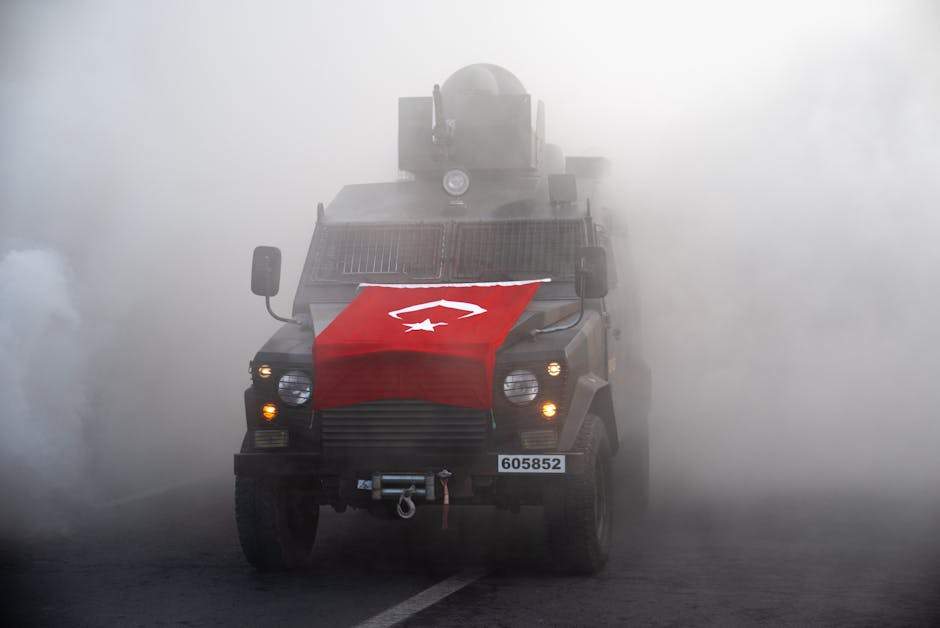
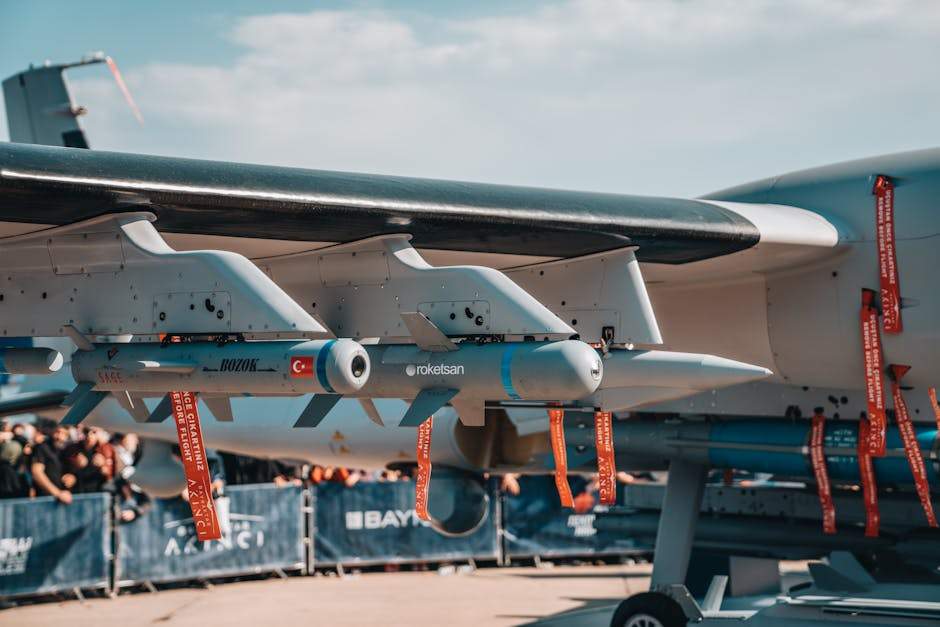
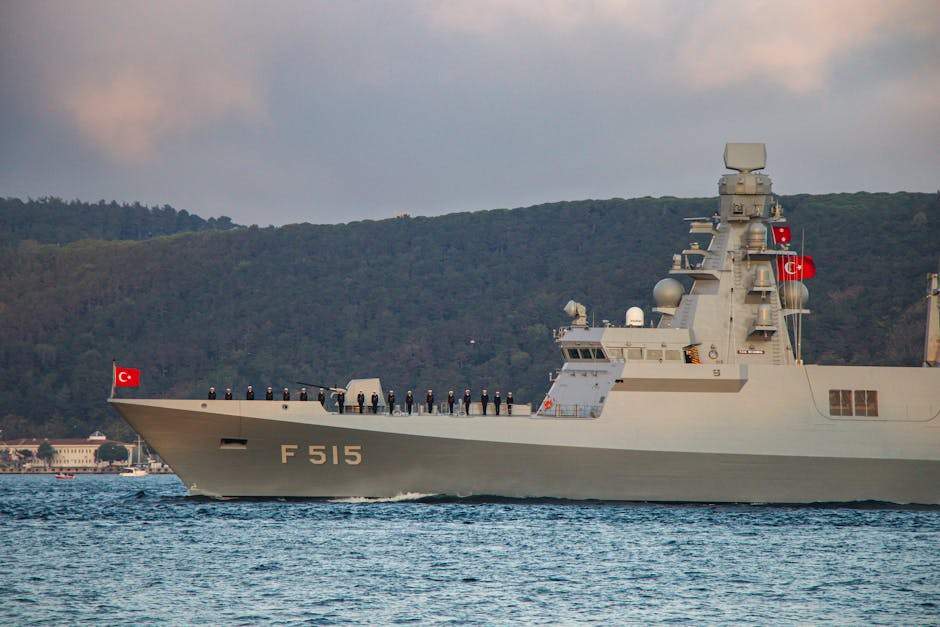
South Korea’s defense industry offers a remarkably broad array of advanced systems, from next-generation tanks to sophisticated missile defense. This isn’t a niche market; it’s a full-spectrum offering that covers land, sea, air, and even emerging domains like cybersecurity.
Beyond the major players, the ecosystem includes firms like Hyundai Rotem, known for its K2 Black Panther main battle tank, and Hanwha Systems, which specializes in advanced sensors and integrated combat systems. Poongsan provides critical munitions, demonstrating the depth of the nation’s industrial capacity. This comprehensive approach means that nations seeking to modernize their entire defense architecture can often find integrated solutions from a single source or a closely coordinated group of South Korean suppliers.
These innovative K-Defense solutions are often battle-tested and continually refined, drawing from the unique operational demands faced by South Korea itself. This real-world application ensures that their systems are not only cutting-edge but also highly reliable and practical for diverse environments. For a deeper dive into how this plays out in specific sectors, explore our analysis on Hyundai Rotem’s K2 Tanks: Reshaping Global Defense Supply Chains.
#4. Economic Pressures and Geopolitical Headwinds
Despite its ascent, the South Korean defense industry isn’t without its challenges. Intense global competition means that maintaining a competitive edge requires continuous, significant investment in research and development. Furthermore, the global defense market Korea operates within is subject to complex geopolitical dynamics that can shift rapidly, influencing export opportunities and supply chain stability.
Economic factors, such as currency fluctuations, also play a role. A strong US dollar, currently trading at 1476.47 KRW, can make South Korean exports more expensive for some international buyers, potentially impacting deal competitiveness. While K-Defense solutions are highly regarded, sustained growth demands careful navigation of international sanctions regimes, export control regulations, and the political sensitivities of potential buyers. The industry must consistently innovate to justify its price point against established players and emerging competitors alike.
#5. Sustained Investment in Advanced R&D and Future Technologies
South Korea’s commitment to indigenous innovation is a critical driver of its long-term success in defense. The government and major defense contractors are heavily investing in next-generation technologies, from artificial intelligence in combat systems to advanced robotics and drone swarm capabilities.
This forward-looking approach ensures that K-Defense doesn’t just catch up with global leaders but increasingly sets new benchmarks. Research hubs across the country, particularly in areas like Pangyo, are pushing the boundaries of what’s possible in autonomous systems, directed energy weapons, and advanced materials. This focus means that nations partnering with South Korea aren’t just acquiring current generation platforms but are also gaining access to a pipeline of future-proof technologies.
We’re seeing a strategic shift from licensed production to full domestic design and engineering, which promises even more advanced and customized innovative K-Defense solutions in the next 18 months. For context on this strategic push, consider reviewing our piece on K-Defense Export Policy: Korea Aerospace Industries’ Global Role.
Quick Q&A
A1. The growth is primarily fueled by a combination of factors: competitive pricing, rapid production cycles, and a willingness to offer technology transfer and local manufacturing partnerships. These elements collectively make South Korean defense technology exports an attractive option for nations seeking modern, reliable, and cost-effective security solutions. For more insights, delve into our K-Defense category page.
A2. K-Defense companies are adapting by focusing on modular design, enabling customization for specific client needs, and prioritizing robust after-sales support and upgrade pathways. They’re also heavily investing in advanced R&D to stay ahead of future threats, ensuring their offerings remain relevant and superior in a dynamic global security environment. This proactive stance helps solidify their position in the global defense market.

Hi, I’m Dokyung, a Seoul-based tech and economy enthusiast. South Korea is at the forefront of global innovation—from cutting-edge semiconductors to next-gen defense technology. My mission is to translate these complex industry shifts into clear, actionable insights and everyday magic for global readers and investors.