
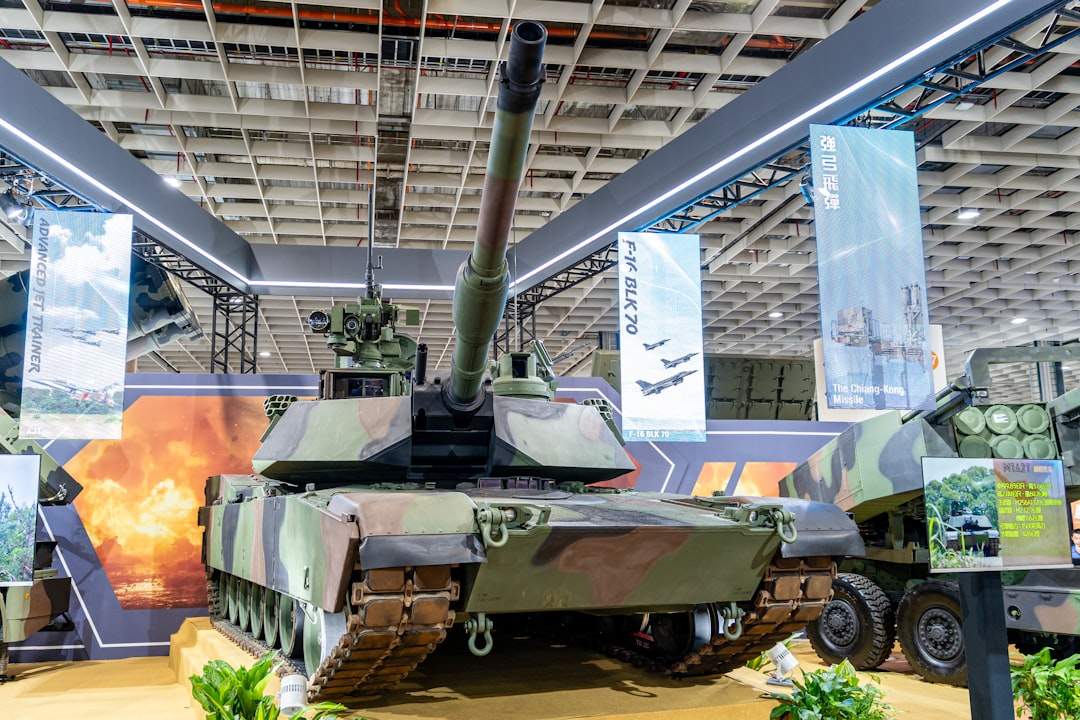
Welcome back, international observers. As the world navigates persistent conflict—specifically the ongoing tensions stemming from the U.S.-Israel war on Iran driving global energy costs—South Korea’s defense manufacturing sector continues to punch far above its weight. The primary trigger today is the expected announcement from Beijing regarding their new five-year economic plan, signaling sustained, if slightly tempered, industrial ambition.
1. Breaking Down the Latest Specific News: China’s Projected 2026 Growth Target
The core data point drawing our attention from the National People’s Congress is China’s projected GDP growth target for 2026, anticipated to settle between 4.5 to 5 percent. While lower than prior decades, this signals continued massive state investment, particularly in strategic sectors like advanced manufacturing and defense modernization. For Seoul, this is a direct geopolitical signal that the regional security environment is not cooling down; rather, it is solidifying into distinct economic and military blocs.
1.1. The Technical or Financial Details
This sustained Chinese industrial momentum directly fuels the demand for K-Defense. South Korea, often viewed as a stable, Western-aligned supplier with high-quality, rapidly deployable systems, is perfectly positioned to benefit from this heightened tension. Countries seeking credible deterrents against Beijing’s increasing military posture are turning to Seoul for immediate hardware solutions, bypassing longer procurement cycles elsewhere. Furthermore, the global inflationary wave—evidenced by the soaring USD/KRW exchange rate of 1504.15—actually helps Korean exporters by making their US-dollar-denominated contracts more profitable when repatriated.

1.2. Why This Matters to the Global Market Right Now
The context is defined by instability. While governments worldwide are scrambling to cushion consumers from rising fuel and food costs due to the Middle East conflicts, defense spending is one area seeing guaranteed growth, not cuts. This divergence means that capital flowing into K-Defense is seen as defensive positioning. Furthermore, the anticipated U.S. Federal Funds Rate of 3.64% suggests persistent, albeit managed, domestic interest costs in the West, making capital expenditure elsewhere—like Korean defense contracts—more attractive than high-interest domestic borrowing for security upgrades.
2. The Direct Ripple Effect on Specific South Korean Competitors
The immediate beneficiary of this geopolitical ‘re-arming’ environment is Hanwha Aerospace. This company specializes in artillery systems and armored vehicles, hardware that is proving essential for European and NATO allies seeking to replenish stocks depleted by aid to Ukraine, while simultaneously watching the growing capabilities of the PLA.
2.1. Immediate Supply Chain and Stock Impact
Hanwha Aerospace benefits from the lock-in effect of multi-year, multi-billion dollar foreign military sales (FMS) contracts. These aren’t small test orders; they are structured deals providing production visibility for years. This shields them somewhat from domestic volatility. For instance, the recent acquisition interest from Poland and other Central European nations solidifies revenue streams that are less susceptible to the domestic inflation reflected in the rising US CPI index of 327.460. The defense sector acts as a hedge against general consumer price spikes.

2.2. Analyzing the Competitor’s Countermove
While Hanwha focuses on ground systems, its primary rival, KAI (Korea Aerospace Industries), is aggressively pushing its FA-50 light combat aircraft globally, aiming to displace older Western models in Southeast Asia and South America. KAI’s countermove is diversification outside the immediate China pressure point. They are leveraging the global perception that if you cannot wait 10 years for a U.S. fighter jet, KAI offers a high-performance, quicker-delivery alternative. See more analysis on defense sector diversification via our Korean Market Insights.

| Specific Metric / Event | Direct Global Impact | Impact on Korean Firm |
|---|---|---|
| China 2026 Growth Target (4.5-5%) | Signals sustained industrial competition and regional military readiness. | Increased demand for K-Defense hardware as deterrence buys accelerate. |
| USD/KRW Rate (1504.15) | Increases import costs for all Korean industries reliant on dollar-priced commodities. | Boosts margin realization on existing dollar-denominated defense export contracts. |
3. Tactical Moves for Global Investors
For those tracking the defense sector’s role in maintaining stability during global economic strain, South Korea presents a unique, high-growth niche. The key is recognizing that these defense deals create structural demand unrelated to the fluctuating consumer sentiment seen in U.S. domestic economic policy.
3.1. Short-Term Volatility & Currency Signals
The elevated KRW weakness (1504.15 USD/KRW) provides a temporary entry point for foreign capital looking to buy Korean defense equities. While import inflation pressures Korean conglomerates generally, the massive export revenue from defense sales denominated in USD offsets this pressure favorably for Hanwha Aerospace and KAI. A potential short-term risk is any unexpected de-escalation in East Asia, which would deflate the risk premium currently priced into these stocks, though current indicators suggest the opposite. Look for quarterly reports showing contract backlog extensions.
3.2. Long-Term Positioning in the K-Market
Long-term positioning should focus on companies that integrate high technology with defense, such as those moving into drone warfare and C4ISR systems, as this is where South Korea is attempting to capture the next wave of global defense procurement beyond its current strength in conventional platforms. Diversification across the defense value chain, rather than just the prime contractors, will be essential. Consider the upstream component suppliers benefiting from the increased production tempo; they represent a safer, less policy-dependent exposure to the geopolitical tailwinds. Reviewing associated tech suppliers using Korean Market Insights can reveal these sleeper plays. The post-Trump scenario planning suggests geopolitical fragmentation will continue, favoring established, trusted suppliers like Seoul.
Top 5 Specific FAQs for Global Observers
A1. It solidifies the perception in allied nations that regional military competition is intensifying long-term, directly increasing the urgency for South Korea’s reliable, ready-to-ship defense solutions, providing a strong geopolitical demand floor.
A2. Yes, significantly. Because major defense contracts are priced in USD, the weakening KRW means that when they convert revenue back to Korean Won, they receive more KRW per dollar earned, effectively hedging against domestic cost inflation and boosting their realized profit margin.
A3. It drains existing Western stockpiles, forcing NATO allies to seek immediate, large-scale replacement hardware, which South Korea can deliver faster than traditional suppliers, strengthening the “ready-to-go” advantage of companies like Hanwha Aerospace.
A4. Hanwha Aerospace currently has a more direct lock-in effect due to high demand for ground defense systems in Europe, whereas KAI relies more heavily on long-term platform sales in emerging markets.
A5. The relatively high US rate makes stable, high-return, government-backed export contracts from South Korea—which are not subject to the same interest rate sensitivity—look relatively more attractive to institutional investors seeking non-cyclical growth assets.

Hi, I’m Dokyung, a Seoul-based tech and economy enthusiast. South Korea is at the forefront of global innovation—from cutting-edge semiconductors to next-gen defense technology. My mission is to translate these complex industry shifts into clear, actionable insights and everyday magic for global readers and investors.