
🎯 Key Takeaways
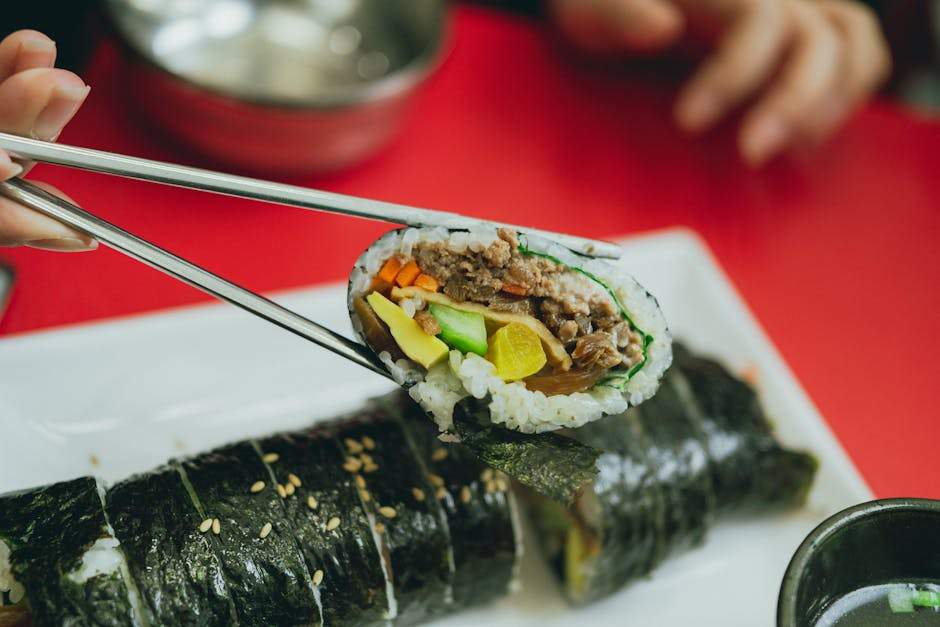
- Hallyu’s impact, particularly K-dramas, has been instrumental in introducing Korean dishes to a mainstream audience, leading to a surge in demand for accessible options like instant tteokbokki and kimchi.
- Meanwhile, a focused effort by culinary innovators to elevate Korean cuisine on the global fine dining stage is securing its reputation beyond pop culture trends, fostering sustained interest and premium market growth.
- The upcoming catalyst involves how Korean food brands leverage both celebrity endorsements from actors like Park Ji-hoon and collaborations with Michelin-starred chefs to unify and strengthen their global marketing strategies.
[TOC_PLACEHOLDER]
How does Korean cuisine truly capture the world’s palate? The global rise of Korean food isn’t a singular phenomenon; it’s a dynamic interplay between two powerful, often distinct, forces: the broad, captivating reach of pop culture and the focused, discerning craft of culinary professionals. This analysis dissects the strategies and impacts of these two drivers, examining which path might lead to more sustainable global influence.
The Setup: Why This Matchup Matters Now
What Changed to Make This Comparison Relevant
A pivotal shift occurred with the undeniable global penetration of Hallyu, or the Korean Wave, transforming niche cultural appreciation into mass market demand. Shows featuring actors like Park Ji-hoon in upcoming dramas such as “The Legend of Kitchen Soldier,” as reported by Dramabeans.com, seamlessly integrate Korean food into compelling narratives, making dishes like kimchi jjigae and bulgogi aspirational. This organic product placement generates a kind of soft power marketing that traditional culinary campaigns couldn’t achieve alone.
What’s Actually at Stake
The prize is substantial: the global Korean food market currently hovers around an estimated $18.5 billion, with projections suggesting a compound annual growth rate (CAGR) of 11% over the next five years. This isn’t just about selling more ramen; it’s about securing cultural relevance and economic value, influencing global consumer trends, and establishing Korea as a culinary powerhouse on par with historical giants like France or Italy. The stakes involve market share for food exports, tourism revenue, and cultural prestige.
Round 1: Scale, Resources & Market Position
Player A — Hallyu’s Culinary Amplifier: Strengths & Numbers
The Hallyu effect, fueled by K-dramas, K-Pop, and mukbang content, boasts unparalleled reach. Over 200 million global viewers annually consume Korean dramas through platforms like Netflix, where food scenes often become talking points. This exposure translates directly into demand for accessible products; for instance, exports of Korean instant noodles surged by nearly 25% to reach $1.2 billion in a recent year, making them a staple in households far beyond traditional Asian markets.
This broad appeal creates a massive entry point for consumers unfamiliar with Korean cuisine, often starting with popular items like kimchi, tteokbokki, and ramyeon. The sheer volume of content and celebrity endorsements, such as those by actor Park Ji-hoon who is currently filming “The Legend of Kitchen Soldier” according to Soompi, provides a consistent, high-visibility platform that bypasses traditional advertising channels. It’s an organic, culturally embedded marketing machine that consistently introduces new dishes to a global audience.
Player B — The Culinary Craft: Strengths & Numbers
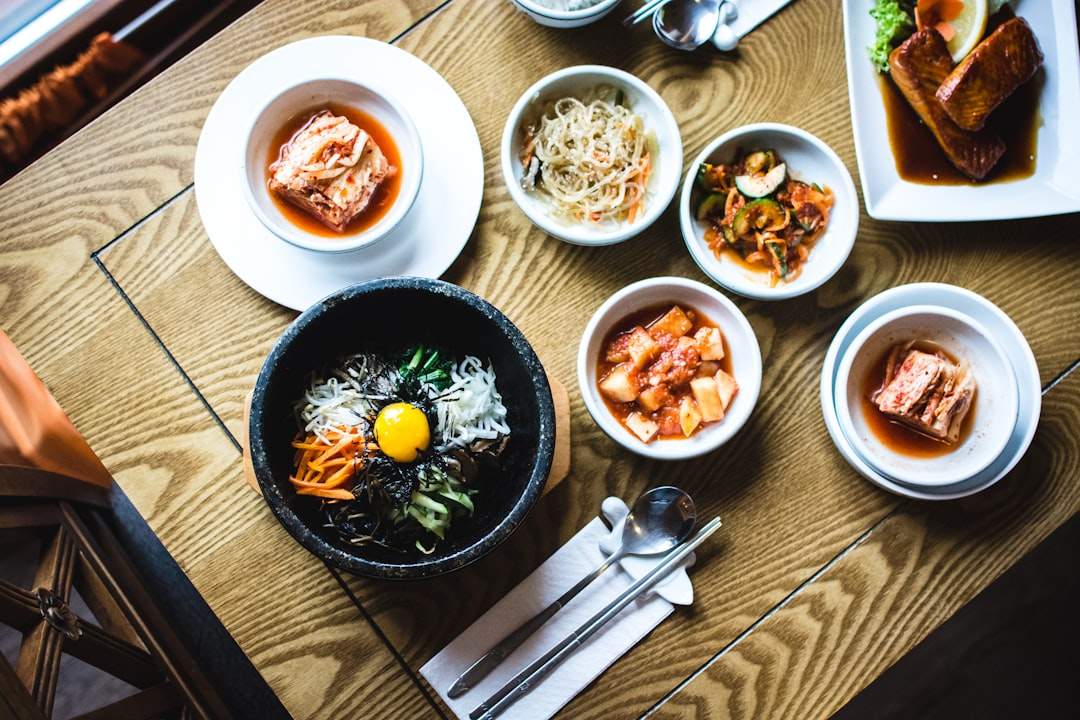
The culinary craft movement operates with precision, leveraging the expertise of Michelin-starred chefs and high-end restaurateurs to elevate Korean food’s perception. In Seoul alone, over 30 restaurants hold Michelin stars, attracting discerning diners and global food critics, cementing Korea’s status as a serious gastronomic destination. These establishments often reinterpret traditional dishes with modern techniques, showcasing the depth and sophistication of Korean flavors beyond their spicy reputation.
This segment focuses on quality ingredients, authentic preparation, and curated dining experiences, appealing to a different demographic. While smaller in immediate numerical reach compared to Hallyu, its influence on trendsetting and premium market development is profound. It’s about securing long-term credibility and building a foundation for sustainable culinary tourism and high-value food exports, rather than just chasing immediate viral trends.
Round 2: Innovation Pipeline & Technology Bets
R&D, Patents & Product Roadmap
Hallyu’s innovation pipeline focuses heavily on convenience food and ingredient accessibility. This involves developing shelf-stable versions of popular dishes like tteokbokki kits, instant jjajangmyeon, and even ready-to-eat banchan, often designed for easy preparation in global kitchens. Food technologists in cities like Incheon are constantly refining preservation methods and packaging to ensure authenticity while meeting international food safety standards, sometimes leveraging advanced processing techniques.
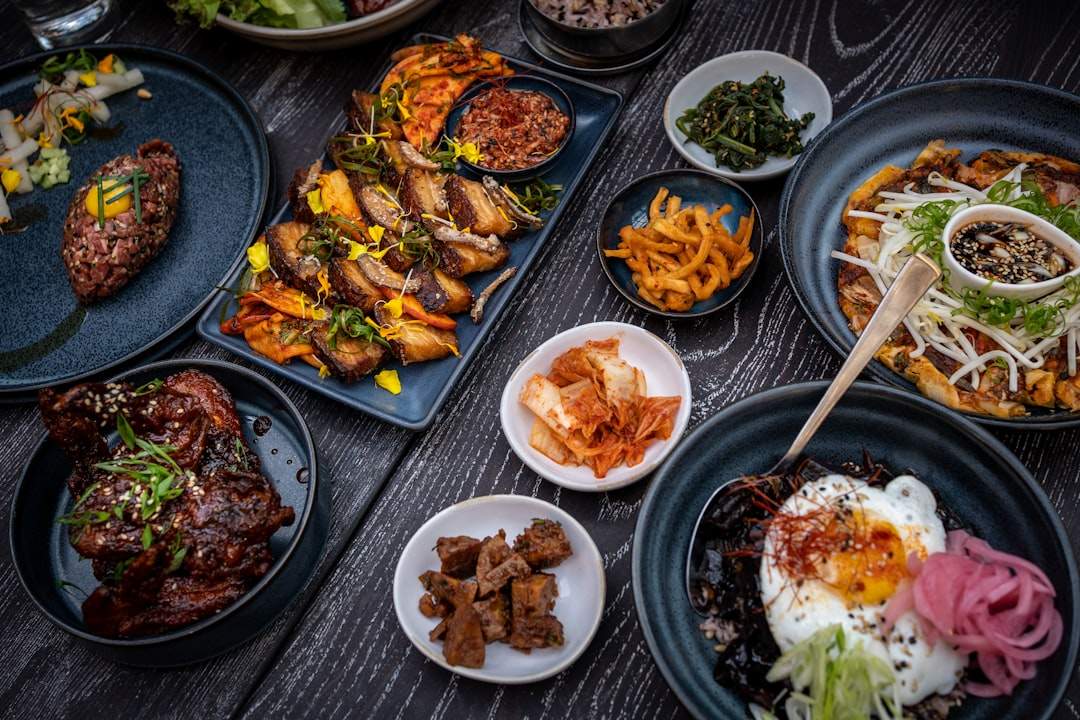
On the culinary craft side, innovation centers around traditional fermentation science, advanced cooking techniques, and the fusion of Korean ingredients with global culinary styles. Chefs experiment with ancient recipes, reinterpreting them with modern plating and unexpected pairings, pushing the boundaries of what Korean food can be. This often involves deep dives into regional specialties, exploring unique ingredients from Jeju Island or Gangwon Province, and presenting them in novel ways.
Partnership & Ecosystem Advantages
Hallyu’s ecosystem thrives on collaborations with global distributors, supermarket chains, and online retailers, making Korean products ubiquitous. Partnerships with major streaming platforms and K-Pop agencies ensure consistent media visibility and celebrity endorsements, reaching millions instantly. This wide network facilitates rapid market penetration and ensures that consumer interest translates into immediate purchases.
The culinary craft, conversely, builds its ecosystem through partnerships with high-end food suppliers, specialized ingredient importers, and culinary institutes. Collaborations with international chefs and participation in prestigious food festivals elevate its profile. It’s a more exclusive, curated network aimed at influencing culinary thought leaders and shaping gourmet trends, often supported by government-backed initiatives promoting Korean food culture.
Round 3: Risks & Shared Vulnerabilities
Both approaches face the shared vulnerability of cultural dilution and the challenge of maintaining authenticity in a globalized market. As Korean food becomes more widespread, there’s a risk that key ingredients are substituted or preparation methods simplified, potentially eroding the distinctiveness that made it appealing in the first place. Another common threat is the intense competition from other Asian cuisines already established in international markets, which can make sustained differentiation difficult.
The rapid spread of information, accelerated by the same digital platforms that fuel Hallyu, also means that negative perceptions or quality control issues can quickly go viral, impacting both mass-market products and high-end establishments. Managing brand image and ensuring consistent quality across diverse global markets remains a significant operational challenge. Furthermore, rising ingredient costs and supply chain disruptions can impact profitability for both packaged goods and premium restaurants.
Verdict: Who Comes Out Ahead?
Neither approach exclusively “wins” the global race; instead, their symbiotic relationship defines the current success of Korean cuisine. Hallyu excels at initiating mass appeal and driving initial trials, making Korean flavors a household name in places like Los Angeles or Paris. Its undeniable strength lies in effortlessly weaving food into entertainment, creating a desire before many consumers even know where to find it.
However, the culinary craft is critical for building long-term credibility, demonstrating the cuisine’s depth, and converting casual interest into lasting appreciation. Without the foundation of high-quality, innovative fine dining, Hallyu’s influence might remain superficial, a passing trend rather than a permanent fixture on the global culinary map. The true victory lies in their combined impact, ensuring both accessibility and elevated prestige.
FAQ
A1. The impact is significant. Exports of agricultural and fishery products from Korea, heavily influenced by Hallyu, topped $10 billion in a recent year, marking a substantial increase. This growth reflects not just direct food sales but also a broader cultural appeal for Korean products worldwide.
A2. For truly enduring global standing, the culinary craft holds greater long-term potential because it establishes a reputation for quality, innovation, and authenticity that transcends fleeting trends. While Hallyu opens doors, the meticulous work of chefs and food scientists ensures that Korean cuisine is respected for its inherent culinary value. This dual strategy is also seen in other tech sectors, such as AI innovation in Korea, where accessibility meets advanced research.

Hi, I’m Dokyung, a Seoul-based tech and economy enthusiast. South Korea is at the forefront of global innovation—from cutting-edge semiconductors to next-gen defense technology. My mission is to translate these complex industry shifts into clear, actionable insights and everyday magic for global readers and investors.