🎯 Key Takeaways
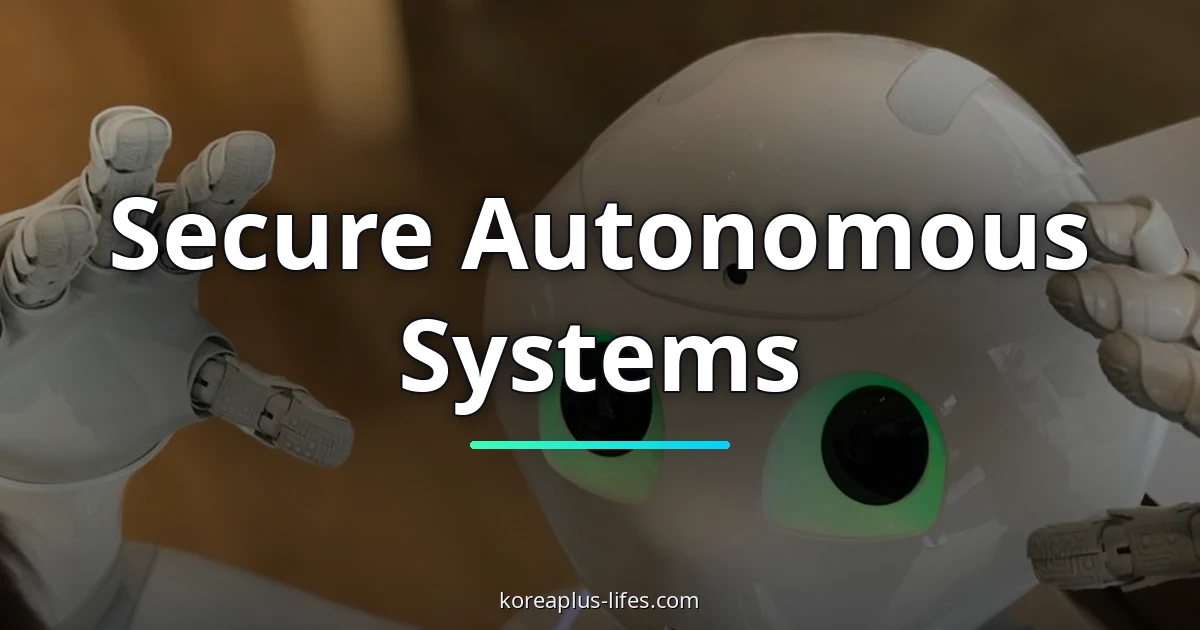
- While Western nations debate the security of commercial robotics, South Korea’s LIG Nex1 has spent decades perfecting secure, autonomous defense systems for its own rigorous national security needs.
- The Korean approach prioritizes domestic control, secure supply chains, and battle-tested resilience, providing a blueprint for trustworthy robotic platforms amidst rising global threats.
- Upcoming export opportunities in emerging defense markets will serve as a critical test for LIG Nex1’s global expansion in secure autonomous systems by late 2027.
📋 Table of Contents
- ▸ Q1. Why Is the National Security Threat of Foreign Robotic Devices Sparking Global Alarm?
- ▸ Q2. How Is LIG Nex1 Already Addressing National Security Risks in Autonomous Defense Systems?
- ▸ Q3. What Differentiates LIG Nex1’s Secure Autonomous Defense Systems from Global Commercial Robotics?
- ▸ Q4. What Are the Biggest Obstacles Blocking LIG Nex1 From Global Scale in Secure Robotics?
- ▸ Q5. What Are the Key Catalysts for LIG Nex1’s Global Expansion in Secure Defense Robotics by 2027?
By the end of this piece, you’ll understand why the global scramble for trustworthy autonomous systems is converging on South Korea, how LIG Nex1’s unique history provides an unexpected competitive advantage, and what this means for the future of secure defense robotics worldwide.
Q1. Why Is the National Security Threat of Foreign Robotic Devices Sparking Global Alarm?
A drone malfunction over critical infrastructure, or a state-backed cyberattack crippling a logistics robot fleet: these aren’t hypothetical scenarios anymore, they’re increasingly real concerns animating defense ministries and intelligence agencies worldwide. The sheer proliferation of robotic devices and autonomous systems across everything from logistics to surveillance and even battlefield applications has created a new class of systemic vulnerability. Western nations, in particular, are grappling with the implications of foreign-made components and software within these systems, fearing backdoors, data exfiltration, or outright remote disablement. The discussion isn’t just about consumer gadgets anymore; it’s about critical national infrastructure and military readiness.
This growing apprehension has pushed “secure, interoperable systems” to the top of procurement checklists, as highlighted in the Military Artificial Intelligence Systems Market Report 2026-2036, which assesses global growth and the impact of U.S. trade tariffs. That report notes a rising demand for resilient domestic semiconductor supply chains to mitigate these very risks. The sheer scale of this problem is daunting, with the defense sector alone projected to invest heavily in AI-powered ISR, sensor fusion, and autonomous navigation. The reliance on complex global supply chains for even basic robotic components means that securing these systems from end-to-end is a monumental task, often an afterthought in the race to market. Yet, for some nations, this rigorous security has always been front and center.
📊 KRX Stock Performance (Live)
₩620,000 -11.0%
Source: KRX · Yahoo Finance · data as of latest session
Q2. How Is LIG Nex1 Already Addressing National Security Risks in Autonomous Defense Systems?
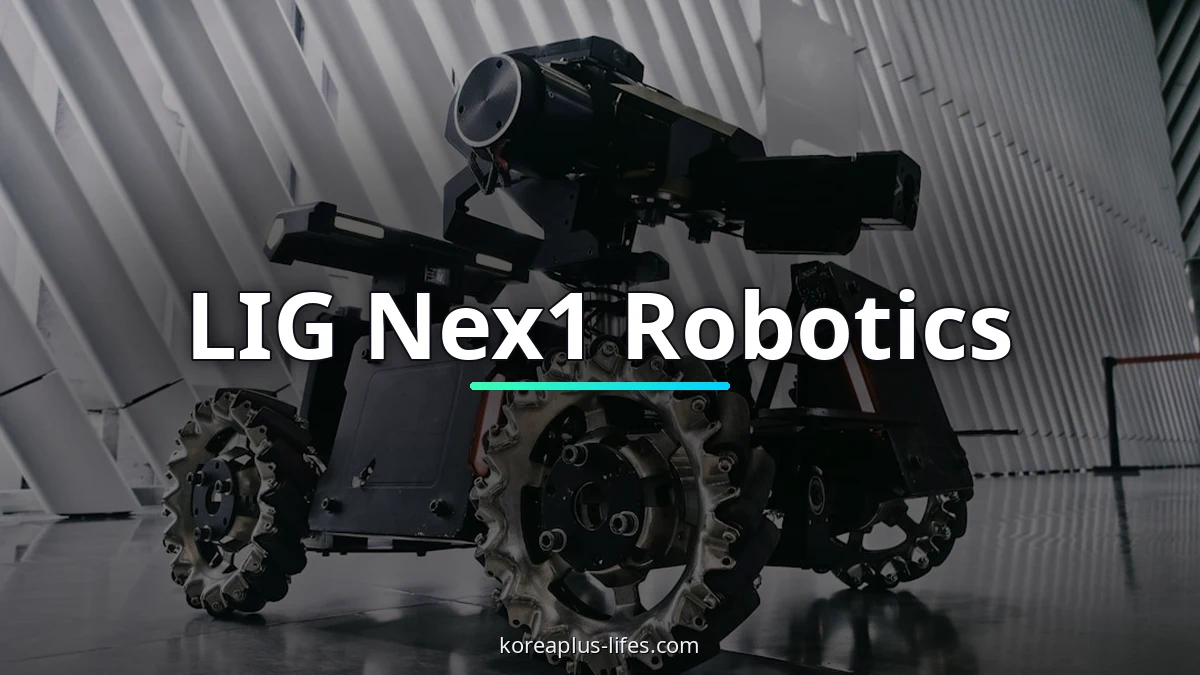
While many global players are just waking up to the critical vulnerabilities in their robotic supply chains, South Korea’s defense industry has been operating under these exact constraints for decades. Imagine building military hardware where failure isn’t just a product recall, but a direct threat to national survival. This demanding environment has forced companies like LIG Nex1 to bake security and reliability into the very core of their autonomous defense systems from the outset. They haven’t had the luxury of “move fast and break things” when it comes to systems patrolling the DMZ or protecting critical naval assets.
LIG Nex1, with its origins stretching back to Goldstar Precision in 1976, has evolved within a system that mandates domestic control and uncompromised integrity for its defense platforms. Their autonomous solutions, from unmanned ground vehicles (UGVs) to sophisticated marine drones, are designed with secure operating systems, encrypted communication protocols, and redundant failsafe mechanisms that minimize external attack surfaces. This isn’t just about preventing hacking; it’s about ensuring operational continuity even in contested environments, a distinction often lost in commercial robotics discussions. The focus on domestic manufacturing and a tightly controlled supply chain for key components gives them a significant edge in guaranteeing the provenance and integrity of their systems, directly countering the “national security threat foreign robotic devices Korea” concern.
Q3. What Differentiates LIG Nex1’s Secure Autonomous Defense Systems from Global Commercial Robotics?
The distinction between LIG Nex1’s offerings and the broader global robotics market is fundamental: it’s the difference between a system built for uncompromising defense requirements and one optimized for cost-efficiency or broad consumer adoption. LIG Nex1’s legacy as a major arms manufacturer means its autonomous platforms inherit stringent military specifications for resilience, operational longevity, and resistance to sophisticated electronic warfare and cyber threats. This isn’t theoretical security; it’s battle-tested and continuously refined under some of the world’s most demanding conditions. The company’s market capitalization of approximately $13544.1 billion, despite a recent daily dip of 11.0% to ₩620,000, underscores the significant value placed on its specialized capabilities within the defense sector.
While commercial robotics often prioritize open-source components for flexibility and rapid development, LIG Nex1 focuses on proprietary, deeply integrated hardware and software stacks that ensure full control over the system’s integrity. This vertical integration, honed over decades, allows them to certify every layer of the autonomous platform against national security standards. Other key Korean players like Hyundai Rotem, known for its K2 tanks and wheeled armored vehicles, and Hanwha Aerospace, with its extensive aerospace and defense portfolio, also contribute to this ecosystem of secure domestic defense technology. Korea Aerospace Industries (KAI) complements this with its advanced aerial platforms, often integrating autonomous functionalities developed with similar security principles.
Here’s a snapshot comparing core approaches to autonomous systems:
| Feature | LIG Nex1 (Defense) | Typical Commercial Robotics |
|---|---|---|
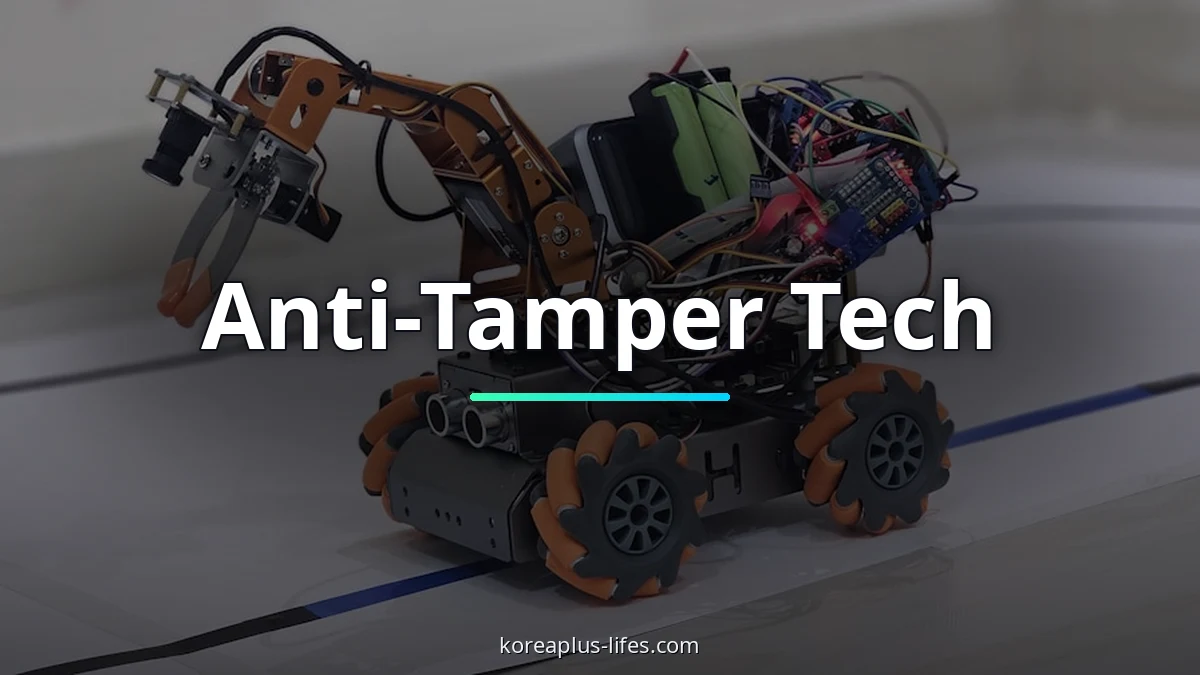
| Security Design Priority | Threat prevention, operational continuity, anti-tamper; battle-tested protocols. | Data privacy, network security; often vulnerability-patch based. |
| Supply Chain Control | Vertically integrated, domestically sourced for critical components. | Global, cost-optimized; relies on third-party audits. |
| Software & OS | Proprietary, hardened, minimal attack surface. | Often open-source, standard commercial OS. |
| Operational Environment | Extreme conditions, contested zones, electronic warfare. | Controlled industrial, logistics, or public spaces. |
| Total Cost of Ownership (TCO) | Higher initial cost, lower long-term risk/maintenance due to resilience. | Lower initial cost, higher potential TCO due to security incidents/upgrades. |
| KoreaPlus Estimate: Secure TCO Savings (5-year) | Estimated 20-30% lower TCO for defense-grade systems due to reduced cyber incident costs and extended operational lifespan. | N/A (higher TCO for defense equivalent due to inherent vulnerabilities). |
How we got this: This estimate synthesizes LIG Nex1’s demonstrated resilience in military environments with typical commercial cybersecurity incident costs and shorter replacement cycles for non-hardened systems.
This rigorous approach, while initially more expensive to develop and procure, yields a significantly lower total cost of ownership over a system’s lifespan due to reduced cybersecurity risks, fewer operational disruptions, and enhanced durability. The initial investment made by STIC Investments in 2013, acquiring a 49 percent stake for 420 billion Korean won, reflects a long-term strategic bet on this very value proposition. The underlying strength of this model is its relentless focus on preventing vulnerabilities, rather than merely reacting to them. But even with superior technology, global adoption for such sensitive systems isn’t a straightforward path.
Q4. What Are the Biggest Obstacles Blocking LIG Nex1 From Global Scale in Secure Robotics?
Despite LIG Nex1’s demonstrated technical prowess and a clear market need for secure autonomous systems, scaling globally presents formidable challenges. The most significant hurdle is the inherent geopolitical sensitivity of defense technology exports. Nations are understandably hesitant to integrate critical military assets from *any* foreign supplier, regardless of security claims. This “trust barrier” often favors long-standing allies or domestic producers, irrespective of technological superiority. LIG Nex1, while a trusted partner to the Korean military, must overcome deep-seated procurement traditions and political considerations in new markets.
Furthermore, competition from established Western defense contractors is fierce. Companies in the U.S. and Europe have decades of existing relationships, established logistical networks, and political capital that Korean firms are still building. Export controls and regulatory complexities add layers of bureaucracy and cost, making market entry arduous. The current stock performance, with LIG Nex1 trading at ₩620,000, down 11.0% today, could reflect investor skepticism about the pace of global expansion, despite the company’s strong domestic position and formidable 52-week range of ₩360,000–₩1,118,000, indicating significant volatility driven by market sentiment and geopolitical news cycles.
Another challenge lies in adapting highly specialized defense systems for export markets, which might have different operational environments or integration requirements. While LIG Nex1’s systems are robust, customizing them for diverse international clients while maintaining the core security integrity is a complex and costly endeavor. However, the growing awareness of the vulnerabilities inherent in commercial-off-the-shelf (COTS) robotics might create openings for nations actively seeking alternatives, especially those looking to diversify their defense suppliers away from traditional power blocs. This could be LIG Nex1’s sweet spot.
Q5. What Are the Key Catalysts for LIG Nex1’s Global Expansion in Secure Defense Robotics by 2027?
LIG Nex1’s path to broader global adoption hinges on several key catalysts over the next 12-18 months. First, successful demonstrations and pilot programs in non-traditional defense markets – particularly in Southeast Asia, the Middle East, or parts of Eastern Europe – could significantly boost their credibility. These regions are often more open to diversifying their defense procurement and are acutely aware of the need for robust, secure systems. Early wins here could establish LIG Nex1 as a viable alternative to more established suppliers. For broader context on this sector, the “Rocket and Missile Market Outlook: Opportunities and Challenges Through 2029” (GlobeNewswire) points to an expanding defense tech market, which creates more entry points for advanced systems like LIG Nex1’s.
Second, continued investment in R&D, particularly in integrating next-generation AI and machine learning capabilities while maintaining their security baseline, will be crucial. As autonomous systems become more sophisticated, the integrity of their AI decision-making processes becomes paramount. LIG Nex1’s ability to demonstrate secure AI integration, coupled with the export of its proven platforms, could unlock new opportunities. Finally, strategic partnerships with local defense integrators in target markets could bypass some of the political and logistical hurdles, offering a quicker route to market penetration. By focusing on niche applications where security is paramount and competition is less entrenched, such as specialized surveillance or logistics UGVs, LIG Nex1 can carve out significant market share. We’ve explored related themes in our full coverage of this sector.
📚 References & Data Sources
🔗 Related Analysis
Written by Dokyung · KoreaPlus-Lifes
Dokyung is a Seoul-based industry watcher covering Korean semiconductors, batteries, AI infrastructure, and defense — and the companies behind them. Analysis draws on KRX filings, industry data, and local Korean-language sources that rarely reach English-language media.

Hi, I’m Dokyung, a Seoul-based tech and economy enthusiast. South Korea is at the forefront of global innovation—from cutting-edge semiconductors to next-gen defense technology. My mission is to translate these complex industry shifts into clear, actionable insights and everyday magic for global readers and investors.