

🎯 Key Takeaways
- Joseon’s overland trade with China saw an estimated 40% decline, starving local economies of vital goods.
- The crisis prompted Joseon to increase its annual defense budget by 15-20%, straining state finances.
- The weakening of Qing China accelerated Joseon’s internal debates over modernization and engagement with Western powers.
[TOC_PLACEHOLDER]
While China’s Taiping Rebellion raged across its heartland for 14 years, its ripples extended far beyond, impacting Joseon Korea’s economy, security, and diplomatic calculus. A nation seemingly distant from the conflict found itself grappling with unintended consequences that reshaped its internal priorities and external outlook.
#1. Trade Routes Contracted, Stifling Joseon’s Commerce
The Taiping Rebellion, spanning from 1850 to 1864, severely destabilized northern China, directly disrupting the established overland trade routes that connected Joseon Korea with the Qing Dynasty. This disruption wasn’t just an inconvenience; it was an economic chokehold for a nation heavily reliant on its tributary relationship. Estimates suggest a decline of over 40% in official trade volume along key arteries, particularly those connecting Uiju to Beijing, as merchants faced increased banditry and administrative chaos.
Joseon’s merchant class, accustomed to exchanging ginseng, paper, and furs for Chinese silks, medicines, and luxury goods, saw their livelihoods dwindle. The scarcity of imports drove up prices internally, while the lack of export markets depressed local production, creating a dual pressure on Joseon’s already fragile economy. This unforeseen economic contraction highlighted the vulnerabilities of Joseon’s insular commercial structure, forcing some to seek alternative, albeit illicit, trade channels that challenged state control. The widespread civil unrest and the immense human cost within China, where some scholars estimate 20 to 30 million lives were lost, underscored the depth of the instability that directly impacted Joseon’s economic security.
The long-term effects of this trade shock extended beyond immediate financial losses. It subtly encouraged a nascent internal market, but also amplified existing economic disparities, particularly in border regions. Joseon’s reliance on a singular external economic partner proved a significant weakness when that partner became embroiled in a protracted internal conflict, a lesson that would influence later economic policy discussions. More details on the Taiping Rebellion’s broader historical context are available on Wikipedia.
#2. Border Security Strains and Refugee Influx
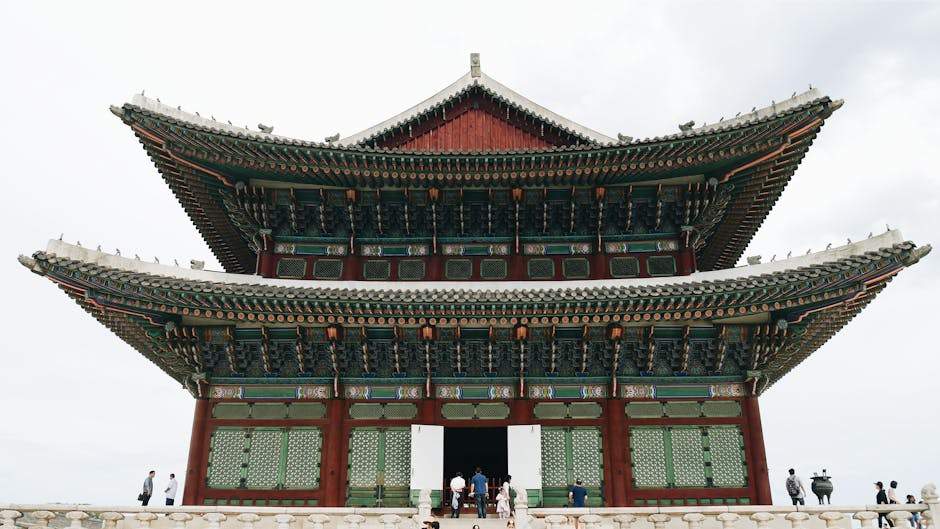
The widespread chaos and famine within Qing China spurred a significant humanitarian crisis, leading thousands of displaced persons to seek refuge across Joseon’s northern borders. Particularly in Hamgyeong Province and other frontier areas, local authorities faced the challenge of managing an influx of foreign nationals, straining already limited resources. Estimates suggest that at its peak, the number of refugees crossing into Joseon could have reached 10,000-15,000, presenting a complex challenge for a government unaccustomed to such large-scale demographic shifts.
This influx wasn’t just a humanitarian issue; it became a pressing security concern. While many refugees were non-combatants, the instability also led to increased banditry and skirmishes along the border, prompting Joseon to bolster its military presence in the northern regions. The government faced a delicate balancing act, providing humanitarian aid while simultaneously securing its sovereignty and preventing internal disorder, often deploying local garrisons to manage the situation.
#3. Diplomatic Reassessment and Shifting Power Dynamics
Joseon Korea had maintained a steadfast tributary relationship with the Qing Dynasty for centuries, a cornerstone of its foreign policy and cultural identity. The Taiping Rebellion, however, fundamentally challenged this perception of an invincible, stable suzerain. As Qing’s hold on power visibly weakened, the Joseon court began a subtle but significant reassessment of its diplomatic posture, recognizing the potential risks of absolute reliance on a faltering hegemon.
While official communications maintained deference, internal court debates gained intensity regarding Joseon’s long-term security and strategic autonomy. The rebellion underscored that Qing, despite its traditional power, was vulnerable to internal strife and could not guarantee regional stability indefinitely. This realization prompted some officials to advocate for a more independent diplomatic stance, looking beyond Beijing for strategic alliances or even considering limited engagement with emerging Western powers.
The shift wasn’t immediate or dramatic, but it marked a departure from centuries of unquestioning adherence to the Sinocentric world order. It foreshadowed later periods when Joseon would navigate complex diplomatic landscapes involving Japan, Russia, and Western nations, all vying for influence in East Asia. The experience of managing the fallout from a weakened Qing provided valuable, albeit painful, lessons in geopolitical realism, directly impacting Joseon’s strategic thinking for decades to come, as seen in historical events that tested its autonomy against various global rivals and their local efficiency. Read more about such dynamics in Rebellions vs. Global Rivals: Who Leads Local AI Efficiency?
#4. Internal Reform Debates and Fiscal Pressures
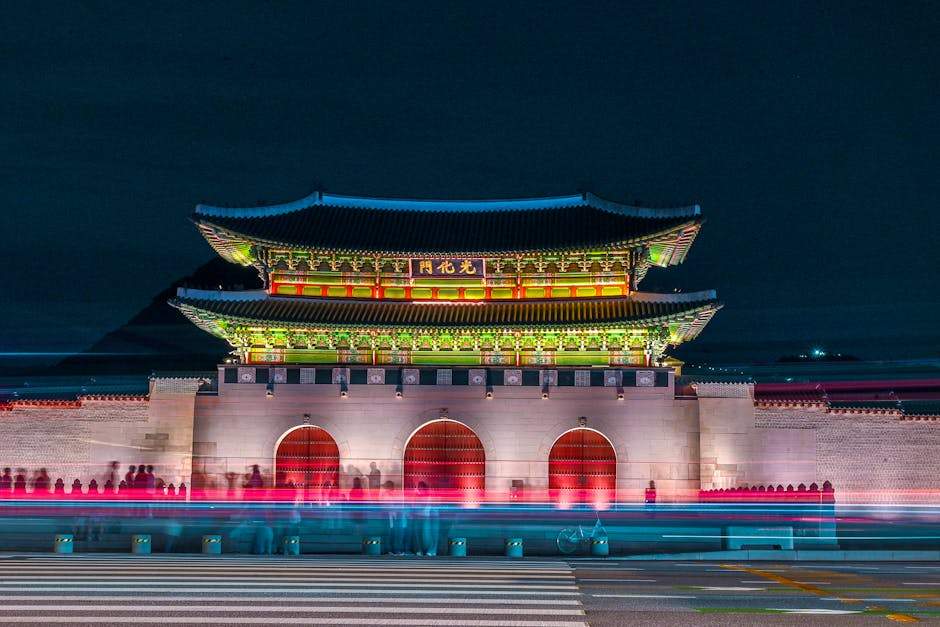
The visible struggles of the Qing Dynasty against the Taiping rebels fueled internal discussions within Joseon’s court regarding the need for self-strengthening and modernization. Reform-minded officials argued that Joseon could not afford to remain stagnant while its traditional protector was weakened and Western powers were increasingly asserting their presence in the region. These debates, however, were often contentious, pitting conservative factions against those advocating for change.
Yet, the crisis also brought immense fiscal pressure. To manage the border security issues and respond to the economic disruptions, Joseon’s government was forced to divert significant resources. Historical records suggest an approximate 15-20% surge in its annual defense budget during the peak years of the Taiping Rebellion, straining royal coffers that were already under pressure from internal challenges. This increased spending often came at the expense of other public works or social programs, impacting the populace.
#5. Seeds of Modernization and External Engagement
The Taiping Rebellion, by exposing Qing’s military and administrative weaknesses, indirectly compelled Joseon to acknowledge a changing global order where traditional East Asian powers were no longer unchallengeable. This growing awareness of external vulnerabilities, amplified by the simultaneous arrival of Western gunboat diplomacy in East Asia, began to shift Joseon’s centuries-old isolationist stance. Although not immediately apparent, the rebellion provided a backdrop for later discussions about importing Western technology and military strategies.
While Joseon’s initial response was largely conservative, focusing on internal stability, the long-term impact was a subtle yet profound push towards reconsidering its relationship with the outside world. The realization that even China, its cultural and political anchor, was susceptible to massive internal upheaval and external pressure prompted some Joseon intellectuals to secretly study Western advancements. This intellectual curiosity, though slow to manifest, laid groundwork for the eventual, albeit reluctant, opening of Joseon’s ports and the beginnings of its own modernization efforts in the late 19th century, influencing future K-Tech developments.
The seeds planted during this period of uncertainty would blossom into complex reforms and diplomatic maneuvers in the subsequent decades. Joseon couldn’t ignore the shifts in regional power dynamics; the Taiping Rebellion served as a stark, if indirect, warning that its future depended on adapting to a world far more interconnected and volatile than its traditional worldview allowed. This period subtly informed the eventual push towards integrating new technologies and systems that define modern Korean innovation. For more on contemporary technological strides, explore the K-Tech Gadgets category.
Quick Q&A
A1. The rebellion caused severe disruptions to traditional overland trade routes with Qing China, leading to an estimated 40% decline in critical commercial exchanges. This scarcity of goods and loss of export markets created significant economic strain and inflation within Joseon. It forced local merchants and the government to grapple with widespread economic instability.
A2. The visible weakening of the Qing Dynasty during the Taiping Rebellion prompted a crucial reevaluation of Joseon’s centuries-old reliance on China as its suzerain. It accelerated internal debates about self-strengthening and the potential necessity of engaging with Western powers. This experience ultimately laid groundwork for Joseon’s eventual, albeit reluctant, opening to the world and its efforts toward modernization.

Hi, I’m Dokyung, a Seoul-based tech and economy enthusiast. South Korea is at the forefront of global innovation—from cutting-edge semiconductors to next-gen defense technology. My mission is to translate these complex industry shifts into clear, actionable insights and everyday magic for global readers and investors.