
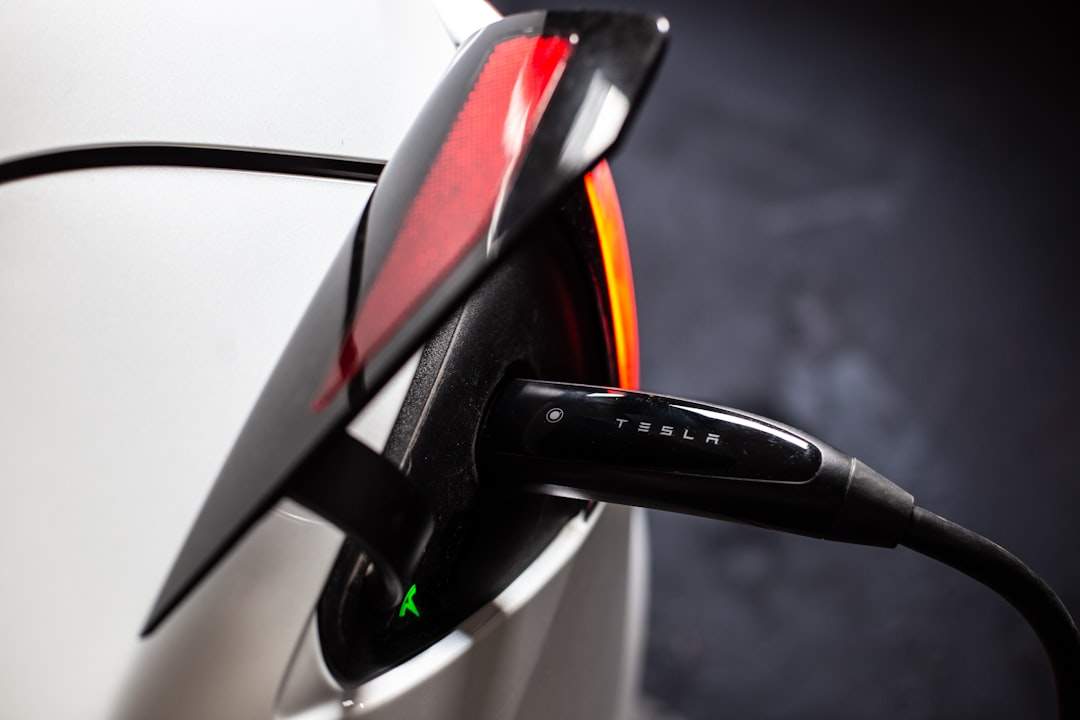
The pace of electric vehicle adoption and the underlying battery technology feels like a relentless sprint, often leaving the market struggling to differentiate genuine breakthroughs from mere incremental improvements. For investors and tech watchers, understanding the foundational players is paramount, especially when a company like LG Energy Solution (LGES) sits at the nexus of global EV battery innovation.
In Seoul, where LGES is headquartered, the company’s influence extends far beyond the domestic market. Its current stock price of ₩472,000, up 2.5% today, reflects a market that’s keenly watching its moves, especially considering its 52-week range stretched from ₩266,000 to ₩527,000, indicating significant volatility and growth potential.
#1. Dominating High-Nickel Cathode Chemistry for Longer Range
LG Energy Solution has cemented its position as a leader in high-nickel cathode materials, particularly Nickel Cobalt Manganese (NCM) and Nickel Cobalt Manganese Aluminum (NCMA) chemistries. This focus isn’t accidental; it’s a direct response to the market’s insatiable demand for electric vehicles with extended driving ranges, a critical factor in consumer adoption. By increasing the nickel content in their cathodes, LGES batteries can store more energy per unit of weight, directly translating into more miles on a single charge.
This pursuit of higher energy density isn’t without its engineering challenges, notably thermal stability and cycle life. However, LGES has invested heavily in proprietary cell design and manufacturing processes to mitigate these issues, allowing them to supply a broad portfolio of automakers with competitive products. Their ability to consistently deliver high-performance, high-nickel batteries underscores why they remain a go-to supplier for many premium EV brands globally.
Such advanced battery technology is fundamental to future mobility solutions Korea is championing, not just for passenger cars but for heavier commercial vehicles and even nascent air mobility platforms requiring robust energy storage. The push for performance is relentless.
📊 KRX Stock Performance (Live)
₩472,000 +2.5%
Source: KRX · Yahoo Finance · data as of latest session
#2. Pioneering Next-Generation Battery Architectures and Materials
Beyond incremental improvements in existing chemistries, LGES is deeply invested in revolutionary battery architectures and materials. This includes significant R&D into solid-state batteries, which promise higher energy density, faster charging, and enhanced safety compared to conventional liquid electrolyte cells. While mass production remains years away, their consistent progress in pilot lines and material development indicates a strategic long-term play.
The company is also exploring advanced anode materials like silicon, which can drastically increase energy density compared to traditional graphite anodes. Silicon’s capacity to absorb more lithium ions translates directly into smaller, lighter battery packs for the same energy output, or significantly longer range for the same size. These innovations are crucial for maintaining a competitive edge as the EV battery innovation race intensifies, with rivals like Samsung SDI also pouring resources into similar areas.
A recent paper highlighted in Nature.com, “Challenges and prospects of 2D electronics for future monolithic complementary field-effect transistors,” points to the broader industry’s interest in novel material science. While not directly about batteries, this research into 2D semiconductors exemplifies the kind of foundational material science LGES and others are scrutinizing for breakthroughs that could eventually cascade into battery electrode advancements, pushing the boundaries of what’s possible in energy storage.
#3. Expanding Beyond EVs into Diverse Mobility and Energy Storage Systems
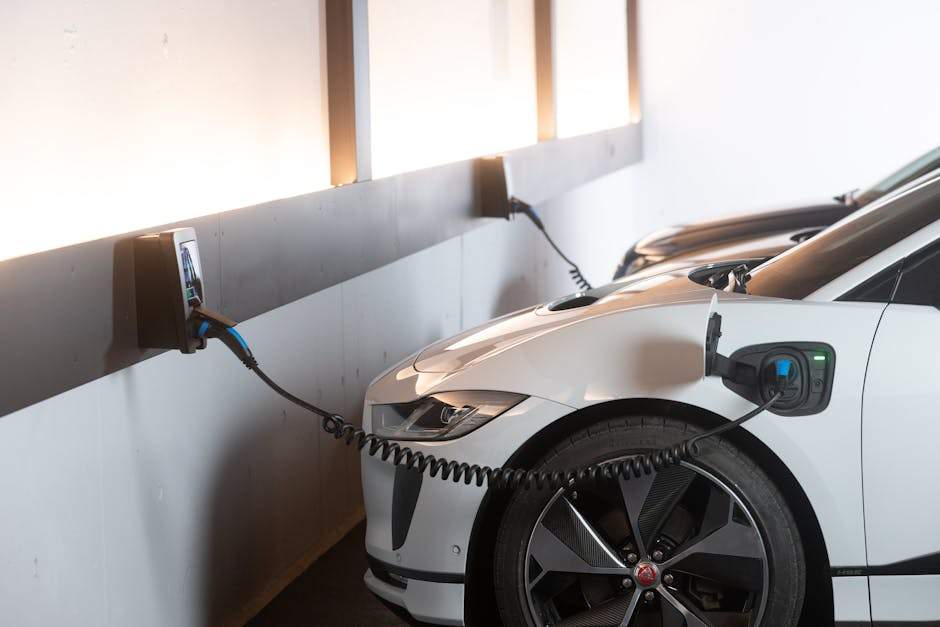
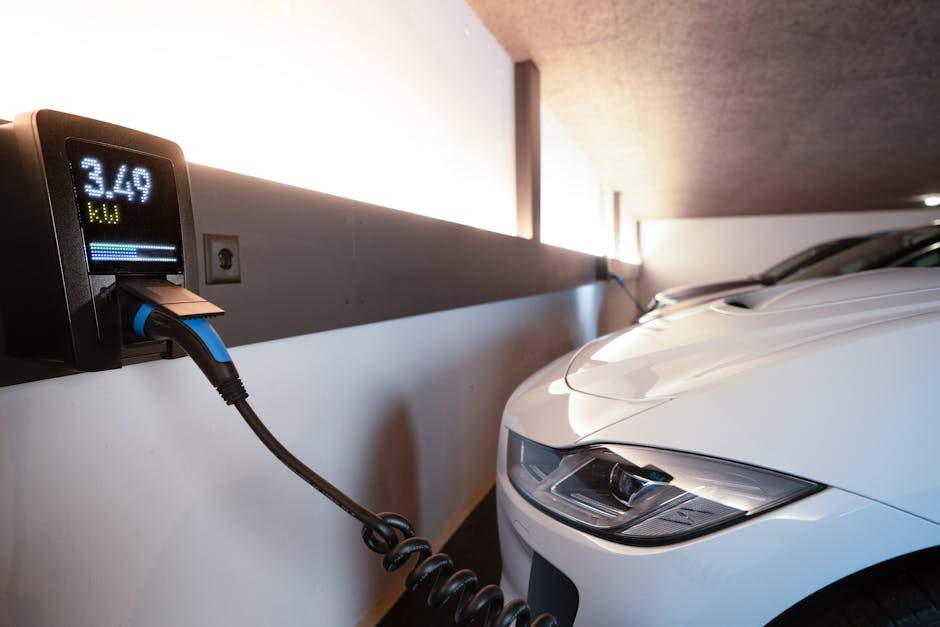
While electric vehicles remain the primary growth driver, LGES is strategically diversifying its reach into other critical sectors of future mobility and energy infrastructure. This includes robust investments in Energy Storage Systems (ESS), which are vital for grid stability, renewable energy integration, and supporting the charging infrastructure for the very EVs they power. Their ESS solutions range from residential setups to large-scale utility projects, providing crucial flexibility to power grids.
Furthermore, the company is exploring specialized battery applications for urban air mobility (UAM) and other advanced transportation platforms. These emerging sectors demand extremely lightweight, high-power-density batteries with exceptional safety records, pushing battery engineering to new limits. LGES’s expertise in developing custom cell designs positions it well to capture these niche, high-value markets.
This expansion isn’t just about selling more batteries; it’s about building an integrated ecosystem where battery technology underpins multiple facets of energy and transportation. Companies like Ecopro BM, a key supplier of cathode materials, play an integral role in this broader ecosystem, demonstrating how Korean firms are collaborating to boost overall K-Battery performance across various applications. You can learn more about their advancements in Ecopro BM’s Cathode Tech Explained.
#4. Navigating Supply Chain Volatility and Intense Competition
Despite LGES’s strong technological footing, the company operates within a highly volatile global supply chain, particularly concerning critical raw materials like lithium, nickel, and cobalt. Geopolitical tensions and concentrated mining sources mean that securing stable, ethical, and cost-effective material supplies remains a constant challenge. Fluctuations in commodity prices can significantly impact production costs and, subsequently, profit margins, making long-term supply agreements and strategic investments in mining operations paramount.
Moreover, the competitive landscape is intensifying dramatically. While LGES leads in many segments, they face fierce rivalry not only from domestic players like Samsung SDI but also from rapidly expanding Chinese manufacturers such as CATL and BYD, who often benefit from robust government support and integrated raw material supply chains. The current USD/KRW exchange rate at 1476.47 also presents a dynamic challenge for Korean exporters, influencing the cost of imported raw materials and the competitiveness of exports.
Maintaining market share against such aggressive competitors requires not just innovation but also relentless operational efficiency and a willingness to adapt pricing strategies. The threat of oversupply in certain battery segments or a slowdown in global EV demand, potentially influenced by macroeconomic factors like the US Fed Funds Rate currently at 3.64, could further squeeze margins, even for a market leader. It’s a tightrope walk between expansion and profitability.
#5. Forging Strategic Global Partnerships and Production Hubs
LG Energy Solution’s strategy isn’t confined to its labs in Daejeon or its headquarters in Seoul; it’s a global blueprint centered on strategic partnerships and localized production. The company has established numerous joint ventures with major automakers across North America, Europe, and Asia, ensuring dedicated supply lines and collaborative R&D tailored to specific regional market needs. These alliances, often involving multi-billion-dollar investments, are critical for de-risking capital expenditure and spreading technological expertise.
By building factories in key regions, LGES not only mitigates trade barriers and logistical complexities but also qualifies for local incentives and subsidies, particularly in the United States and Europe where governments are keen to foster domestic battery production. This distributed manufacturing approach makes LGES a more resilient and responsive supplier, capable of adapting to regional demand shifts and regulatory environments. For instance, their presence in regions like Michigan or Poland demonstrates a clear commitment to localized supply chains for major OEMs.
These partnerships extend beyond just cell manufacturing to include collaborations with component suppliers and recycling firms, building out a more circular economy for batteries. This holistic approach to the supply chain and production network is fundamental to LG Energy Solution’s long-term dominance in the global EV battery innovation landscape, allowing them to remain agile in a rapidly evolving market.
Quick Q&A
A1. Both LGES and Samsung SDI are global leaders in EV battery innovation, often competing directly on high-nickel NCM/NCMA chemistries and next-generation technologies like solid-state batteries. While LGES boasts a larger market share in EV batteries due to extensive OEM partnerships, Samsung SDI is noted for its strong position in specialized applications and its focus on prismatic cell formats. The competition is fierce, driving both companies to push the boundaries of energy density and safety, contributing significantly to future mobility solutions Korea offers.
A2. LGES is a cornerstone of Korea’s advanced manufacturing and tech ecosystem, driving innovation not just in batteries but also influencing related sectors like materials science, automation, and smart factory technologies. Its immense scale and R&D budget attract top engineering talent and foster a vibrant supplier network, including companies like Ecopro BM for cathodes and Hyundai Mobis for integrated EV components. This synergy positions Korea as a global powerhouse in critical clean energy technologies. For more insights into the broader tech trends, explore our K-Tech & Gadgets category.

Hi, I’m Dokyung, a Seoul-based tech and economy enthusiast. South Korea is at the forefront of global innovation—from cutting-edge semiconductors to next-gen defense technology. My mission is to translate these complex industry shifts into clear, actionable insights and everyday magic for global readers and investors.