
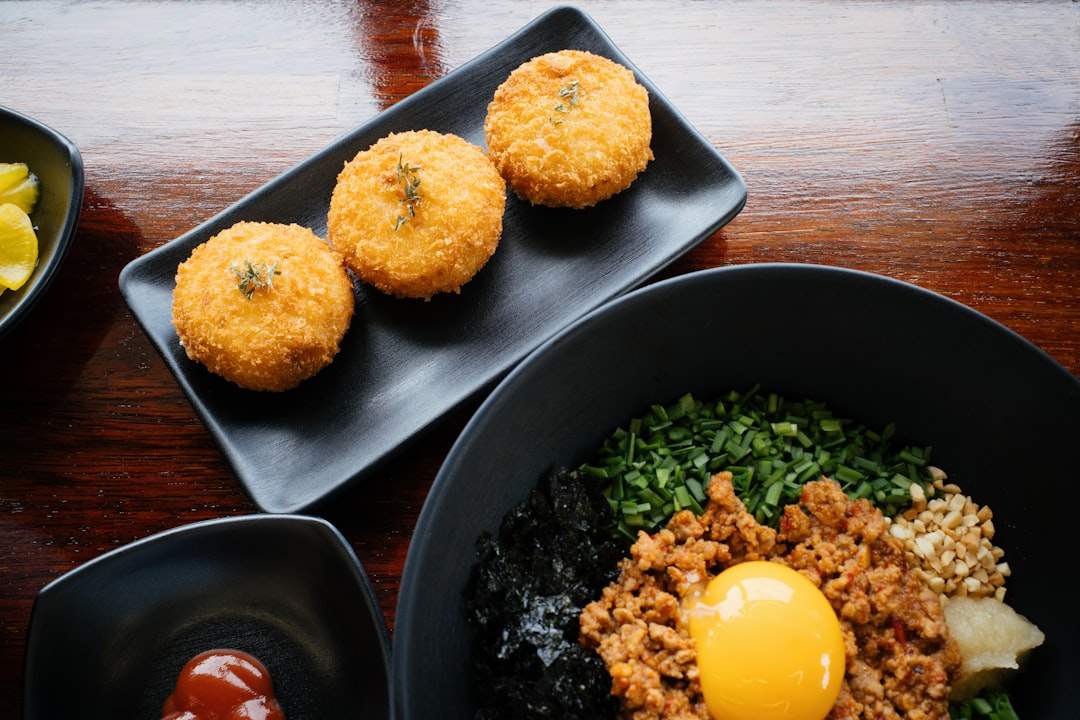
⚡ The 30-Second Summary
- The global market for Korean food products, driven by the Hallyu wave, expanded by 18% in 2025, reaching an estimated $14.5 billion in export value.
- Key fermented staples like gochujang and kimchi collectively contribute over $2 billion annually to Korea’s food exports, projected for sustained 7% annual growth.
- Innovation in Home Meal Replacements (HMR) and sustainable sourcing practices are set to define the next phase of Korean soul food’s international expansion, with the HMR segment alone growing by 15% year-on-year in 2025.
1. The Current Landscape
Background & Global Context
The global food and beverage market, valued at over $8 trillion, has seen a remarkable surge in demand for international cuisines, with Asian flavors leading much of this growth. Within this dynamic landscape, Korean cuisine has emerged as a significant player, transitioning from niche appeal to mainstream popularity across continents. This expansion is largely attributed to the widespread influence of the Hallyu wave, encompassing K-Pop, K-dramas, and Korean beauty trends, which have introduced global audiences to Korea’s rich cultural tapestry, including its distinctive culinary heritage. The export value of Korean agricultural and food products, including processed foods, recorded a notable increase, reaching approximately $14.5 billion in 2025, reflecting a consistent growth trajectory for several years. For further insight into global food market trends, consult reports from leading financial news outlets such as Reuters, which frequently cover market valuations and consumer preferences.
Korea’s Specific Position
Korean soul food occupies a unique space within this global culinary expansion, distinguished by its emphasis on fermented ingredients, bold flavors, and a profound connection to communal dining. Unlike many other cuisines that prioritize individual dishes, Korean soul food often centers on a shared experience, with various banchan (side dishes) complementing a main course. This cultural aspect resonates strongly with consumers seeking authenticity and a deeper understanding of food traditions. The robust network of Korean restaurants worldwide, estimated at over 30,000 establishments as of early 2026, serves as a primary ambassador for these comforting flavors, driving both direct consumption and interest in Korean ingredients for home cooking.
Supporting Detail: The Essence of Comfort
The concept of “soul food” in Korea transcends mere sustenance; it embodies a sense of warmth, nostalgia, and emotional connection often linked to family and home-cooked meals. Dishes are frequently prepared with a philosophy known as “son-mat,” or “hand taste,” implying a unique, irreplaceable flavor imparted by the cook’s personal touch and care. This intangible quality fosters a deep emotional bond, making these dishes truly comforting and memorable. Historically, Korea’s challenging past, marked by periods of scarcity and conflict, forged a resilient culinary tradition focused on maximizing flavor and nutrition from available resources, which further cemented the role of these dishes as symbols of endurance and solace.

2. Deep Dive & Insights
Core Analysis: Ingredients and Icons
At the heart of Korean soul food are fundamental ingredients that define its distinct flavor profile. Gochujang, the fermented chili paste, is a cornerstone, offering a complex blend of spicy, sweet, and savory notes that is irreplaceable in many dishes. The global gochujang market is projected to grow at an annual rate of approximately 8% through 2027, driven by its versatility in fusion cuisine and increasing consumer awareness of its umami depth. Kimchi, a fermented vegetable dish, particularly napa cabbage kimchi, serves not just as a side dish but as a cultural icon, rich in probiotics and vitamins, making it a health-conscious choice. Exports of kimchi alone exceeded $160 million in 2025, demonstrating its strong international appeal. Similarly, Doenjang, a fermented soybean paste, provides a deep, earthy flavor base for stews and soups, reflecting centuries of traditional fermentation techniques. Together, these fermented staples underscore Korea’s commitment to healthful and flavorful eating. Iconic dishes such as Kimchi Jjigae (Kimchi Stew), Bibimbap (Mixed Rice), and Samgyeopsal (Grilled Pork Belly) are more than just meals; they are cultural touchstones that drive culinary tourism and contribute significantly to the Korean food industry’s economic output. These dishes, often featured in popular media, serve as accessible entry points for new enthusiasts. Exploring the broader cultural context of Korean cuisine can provide additional perspectives on its global impact, as discussed in various articles on K-Pop and Korean culture.
What This Means Going Forward
The future of Korean soul food is characterized by dynamic trends spanning innovation, convenience, and sustainability. Fusion cuisine continues to gain traction, with chefs globally incorporating Korean ingredients and techniques into diverse culinary traditions, creating dishes like kimchi tacos or gochujang pasta. The Home Meal Replacement (HMR) market in Korea, valued at over $4 billion in 2025 and growing by 15% year-on-year, is rapidly expanding with ready-to-eat versions of classic soul food dishes, catering to busy consumers both domestically and internationally. Furthermore, there is a growing emphasis on sustainable and ethical sourcing of ingredients, particularly for traditional ferments, ensuring the longevity and integrity of Korean culinary heritage. Culinary tourism also remains a significant driver, with an estimated 3.5 million tourists annually citing food as a primary reason for visiting Korea, contributing an estimated $3.5 billion to the economy.
Risk Factor: Balancing Authenticity and Innovation
A key challenge for Korean soul food’s global expansion is the delicate balance between maintaining authenticity and embracing innovation. While fusion dishes attract new audiences, there is a risk of diluting traditional flavors or misrepresenting cultural nuances. Ensuring consistent quality and ingredient supply for traditional fermented products, especially as demand grows, also presents a logistical hurdle. Additionally, educating a global consumer base on the depth and diversity of Korean cuisine beyond popular spicy dishes remains crucial to fostering a deeper appreciation and avoiding oversimplification of its rich culinary heritage.

3. Frequently Asked Questions

Hi, I’m Dokyung, a Seoul-based tech and economy enthusiast. South Korea is at the forefront of global innovation—from cutting-edge semiconductors to next-gen defense technology. My mission is to translate these complex industry shifts into clear, actionable insights and everyday magic for global readers and investors.