
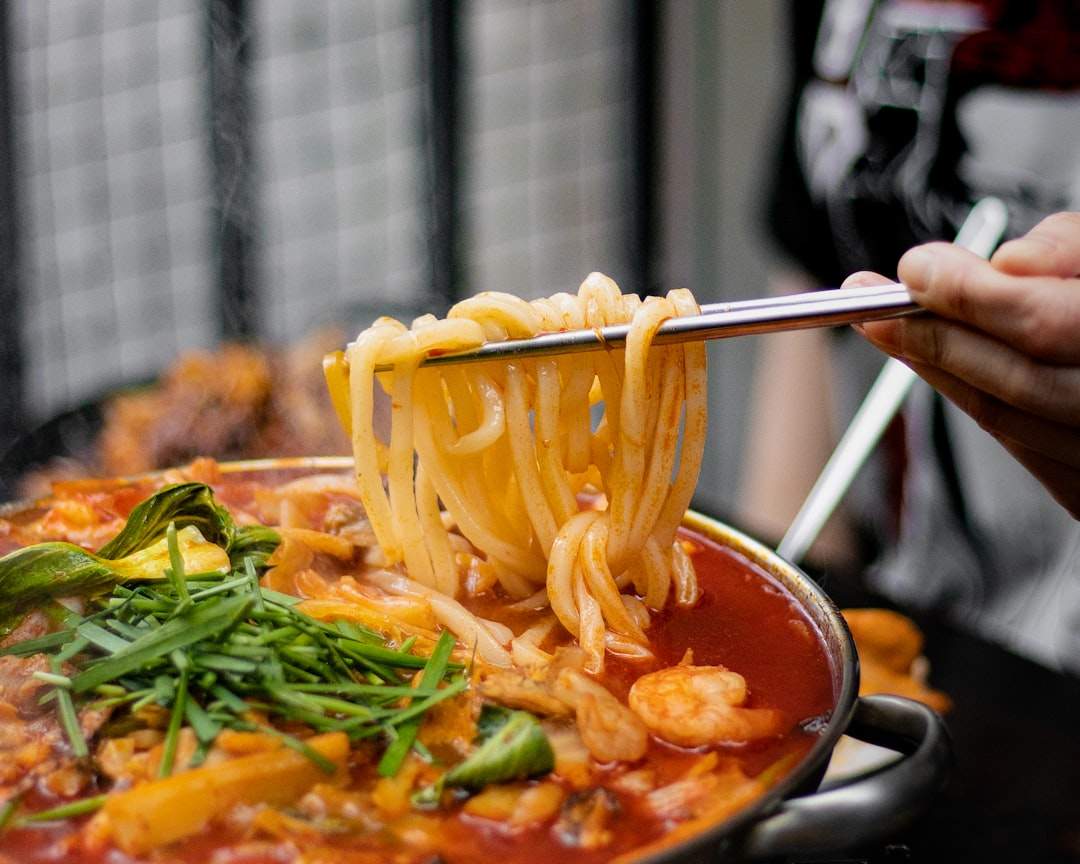
⚡ The 30-Second Summary
- The global market for Korean food products and restaurants is valued at over $18 billion, projected to grow at a 9% CAGR through 2030, driven by cultural influence and health-conscious trends.
- Fermentation-rich staples like kimchi and doenjang contribute significantly to this expansion, with Korean agricultural food exports exceeding $10 billion in recent years.
- Continued innovation in K-food, alongside strategic cultural promotion, is poised to further integrate Korean culinary traditions into mainstream global gastronomy.
1. The Current Landscape
Global Palate Expansion and Market Growth
The global market for Korean food products and restaurants has expanded significantly, reaching an estimated valuation of over $18 billion annually. This sector is projected to grow at a compound annual growth rate (CAGR) of 9% through 2030, reflecting a broad international embrace of Korean culinary traditions.
This expansion is fueled by increasing consumer interest in diverse ethnic cuisines and a growing appreciation for the unique flavors and perceived health benefits of Korean dishes. From bustling metropolitan centers to smaller communities, Korean restaurants are becoming increasingly common, serving as cultural touchpoints worldwide. Global food market analyses consistently highlight the rising prominence of Korean cuisine as a major trendsetter in international gastronomy, affirming its solid growth trajectory. Bloomberg reports on the increasing popularity and influence of Korean food in diverse markets, underscoring its rapid ascent.
Korea’s Culinary Diplomacy and Soft Power
Korean cuisine, often referred to as “K-food,” serves as a powerful instrument of Korea’s soft power, transcending mere sustenance to embody a rich cultural narrative. Its global spread is intricately linked with the broader Hallyu phenomenon, or the Korean Wave, which encompasses K-pop, K-dramas, and film.
Government initiatives and private sector investments have strategically promoted K-food internationally, positioning it as a key element of the nation’s identity. This concerted effort has significantly boosted the export of Korean agricultural and food products, which collectively exceeded $10 billion in value in recent years.
Digital Catalysts for K-Food Popularity
The digital age has played a crucial role in accelerating K-food’s global recognition. Online platforms, including YouTube mukbangs (eating broadcasts), social media food blogs, and cooking tutorials, have made Korean dishes accessible and appealing to a vast international audience.
Viewers are not only introduced to new flavors but also gain insights into Korean dining etiquette and communal eating customs. This digital exposure fosters a sense of familiarity and enthusiasm, encouraging consumers worldwide to seek out authentic Korean culinary experiences.

2. Deep Dive & Insights
Foundations of Flavor: Fermentation and Freshness
The heart of Korean cuisine lies in its deep historical roots, stretching back thousands of years and shaped by dynastic changes and geographical influences. A foundational principle is the reliance on seasonally available ingredients, ensuring freshness and optimal flavor in every dish.
Fermentation techniques are paramount, transforming simple ingredients into complex, umami-rich flavor profiles. Key fermented staples include gochujang (chili paste), doenjang (soybean paste), and ganjang (soy sauce), which form the backbone of countless recipes. These fermented foods are not only flavor enhancers but also contribute significant health benefits, including a rich source of probiotics that aid digestion and improve gut health.
The traditional Korean dining table, known as hansik, typically features a main bowl of rice, a soup or stew, and an array of side dishes called banchan. This structure reflects a philosophy of balanced nutrition and communal eating, reinforcing social bonds and shared experiences. Exploring these culinary traditions offers a profound insight into Korea’s daily life and cultural heritage. For more on experiencing local life, consider visiting the Korea Travel & Living section.
Signature Dishes and Their Cultural Resonance
Certain dishes stand as pillars of Korean gastronomy, each telling a story of history, community, and culinary ingenuity. Kimchi, a fermented vegetable dish, is perhaps the most iconic, served with almost every meal. It symbolizes Korean culinary art, representing ingenuity in preservation and the importance of fermentation.
Bulgogi (thinly sliced marinated beef) and Galbi (marinated beef ribs) epitomize Korean BBQ, celebrated globally for their tender, flavorful meats. These dishes highlight marination and grilling techniques, creating not just a meal but a highly social and interactive dining experience.
Bibimbap, meaning “mixed rice,” is a visually appealing and nutritionally balanced dish combining rice, assorted vegetables, meat, and a fried egg, often topped with spicy gochujang. It represents harmony in flavors and textures, a microcosm of Korean cuisine’s diverse elements.
Modern Adaptations and Global Fusion
The adaptability of Korean cuisine is evident in its evolution and integration into global culinary trends. Chefs worldwide are experimenting with Korean flavors, creating fusion dishes that blend traditional elements with international influences.
Modern Korean restaurants often feature contemporary interpretations of classic dishes, catering to diverse palates while retaining authenticity. This innovative spirit ensures that K-food remains dynamic and appealing, continually attracting new enthusiasts and solidifying its place in the global food scene.

3. Frequently Asked Questions

Hi, I’m Dokyung, a Seoul-based tech and economy enthusiast. South Korea is at the forefront of global innovation—from cutting-edge semiconductors to next-gen defense technology. My mission is to translate these complex industry shifts into clear, actionable insights and everyday magic for global readers and investors.