
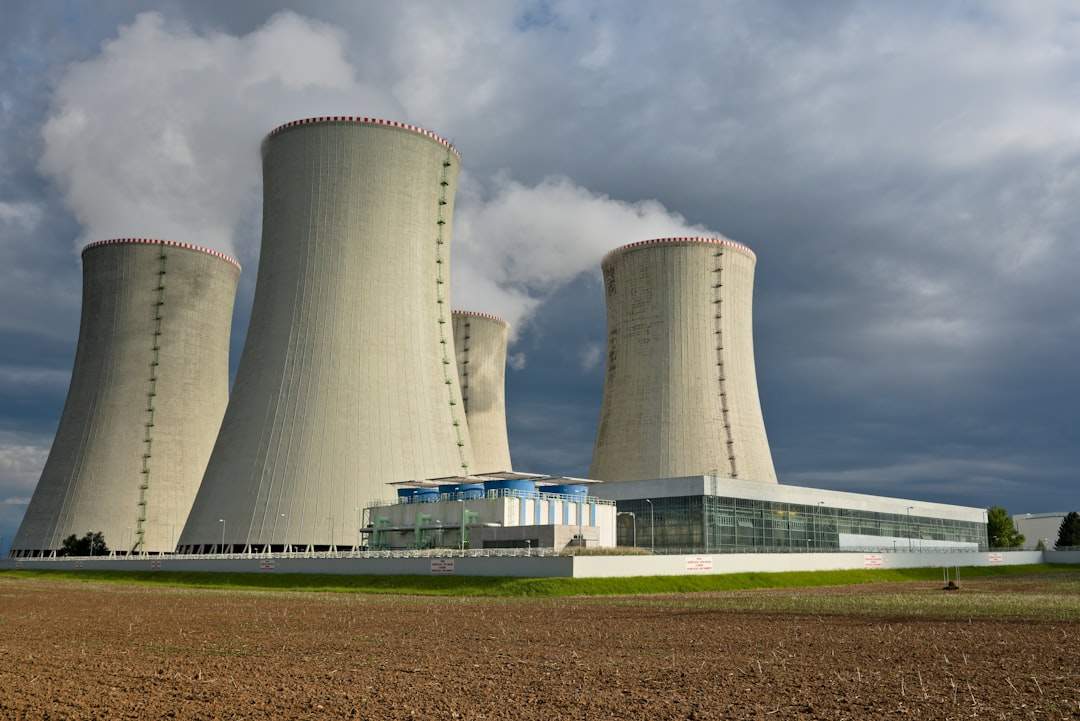
1. The Big Picture: Why This Matters Now
1.1. Global Context
The global nuclear energy market is projected to reach approximately $600 billion by 2032, driven by increasing energy demand and decarbonization goals. This expansion highlights a significant shift towards reliable, low-carbon power sources, with many nations reconsidering their nuclear energy policies. For further context on global energy trends, see this Bloomberg report on global energy outlooks.
Nations are prioritizing energy resilience amid fluctuating fossil fuel prices and supply chain vulnerabilities. The strategic importance of nuclear power as a stable baseload energy source has never been more pronounced, prompting renewed interest in new builds and technology exports.
1.2. Korea’s Position
South Korea has positioned its K-Nuclear technology as a robust solution for global energy security, backed by decades of operational experience and a strong domestic supply chain. Government policies actively support nuclear exports, aiming to secure new projects valued at over $20 billion in the coming years.
This proactive stance is crucial for increasing South Korea’s nuclear power geopolitical leverage, fostering deeper economic ties with partner nations seeking energy independence. The nation’s integrated approach, from design to construction and maintenance, offers a comprehensive package for global clients.

2. Market Winners & Losers
2.1. Who’s Pulling Ahead
Doosan Enerbility stands at the forefront of South Korea’s nuclear export strategy, supplying key components and engineering solutions for large-scale nuclear projects worldwide. The company secured a major turbine generator contract for a European nuclear project in late 2025, valued at approximately $1.2 billion.
Korea Electric Power Corporation (KEPCO) and Korea Hydro & Nuclear Power (KHNP) lead the consortiums for overseas nuclear power plant bids, leveraging their experience in operating Korea’s domestic fleet. Hyundai E&C also plays a critical role as a major construction contractor, contributing significantly to project execution capabilities.
| Company / Player | Current Position | Global Outlook |
|---|---|---|
| Doosan Enerbility | Leading heavy equipment supplier for nuclear facilities, targeting SMRs. | Strong pipeline for component supply and manufacturing, expanding into modular reactors. |
| KEPCO / KHNP | Primary bidders and operators for large-scale nuclear power plant projects. | Actively pursuing projects in Eastern Europe, Middle East, and Southeast Asia. |
| Hyundai E&C | Key EPC contractor for nuclear plant construction globally. | Integral to K-Nuclear bids, valued for on-time and on-budget project delivery. |

2.2. What Investors Should Watch
Investors should monitor the progress of new Small Modular Reactor (SMR) development, where South Korean firms are making significant advancements. SMRs represent a potential game-changer for K-Nuclear energy trade dynamics, offering smaller, more flexible deployments suitable for diverse energy needs. Explore more about technological advancements shaping Korea’s future at koreaplus-lifes.com/category/k-tech-gadgets/.
The global macroeconomic environment, including interest rates like the US Fed Funds Rate at 3.64, significantly impacts financing costs for large nuclear projects. Furthermore, the USD/KRW exchange rate, currently around 1510.17, influences the competitiveness of South Korea nuclear export policy through procurement costs and project profitability.
3. The Bottom Line
3.1. What to Expect Next
South Korea is expected to intensify its efforts in securing new nuclear power plant contracts, particularly in regions with growing energy demands and commitments to decarbonization. The focus will likely broaden to include both conventional large reactors and emerging SMR technologies.
Government-backed financing and diplomatic engagement will be critical enablers for future K-Nuclear energy trade dynamics. These initiatives aim to mitigate financial risks for client nations and strengthen long-term partnerships, enhancing South Korea’s nuclear power geopolitical leverage.

Frequently Asked Questions
A1. South Korea’s nuclear export policy is driven by a combination of mature, standardized reactor technology (APR1400), competitive pricing, and a strong track record of on-time and on-budget project delivery. This integrated approach, from design to operation, enhances its global competitiveness in the nuclear energy sector.
A2. Global energy trends, particularly the push for decarbonization and enhanced energy security, significantly boost K-Nuclear energy trade dynamics. Nations are increasingly seeking reliable, carbon-free baseload power, making South Korea’s proven nuclear technology an attractive option for diversifying energy portfolios.
A3. Doosan Enerbility is a critical enabler of South Korea’s nuclear export ambitions, specializing in the manufacturing of heavy components like reactor vessels, steam generators, and turbine generators. The company’s expertise in large forgings and castings is essential for the construction of both conventional and advanced reactor designs, including Small Modular Reactors.

Hi, I’m Dokyung, a Seoul-based tech and economy enthusiast. South Korea is at the forefront of global innovation—from cutting-edge semiconductors to next-gen defense technology. My mission is to translate these complex industry shifts into clear, actionable insights and everyday magic for global readers and investors.